Oil Prices Rise in Global Markets on Fears of Middle East Supply Disruptions
Darwin, October 21: Oil prices rose in global markets on Wednesday as traders grew concerned about potential disruptions to oil supplies in the Middle East,…



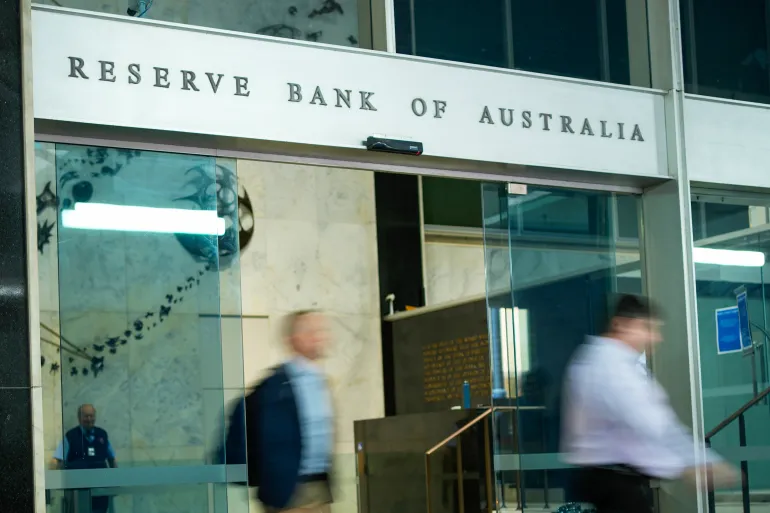
Darwin, October 4: Australia’s central bank has raised interest rates to their highest level in 15 years, increasing mortgage repayments for millions of Australian households.
The Reserve Bank of Australia (RBA) raised its benchmark interest rate by 0.25 percentage points to 4.6% on Tuesday, the highest level since 2011. The RBA said inflation remained elevated and that previously identified “upside risks” had materialised, including higher energy prices linked to the US-Israel war against Iran and a surge in spending on artificial intelligence (AI)-driven technology.
“Uncertainty about the outlook for domestic economic activity and inflation remains,” the bank’s monetary policy board said in a statement.
“The conflict in the Middle East remains unresolved, and there are scenarios in which inflation could be higher and economic activity weaker than forecast,” it added.
Disruptions to global oil supplies are continuing to put upward pressure on global and domestic energy prices and inflation. Prolonged uncertainty could also weigh on economic growth both overseas and in Australia.
Australia’s annual inflation rate stood at 3.5% in July, well above the central bank’s target range of 2% to 3%.
Central banks typically raise interest rates when policymakers believe prices are rising too quickly. Higher interest rates increase the cost of borrowing, including mortgages, which can reduce consumer demand and help bring inflation under control.
The latest rate increase will add further pressure on Australian households, which are already struggling with rising living costs following three rate increases earlier this year.
A research report published earlier this month by Roy Morgan found that nearly one-third of Australian mortgage holders—around 1.8 million people—were at risk of “mortgage stress” as of July. Mortgage stress is defined as households spending between 25% and 45% of their after-tax income on mortgage repayments.
Australian Treasurer Jim Chalmers, who does not set interest rates, acknowledged that the latest increase would cause further hardship for many Australians.
“We know many Australians are under pressure, and this will make things more difficult,” Chalmers said in a post on X.
“Inflation and interest rates are rising around the world, but we know that doesn’t make today’s decision any less significant,” he added.
Chalmers said the government would continue to do its part in the fight against inflation.
“That means continuing to manage the budget responsibly, providing tax relief and cost-of-living support, and addressing the long-term challenges facing our economy in an uncertain global environment,” he said.
Darwin, October 21: Oil prices rose in global markets on Wednesday as traders grew concerned about potential disruptions to oil supplies in the Middle East,…

Darwin, October 21: Iran is prolonging negotiations with Washington in an attempt to politically weaken President Donald Trump ahead of the US midterm elections, according…

Darwin, October 21: Today is the auspicious occasion of Bijaya Dashami. The five-day Sharadiya Durga Puja, the biggest religious festival of the Hindu community, officially…

Darwin, October 20: Today is Maha Navami, the ninth day of Sharadiya Durga Puja. Members of the Hindu community will observe the day through religious…

Darwin, October 20: Protests and violence over the rising cost of living have erupted in Italy, one of Europe’s largest economies, following similar unrest in…

Darwin, October 20: US President Donald Trump has warned that protests and violence similar to those in France could spread across the United States if…
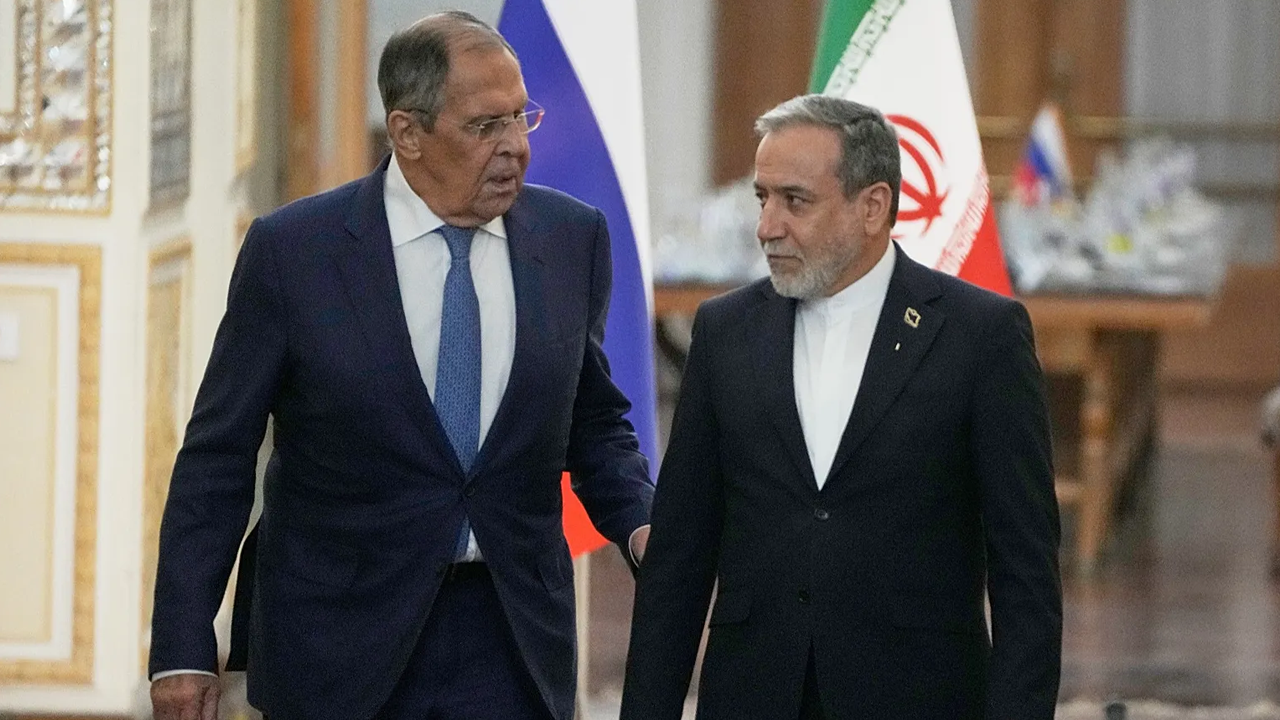
Darwin, October 20: Moscow has reaffirmed its full support for Tehran just hours after US President Donald Trump remarked that Russia was doing very little…

Darwin, October 19: Former Manchester City manager Pep Guardiola has urged the world not to forget the Palestinians in Gaza. In a video for the…