Ten Injured After Car Ploughs Into Rugby League Fans in Australia
Darwin, October 04: Ten people, including three children, have been injured after a car crashed into a crowd of rugby league fans in Newcastle, eastern…



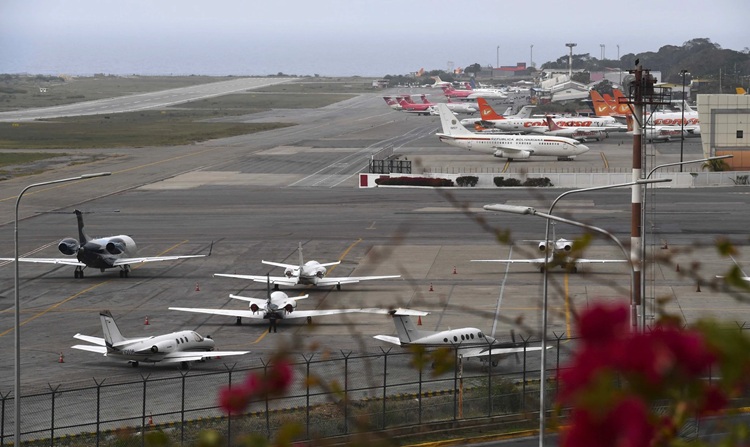
WASHINGTON — The U.S. Federal Aviation Administration (FAA) issued a formal warning to major American airlines on Friday, urging them to exercise caution when flying over Venezuela due to a “potentially hazardous situation” fueled by worsening security and heightened military activity in the region.
The FAA notice stressed that the threats pose risks for aircraft operating at all altitudes.
While the FAA stopped short of prohibiting flights over the country, the warning detailed the specific risks contributing to the threat assessment:
The agency noted an increase in Global Navigation Satellite System (GNSS) interference in Venezuela since September. In some cases, this interference caused lingering navigation effects throughout the remainder of a flight.
The Venezuelan military possesses advanced fighter aircraft and multiple weapons systems capable of reaching or exceeding commercial civil aircraft operating altitudes. The FAA also cited potential low-altitude risk from air defense systems and anti-aircraft artillery.
The warning referenced the recent Venezuelan military exercises and the mass mobilization of thousands of military and reserve forces, though the FAA noted that Venezuela has not expressed an intent to target civil aviation.
The warning requires all U.S. airlines that plan to overfly the country to provide the FAA with at least 72 hours advance notice of their intended routes.
Major carriers confirmed they have already adjusted routes due to the increasing instability:
American Airlines confirmed it ceased overflying Venezuela in October.
Delta Air Lines stated it stopped flying over Venezuela “a while ago.”
United Airlines did not immediately issue a comment.
Direct flights by U.S. passenger or cargo carriers to Venezuela have been suspended since 2019, but many international and U.S. airlines historically used the airspace for South American routes. The FAA has pledged to continue monitoring the risk environment for U.S. civil aviation operating in the region.

Darwin, October 04: Ten people, including three children, have been injured after a car crashed into a crowd of rugby league fans in Newcastle, eastern…

Darwin, October 4: Australia’s central bank has raised interest rates to their highest level in 15 years, increasing mortgage repayments for millions of Australian households….

Darwin, October 3: Under pressure from US President Donald Trump to bring down rising fuel prices, G7 leaders are set to release up to 100…
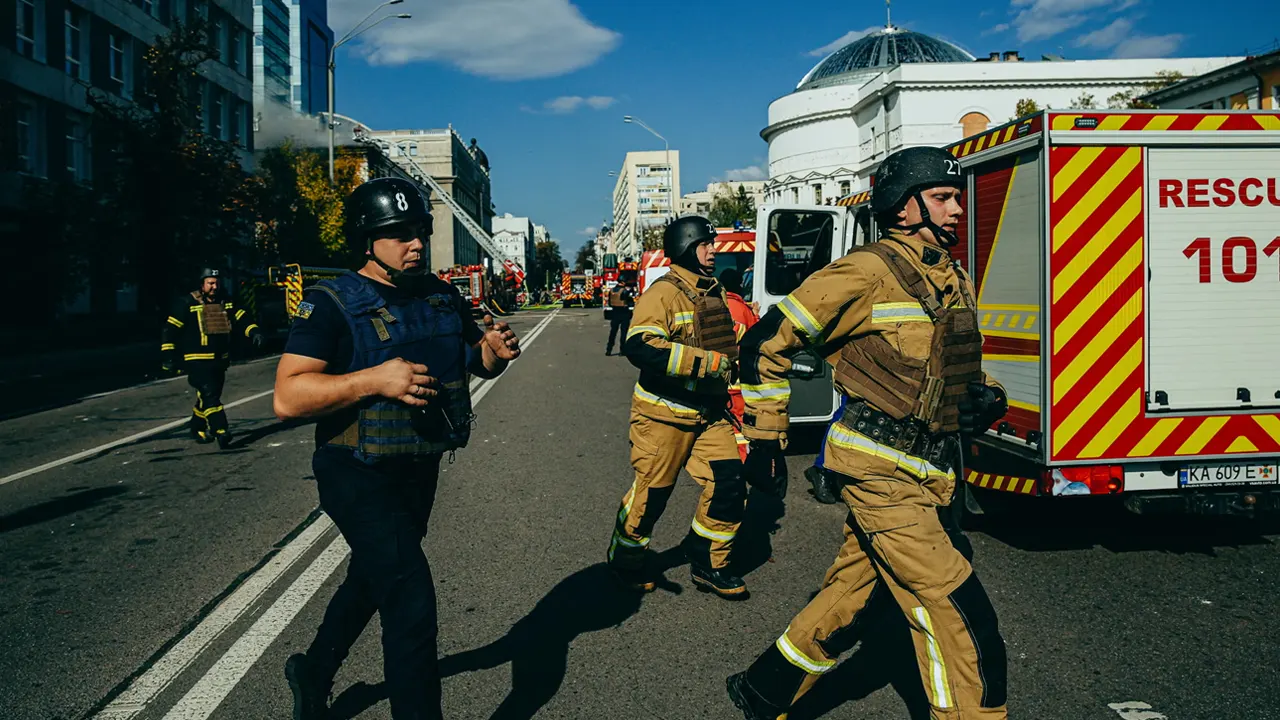
Darwin, October 3: Russia’s daily attacks are filling the lives of Kyiv residents with fear and uncertainty. From schools and hospitals to bridges, power plants…
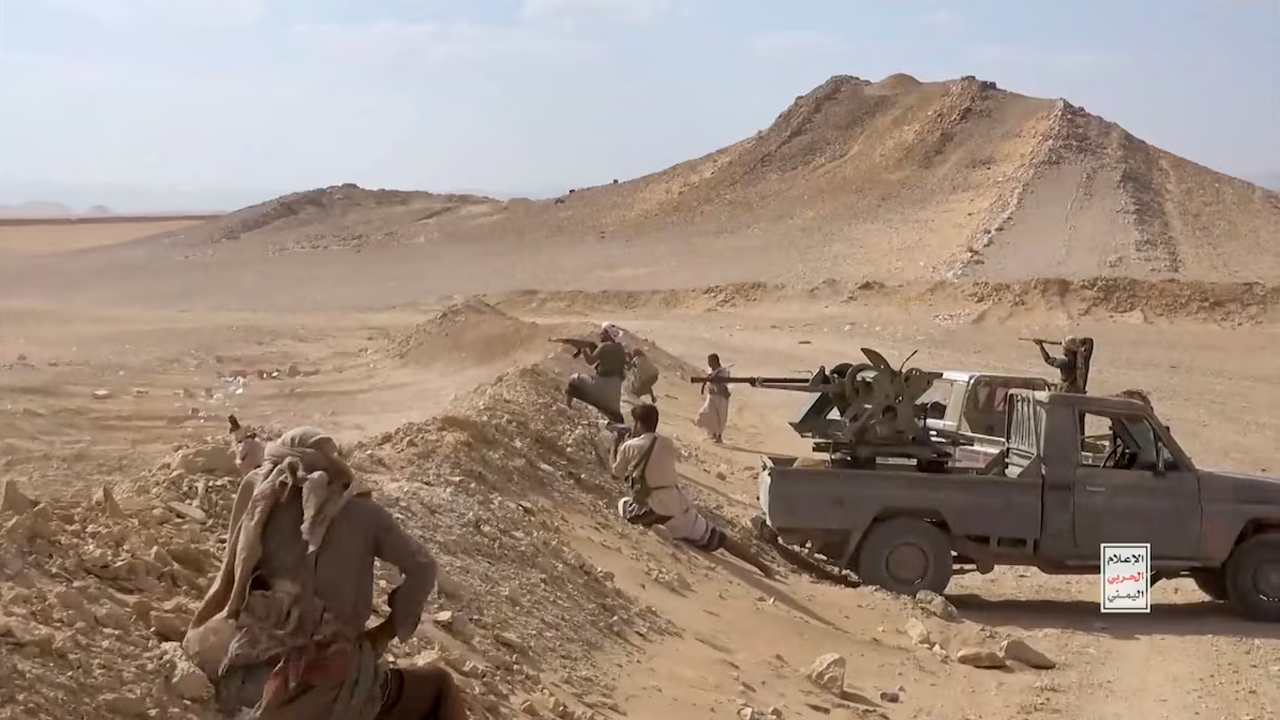
Darwin, October 3: At least 80 fighters have been killed over the past 24 hours in fierce fighting between Iran-backed Houthi rebels and Saudi-backed government…
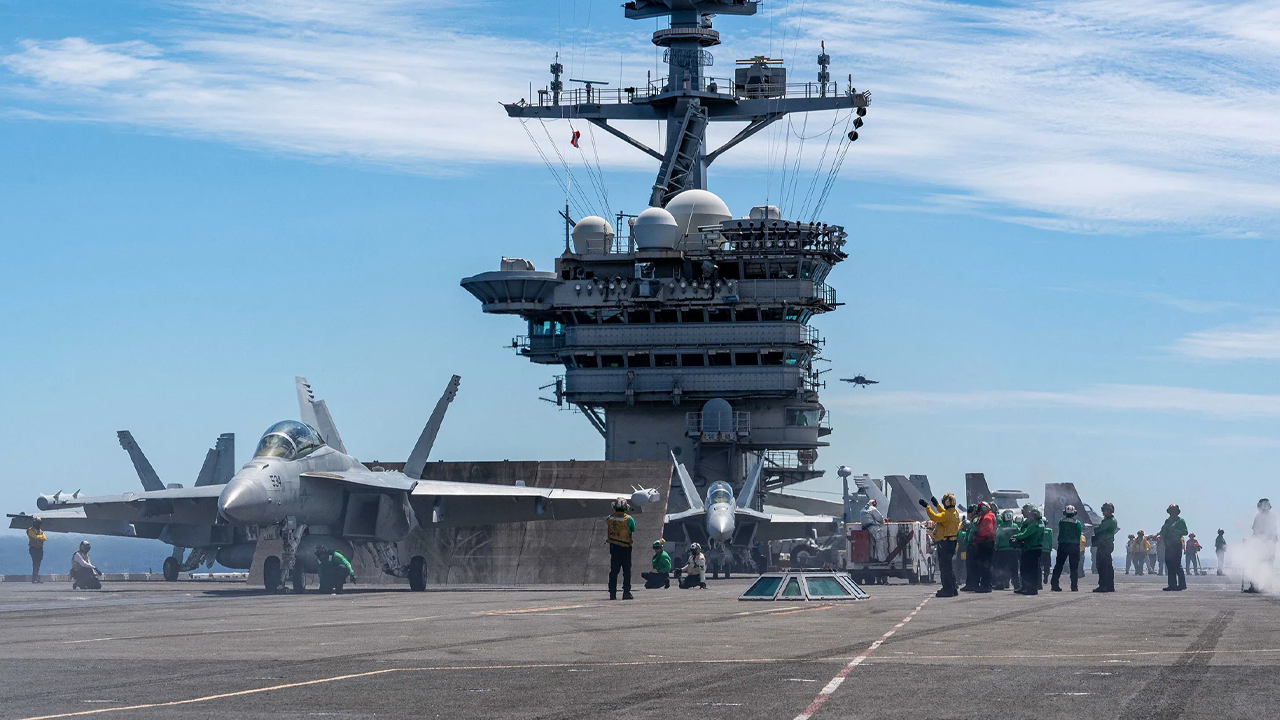
Darwin, October 3: As the Iran war enters its eighth month, the United States is sending a third aircraft carrier strike group to waters near…
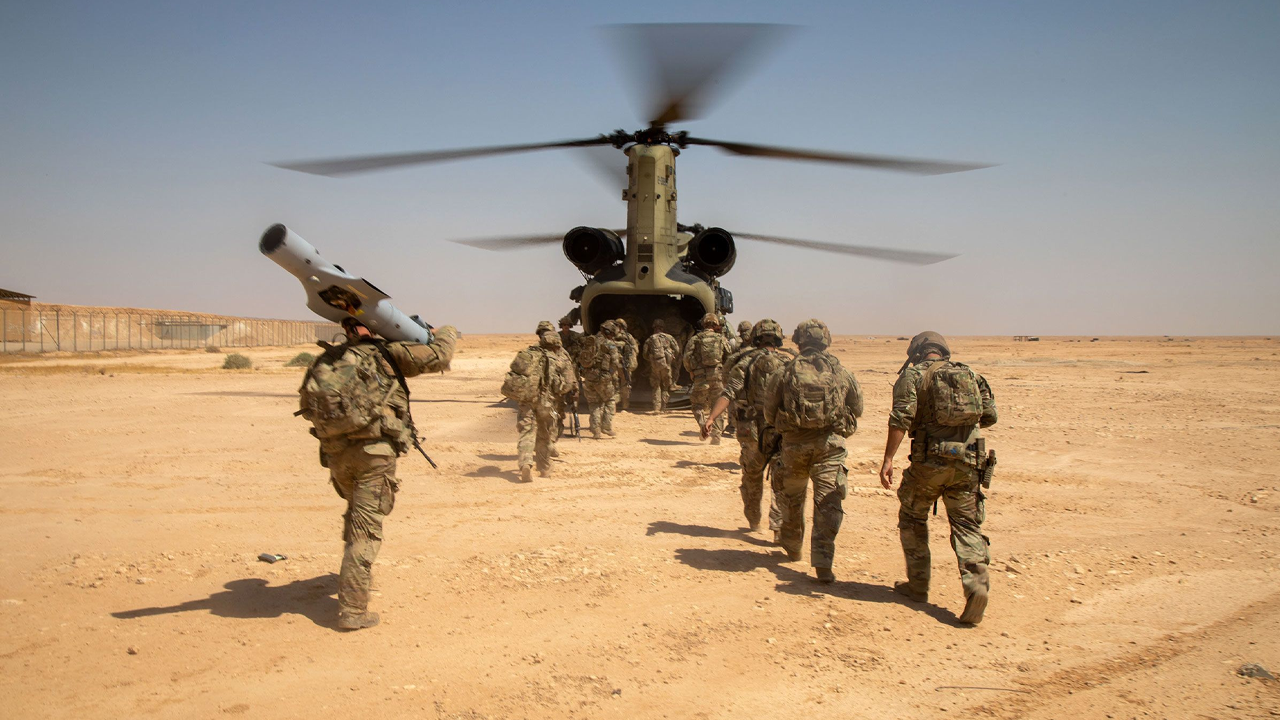
Darwin, September 30 : The United States is preparing to withdraw its military forces from Iraq after more than two decades of war and the…
Darwin, September 30: Russia has urged Iran not to withdraw from the Treaty on the Non-Proliferation of Nuclear Weapons (NPT), calling on Tehran to remain…