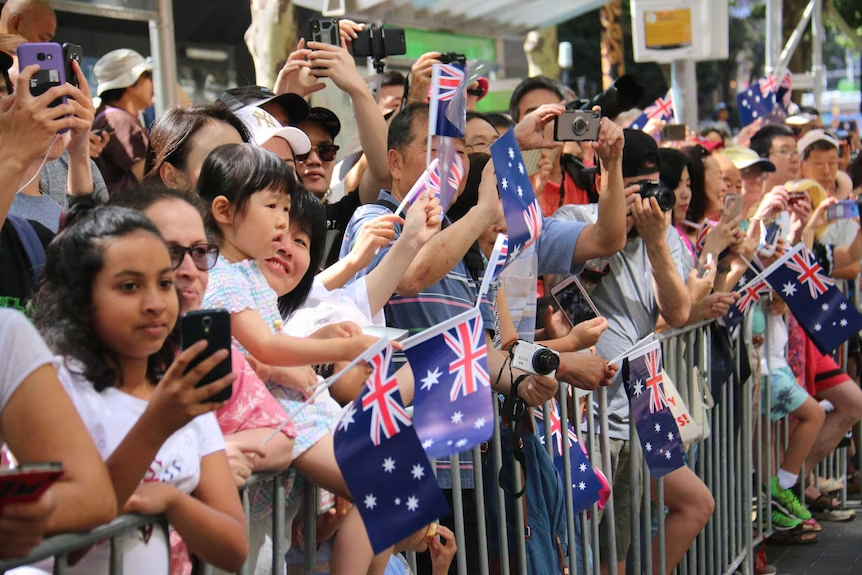
Ten Injured After Car Ploughs Into Rugby League Fans in Australia
Darwin, October 04: Ten people, including three children, have been injured after a car crashed into a crowd of rugby league fans in Newcastle, eastern…



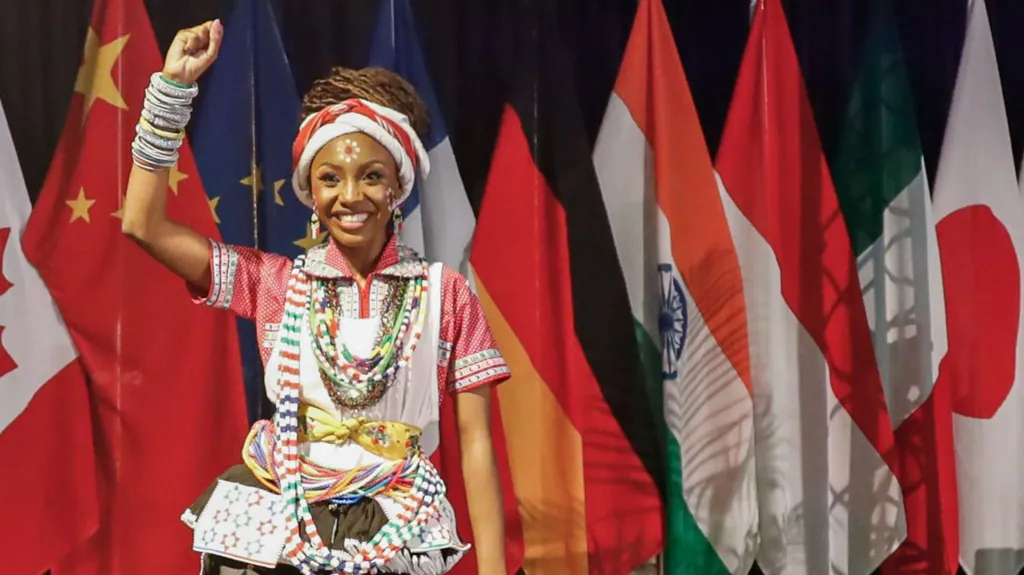
JOHANNESBURG — The G20 summit, marking the first time the gathering of the world’s biggest economies has been hosted by an African nation, is proceeding in Johannesburg under the shadow of an unprecedented diplomatic rift with the United States.
South Africa assumed the presidency last year hoping to firmly champion the interests of the Global South, setting its theme as “Solidarity, Equality, Sustainability.” Key on the host’s agenda are structural issues facing developing economies:
Debt Sustainability: South Africa is arguing that borrowing should be cheaper for developing countries, which currently pay two to four times more in interest on debts than more advanced economies.
Securing adequate financing for developing nations to adapt to the climate crisis and transition to clean energy.
Critical Minerals: Ensuring African countries secure the best value out of their critical minerals—essential for clean energy technologies—rather than being stuck in low-value segments of the global supply chain.
The summit’s substantive agenda has been overshadowed by the complete boycott ordered by US President Donald Trump. The President justified his decision by referencing the widely discredited claim that South Africa’s white minority is the victim of large-scale killings and land grabs—claims that the South African government has firmly denied.
The diplomatic relationship has been fraught for over a year, with the US retaliating against Pretoria’s policies:
After initially stating no US representatives would attend, Washington announced less than 48 hours before the conference that a small team of in-country diplomats would attend only the handover ceremony, but not the substantive discussions.
South Africa’s Finance Minister, Enoch Godongwana, stressed the nation’s permanent standing in the forum: “We are members of the G20, we’re not an invited country. So we don’t need an invitation from anybody.”
Some analysts believe the US absence may inadvertently benefit South Africa’s agenda. Professor Richard Calland of the Cambridge Institute for Sustainability Leadership suggests the boycott may “create more space for real consensus” by removing the need for other leaders to constantly navigate the US President’s political conduct. South African officials have also successfully pushed to issue a Leaders’ Declaration, despite the US warning it would block a consensus document in its absence.

Darwin, October 04: Ten people, including three children, have been injured after a car crashed into a crowd of rugby league fans in Newcastle, eastern…
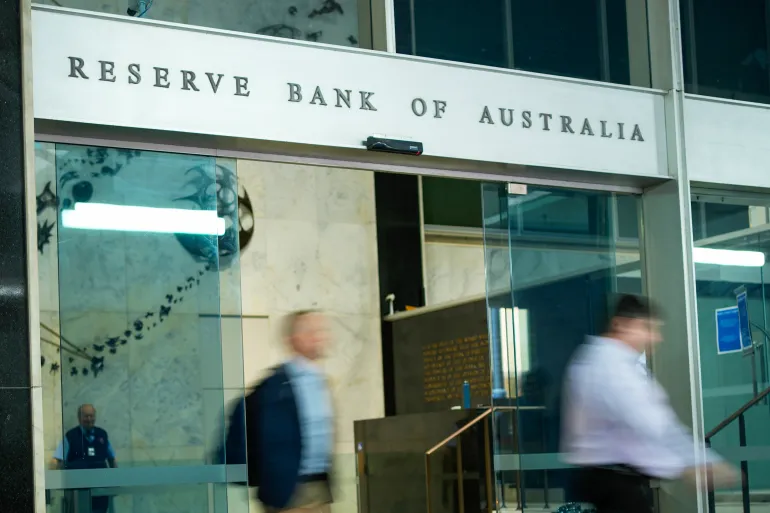
Darwin, October 4: Australia’s central bank has raised interest rates to their highest level in 15 years, increasing mortgage repayments for millions of Australian households….

Darwin, October 3: Under pressure from US President Donald Trump to bring down rising fuel prices, G7 leaders are set to release up to 100…

Darwin, October 3: Russia’s daily attacks are filling the lives of Kyiv residents with fear and uncertainty. From schools and hospitals to bridges, power plants…
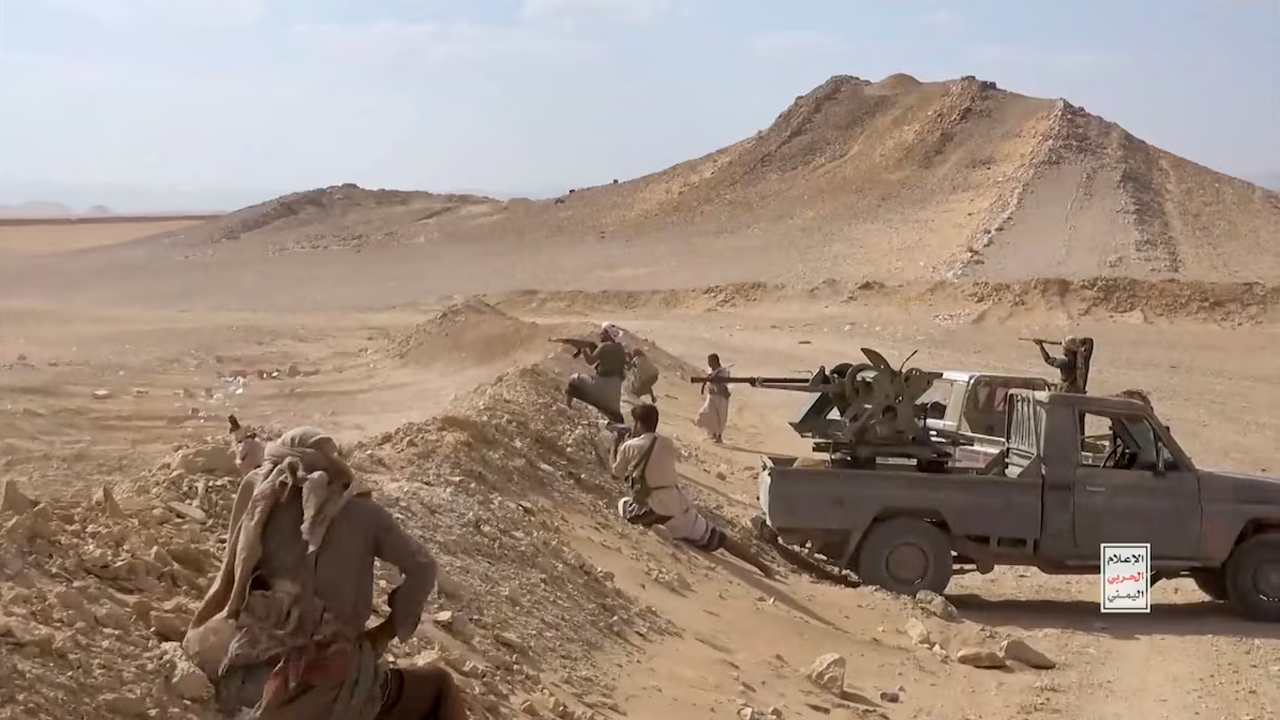
Darwin, October 3: At least 80 fighters have been killed over the past 24 hours in fierce fighting between Iran-backed Houthi rebels and Saudi-backed government…
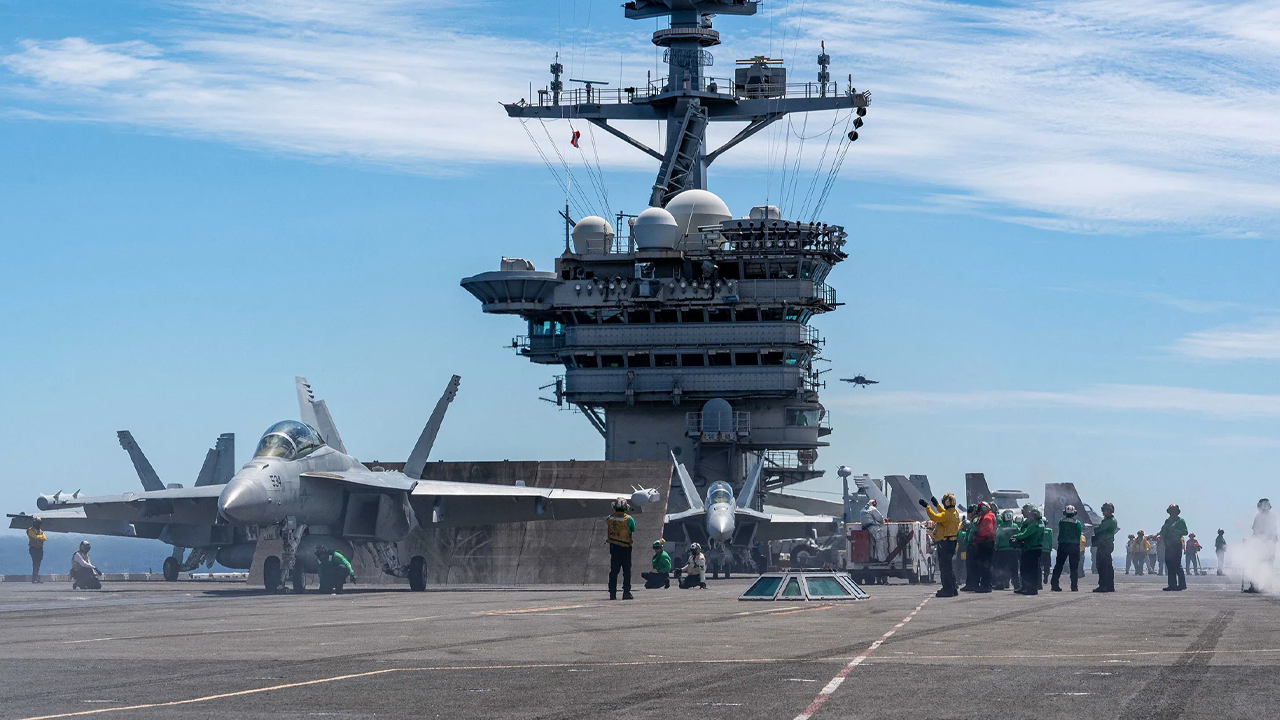
Darwin, October 3: As the Iran war enters its eighth month, the United States is sending a third aircraft carrier strike group to waters near…
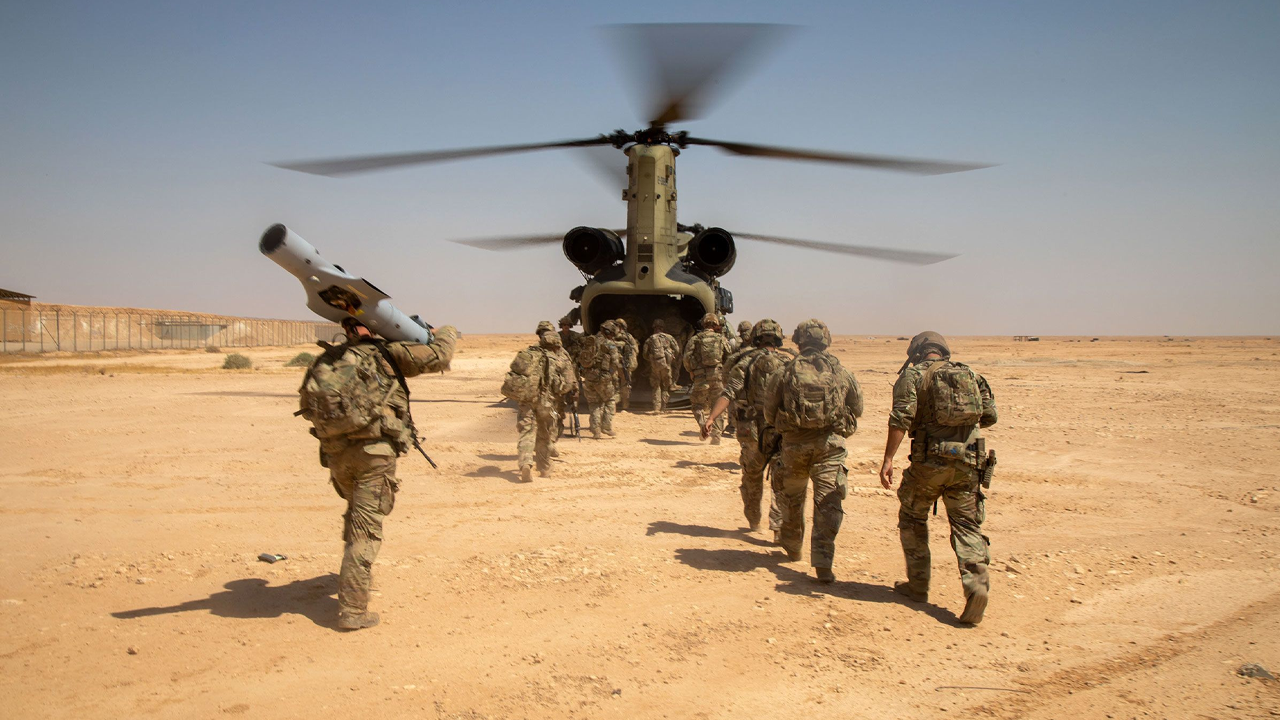
Darwin, September 30 : The United States is preparing to withdraw its military forces from Iraq after more than two decades of war and the…
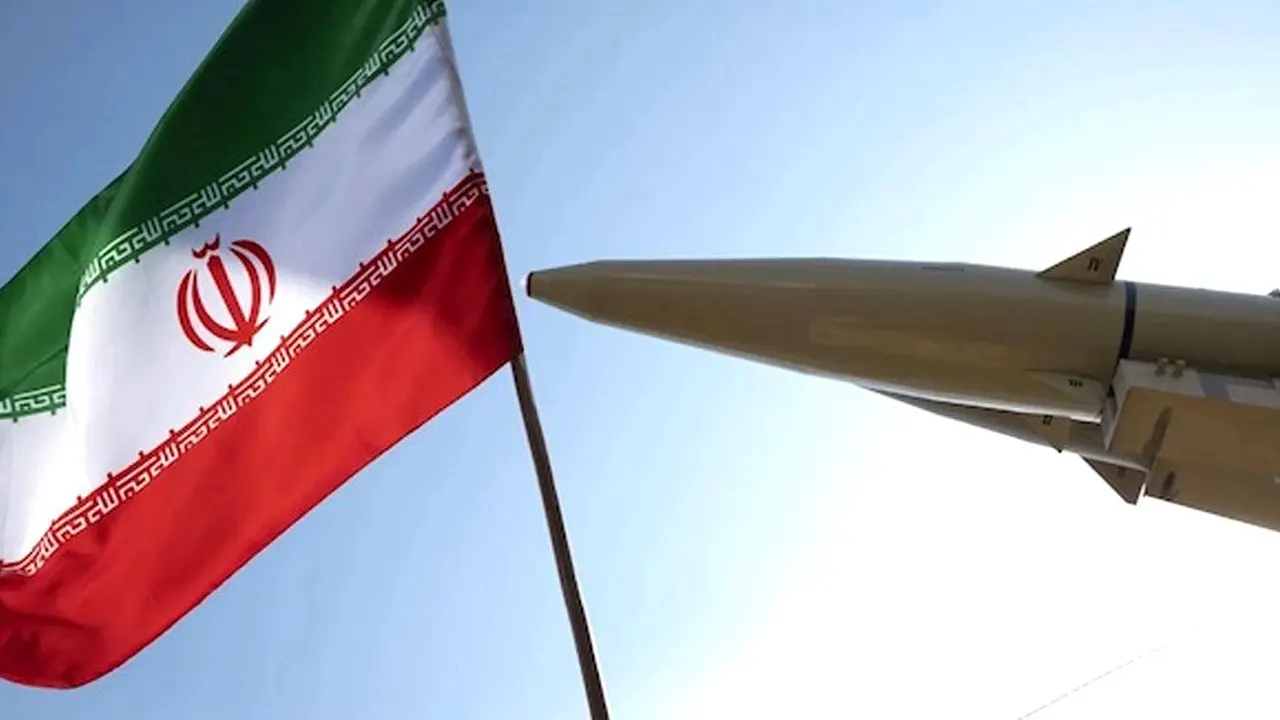
Darwin, September 30: Russia has urged Iran not to withdraw from the Treaty on the Non-Proliferation of Nuclear Weapons (NPT), calling on Tehran to remain…