Ten Injured After Car Ploughs Into Rugby League Fans in Australia
Darwin, October 04: Ten people, including three children, have been injured after a car crashed into a crowd of rugby league fans in Newcastle, eastern…



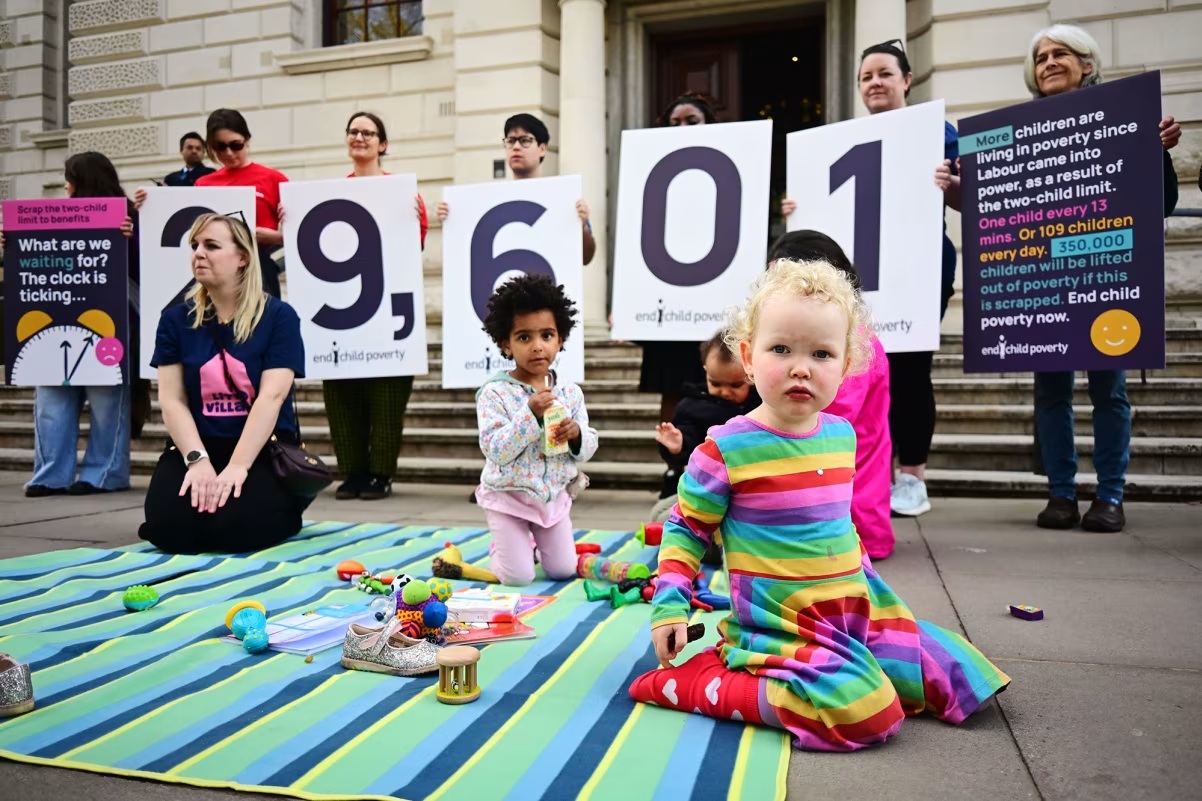
LONDON — Campaign groups and analysts are calling for urgent, targeted action as child poverty in the United Kingdom reaches a near-record high, placing immense pressure on the Labour government ahead of Chancellor Rachel Reeves’ annual budget announcement this Wednesday (November 26).
Around one-third of Britain’s children (4.5 million) currently live in relative poverty, defined as living in a household earning below 60% of the national median income after housing costs. Crucially, one million children are classified as destitute, lacking basic needs like food and warmth, according to the Joseph Rowntree Foundation.
The primary driver behind the rise, which has increased by almost 20% since 2012, is widely identified as welfare reforms implemented during the previous Conservative-led austerity program. Experts, including the Resolution Foundation, point specifically to the two-child benefit cap, which denies parents benefits for their third and subsequent children.
The cap disproportionately affects larger families and is heavily linked to the fact that almost half of children in Black and Asian communities are living in poverty, compared with 24% of White children.
The Chancellor has been grappling with the political and financial dilemma, balancing the party’s manifesto pledge not to raise taxes on working people with the moral imperative to tackle poverty. However, reports now suggest the government will announce the full abolition of the two-child limit in the budget, a move that could lift 330,000 children out of poverty overnight at an estimated cost of around £3.5 billion.
The Resolution Foundation estimates that without such policy changes, the relative child poverty rate will soar further, reaching 34% (4.8 million children) by the end of 2029-30, a higher rate than observed at any time since 1961.
The crisis is not limited to non-working families; approximately 70% of children living in poverty have at least one parent in work. Expensive childcare—costing up to 60% of a single parent’s net household income—combined with high housing costs leaves families like Thea Jaffe’s, a full-time London worker earning £45,000 a year, struggling to pay bills and reliant on charities like Little Village for essential supplies.
“People have got no resilience left,” warned Sophie Livingstone, CEO of the baby bank Little Village, highlighting the failure of the social security “safety net.”

Darwin, October 04: Ten people, including three children, have been injured after a car crashed into a crowd of rugby league fans in Newcastle, eastern…

Darwin, October 4: Australia’s central bank has raised interest rates to their highest level in 15 years, increasing mortgage repayments for millions of Australian households….

Darwin, October 3: Under pressure from US President Donald Trump to bring down rising fuel prices, G7 leaders are set to release up to 100…

Darwin, October 3: Russia’s daily attacks are filling the lives of Kyiv residents with fear and uncertainty. From schools and hospitals to bridges, power plants…

Darwin, October 3: At least 80 fighters have been killed over the past 24 hours in fierce fighting between Iran-backed Houthi rebels and Saudi-backed government…

Darwin, October 3: As the Iran war enters its eighth month, the United States is sending a third aircraft carrier strike group to waters near…

Darwin, September 30 : The United States is preparing to withdraw its military forces from Iraq after more than two decades of war and the…

Darwin, September 30: Russia has urged Iran not to withdraw from the Treaty on the Non-Proliferation of Nuclear Weapons (NPT), calling on Tehran to remain…