Ten Injured After Car Ploughs Into Rugby League Fans in Australia
Darwin, October 04: Ten people, including three children, have been injured after a car crashed into a crowd of rugby league fans in Newcastle, eastern…



WASHINGTON D.C: Global aviation successfully navigated one of the largest aircraft recalls in history this weekend, with airlines scrambling to install urgent software fixes on approximately 6,000 Airbus A320-family jets—a tally representing more than half of the world’s most-delivered fleet.
The recall followed a major safety alert issued Friday after investigators linked an unintended loss of altitude on a JetBlue flight on October 30 (Cancun to Newark) to a software vulnerability caused by intense solar flare radiation corrupting critical flight control data. The incident injured 10 passengers.
Airlines worldwide worked through the night to revert the software in a critical flight computer—a process taking two to three hours per jet.
The speed of the response appears to have headed off the worst-case scenario. By Saturday, major carriers like United Airlines reported completing all updates, while American Airlines, the world’s largest A320 operator, expected to complete fixes on 209 affected jets by the end of the day.
US Transportation Secretary Sean Duffy affirmed the success for the busiest US travel weekend of the year:
“All impacted U.S. carriers have reported great progress, and are on track to meet the deadline of this Sunday at midnight to complete the work. [Travelers] SHOULD NOT expect any major disruptions.”
However, the rapid nature of the recall still caused cancellations. JetBlue cancelled about 70 flights scheduled for Sunday as they raced to update their fleet, and Japan’s ANA Holdings cancelled 95 flights on Saturday.
The A320 family recently overtook the Boeing 737 as the industry’s most-delivered model, with about 11,300 jets in service. Airbus CEO Guillaume Faury issued a sincere apology to customers and passengers impacted by the surprise directive.
Despite the initial fears, industry sources indicated that fewer than the original estimate of 1,000 older jets will require the time-consuming hardware changes, with most only needing a simple software reversion.

Darwin, October 04: Ten people, including three children, have been injured after a car crashed into a crowd of rugby league fans in Newcastle, eastern…

Darwin, October 4: Australia’s central bank has raised interest rates to their highest level in 15 years, increasing mortgage repayments for millions of Australian households….

Darwin, October 3: Under pressure from US President Donald Trump to bring down rising fuel prices, G7 leaders are set to release up to 100…
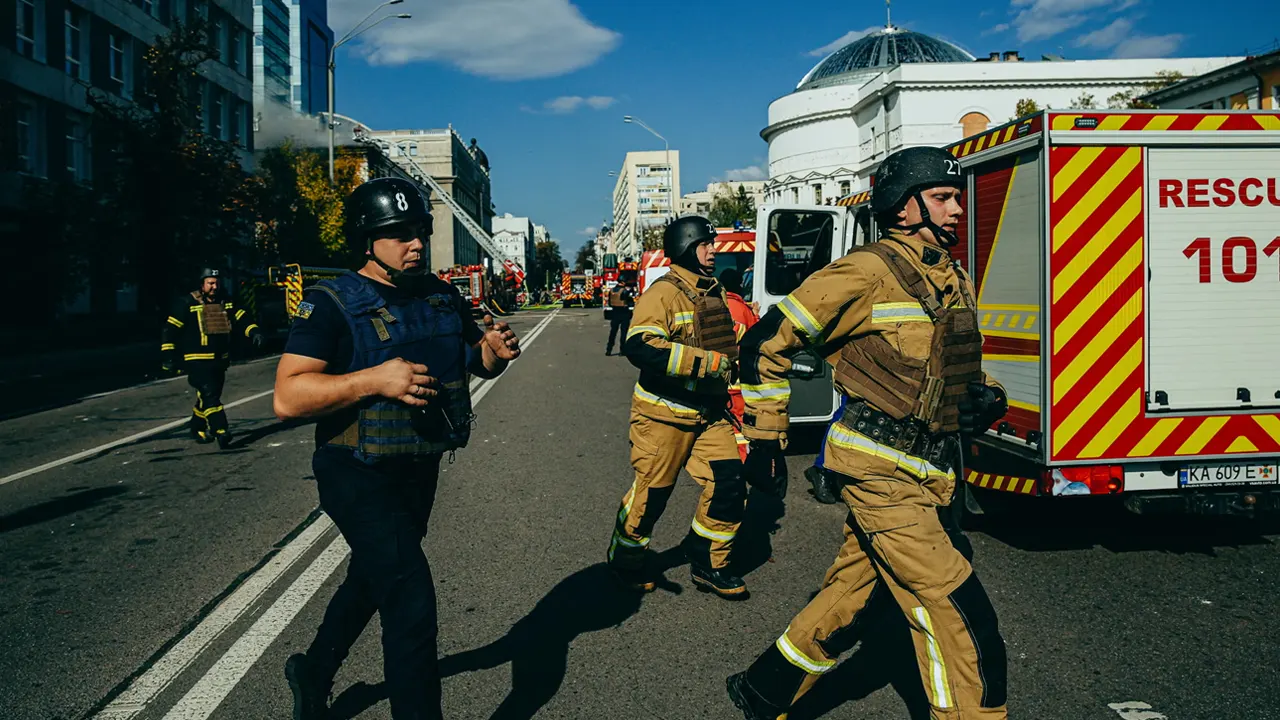
Darwin, October 3: Russia’s daily attacks are filling the lives of Kyiv residents with fear and uncertainty. From schools and hospitals to bridges, power plants…
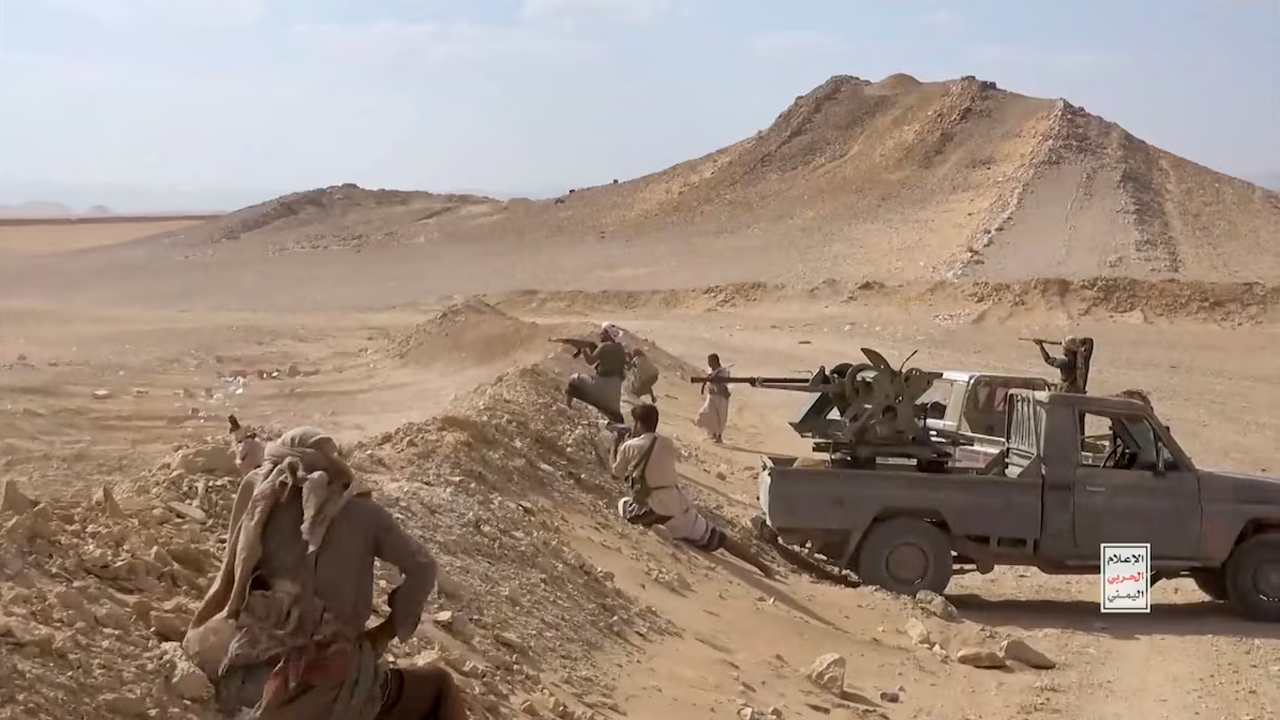
Darwin, October 3: At least 80 fighters have been killed over the past 24 hours in fierce fighting between Iran-backed Houthi rebels and Saudi-backed government…
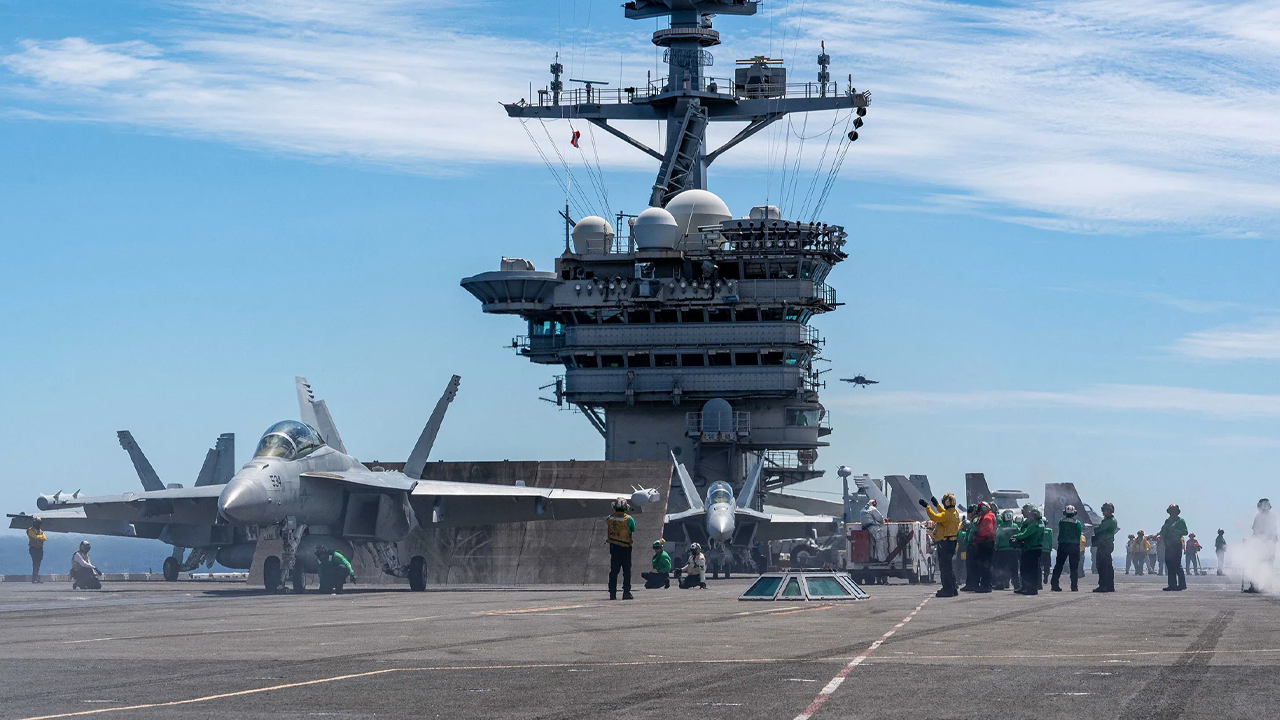
Darwin, October 3: As the Iran war enters its eighth month, the United States is sending a third aircraft carrier strike group to waters near…
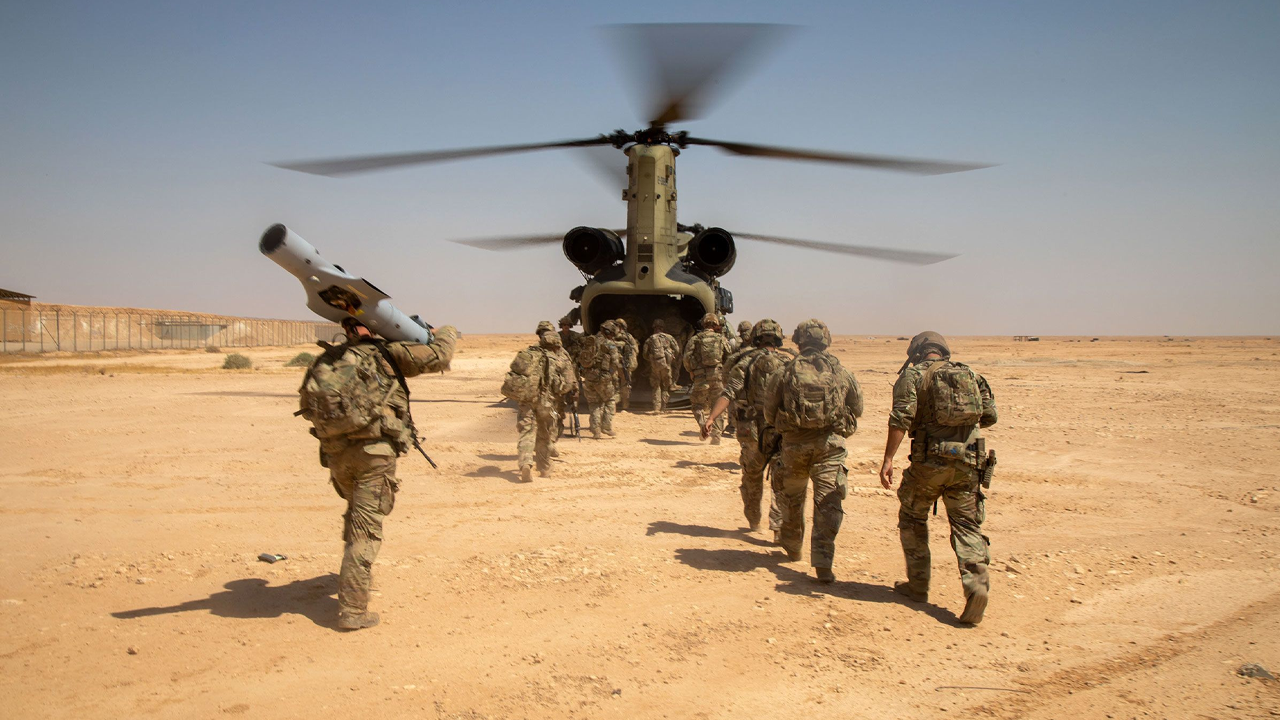
Darwin, September 30 : The United States is preparing to withdraw its military forces from Iraq after more than two decades of war and the…
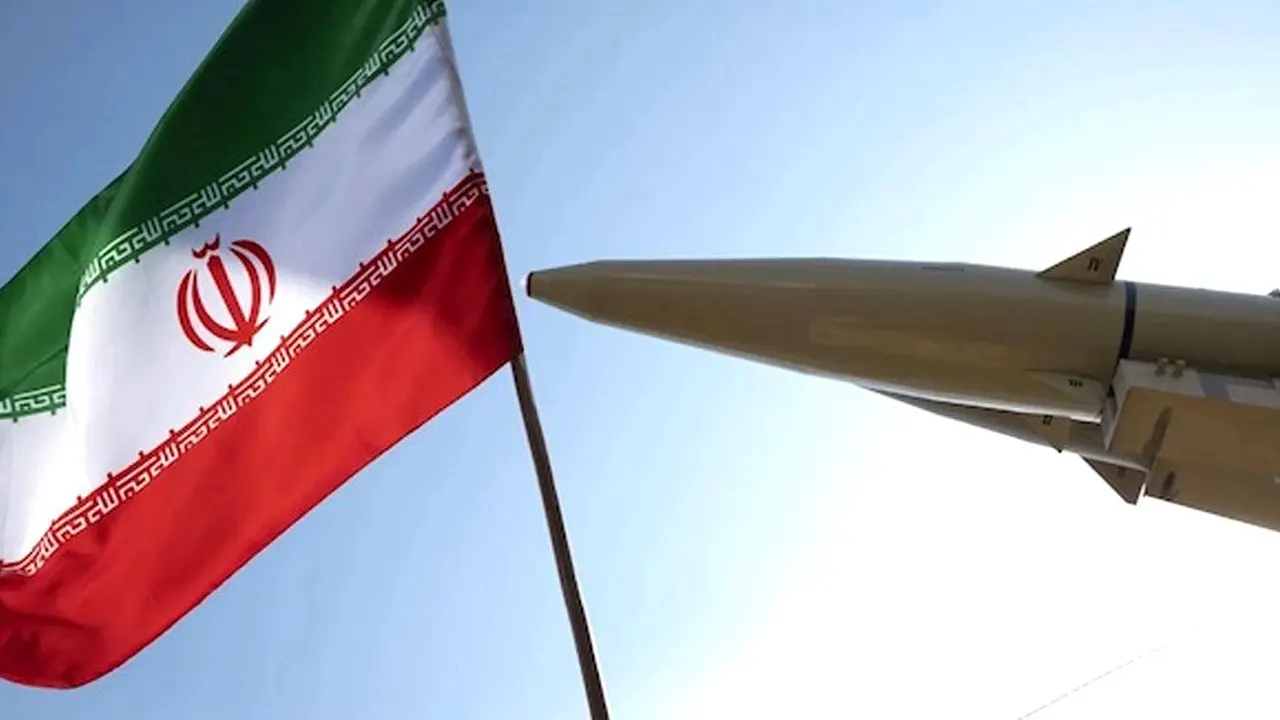
Darwin, September 30: Russia has urged Iran not to withdraw from the Treaty on the Non-Proliferation of Nuclear Weapons (NPT), calling on Tehran to remain…