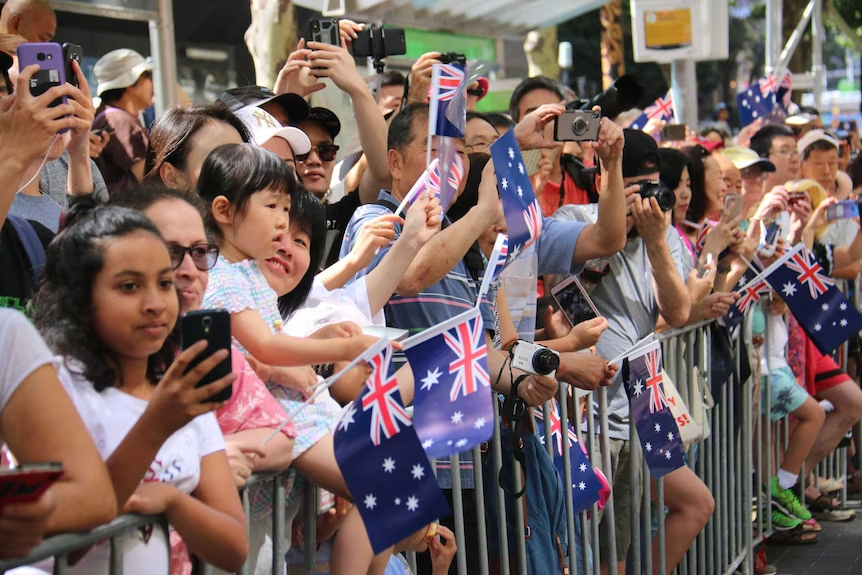
Ten Injured After Car Ploughs Into Rugby League Fans in Australia
Darwin, October 04: Ten people, including three children, have been injured after a car crashed into a crowd of rugby league fans in Newcastle, eastern…



GEORGIA :Georgian authorities stand accused of deploying an obsolete, World War I-era chemical agent, Bromobenzyl Cyanide (known as “Camite”), in water cannons used to quell massive anti-government protests in late 2024, according to a major investigation by the BBC.
The explosive findings are supported by chemical weapons experts, medical studies of the victims, and testimony from former high-level Georgian riot police personnel.
Protesters, incensed by the ruling party’s decision to suspend European Union accession talks, have reported severe and long-lasting symptoms following exposure to water cannons used by police on Tbilisi’s Rustaveli Avenue.
Dr. Konstantine Chakhunashvili, a paediatrician and protest participant, described a burning sensation from the water that worsened when washed and persisted for days. Dr. Chakhunashvili surveyed nearly 350 exposed individuals, almost half of whom reported symptoms—including headaches, fatigue, persistent coughs, shortness of breath, and vomiting—that lasted for more than 30 days.
His peer-reviewed study, accepted for publication in Toxicology Reports, also identified a significantly higher prevalence of heart electrical signal abnormalities among the victims he examined.
These prolonged and severe effects are inconsistent with modern, conventional riot control agents like CS gas, which are designed to cause only temporary irritation.
Professor Christopher Holstege, a world-leading toxicology and chemical weapons expert, assessed the accumulated evidence. Based on the persistent clinical findings, he concluded the symptoms are “consistent with bromobenzyl cyanide.”
The suspected identity of the agent was corroborated by an internal inventory of Georgia’s Special Tasks Department (riot police), dated December 2019, obtained by the BBC. The inventory listed two unnamed chemicals meant for mixing: “Chemical liquid UN1710” and “Chemical powder UN3439.”
UN1710 was identified as Trichloroethylene (TCE), a solvent.
UN3439 is an umbrella code, but the only identified riot-control agent within that code is Bromobenzyl Cyanide (Camite).
Former riot police weaponry chief Lasha Shergelashvili, speaking from Ukraine, confirmed that the product he tested in 2009 for water cannon use—and recommended against—was unlike standard tear gas, requiring special baking soda solutions to neutralize, and rendering an area uninhabitable for days.
Professor Holstege warned that bringing back such an obsolete and potent chemical “is actually exceedingly dangerous.”
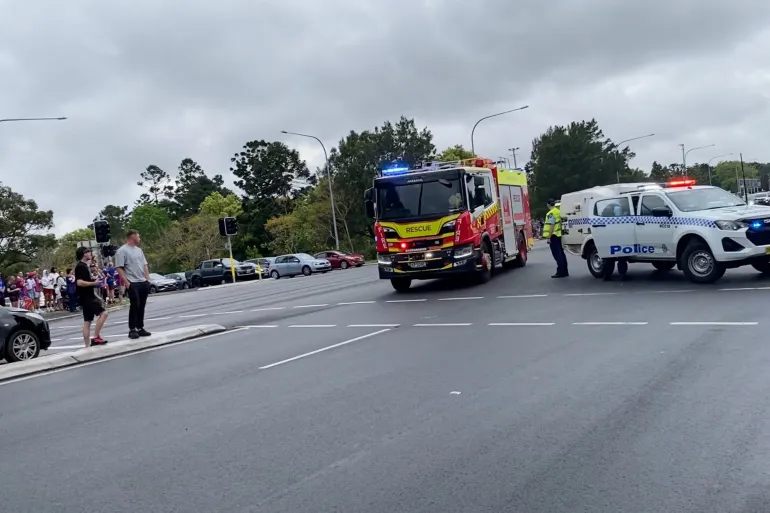
Darwin, October 04: Ten people, including three children, have been injured after a car crashed into a crowd of rugby league fans in Newcastle, eastern…
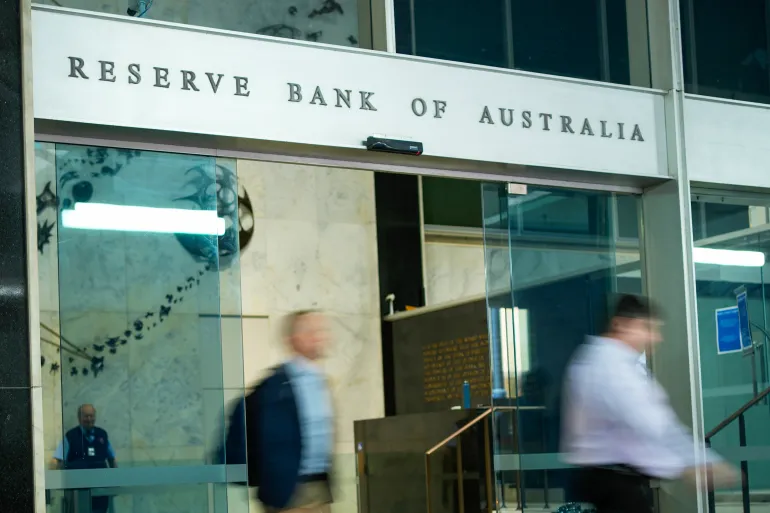
Darwin, October 4: Australia’s central bank has raised interest rates to their highest level in 15 years, increasing mortgage repayments for millions of Australian households….
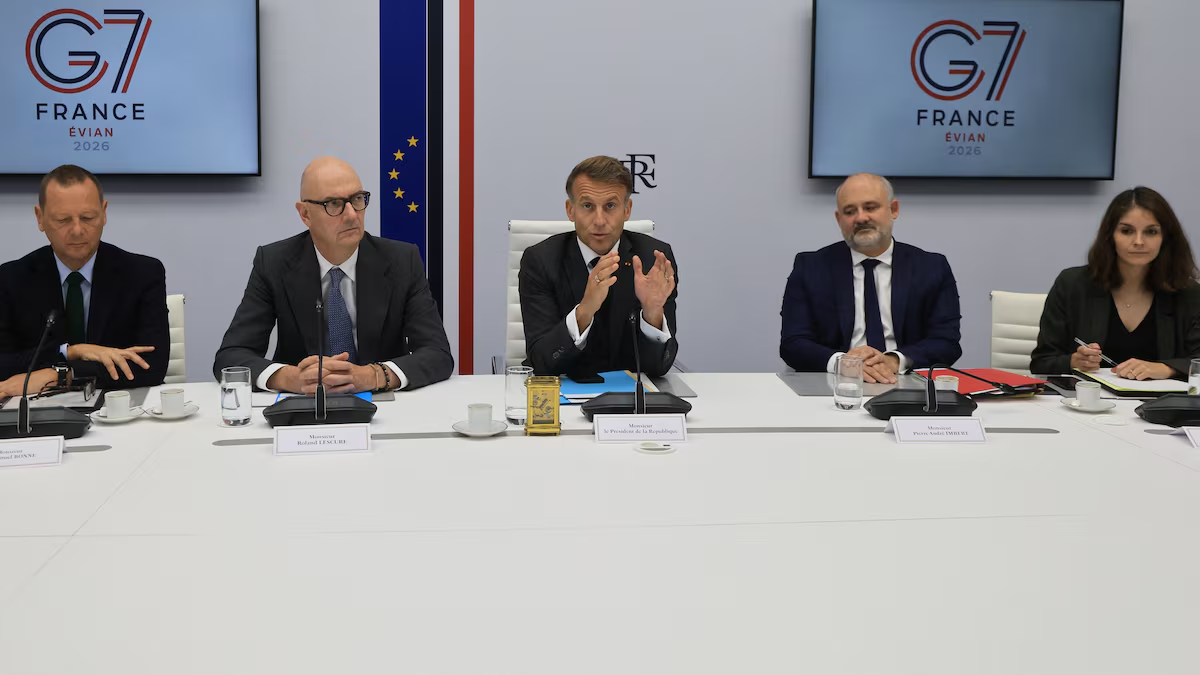
Darwin, October 3: Under pressure from US President Donald Trump to bring down rising fuel prices, G7 leaders are set to release up to 100…
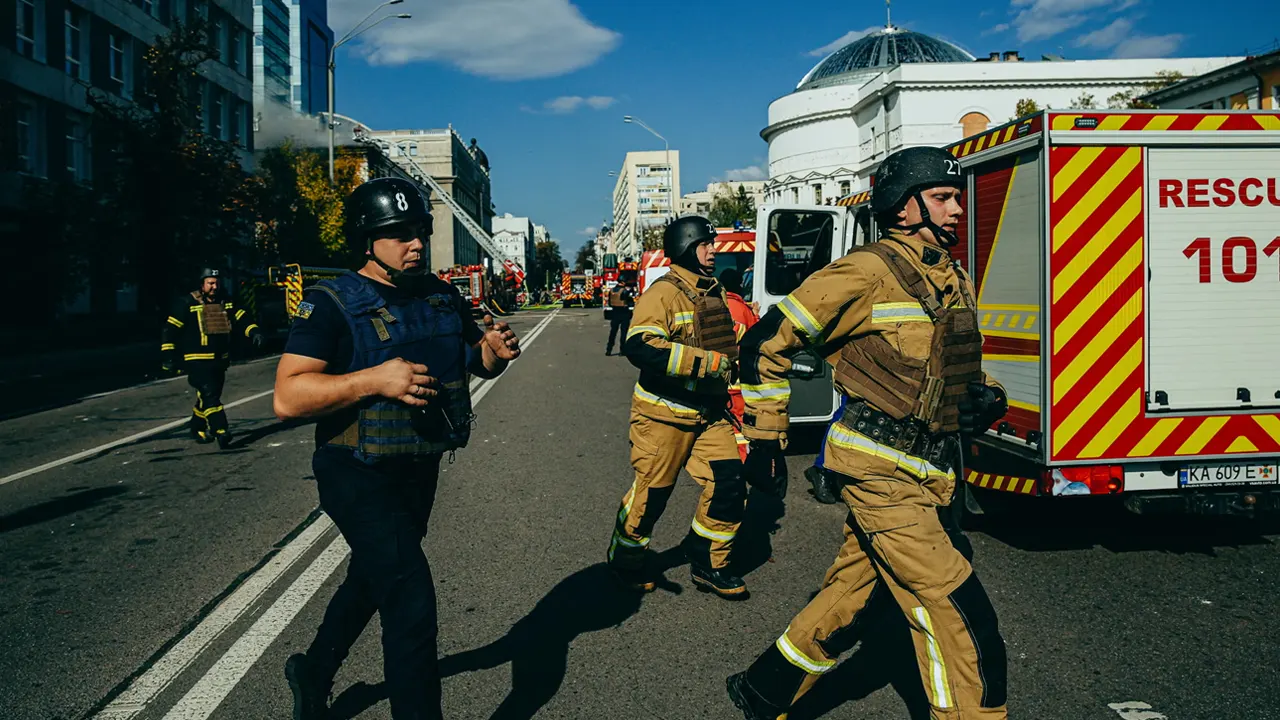
Darwin, October 3: Russia’s daily attacks are filling the lives of Kyiv residents with fear and uncertainty. From schools and hospitals to bridges, power plants…
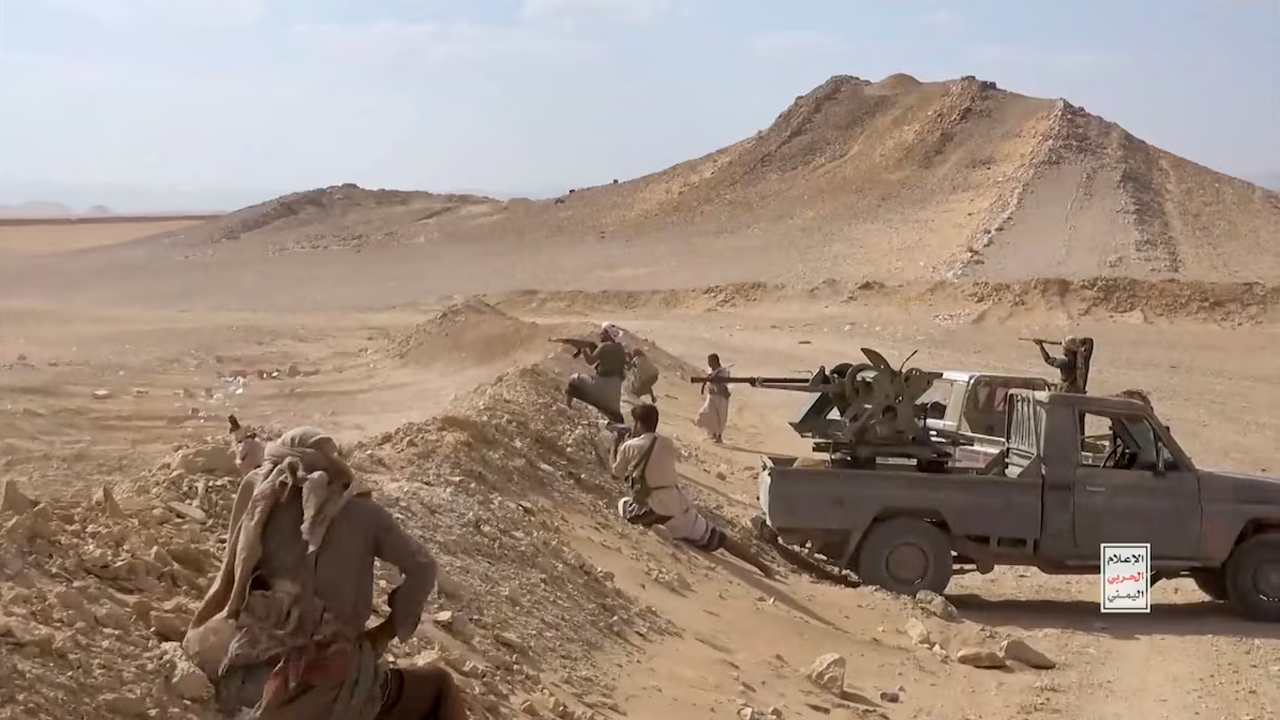
Darwin, October 3: At least 80 fighters have been killed over the past 24 hours in fierce fighting between Iran-backed Houthi rebels and Saudi-backed government…
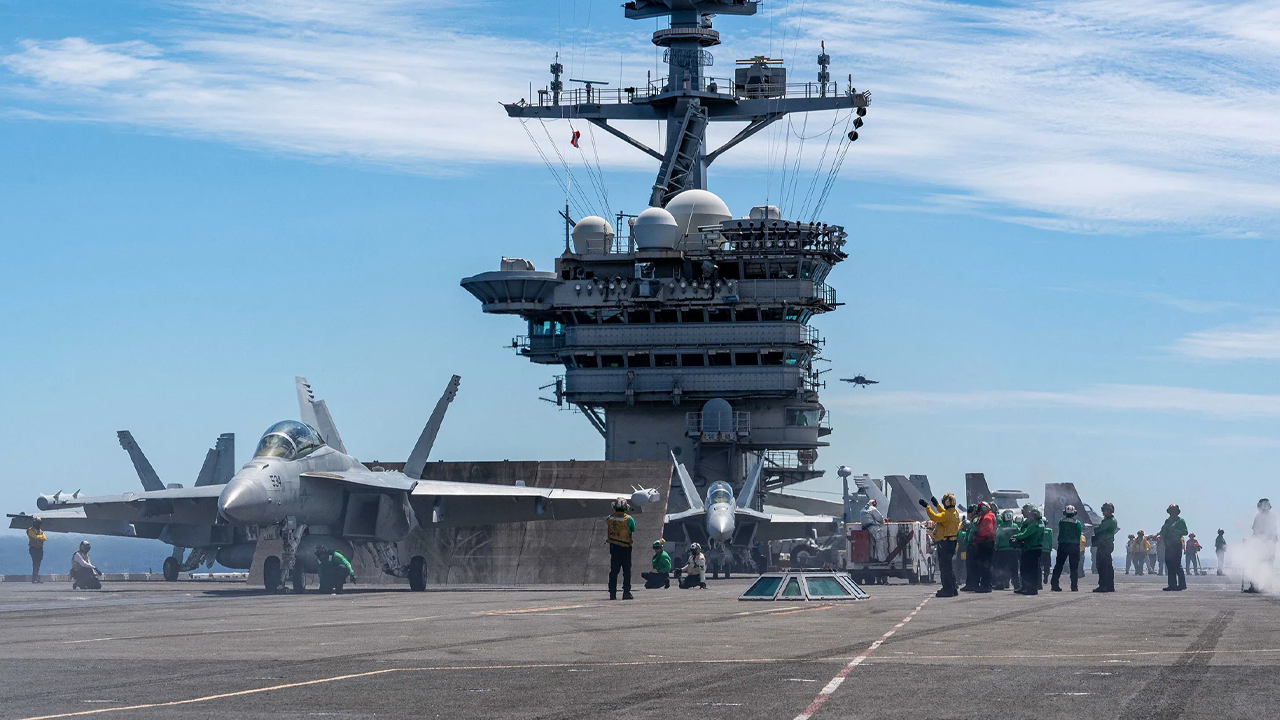
Darwin, October 3: As the Iran war enters its eighth month, the United States is sending a third aircraft carrier strike group to waters near…
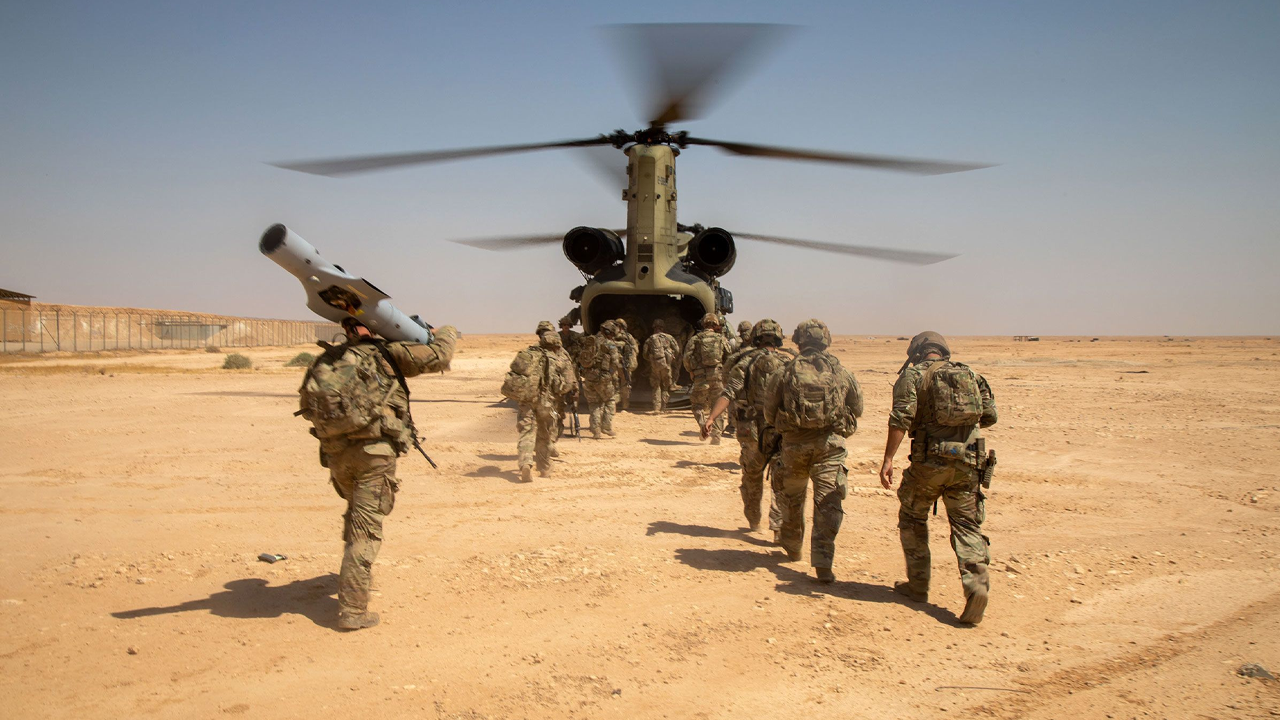
Darwin, September 30 : The United States is preparing to withdraw its military forces from Iraq after more than two decades of war and the…
Darwin, September 30: Russia has urged Iran not to withdraw from the Treaty on the Non-Proliferation of Nuclear Weapons (NPT), calling on Tehran to remain…