Ten Injured After Car Ploughs Into Rugby League Fans in Australia
Darwin, October 04: Ten people, including three children, have been injured after a car crashed into a crowd of rugby league fans in Newcastle, eastern…



DELHI: Russian President Vladimir Putin has begun a crucial two-day visit to India, where he will meet Prime Minister Narendra Modi for their annual summit. The visit, taking place amidst intensive US-led talks aimed at ending the Ukraine war, is vital for the Kremlin’s strategy to navigate Western sanctions and reinforce its global standing. For Moscow, the relationship with India is now a strategic necessity, driven by economics and geopolitics.
India, with its population of nearly 1.5 billion and status as the world’s fastest-growing major economy, represents a massive and highly attractive market for Russian goods and resources.
Prior to the 2022 invasion of Ukraine, Russian crude oil accounted for just 2.5% of India’s imports. That figure surged to 35% as India capitalized on sanctions-driven price discounts and Russia sought new markets after being cut off from Europe. Although US pressure has recently caused Indian orders for Russian oil to drop, Putin’s primary goal is to stabilize and increase these energy purchases.
Beyond oil, weapons sales remain a cornerstone of the historic relationship. Reports suggest India plans to purchase state-of-the-art Russian fighter jets and air defense systems, continuing a defense partnership that dates back to the Soviet era.
Beyond trade, the visit is a powerful geopolitical statement. By flying to Delhi just months after meeting China’s Xi Jinping, Putin aims to demonstrate that Western efforts to isolate Russia have failed. The image of the leaders of Russia, China, and India—all advocating for a “multi-polar world”—sends a clear signal that Moscow retains powerful allies.
The relationship is formally described by Moscow as a “special and privileged strategic partnership,” contrasting sharply with Russia’s increasingly strained ties with the European Union.
According to Novaya Gazeta columnist Andrei Kolesnikov, the Kremlin believes the West “totally failed” in its isolation attempts because Russia remains connected to “Asia and the Global South.” However, he also notes the loss of Russia’s historical connections to Europe is an “unprecedented” failure, one that a segment of Russia’s political class hopes to rectify eventually.
For now, however, the focus is squarely on the East, with this week’s agenda centered on strengthening the Russia-India friendship, securing new trade deals, and boosting economic cooperation between Moscow and Delhi.

Darwin, October 04: Ten people, including three children, have been injured after a car crashed into a crowd of rugby league fans in Newcastle, eastern…
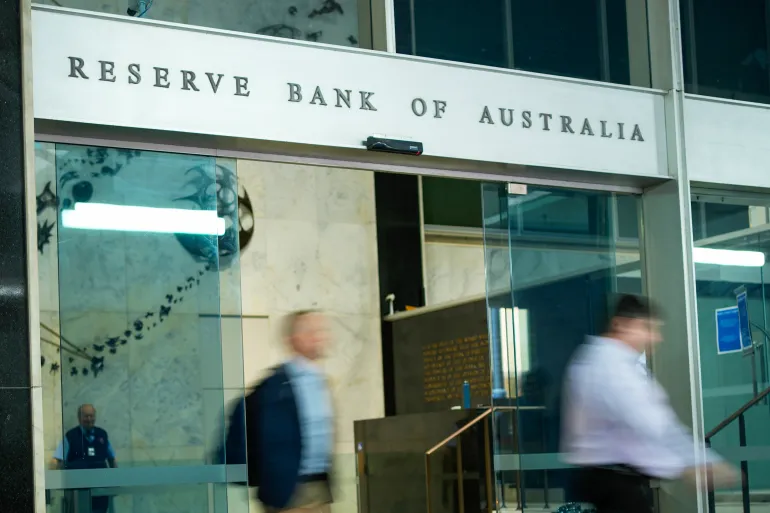
Darwin, October 4: Australia’s central bank has raised interest rates to their highest level in 15 years, increasing mortgage repayments for millions of Australian households….
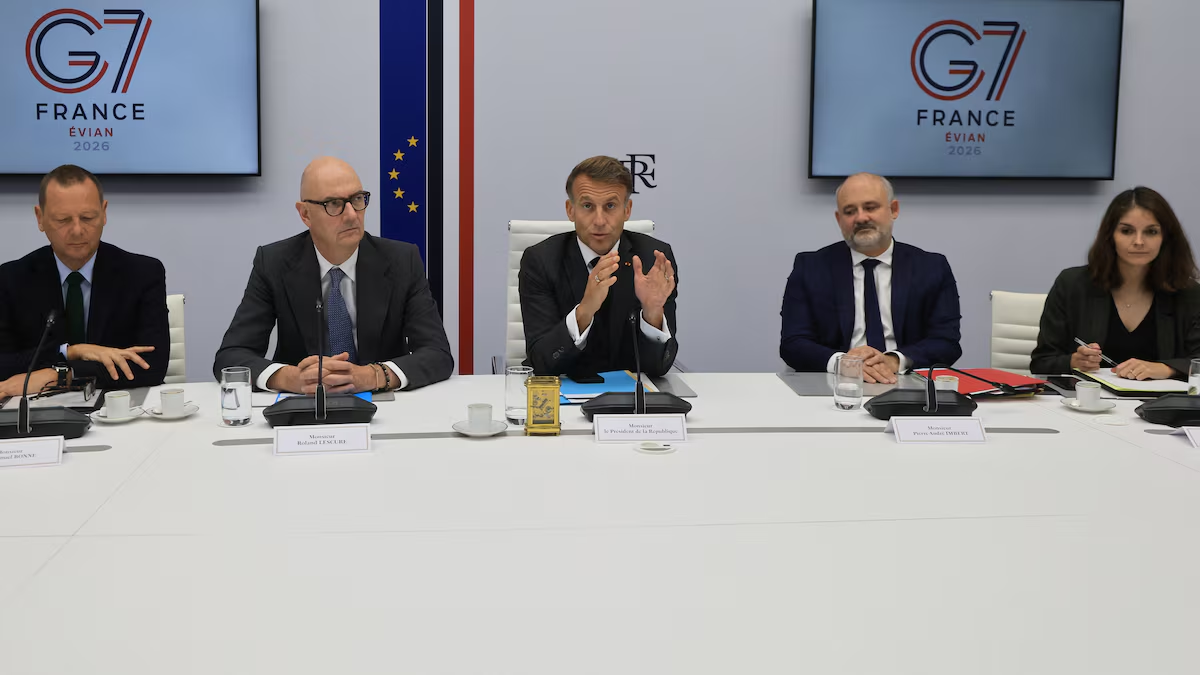
Darwin, October 3: Under pressure from US President Donald Trump to bring down rising fuel prices, G7 leaders are set to release up to 100…
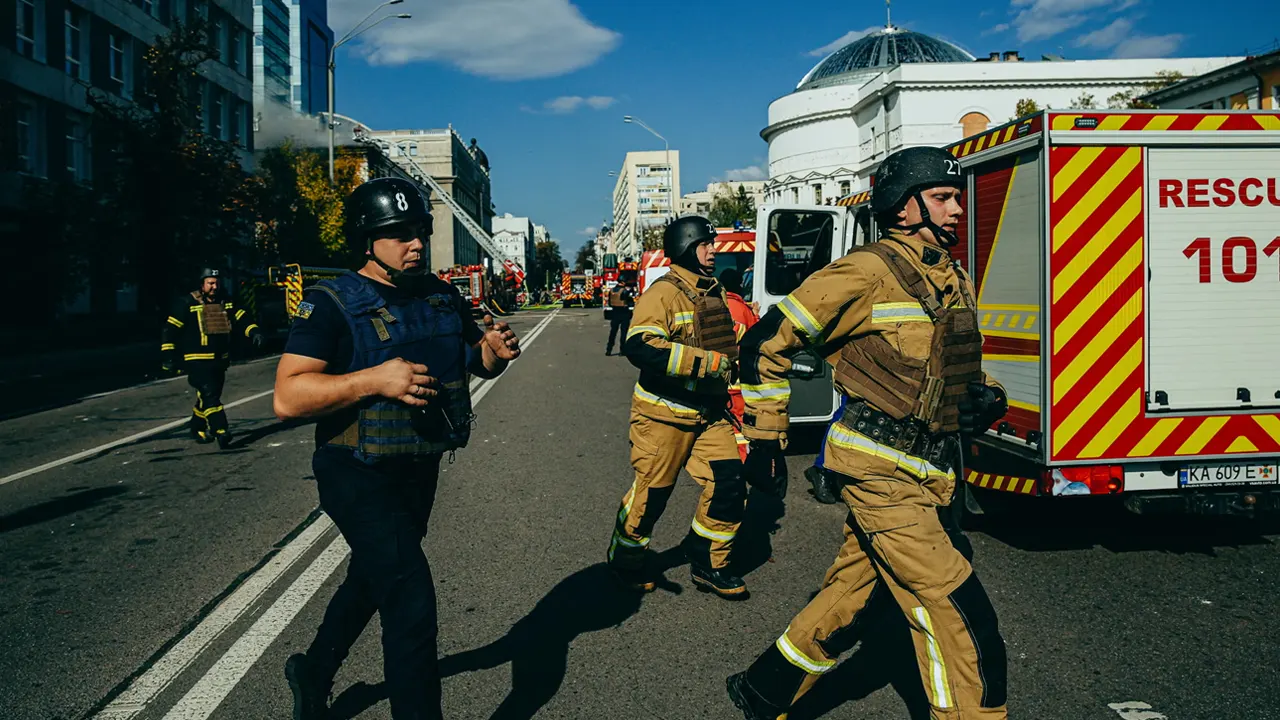
Darwin, October 3: Russia’s daily attacks are filling the lives of Kyiv residents with fear and uncertainty. From schools and hospitals to bridges, power plants…
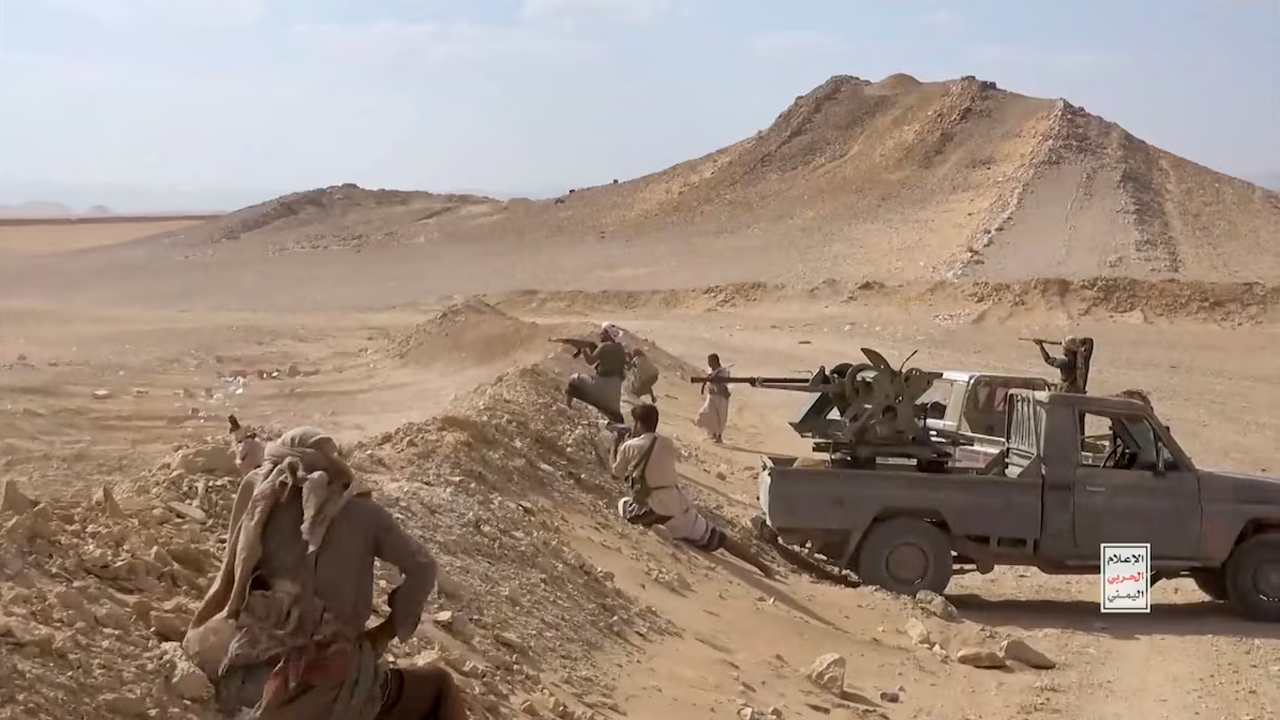
Darwin, October 3: At least 80 fighters have been killed over the past 24 hours in fierce fighting between Iran-backed Houthi rebels and Saudi-backed government…
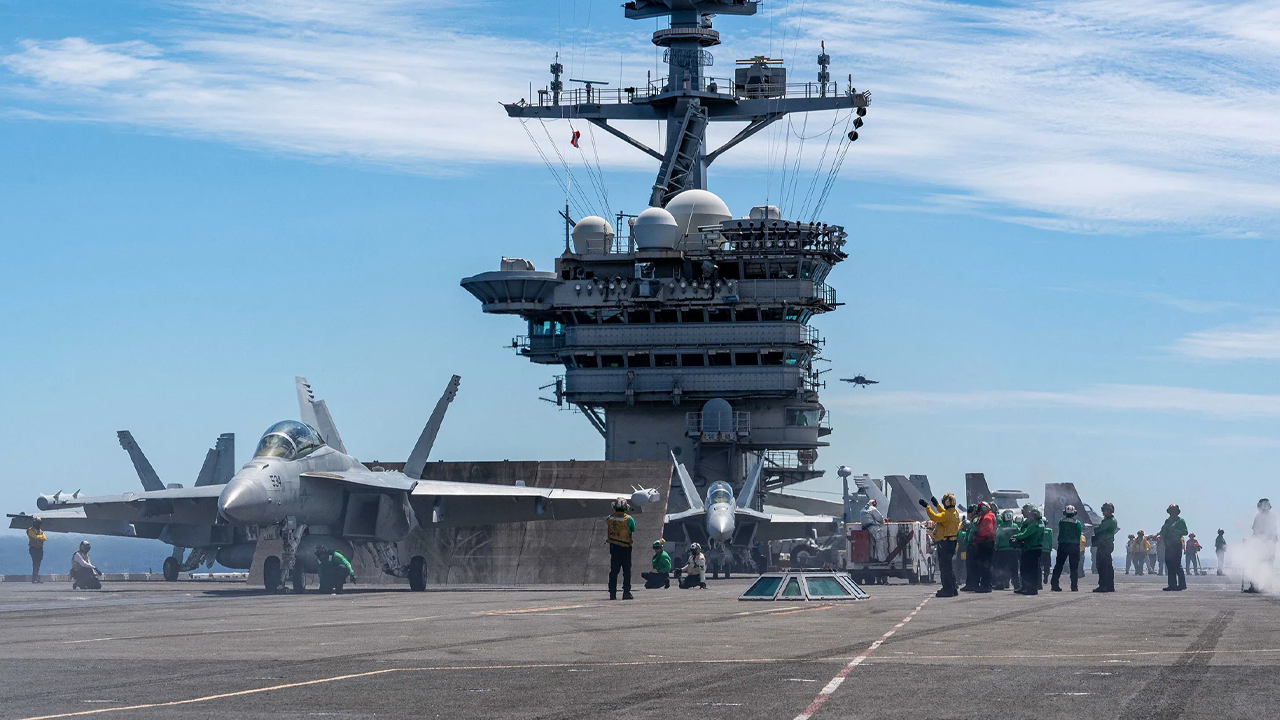
Darwin, October 3: As the Iran war enters its eighth month, the United States is sending a third aircraft carrier strike group to waters near…
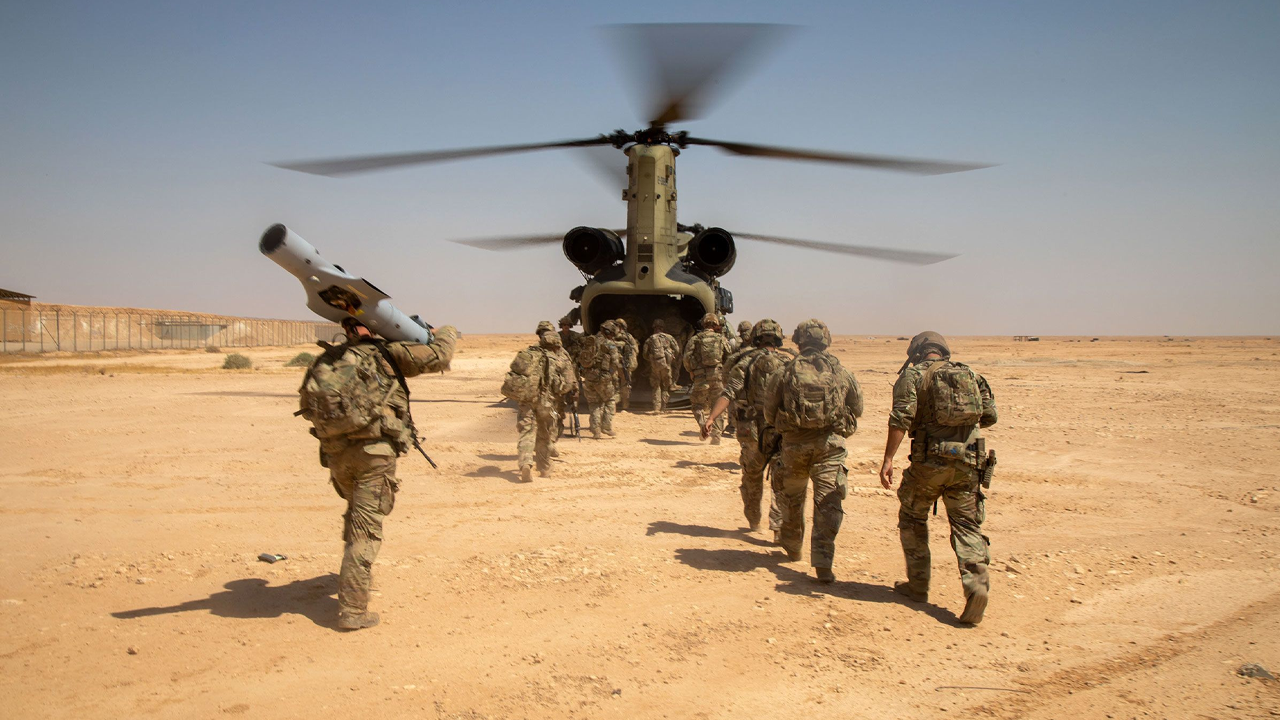
Darwin, September 30 : The United States is preparing to withdraw its military forces from Iraq after more than two decades of war and the…
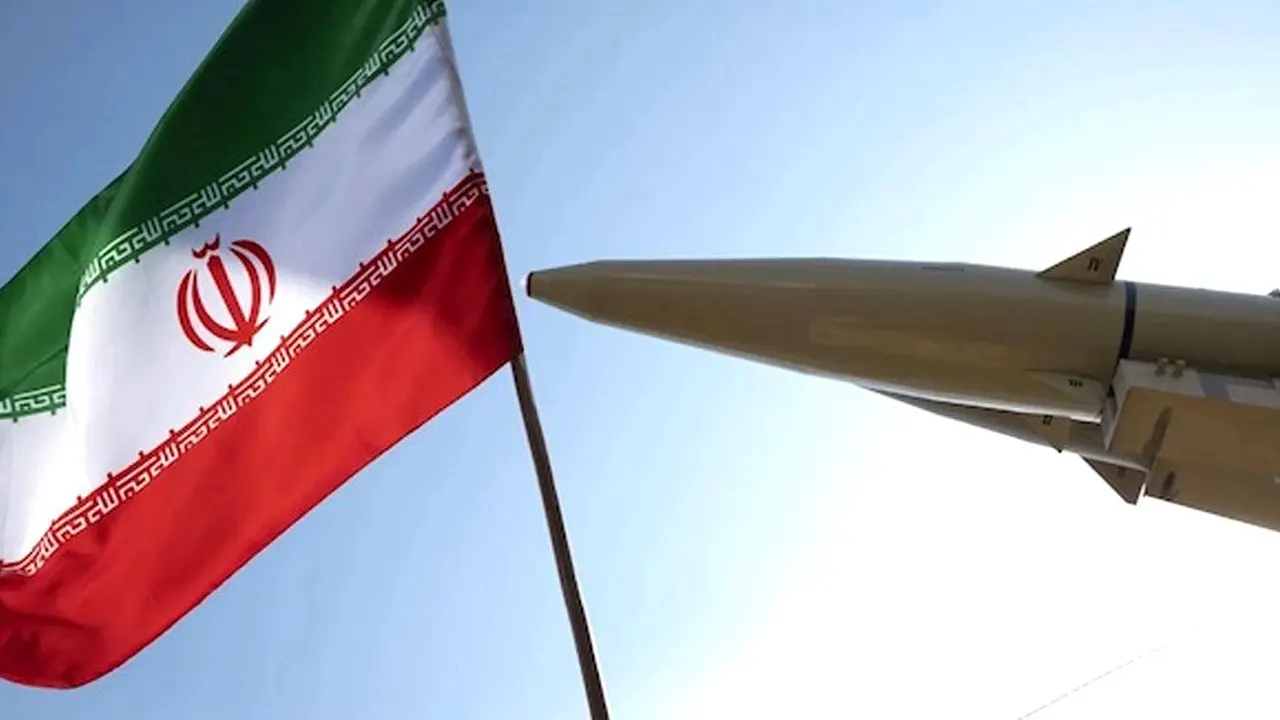
Darwin, September 30: Russia has urged Iran not to withdraw from the Treaty on the Non-Proliferation of Nuclear Weapons (NPT), calling on Tehran to remain…