Ten Injured After Car Ploughs Into Rugby League Fans in Australia
Darwin, October 04: Ten people, including three children, have been injured after a car crashed into a crowd of rugby league fans in Newcastle, eastern…



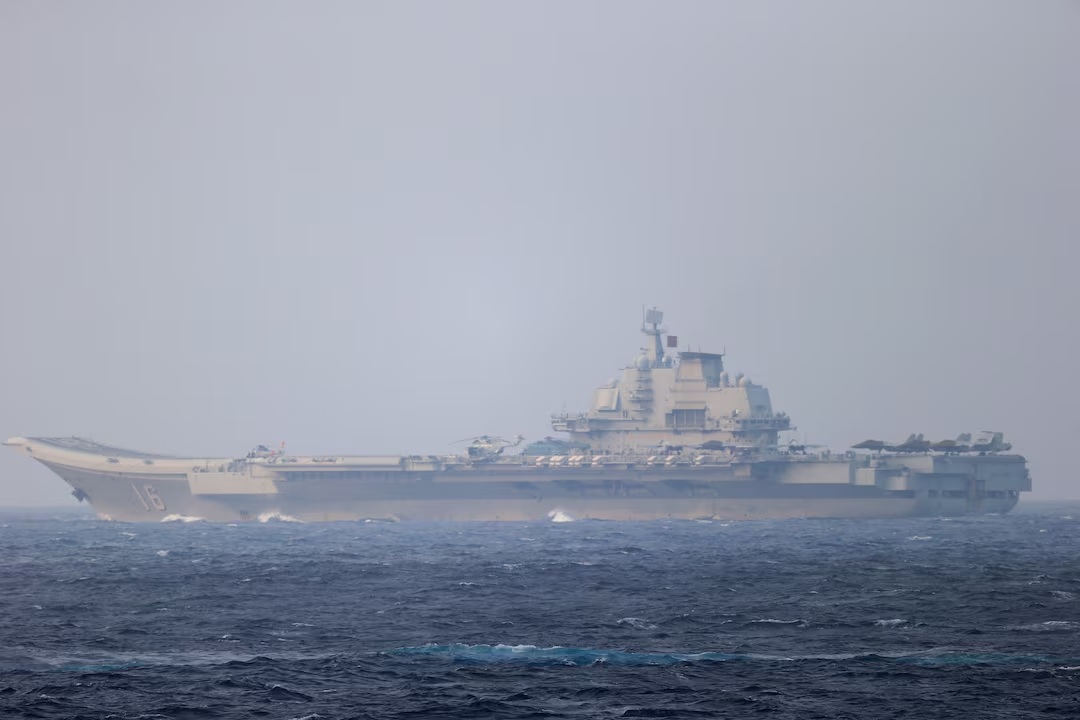
TOKYO: Tensions between East Asian neighbours China and Japan have intensified dramatically following a weekend of intense Chinese military activity near Japan’s southwest island chain, culminating in a formal diplomatic protest over a dangerous radar incident.
On Sunday, Tokyo summoned China’s ambassador, Wu Jianghao, to protest behavior it labeled “dangerous and regrettable,” after claiming fighter jets from the Chinese Liaoning aircraft carrier aimed radar beams at Japanese aircraft scrambled to monitor the vessel. Illuminating a surveillance aircraft with target-acquisition radar is widely considered an aggressive act, signaling a potential attack and forcing the targeted plane to take evasive action.
The encounters occurred as China’s Liaoning carrier strike group—escorted by three missile-destroyers—sailed east into the Pacific Ocean past the sensitive Okinawa Islands. Over the weekend, the carrier conducted approximately 100 take-offs and landings, according to Japan’s Self-Defense Forces.
Chief Cabinet Secretary Minoru Kihara firmly rejected China’s counter-claim that Japanese aircraft had obstructed safe flight operations. “Japan will respond calmly but firmly and continue to monitor the movements of Chinese forces in the waters around our country,” Kihara told a press briefing.
The Chinese embassy issued a stark statement, denying Tokyo’s claims and demanding that Japan “stop smearing and slandering, strictly restrain its frontline actions, and prevent similar incidents from happening again.”
This escalation follows a warning last month from Japanese Prime Minister Sanae Takaichi, who stated that Tokyo could respond to any Chinese military action against Taiwan that simultaneously threatens Japan’s security. The critical location of Taiwan, just 110 km (70 miles) from Japan’s westernmost island, links the island’s security directly to Tokyo’s defense strategy.

Darwin, October 04: Ten people, including three children, have been injured after a car crashed into a crowd of rugby league fans in Newcastle, eastern…

Darwin, October 4: Australia’s central bank has raised interest rates to their highest level in 15 years, increasing mortgage repayments for millions of Australian households….

Darwin, October 3: Under pressure from US President Donald Trump to bring down rising fuel prices, G7 leaders are set to release up to 100…
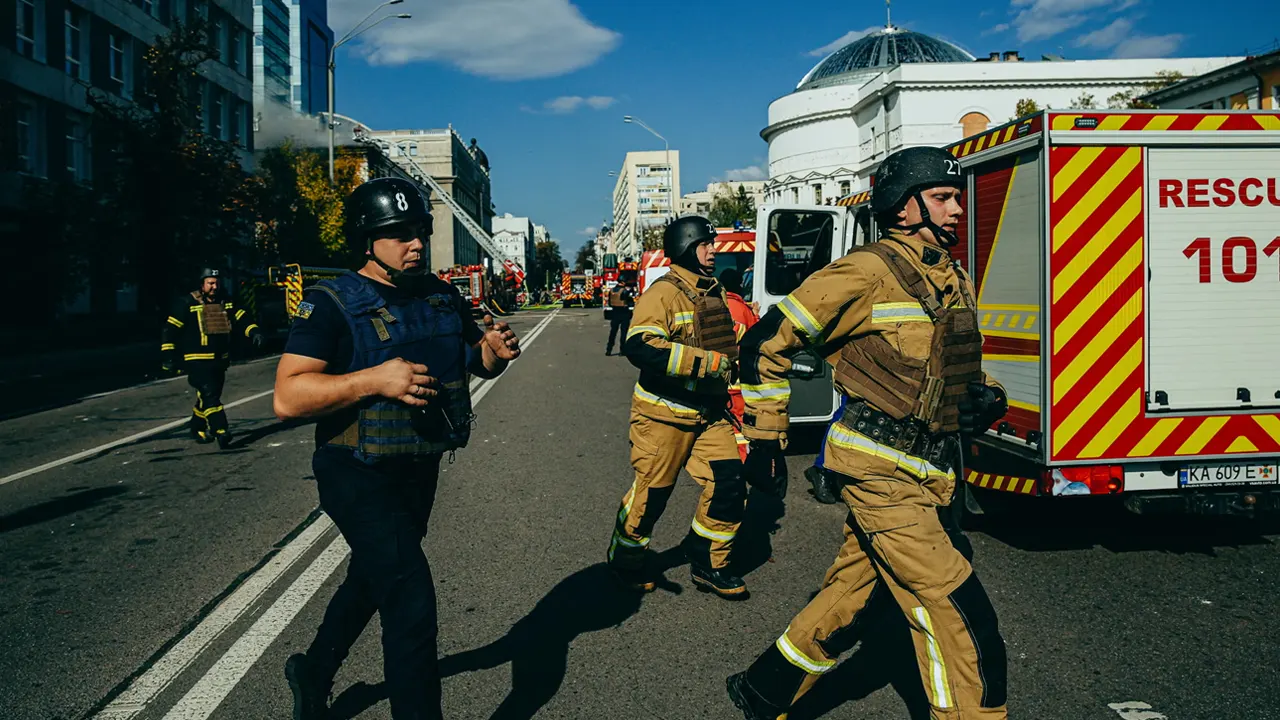
Darwin, October 3: Russia’s daily attacks are filling the lives of Kyiv residents with fear and uncertainty. From schools and hospitals to bridges, power plants…
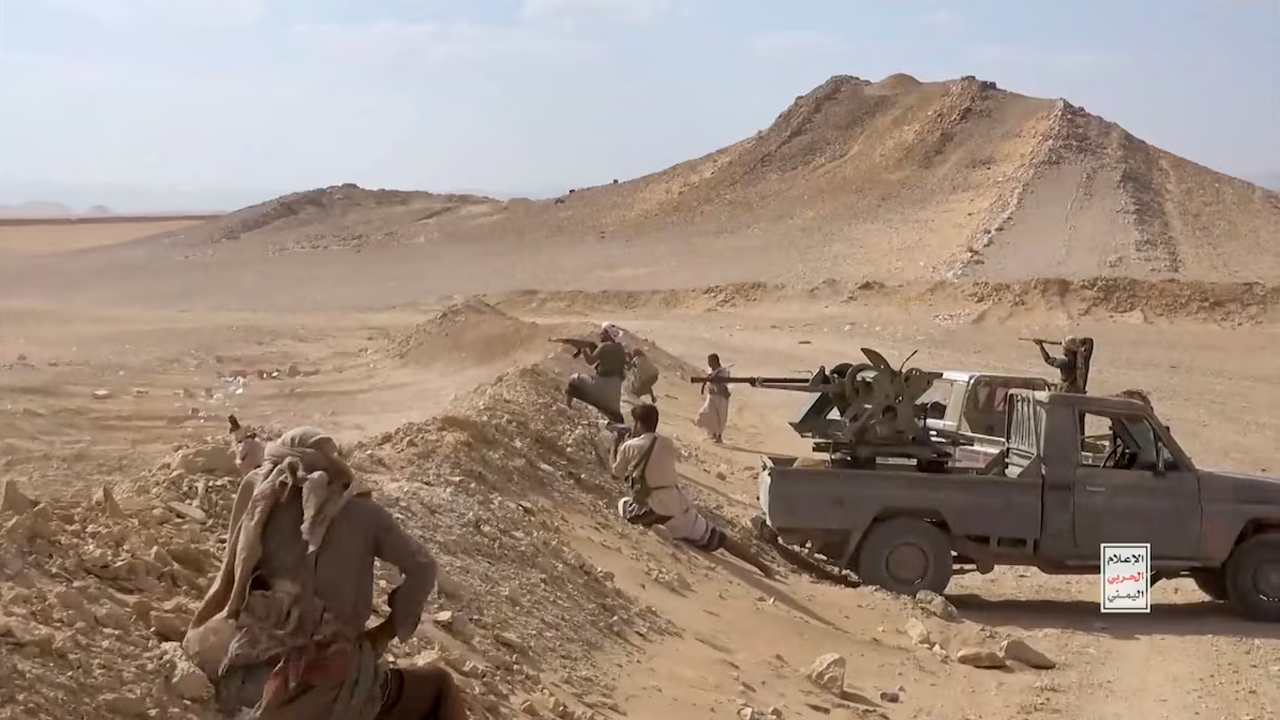
Darwin, October 3: At least 80 fighters have been killed over the past 24 hours in fierce fighting between Iran-backed Houthi rebels and Saudi-backed government…
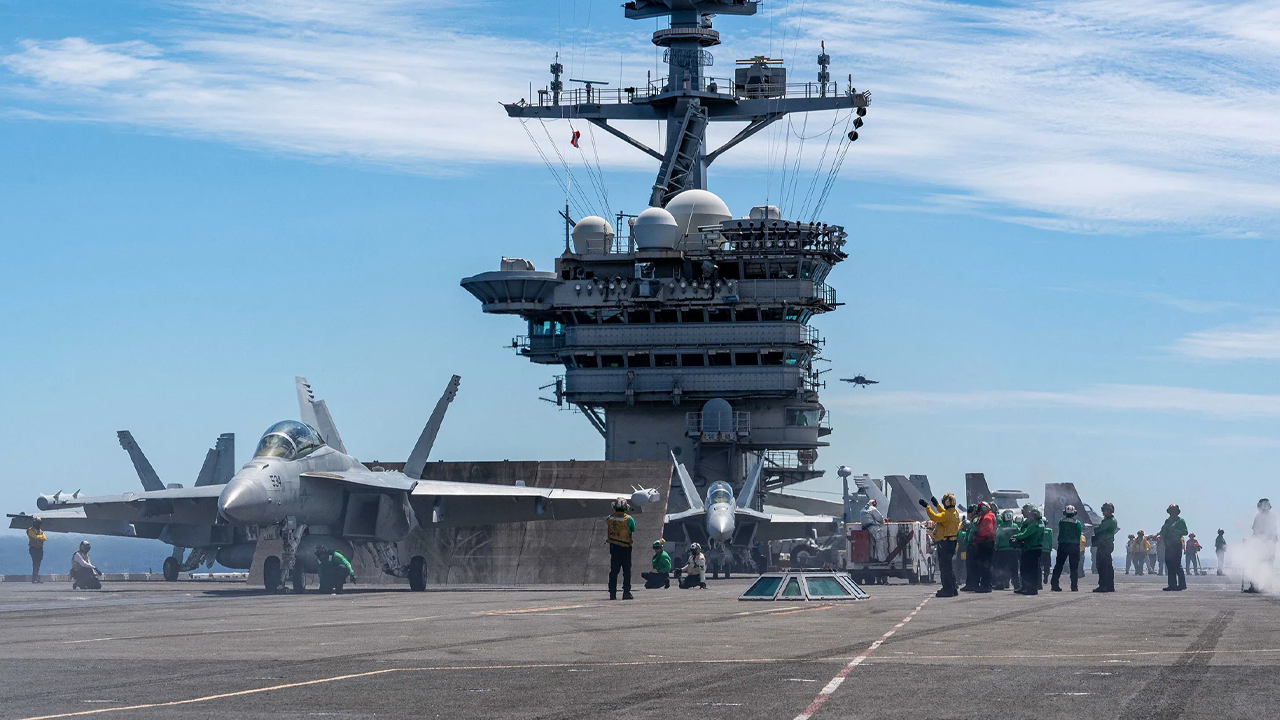
Darwin, October 3: As the Iran war enters its eighth month, the United States is sending a third aircraft carrier strike group to waters near…
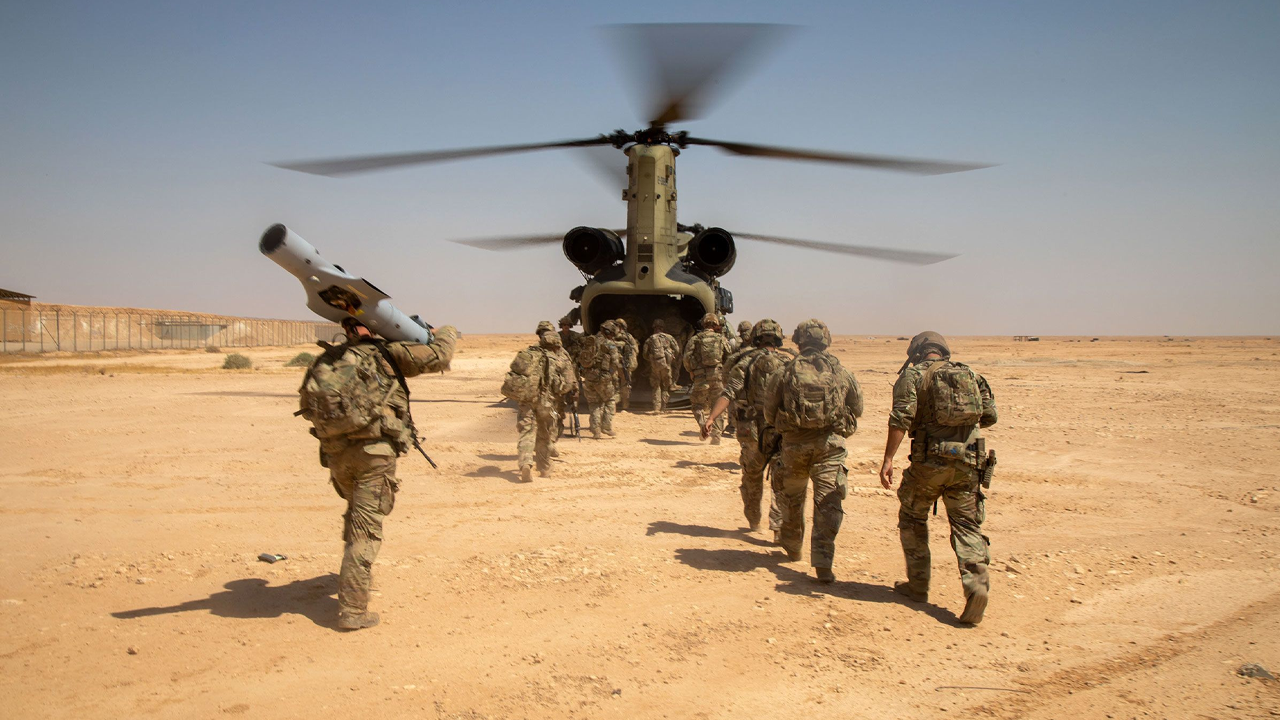
Darwin, September 30 : The United States is preparing to withdraw its military forces from Iraq after more than two decades of war and the…
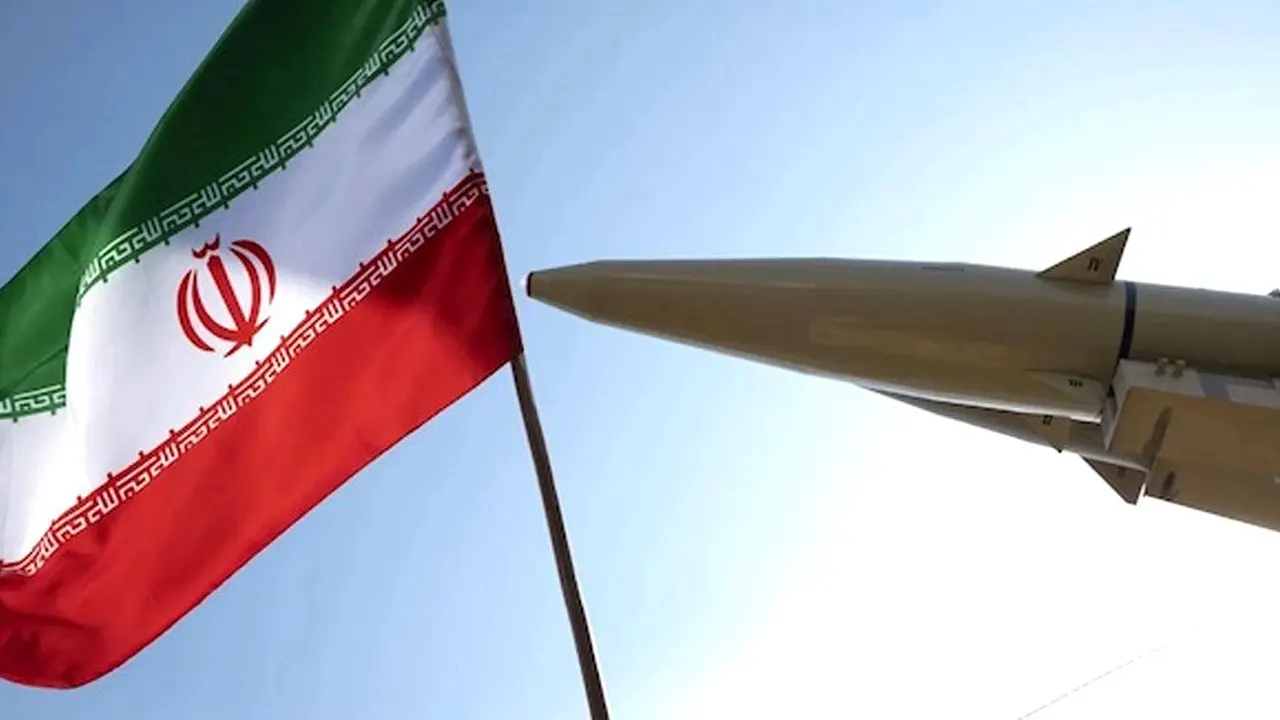
Darwin, September 30: Russia has urged Iran not to withdraw from the Treaty on the Non-Proliferation of Nuclear Weapons (NPT), calling on Tehran to remain…