Ten Injured After Car Ploughs Into Rugby League Fans in Australia
Darwin, October 04: Ten people, including three children, have been injured after a car crashed into a crowd of rugby league fans in Newcastle, eastern…



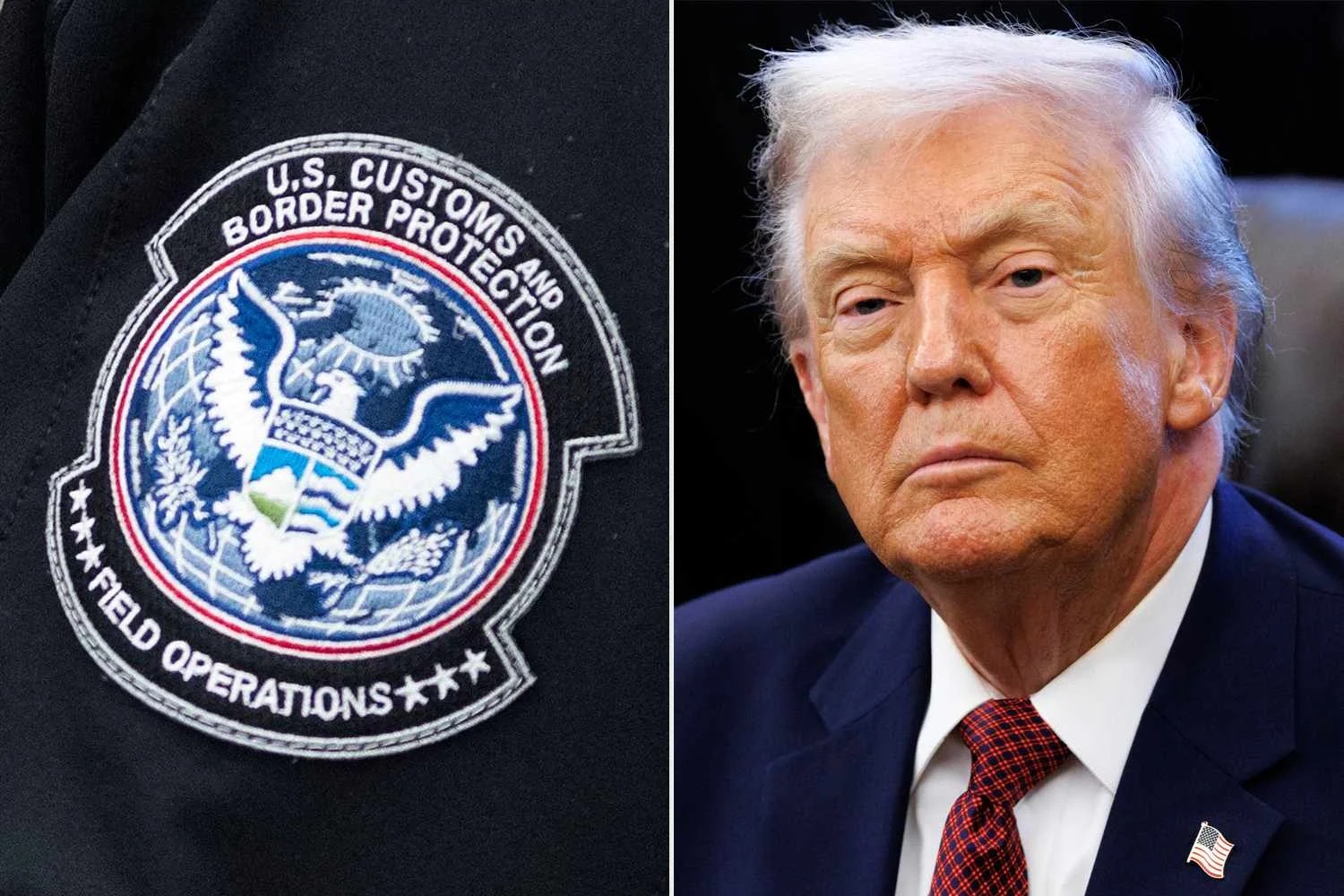
WASHINGTON D.C.: The US Department of Homeland Security (DHS) has formally filed a proposal in the Federal Register to require citizens of allied nations using the Visa Waiver Program (VWP) to submit five years of social media history as part of their travel authorization process.
The move, executed through Customs and Border Protection (CBP) on the Electronic System for Travel Authorization (ESTA) form, marks a significant escalation of the administration’s “extreme vetting” policies, extending what were primarily visa requirements to general tourists.
The proposal directly cites an executive order signed by President Donald Trump in January, titled: “Protecting the United States From Foreign Terrorists and Other National Security and Public Safety Threats.”
The objective, as stated by the administration, is to enhance security by screening for individuals who “advocate for, aid, or support designated foreign terrorists and other threats to national security.” President Trump underlined this stance, stating, “We just want people to come over here, and safe. We want safety. We want security.”
The new ESTA requirement mirrors and expands on existing policies for other foreign nationals. The State Department previously announced that applicants for student visas or skilled worker (H1B) visas must list all social media usernames used in the last five years and, crucially, set their privacy settings to “public” to facilitate screening. Failure to list required information or comply with privacy setting adjustments is warned as a potential ground for visa denial.
A senior State Department official underscored the policy’s rationale, calling it an “expectation from American citizens that their government will make every effort to make our country safer.”
This initiative to toughen borders is part of a broader security strategy, which also includes the recent announcement that an existing travel ban—currently affecting 19 countries in Africa, the Middle East, and the Caribbean—could soon be expanded to additional high-risk nations.
The public has a 60-day period to comment on the proposal before the DHS and CBP finalize the stringent new vetting requirements for ESTA.

Darwin, October 04: Ten people, including three children, have been injured after a car crashed into a crowd of rugby league fans in Newcastle, eastern…

Darwin, October 4: Australia’s central bank has raised interest rates to their highest level in 15 years, increasing mortgage repayments for millions of Australian households….

Darwin, October 3: Under pressure from US President Donald Trump to bring down rising fuel prices, G7 leaders are set to release up to 100…

Darwin, October 3: Russia’s daily attacks are filling the lives of Kyiv residents with fear and uncertainty. From schools and hospitals to bridges, power plants…
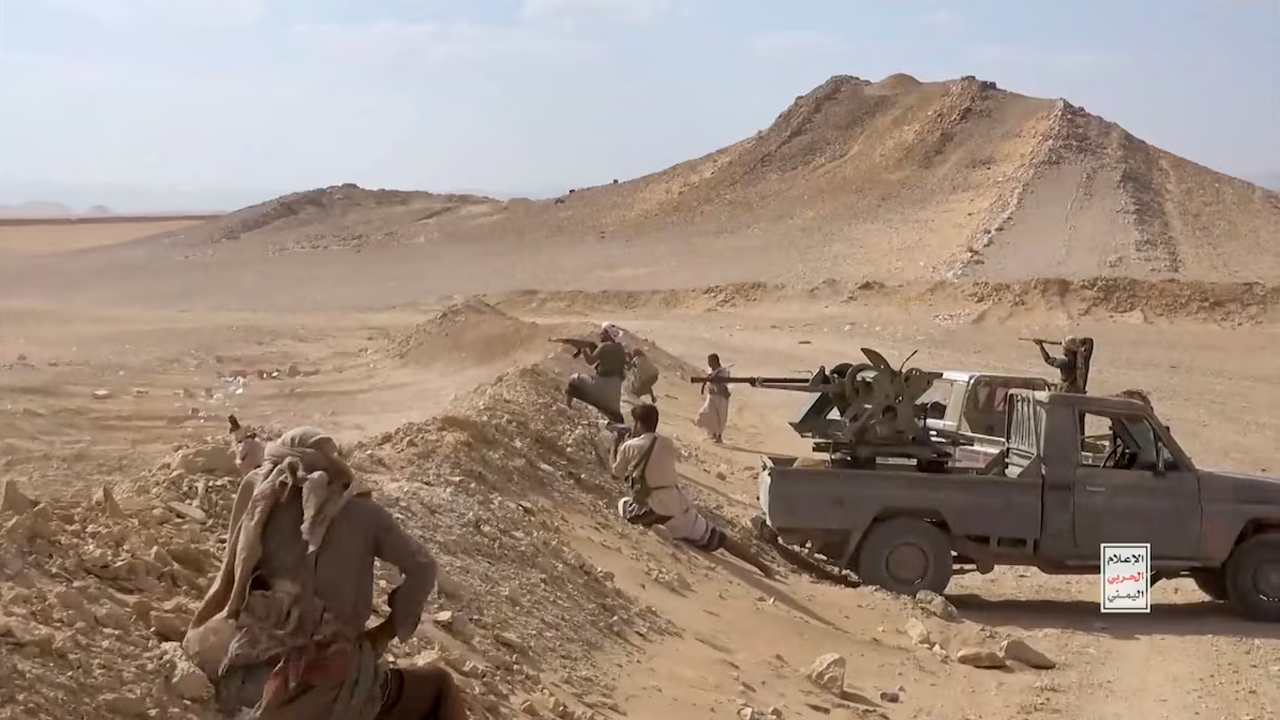
Darwin, October 3: At least 80 fighters have been killed over the past 24 hours in fierce fighting between Iran-backed Houthi rebels and Saudi-backed government…
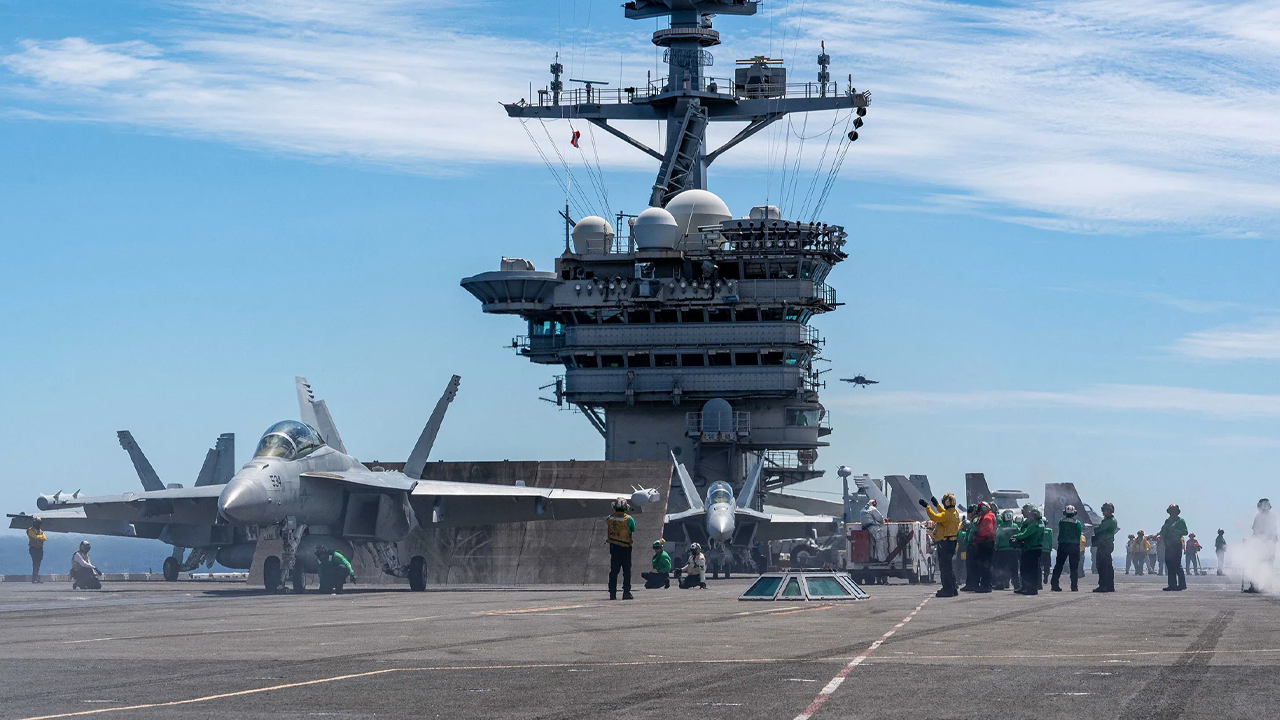
Darwin, October 3: As the Iran war enters its eighth month, the United States is sending a third aircraft carrier strike group to waters near…

Darwin, September 30 : The United States is preparing to withdraw its military forces from Iraq after more than two decades of war and the…

Darwin, September 30: Russia has urged Iran not to withdraw from the Treaty on the Non-Proliferation of Nuclear Weapons (NPT), calling on Tehran to remain…