Ten Injured After Car Ploughs Into Rugby League Fans in Australia
Darwin, October 04: Ten people, including three children, have been injured after a car crashed into a crowd of rugby league fans in Newcastle, eastern…



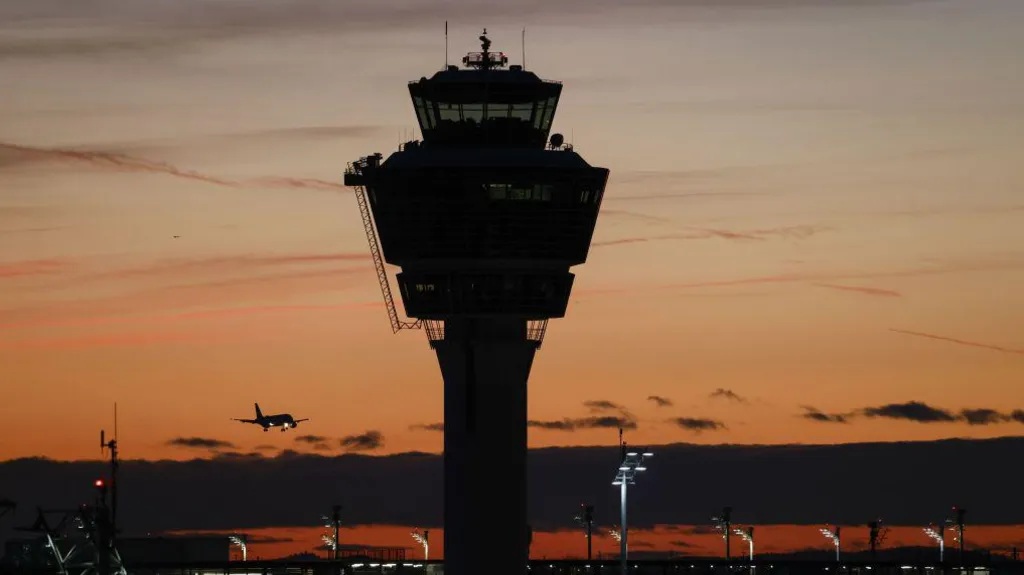
BERLIN — Relations between Germany and Russia have hit a new low after Berlin’s foreign ministry formally accused Moscow of a cyber-attack on air traffic control and a systematic effort to interfere in its federal election earlier this year. The accusations have led to the summoning of the Russian ambassador and a promise of coordinated European counter-measures.
Germany has emerged as one of Ukraine’s most vocal and powerful supporters since the 2022 invasion, and the latest incident confirms the Kremlin is directly targeting nations providing aid to Kyiv.
A foreign ministry spokesman confirmed that Russian military intelligence, the GRU, was responsible for a cyber-attack in August 2024 that penetrated the office communication of the German air navigation service. While officials stated that flight operations were not compromised, the attack on a critical national service marks a severe escalation in hybrid warfare.
Furthermore, German security agencies confirmed a widespread disinformation campaign, “Storm 1516,” was orchestrated by Moscow to “influence and destabilise” the federal election. The campaign deployed fake videos alleging ballot manipulation and specifically targeted key political figures, including Chancellor Friedrich Merz. Merz himself has previously accused Russia of cyber warfare against his country and is a strong advocate for using frozen Russian assets to protect Ukraine.
The German government emphasized that its response would be implemented in “close co-ordination with its European partners,” vowing to make Russia “pay a price for its hybrid actions.”
This is part of a broader European effort to expose and combat Russian meddling. Both the UK and Romania have recently accused Russia of interference, including targeting organizations that deliver foreign assistance to Ukraine and their own domestic elections.
While Moscow has previously denied all such allegations, the Tiergarten Park murder of an ethnic Chechen by a Russian national in 2019—which German prosecutors suspected was ordered by Russia’s state security agency—demonstrates that the strain in Berlin-Moscow relations predates the invasion of Ukraine.
The summoning of the ambassador signals that the German government is treating these latest accusations of cyber warfare and electoral interference as a top-level diplomatic and security priority.

Darwin, October 04: Ten people, including three children, have been injured after a car crashed into a crowd of rugby league fans in Newcastle, eastern…

Darwin, October 4: Australia’s central bank has raised interest rates to their highest level in 15 years, increasing mortgage repayments for millions of Australian households….
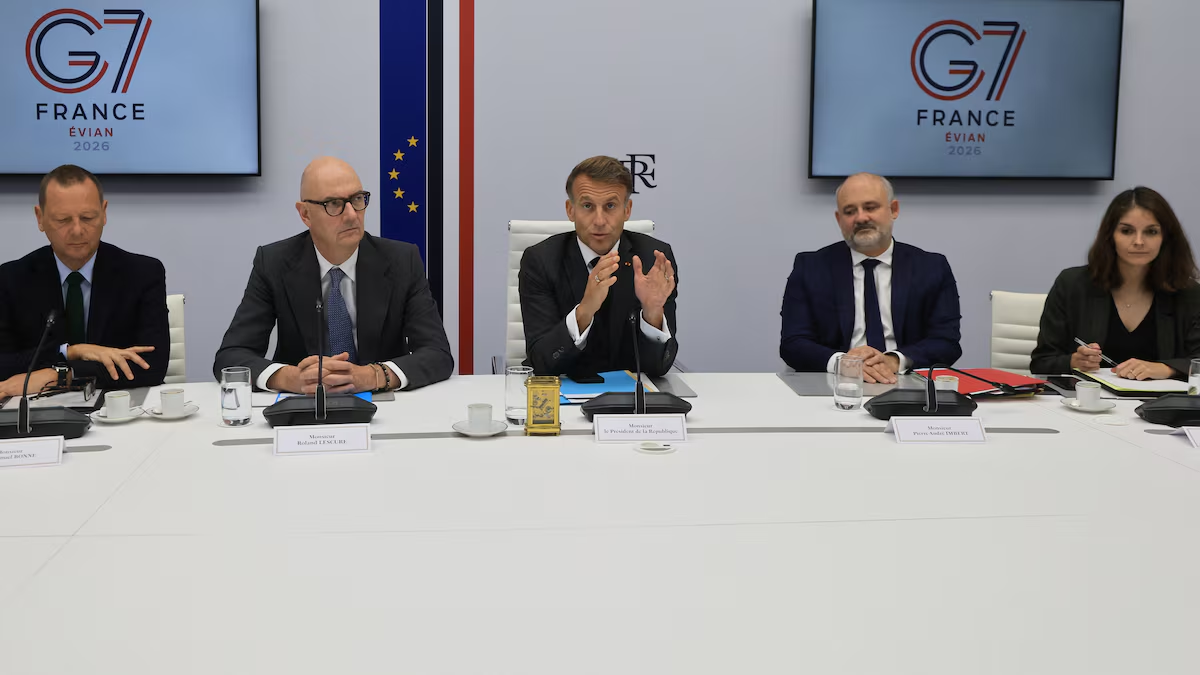
Darwin, October 3: Under pressure from US President Donald Trump to bring down rising fuel prices, G7 leaders are set to release up to 100…

Darwin, October 3: Russia’s daily attacks are filling the lives of Kyiv residents with fear and uncertainty. From schools and hospitals to bridges, power plants…

Darwin, October 3: At least 80 fighters have been killed over the past 24 hours in fierce fighting between Iran-backed Houthi rebels and Saudi-backed government…
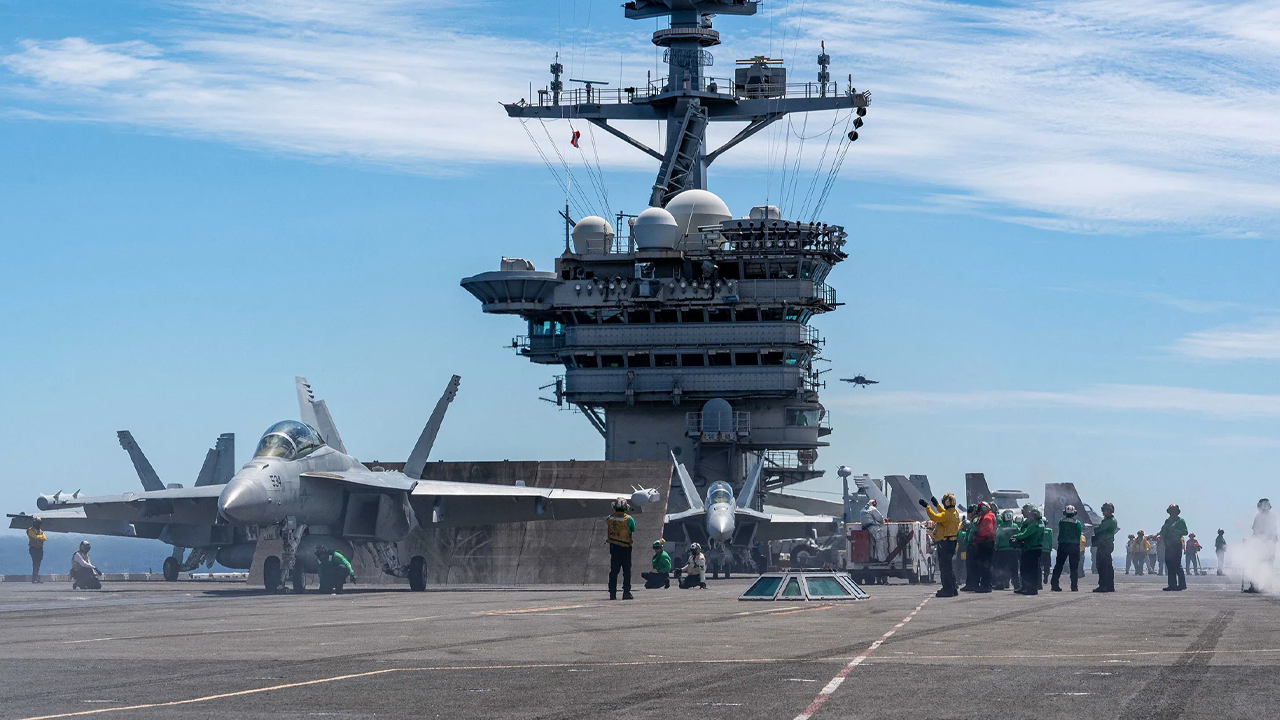
Darwin, October 3: As the Iran war enters its eighth month, the United States is sending a third aircraft carrier strike group to waters near…
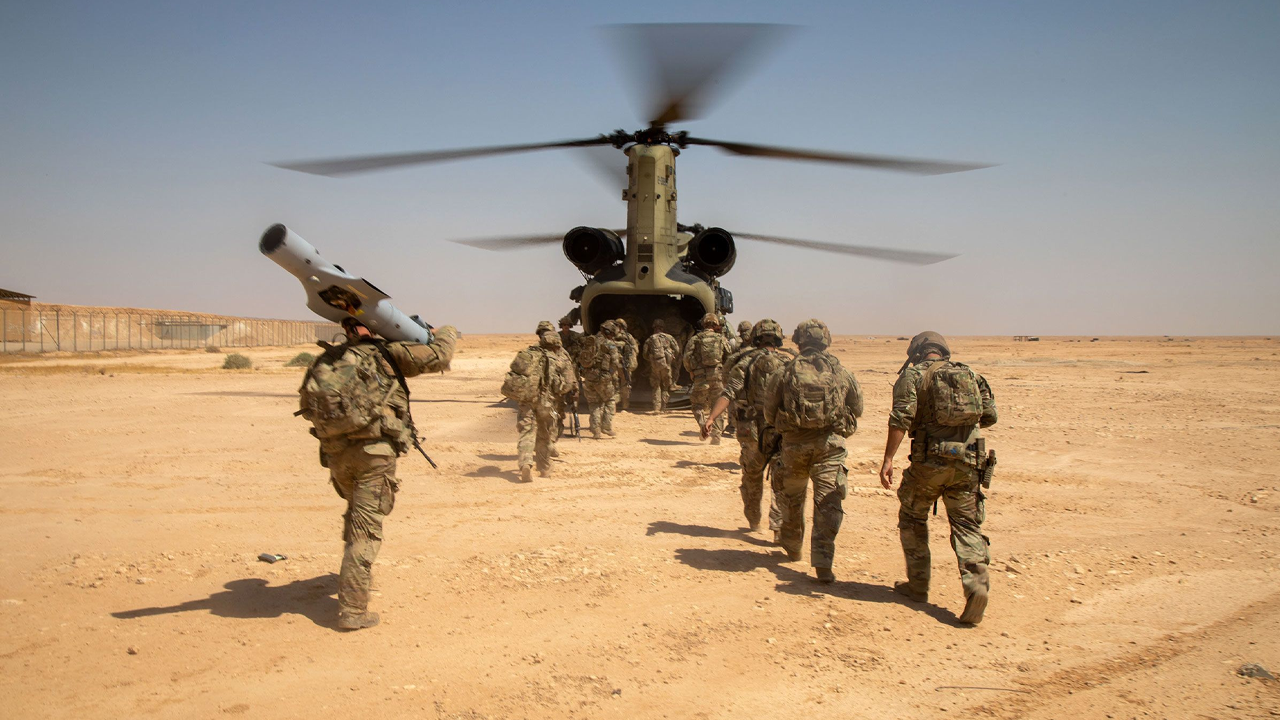
Darwin, September 30 : The United States is preparing to withdraw its military forces from Iraq after more than two decades of war and the…
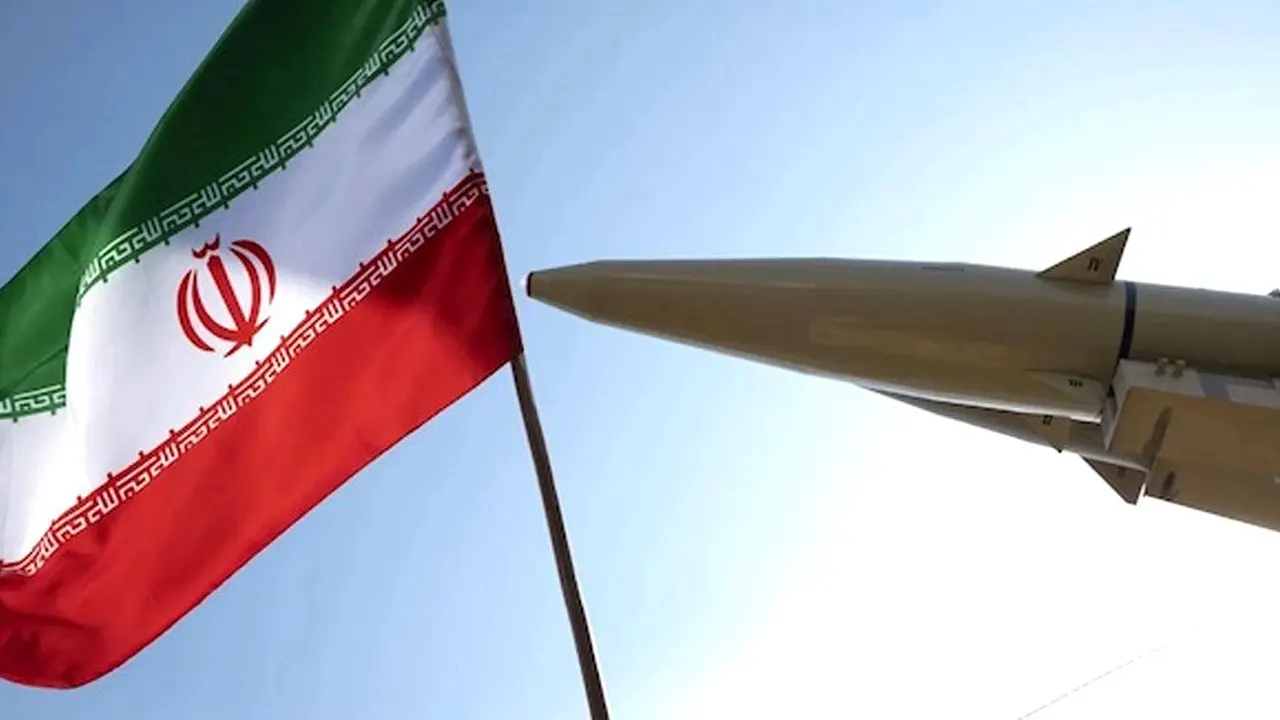
Darwin, September 30: Russia has urged Iran not to withdraw from the Treaty on the Non-Proliferation of Nuclear Weapons (NPT), calling on Tehran to remain…