Saudi Crown Prince ‘Shuttles Between Palaces’ Amid Houthi Attacks: Report
Darwin, October 13: Saudi Crown Prince Mohammed bin Salman has reportedly been moving from one palace to another amid growing security concerns as Yemen’s Houthi…



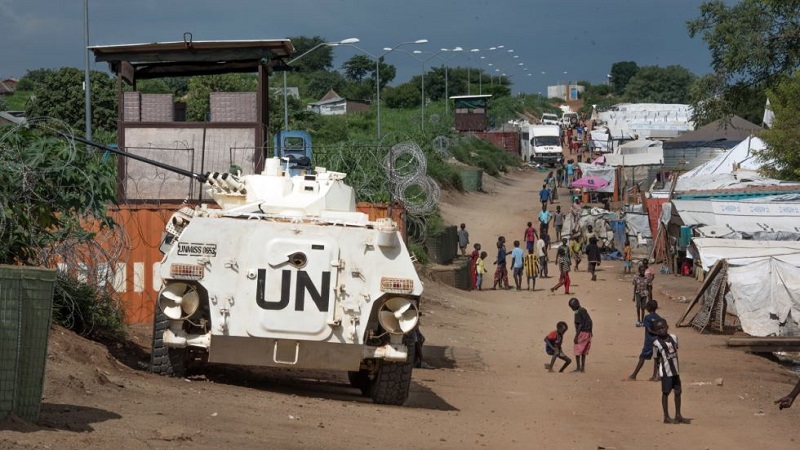
Darwin, 14 December: Six Bangladeshi peacekeepers have been killed and eight others injured in a terrorist attack on a United Nations base in the Abyei area of Sudan.
The information was confirmed on Saturday in a statement signed by Lieutenant Colonel Sami-ud-Daula Chowdhury, Director of the Inter-Services Public Relations (ISPR).
According to ISPR, terrorists attacked a UN base in Abyei, resulting in the deaths of six Bangladeshi Army peacekeepers and injuries to eight others. Fighting between the terrorists and peacekeepers is still ongoing in the area.
Meanwhile, in a verified Facebook post, the Bangladesh Army stated that the concerned authorities are making all-out efforts to ensure the necessary medical treatment and evacuation of the injured peacekeepers. Further details about the situation will be provided in due course.
The Abyei area is a disputed border region between Sudan and South Sudan.
Located in the southern part of northern Sudan and the northern part of South Sudan, the area is economically significant due to its rich oil resources.
Historically, the Dinka Ngok community of South Sudan has lived in the area, while the Misseriya nomadic community of Sudan has long used it as seasonal grazing land. Disputes over the region have persisted between the two countries.
Ethnic, religious, and political differences between northern and southern Sudan previously led to two civil wars. The first began in 1955 and lasted until 1972, while the second started in 1983 and ended in 2005.
Under the Comprehensive Peace Agreement signed in 2005 between the Sudanese government and southern rebel movements, a referendum was proposed for the people of Abyei to determine whether they would join Sudan or South Sudan. However, due to political disagreements, security concerns, and disputes over the voter list, the referendum has never taken place. As a result, Abyei has effectively remained an unresolved territory.
Although South Sudan gained independence in 2011, disputes over borders and resource sharing have continued.
Since the fall of Sudanese President Omar al-Bashir in 2019, power struggles between the Sudanese Armed Forces and the paramilitary Rapid Support Forces (RSF) have escalated into a severe civil war. The effects of this conflict have spilled over into South Sudan.
Current Situation
Although large-scale direct warfare is limited, various armed groups remain active along the border and within both countries. This has created a humanitarian crisis and hindered peace efforts.
Despite Sudan and South Sudan being separate countries, historical conflicts, resource distribution issues, and political instability persist, periodically erupting into violence.
To maintain stability, the United Nations has deployed peacekeepers in the region to work on security and violence prevention. However, disputes over land ownership, grazing rights, control of oil resources, and political dominance continue to make Abyei a highly volatile and conflict-prone area between Sudan and South Sudan.
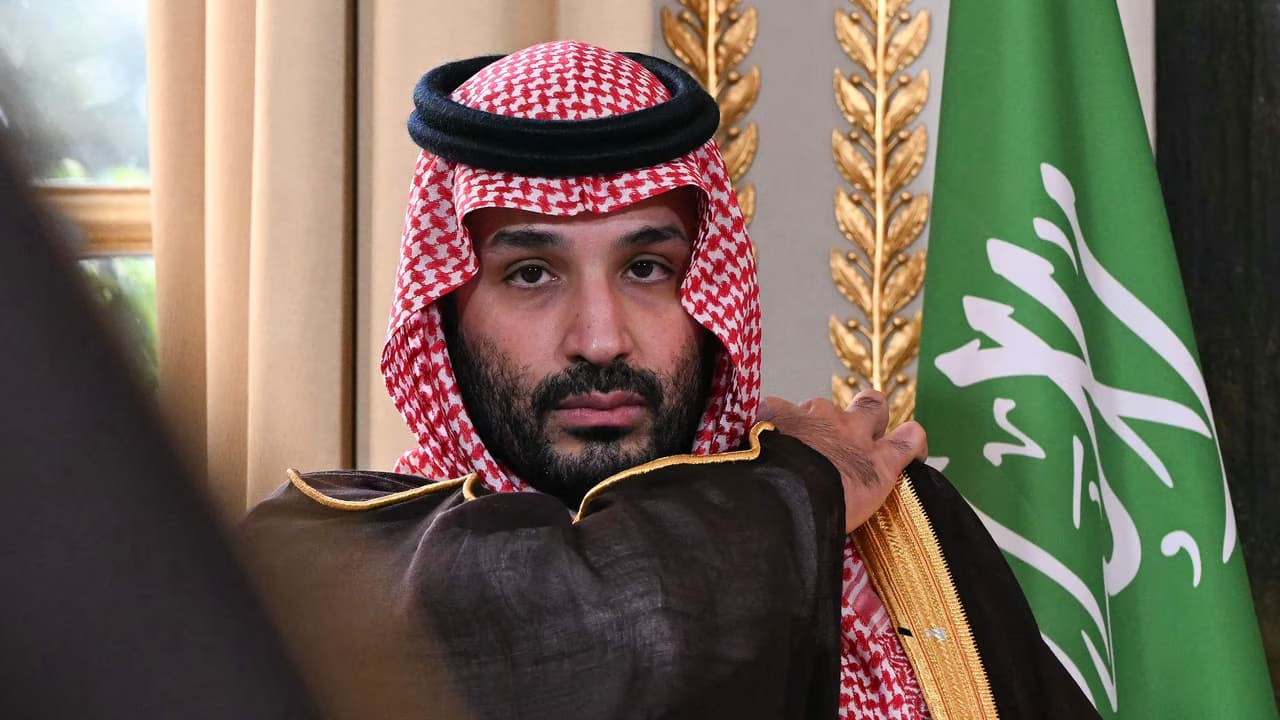
Darwin, October 13: Saudi Crown Prince Mohammed bin Salman has reportedly been moving from one palace to another amid growing security concerns as Yemen’s Houthi…
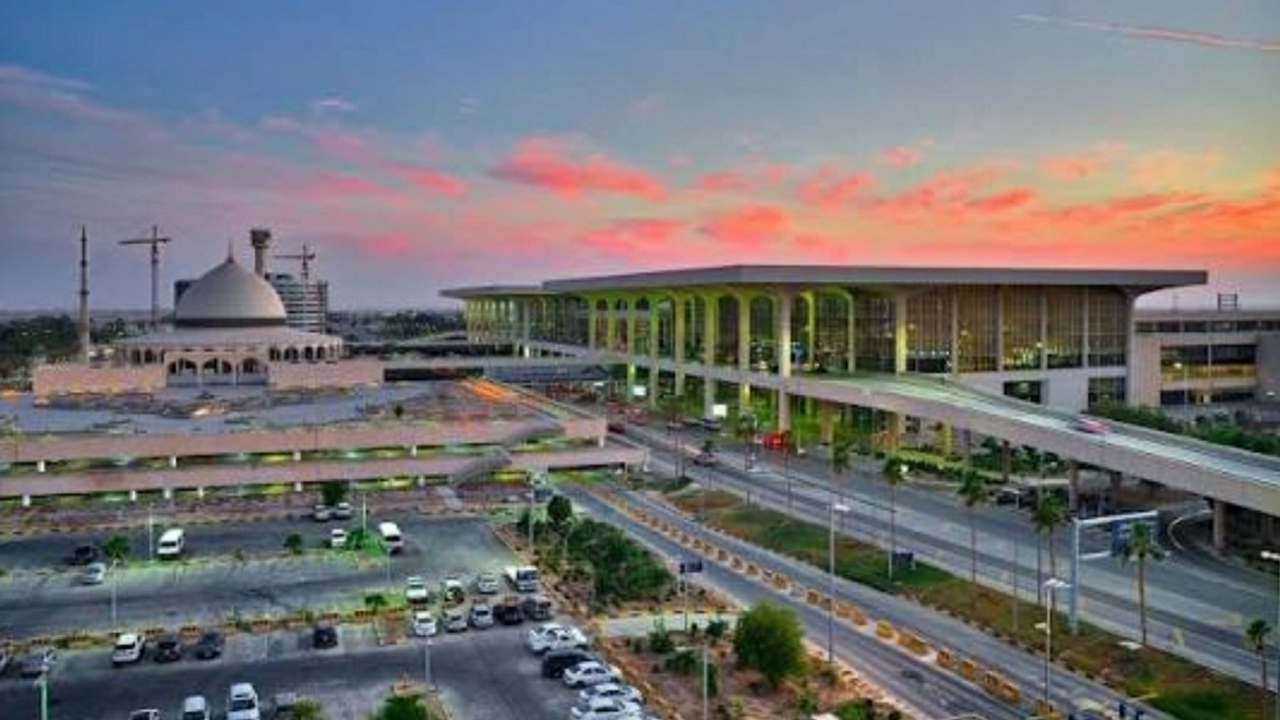
Darwin, October 12: Saudi Arabia’s Civil Aviation Authority has confirmed an attack on Dammam Airport in the country’s Eastern Province. The confirmation came shortly after…
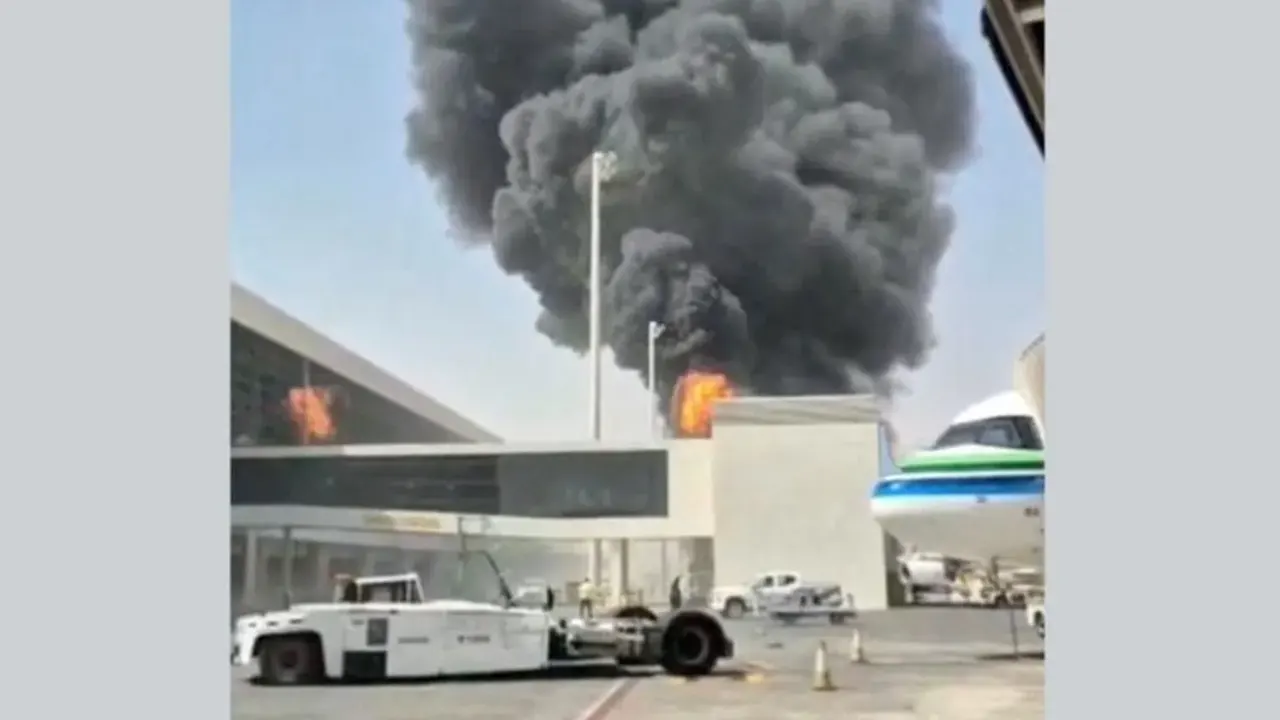
Darwin, October 12 : A fresh attack has reportedly targeted King Khalid International Airport in Riyadh, the capital of Saudi Arabia, killing one Pakistani national…

Darwin, October 11: US President Donald Trump has called for a new presidential election in Ukraine, suggesting that Volodymyr Zelenskyy has failed to seize opportunities…

Darwin, October 11: At least 12 people have been killed in an attack by Yemen’s Iran-backed Houthi armed group on King Khalid International Airport in…
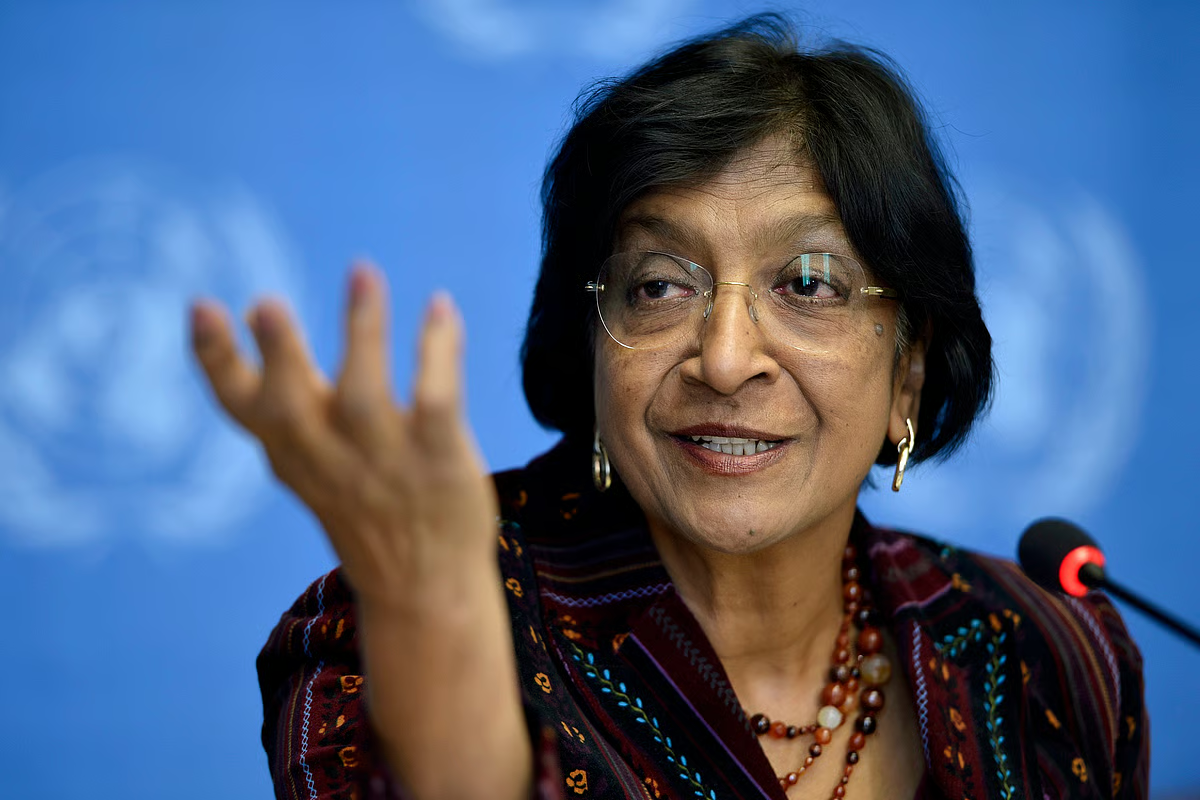
Darwin, October 09: Navanetham “Navi” Pillay, a South African jurist who led a United Nations investigative commission that described Israel’s actions in Gaza as genocide,…

Darwin, October 08: U.S. President Donald Trump said on Wednesday that he deserves to win the Nobel Peace Prize, while expressing doubts that he would…

Darwin, October 07: Russia has finalized preparations to provide Iran with a $1 billion loan. The funds will be transferred once Tehran provides the necessary…