Saudi Crown Prince ‘Shuttles Between Palaces’ Amid Houthi Attacks: Report
Darwin, October 13: Saudi Crown Prince Mohammed bin Salman has reportedly been moving from one palace to another amid growing security concerns as Yemen’s Houthi…



DHAKA, Bangladesh: The celebration of Victory Day (Bijoy Dibosh) this year saw a divergence in public messaging from India’s top leadership, reflecting the currently strained diplomatic relations with Bangladesh’s interim government.
While Indian Prime Minister Narendra Modi chose to commemorate the day by paying tribute exclusively to the courage and sacrifice of Indian soldiers in the 1971 war, completely omitting mention of Bangladesh, Minister for External Affairs S. Jaishankar extended formal greetings.
Modi’s posts on the social media platform X, both today and last year, focused on “India’s historic victory” and the “unmatched spirit” of its soldiers, without acknowledging the core event: the liberation of Bangladesh.
In contrast, S. Jaishankar posted greetings to Foreign Adviser Touhid Hossain, the Interim Government, and the people of Bangladesh on the occasion of Bijoy Dibosh, maintaining a customary diplomatic exchange.
The diplomatic cooling between the two historically close allies is largely attributed to the political upheaval following the August 5 mass uprising and the subsequent presence of former Prime Minister Sheikh Hasina in India.
The relationship has been further stressed by repeated, official requests from the Bangladesh Foreign Ministry to New Delhi, seeking the extradition of Sheikh Hasina and former Home Minister Asaduzzaman Khan Kamal following their death sentences handed down by the International Crimes Tribunal.
Jaishankar has previously characterized the situation as Hasina being in India “under certain circumstances,” suggesting that the decision on her return lies primarily with the former Prime Minister herself, a position that contrasts sharply with Dhaka’s demands for bilateral cooperation on the matter.
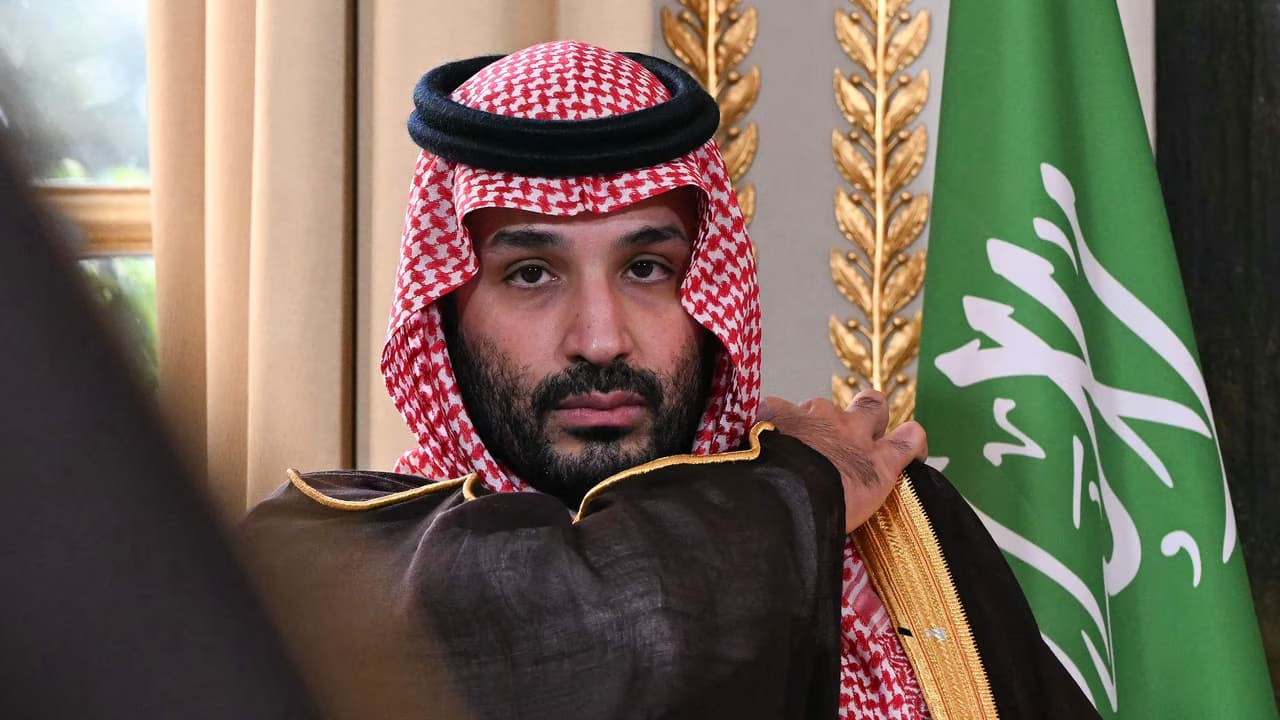
Darwin, October 13: Saudi Crown Prince Mohammed bin Salman has reportedly been moving from one palace to another amid growing security concerns as Yemen’s Houthi…
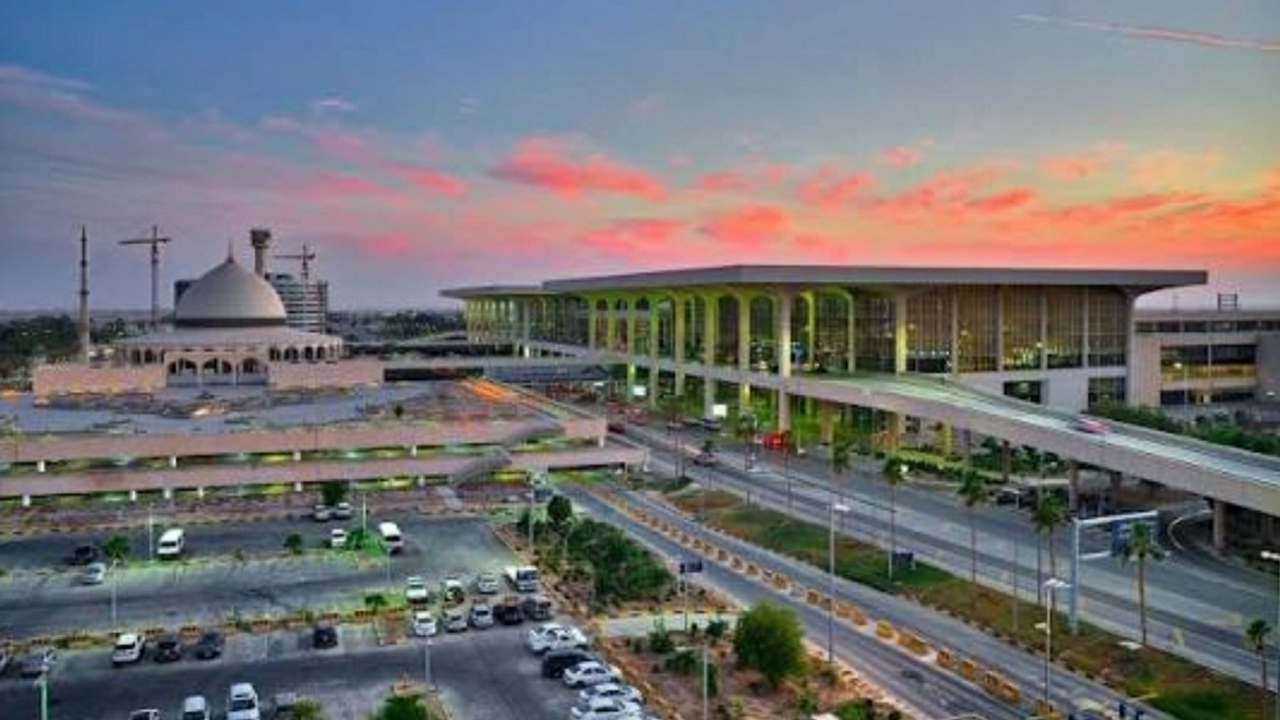
Darwin, October 12: Saudi Arabia’s Civil Aviation Authority has confirmed an attack on Dammam Airport in the country’s Eastern Province. The confirmation came shortly after…

Darwin, October 12 : A fresh attack has reportedly targeted King Khalid International Airport in Riyadh, the capital of Saudi Arabia, killing one Pakistani national…
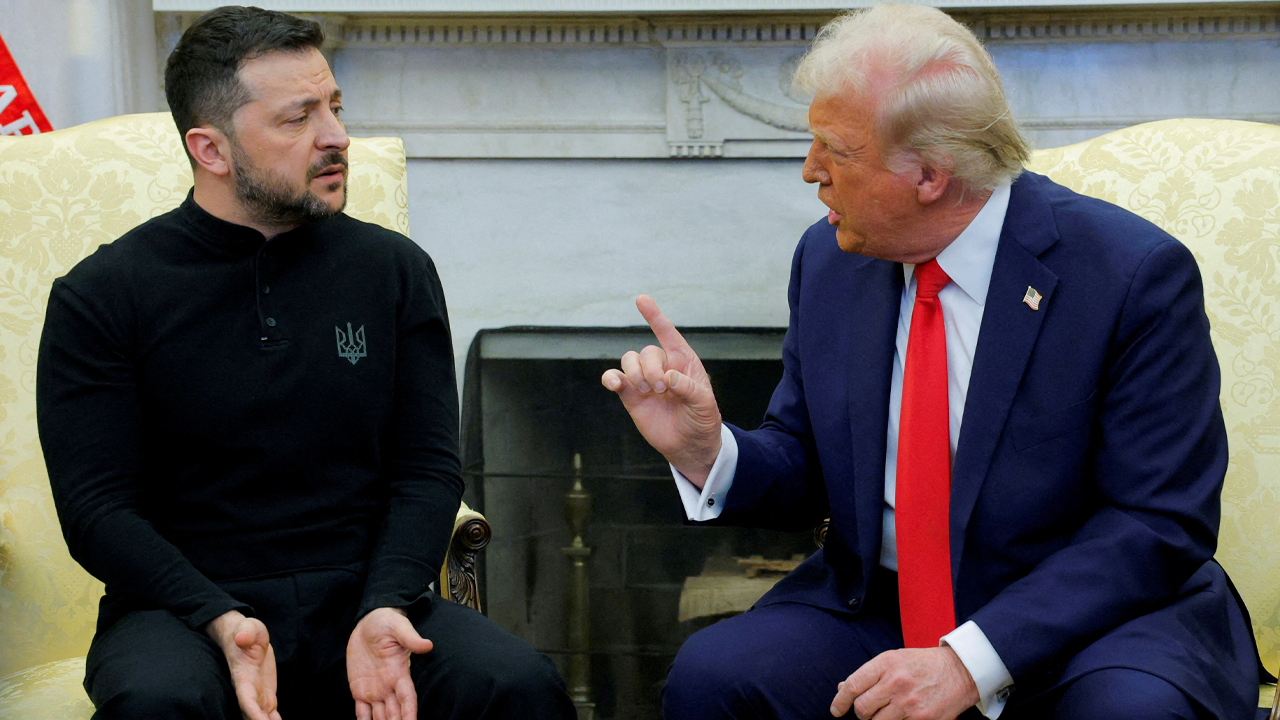
Darwin, October 11: US President Donald Trump has called for a new presidential election in Ukraine, suggesting that Volodymyr Zelenskyy has failed to seize opportunities…

Darwin, October 11: At least 12 people have been killed in an attack by Yemen’s Iran-backed Houthi armed group on King Khalid International Airport in…
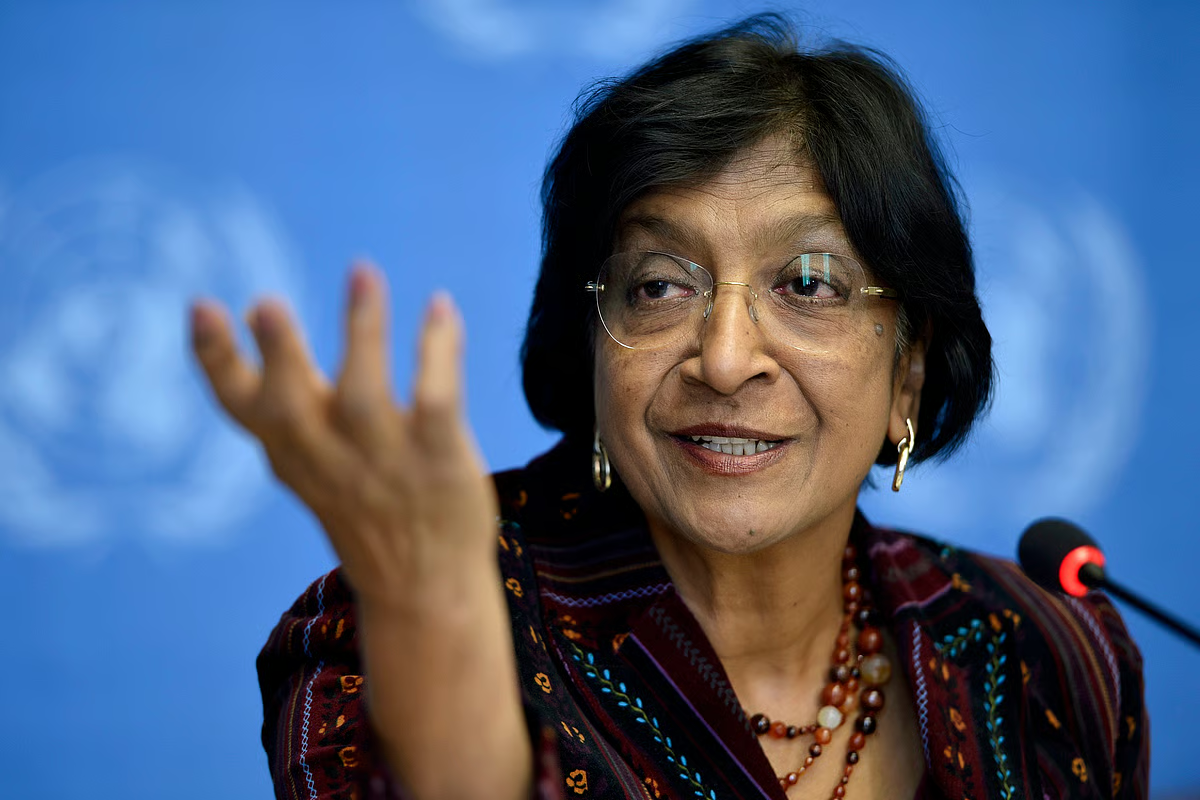
Darwin, October 09: Navanetham “Navi” Pillay, a South African jurist who led a United Nations investigative commission that described Israel’s actions in Gaza as genocide,…
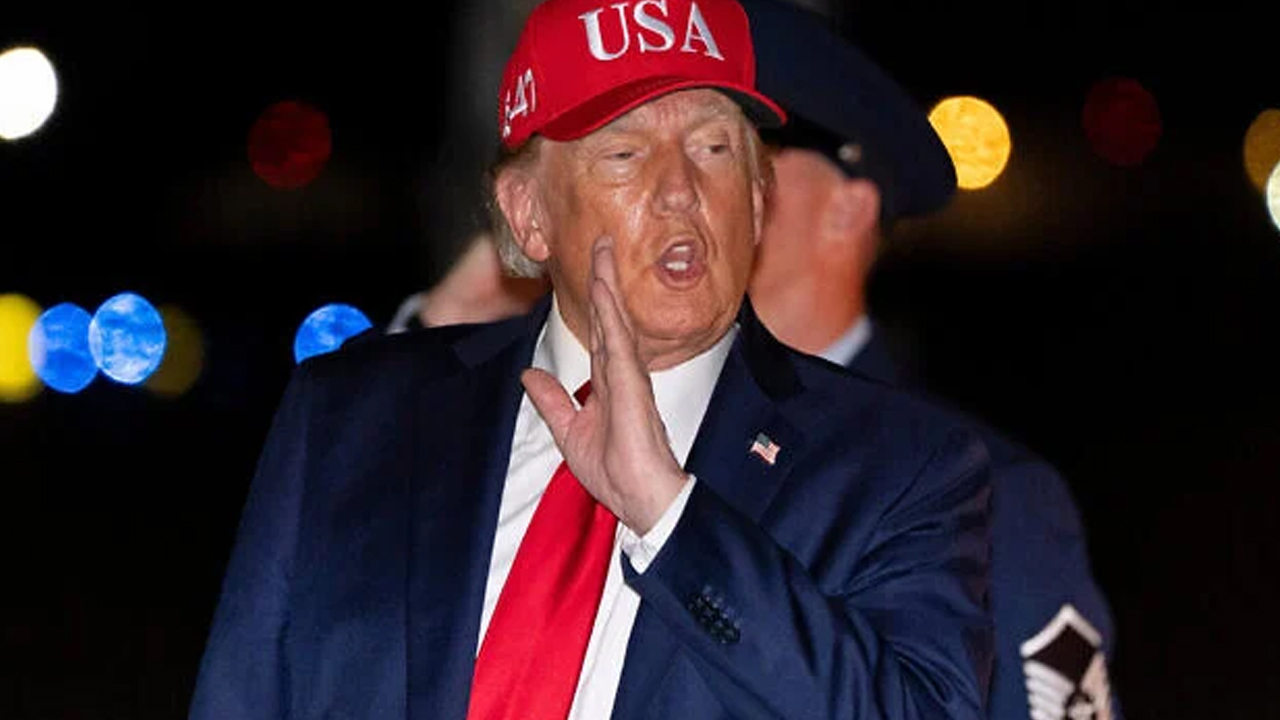
Darwin, October 08: U.S. President Donald Trump said on Wednesday that he deserves to win the Nobel Peace Prize, while expressing doubts that he would…
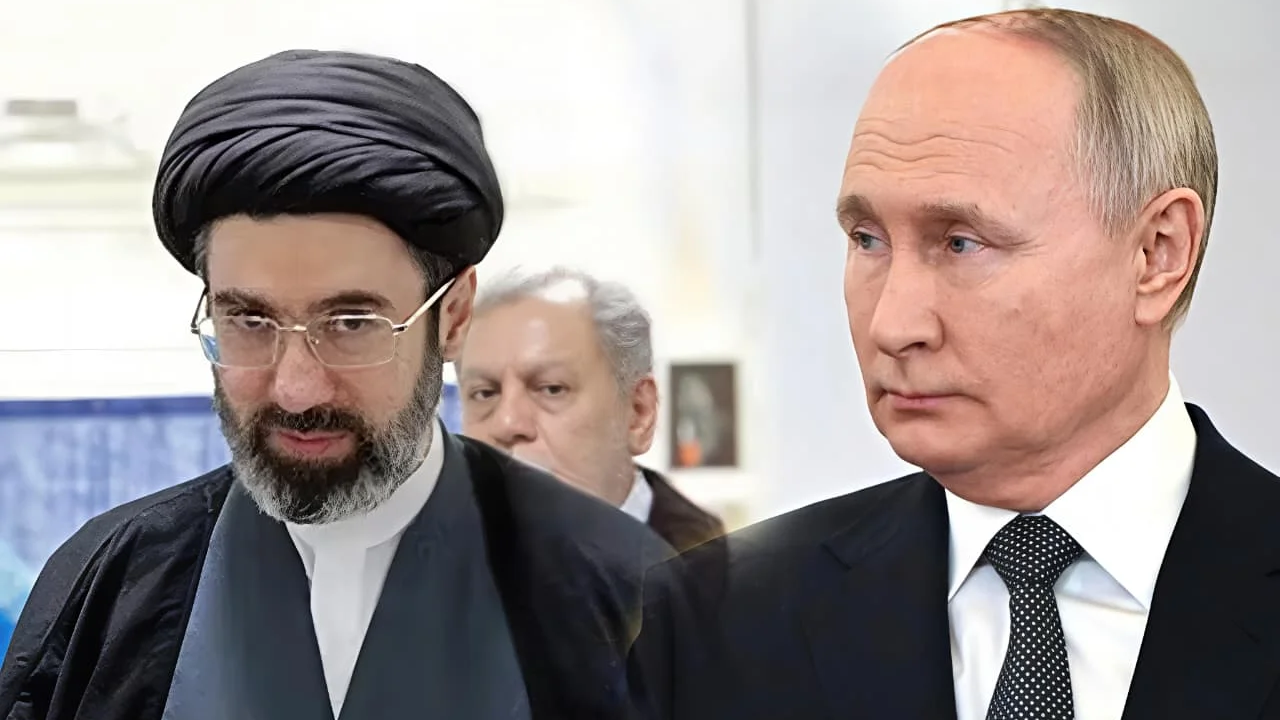
Darwin, October 07: Russia has finalized preparations to provide Iran with a $1 billion loan. The funds will be transferred once Tehran provides the necessary…