Ten Injured After Car Ploughs Into Rugby League Fans in Australia
Darwin, October 04: Ten people, including three children, have been injured after a car crashed into a crowd of rugby league fans in Newcastle, eastern…



Darwin, 22 December :
Russian President Vladimir Putin has not abandoned his ambition to seize all of Ukraine and reclaim parts of former Soviet territories that are now part of Europe, according to a report citing six sources connected to US intelligence agencies. The information was reported by Reuters on Sunday, December 21.
Putin ordered a full-scale military invasion of Ukraine in February 2022. Since then, Russian forces have been engaged in a prolonged war that has continued for nearly three years. Despite mounting casualties and economic pressure, Moscow’s territorial ambitions appear unchanged, US intelligence assessments suggest.
The United States is currently attempting to push for an end to the conflict. However, American officials believe that if the war ends under US-backed conditions, Putin would be forced to settle for significantly less territory than he originally sought.
The findings come from multiple US intelligence reports on Putin, including the most recent assessment prepared in September. These reports contradict Putin’s repeated public claims that Russia poses no threat to European nations.
According to the intelligence assessments, the threat extends beyond Ukraine. Democratic Congressman Mike Quigley, a member of the US House Intelligence Committee, told Reuters that intelligence conclusions have remained consistent.
“The intelligence has always said the same thing: Putin wants more territory,” Quigley said. “Europeans believe it. The Polish people believe it. The Baltic states believe they would be next.”
At present, Russia controls roughly 20 percent of Ukrainian territory, including most of the Donbas region. However, intelligence officials say Putin’s objective is to take full control of Donbas—an outcome firmly rejected by Ukrainian President Volodymyr Zelensky.
The report highlights growing concerns among European nations that a Russian victory or partial success in Ukraine could embolden Moscow to pursue further territorial expansion, threatening broader regional stability.

Darwin, October 04: Ten people, including three children, have been injured after a car crashed into a crowd of rugby league fans in Newcastle, eastern…

Darwin, October 4: Australia’s central bank has raised interest rates to their highest level in 15 years, increasing mortgage repayments for millions of Australian households….

Darwin, October 3: Under pressure from US President Donald Trump to bring down rising fuel prices, G7 leaders are set to release up to 100…

Darwin, October 3: Russia’s daily attacks are filling the lives of Kyiv residents with fear and uncertainty. From schools and hospitals to bridges, power plants…
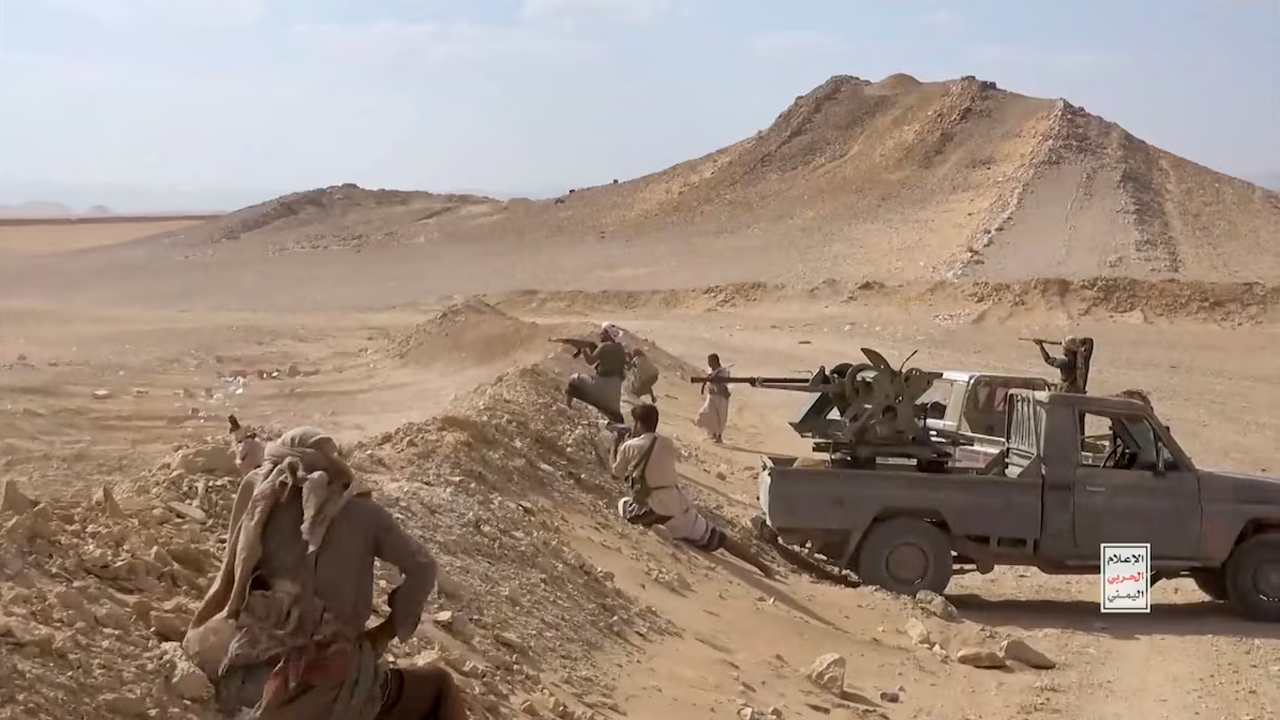
Darwin, October 3: At least 80 fighters have been killed over the past 24 hours in fierce fighting between Iran-backed Houthi rebels and Saudi-backed government…
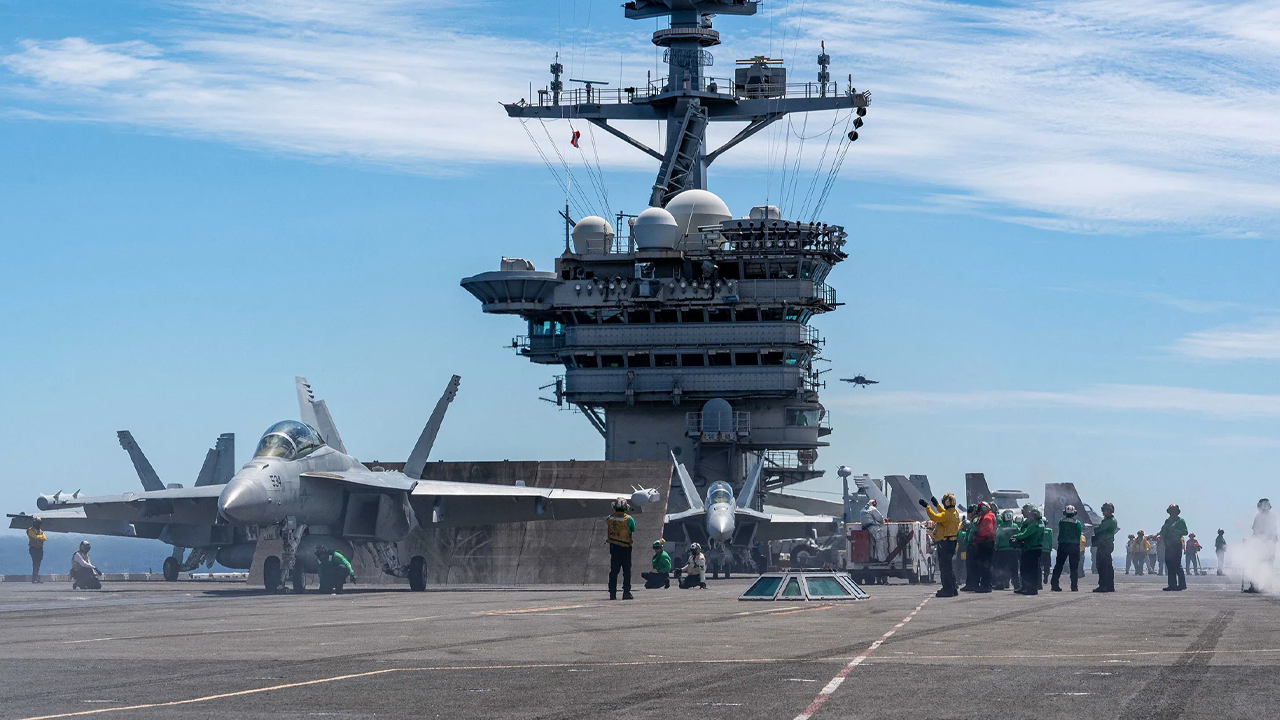
Darwin, October 3: As the Iran war enters its eighth month, the United States is sending a third aircraft carrier strike group to waters near…
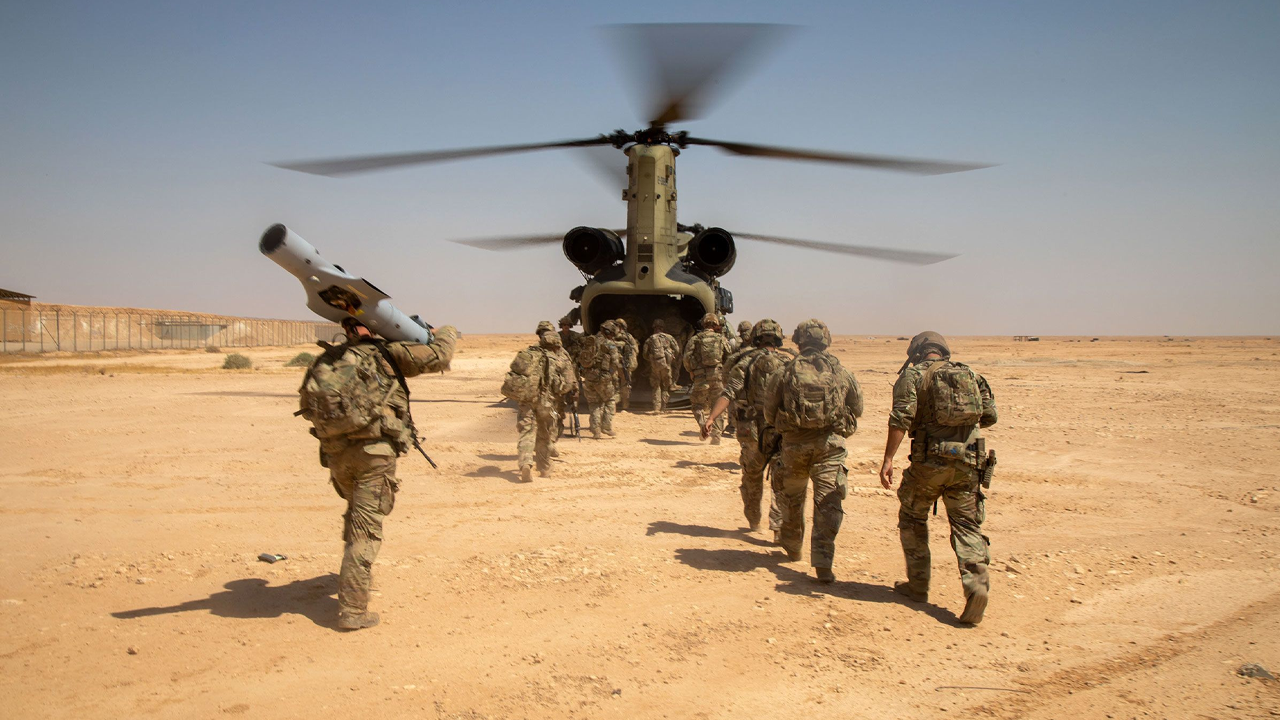
Darwin, September 30 : The United States is preparing to withdraw its military forces from Iraq after more than two decades of war and the…
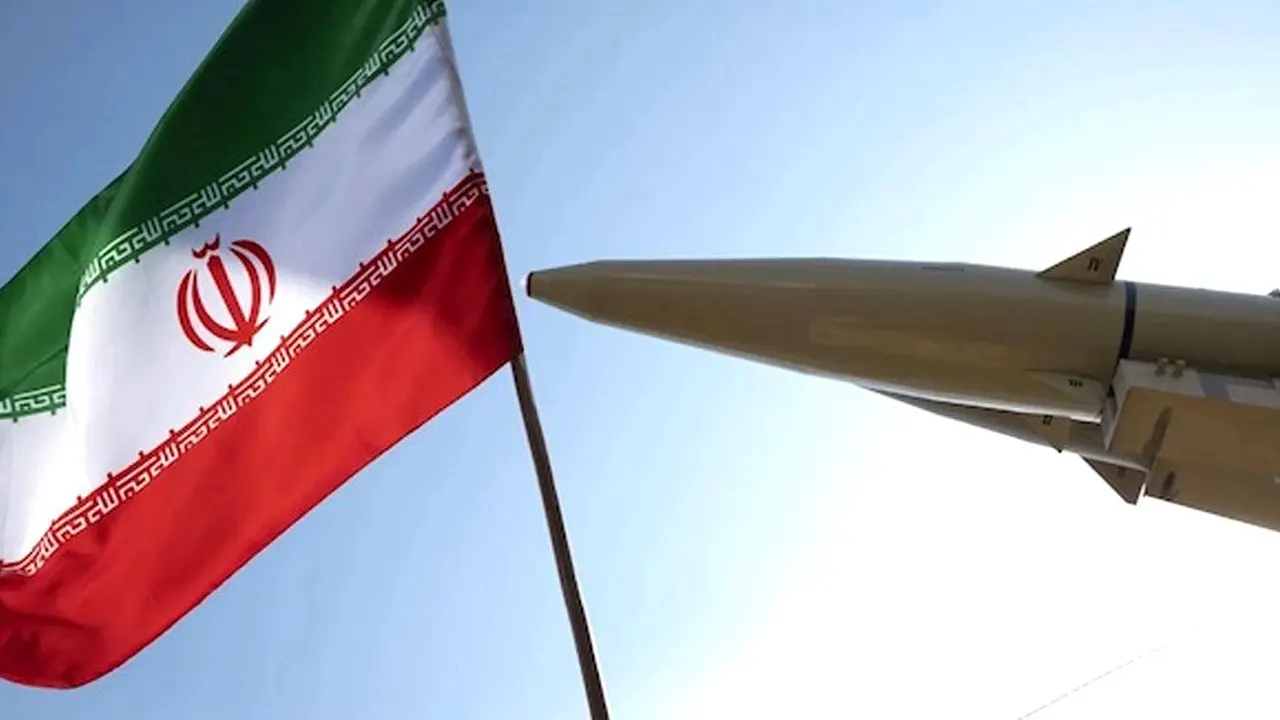
Darwin, September 30: Russia has urged Iran not to withdraw from the Treaty on the Non-Proliferation of Nuclear Weapons (NPT), calling on Tehran to remain…