Saudi Crown Prince ‘Shuttles Between Palaces’ Amid Houthi Attacks: Report
Darwin, October 13: Saudi Crown Prince Mohammed bin Salman has reportedly been moving from one palace to another amid growing security concerns as Yemen’s Houthi…



Darwin, 24 December: Bangladesh–India bilateral relations have plunged into a deep crisis amid a surge of political violence, diplomatic tension, and growing mistrust between the two neighbours, according to a report published by the BBC on Wednesday.
Hindutva groups in India staged protests outside the Bangladesh Deputy High Commission in Kolkata, defacing a photograph of interim government Chief Adviser Muhammad Yunus with a cross mark. The demonstrations were sparked by two recent killings in Bangladesh: the murder of Sharif Osman Hadi, a prominent face of the July uprising and convener of the Inqilab Mancha, and the brutal killing of Hindu garment worker Dipu Chandra Das over allegations of blasphemy.
The BBC report notes that these incidents have pushed the already strained relationship between Dhaka and Delhi into a severe crisis, placing what was once considered a tested friendship on the brink of rupture.
Murders Trigger Fresh Strain
According to the report, the two killings have put Bangladesh–India ties through a new and serious test. In Mymensingh, Dipu Chandra Das (27), a Hindu garment worker, was beaten to death and set on fire following accusations of religious blasphemy. Videos of the killing circulated widely on social media, sparking outrage across India.
Earlier, the killing of Sharif Osman Hadi in Dhaka intensified anti-India sentiment within Bangladesh. Supporters of Hadi alleged that the prime suspect—said to have links to the ousted Awami League—had fled to India. Bangladesh police, however, stated that they have no confirmed information that the suspect has left the country.
Diplomatic Tensions Peak
The situation has escalated to the point where both countries have summoned each other’s high commissioners to express security concerns. Visa services have been suspended in Delhi and several other Indian cities, while both sides have accused each other of failing to ensure the safety of diplomatic missions.
Last week, 12 people were detained following an incident of stone-throwing at the Indian Assistant High Commission in Chattogram. Their subsequent release without charges triggered a strong reaction in Delhi. In response, protests by Hindutva groups outside the Bangladesh High Commission in Delhi were described by Dhaka as “unjustified.”
Former senior Bangladeshi diplomat Humayun Kabir told the BBC, “I have never seen such levels of suspicion and mistrust between the two countries.” Former Indian High Commissioner to Bangladesh Riva Ganguly Das said, “I sincerely hope that tensions on both sides do not escalate further.”
Rising Extremism and Minority Fears
The BBC report expresses concern over the rise of extremism in Bangladesh. It states that since the fall of Sheikh Hasina, religious fundamentalist and extremist groups have become more aggressive. The killing of Dipu Chandra Das—after which his body was reportedly hung from a tree and set on fire—has raised renewed questions about the safety of minority communities.
Human rights organisations say incidents of mob lynching have increased at an alarming rate over the past year. Extremist groups have vandalised hundreds of Sufi shrines, attacked Hindu communities, shut down cultural activities, and recently targeted two leading newspapers—The Daily Star and Prothom Alo—as well as a cultural institution, accusing them of being “pro-India.”
Political analyst Asif Bin Ali said, “Hardliners now see themselves as the mainstream of society. Labelling someone as ‘pro-India’ is being used to justify attacks against them.” He warned that the biggest victims of this anti-India politics are not India itself, but Bangladeshi citizens—especially minorities, moderates, and secular individuals.
Challenges for the Interim Government
The interim government led by Nobel laureate Muhammad Yunus has stated that “there is no place for such violence in the new Bangladesh” and pledged that those responsible for the killing of Dipu Das will not be spared. Police have confirmed that 12 suspects have been arrested so far. However, civil society activists continue to criticise the government for failing to prevent the violence.
Bangladesh is scheduled to hold national elections on 12 February. Analysts believe that only an elected government will be better positioned to address the country’s internal instability and external diplomatic challenges. With Sheikh Hasina’s Awami League excluded from the polls, the Bangladesh Nationalist Party (BNP) is expected to emerge as the frontrunner, while Islamist parties such as Jamaat-e-Islami could pose significant challenges.
Experts warn that hardline religious groups may exploit anti-India sentiment to incite further violence in the coming days. An Indian parliamentary committee has reportedly described the situation in Bangladesh as Delhi’s “biggest strategic challenge since 1971.”
Former diplomat Humayun Kabir believes India must accept the new realities and take steps to rebuild trust. Delhi has also stated that it is ready to work with Bangladesh’s elected government, which could provide an opportunity to normalise relations. Until then, experts caution both sides to ensure that street-level anger does not further damage bilateral ties.
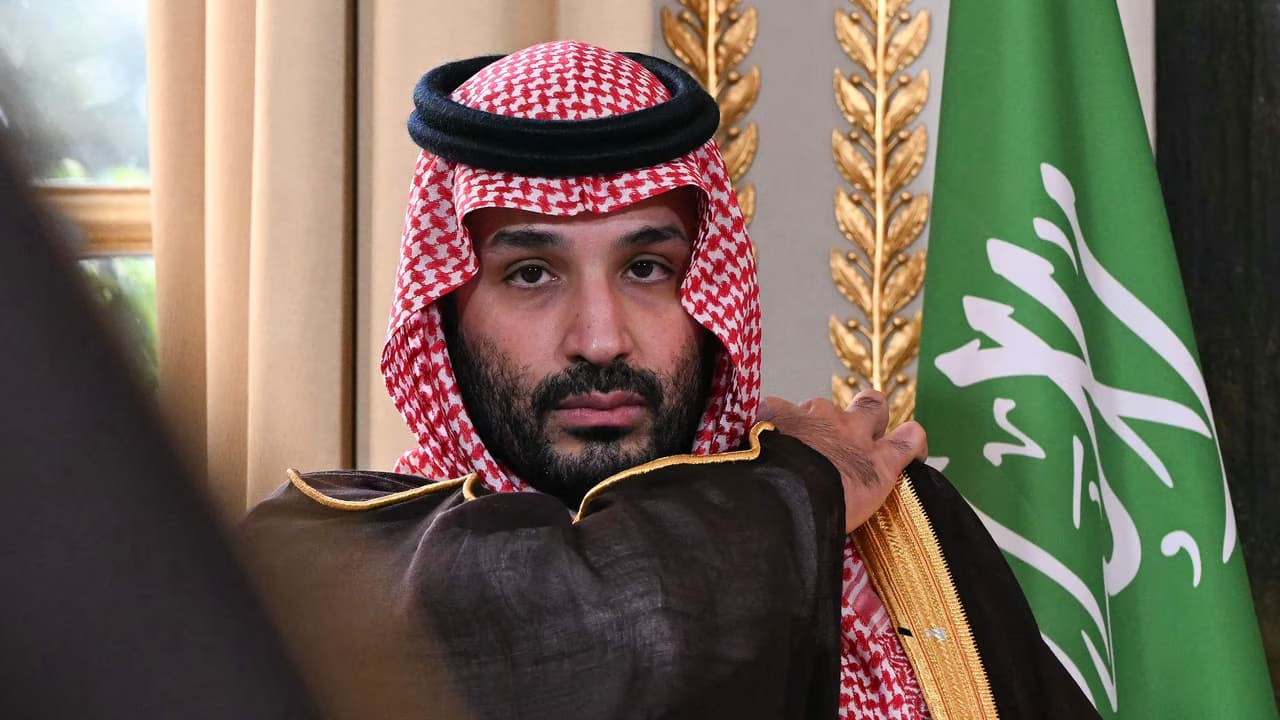
Darwin, October 13: Saudi Crown Prince Mohammed bin Salman has reportedly been moving from one palace to another amid growing security concerns as Yemen’s Houthi…
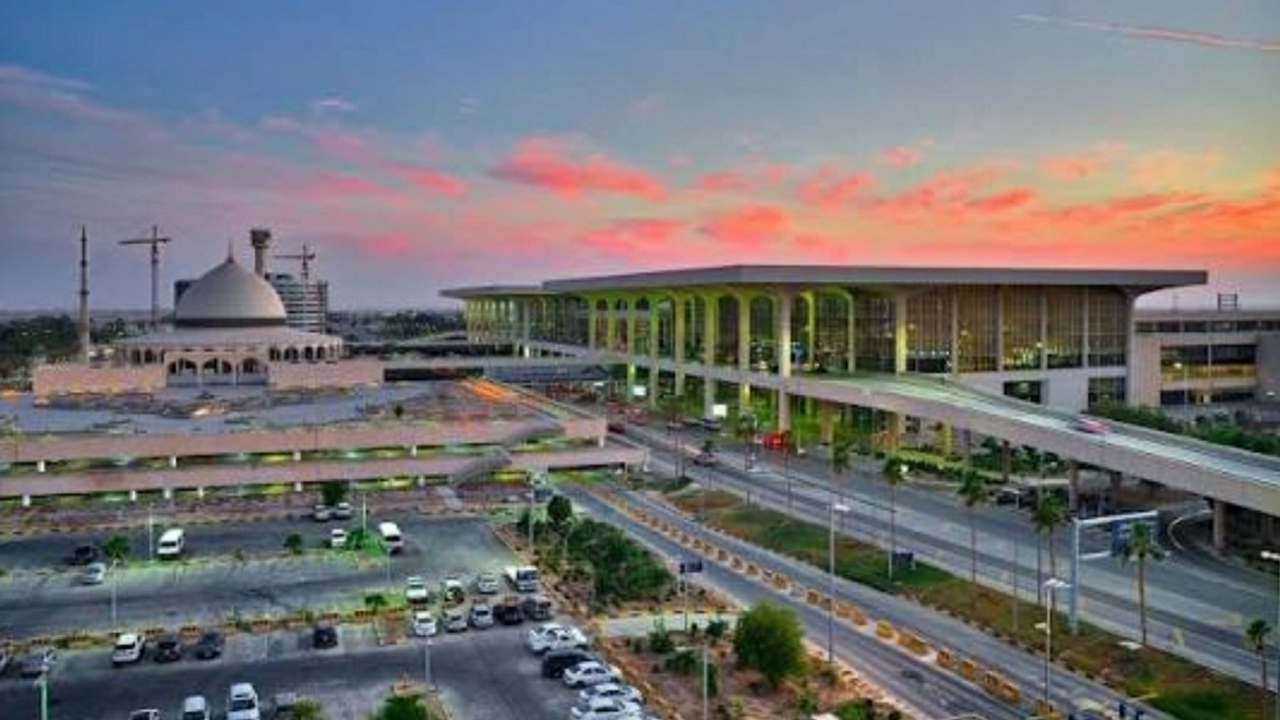
Darwin, October 12: Saudi Arabia’s Civil Aviation Authority has confirmed an attack on Dammam Airport in the country’s Eastern Province. The confirmation came shortly after…

Darwin, October 12 : A fresh attack has reportedly targeted King Khalid International Airport in Riyadh, the capital of Saudi Arabia, killing one Pakistani national…
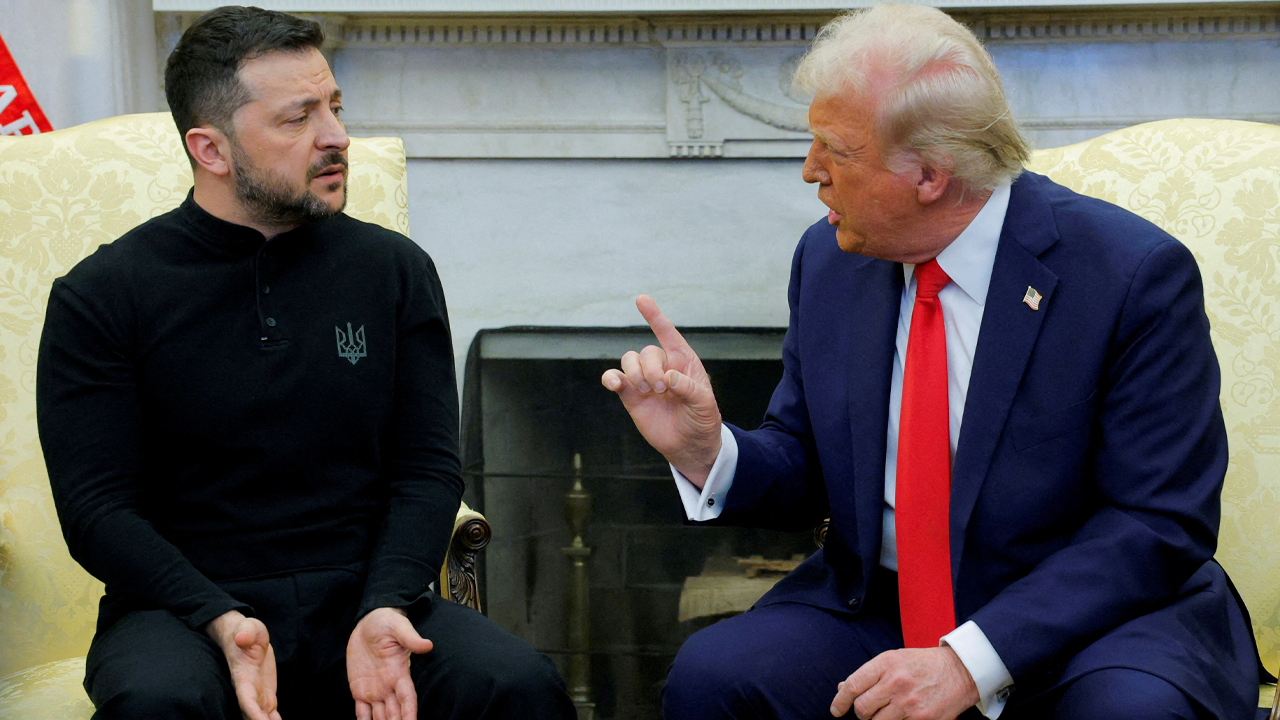
Darwin, October 11: US President Donald Trump has called for a new presidential election in Ukraine, suggesting that Volodymyr Zelenskyy has failed to seize opportunities…

Darwin, October 11: At least 12 people have been killed in an attack by Yemen’s Iran-backed Houthi armed group on King Khalid International Airport in…
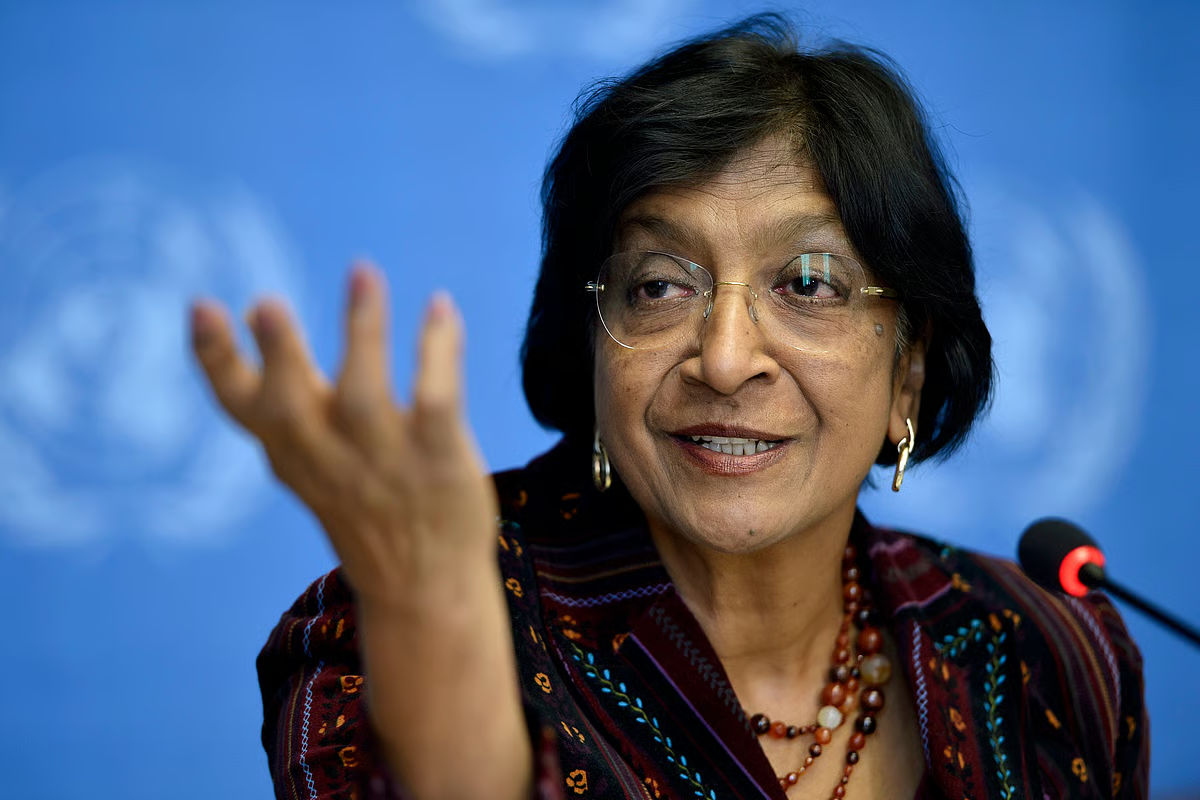
Darwin, October 09: Navanetham “Navi” Pillay, a South African jurist who led a United Nations investigative commission that described Israel’s actions in Gaza as genocide,…
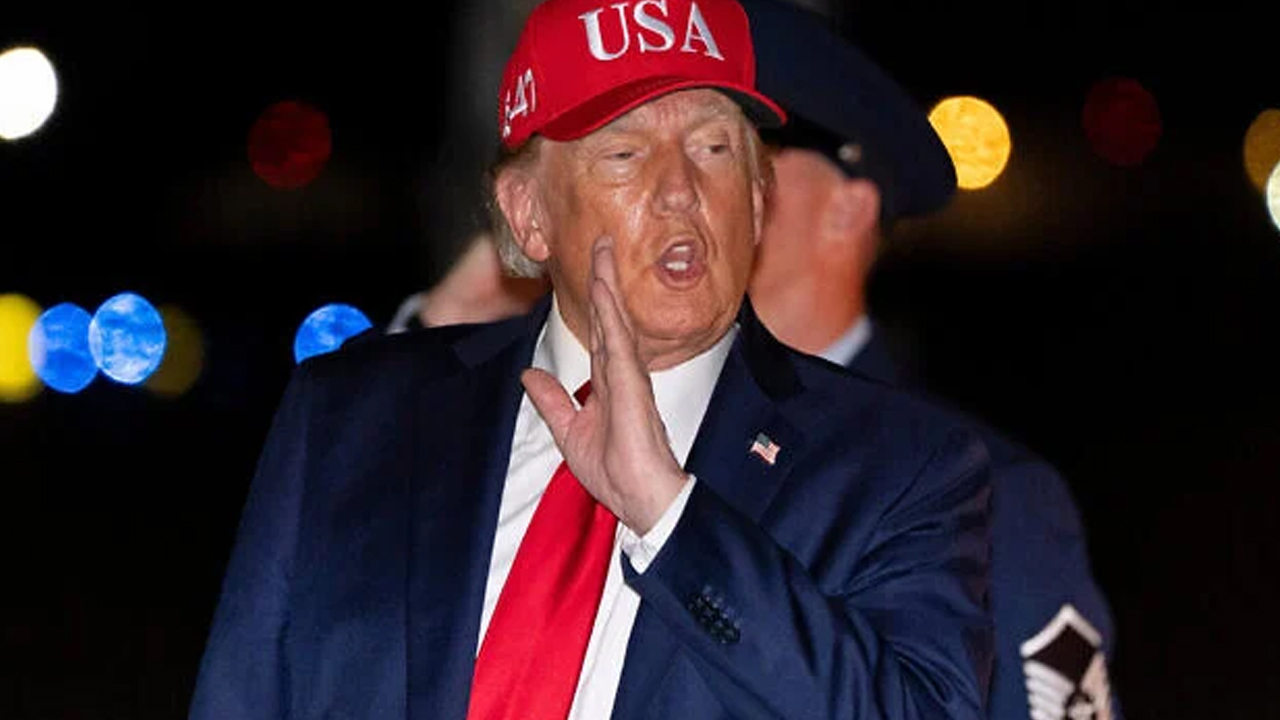
Darwin, October 08: U.S. President Donald Trump said on Wednesday that he deserves to win the Nobel Peace Prize, while expressing doubts that he would…
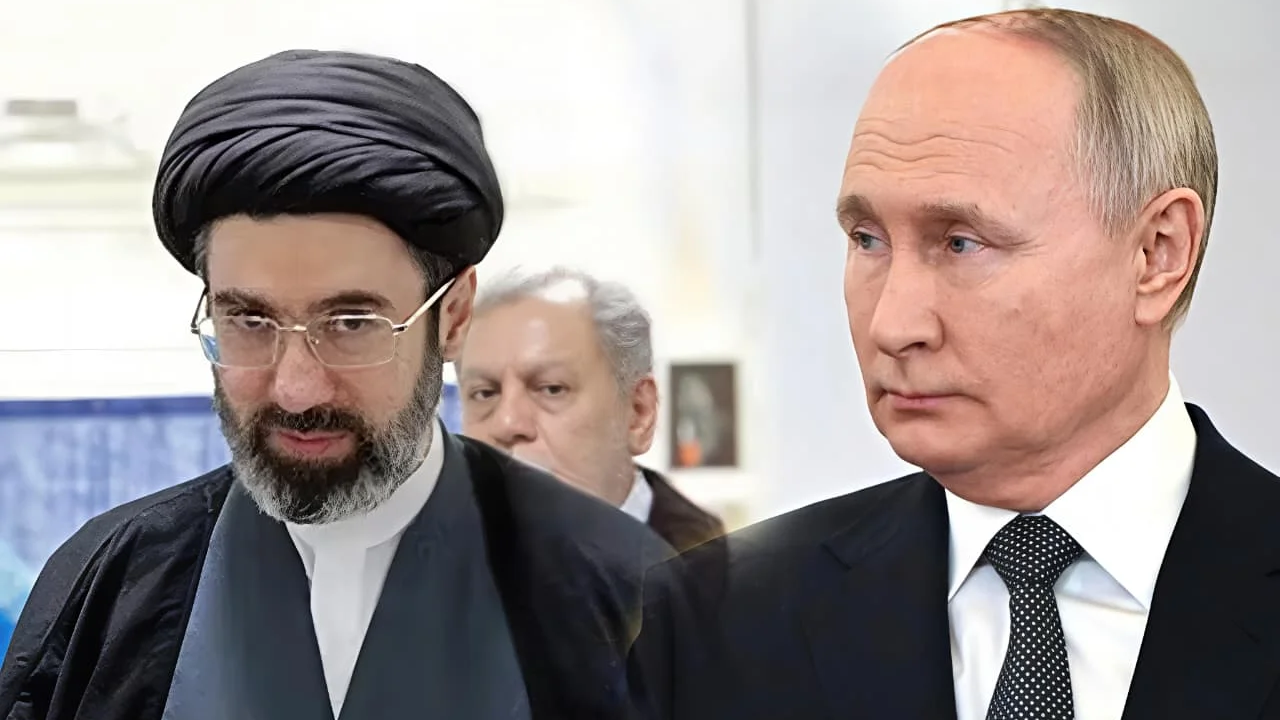
Darwin, October 07: Russia has finalized preparations to provide Iran with a $1 billion loan. The funds will be transferred once Tehran provides the necessary…