Ten Injured After Car Ploughs Into Rugby League Fans in Australia
Darwin, October 04: Ten people, including three children, have been injured after a car crashed into a crowd of rugby league fans in Newcastle, eastern…



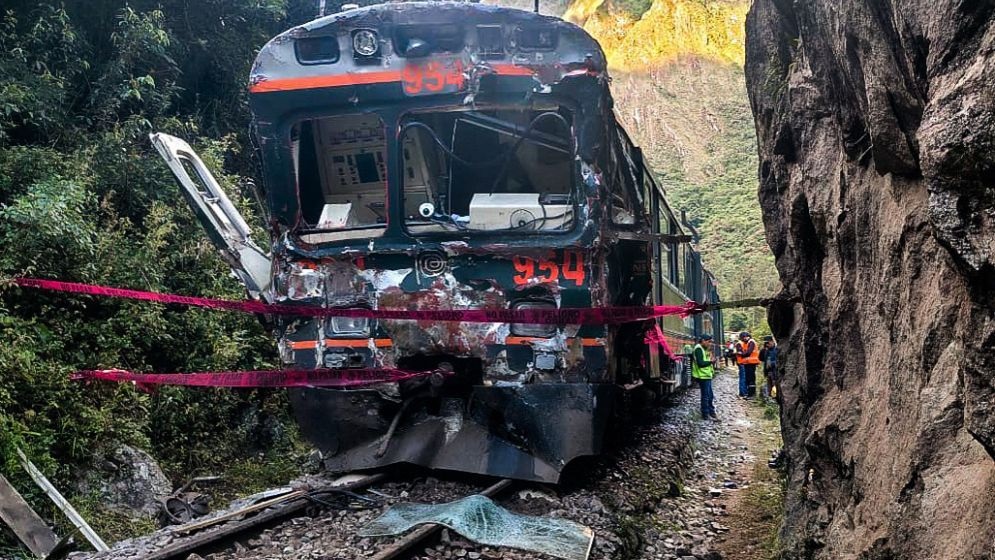
PERU : A devastating head-on collision between two passenger trains servicing the world-famous Machu Picchu site has resulted in the death of a conductor and left at least 40 others injured, many in critical condition.
The accident occurred during the Tuesday lunch hour on a single-track section of the railway connecting the town of Ollantaytambo with Machu Picchu. The rail agency, Ferrocarril Transandino, confirmed that a train operated by PeruRail collided directly with another belonging to Inca Rail.
The Cusco prosecutor’s office confirmed that the deceased was the conductor of one of the locomotives. Among the 40 injured, authorities report that a significant number are foreign tourists.
Rescue efforts were severely hampered by the location’s geography. The collision took place in a remote Andean stretch with no direct road access. Video footage from the scene showed:
Emergency responders and police in neon jackets navigating the tracks.
Injured passengers being evacuated on stretchers through the rugged terrain.
A dozen ambulances stationed at the nearest accessible points to transport the wounded.
The exact cause of the collision remains unknown. Both rail companies have suspended services temporarily as investigators examine the signaling systems and potential human error on the single-track line.
This disaster follows a period of instability for the route; in September, nearly 2,000 tourists were stranded when local protesters blocked the tracks over bus bidding disputes. However, authorities have not yet linked this accident to any external interference.
Machu Picchu, a 15th-century Inca citadel and UNESCO World Heritage site, is Peru’s primary tourist draw. It averages 4,500 visitors daily, the vast majority of whom rely on these specific rail links to reach the ruins situated at 2,500 meters (8,200 feet).

Darwin, October 04: Ten people, including three children, have been injured after a car crashed into a crowd of rugby league fans in Newcastle, eastern…
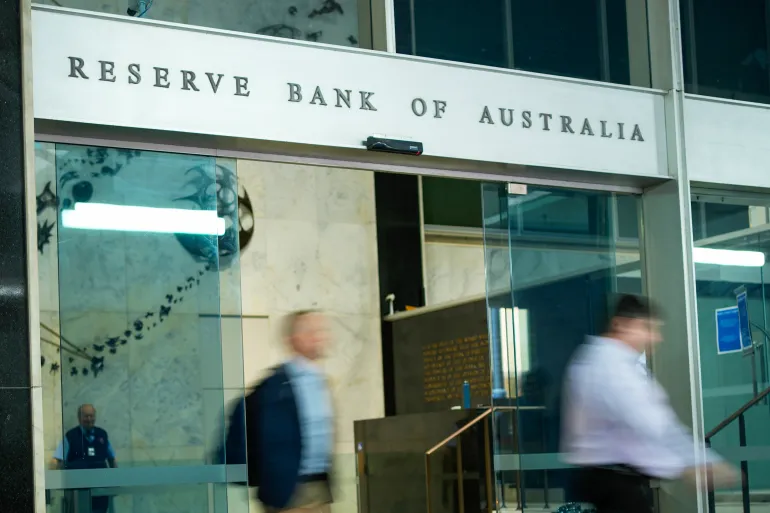
Darwin, October 4: Australia’s central bank has raised interest rates to their highest level in 15 years, increasing mortgage repayments for millions of Australian households….

Darwin, October 3: Under pressure from US President Donald Trump to bring down rising fuel prices, G7 leaders are set to release up to 100…
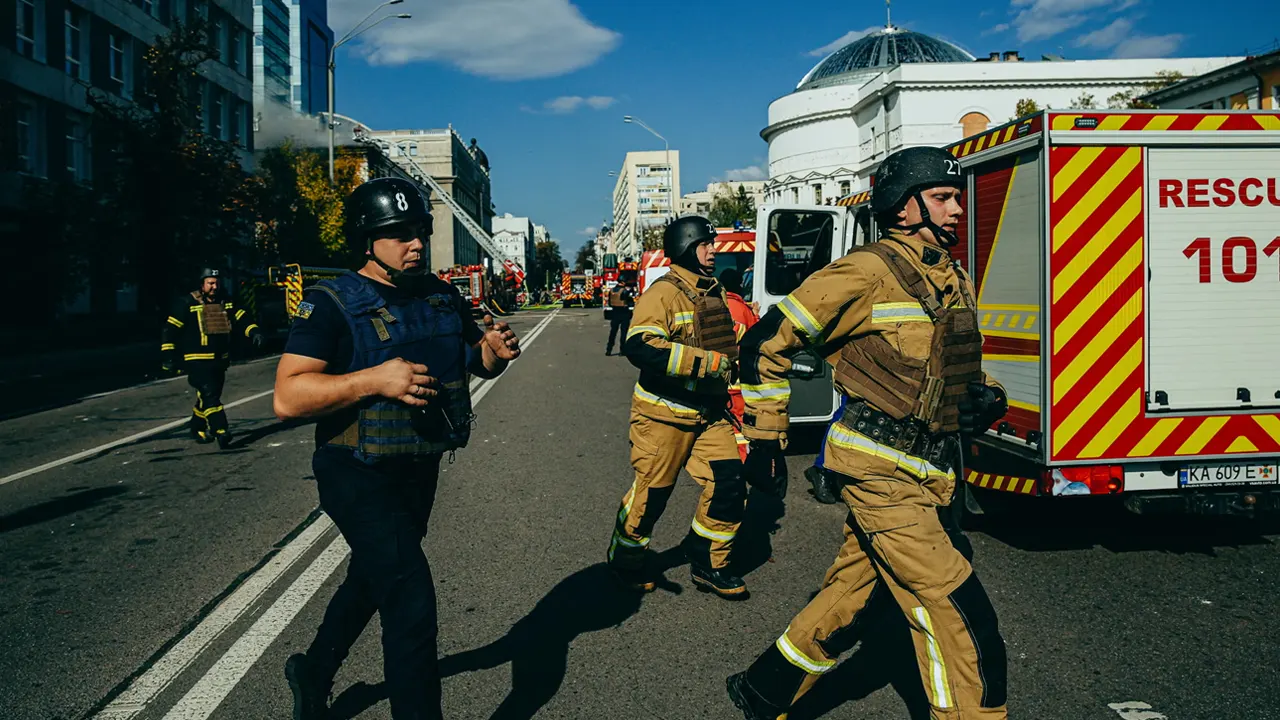
Darwin, October 3: Russia’s daily attacks are filling the lives of Kyiv residents with fear and uncertainty. From schools and hospitals to bridges, power plants…
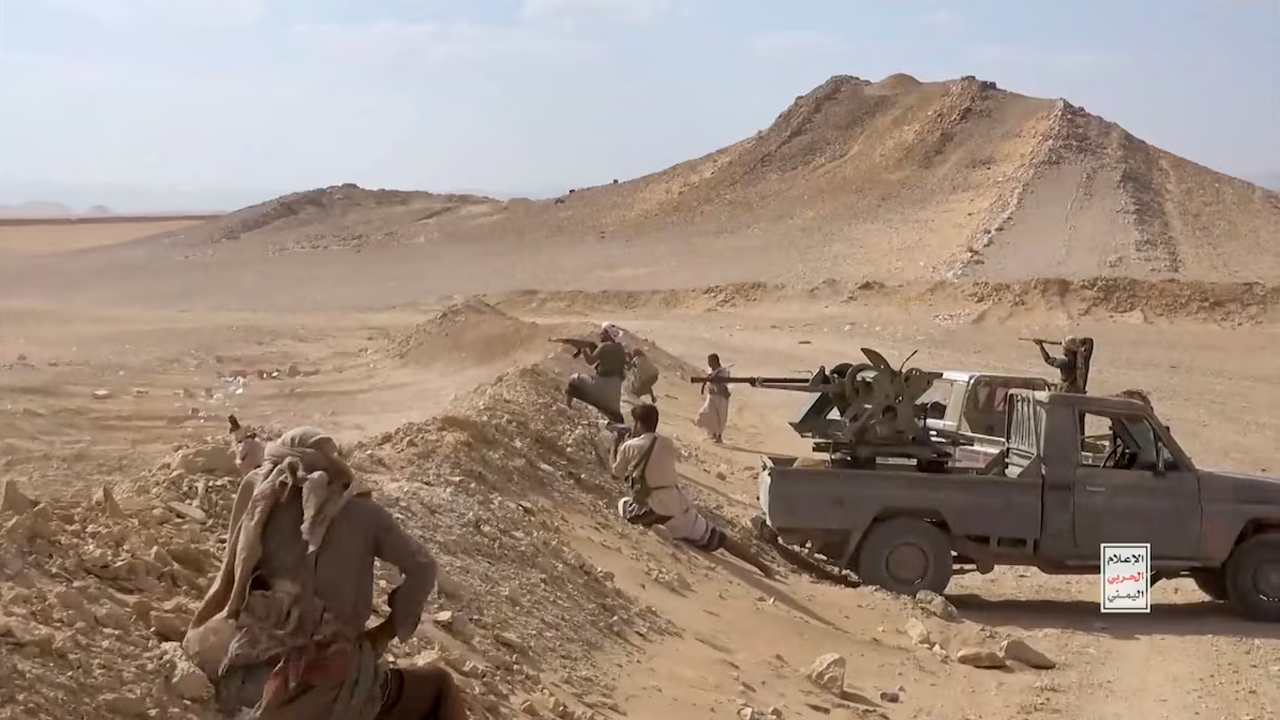
Darwin, October 3: At least 80 fighters have been killed over the past 24 hours in fierce fighting between Iran-backed Houthi rebels and Saudi-backed government…
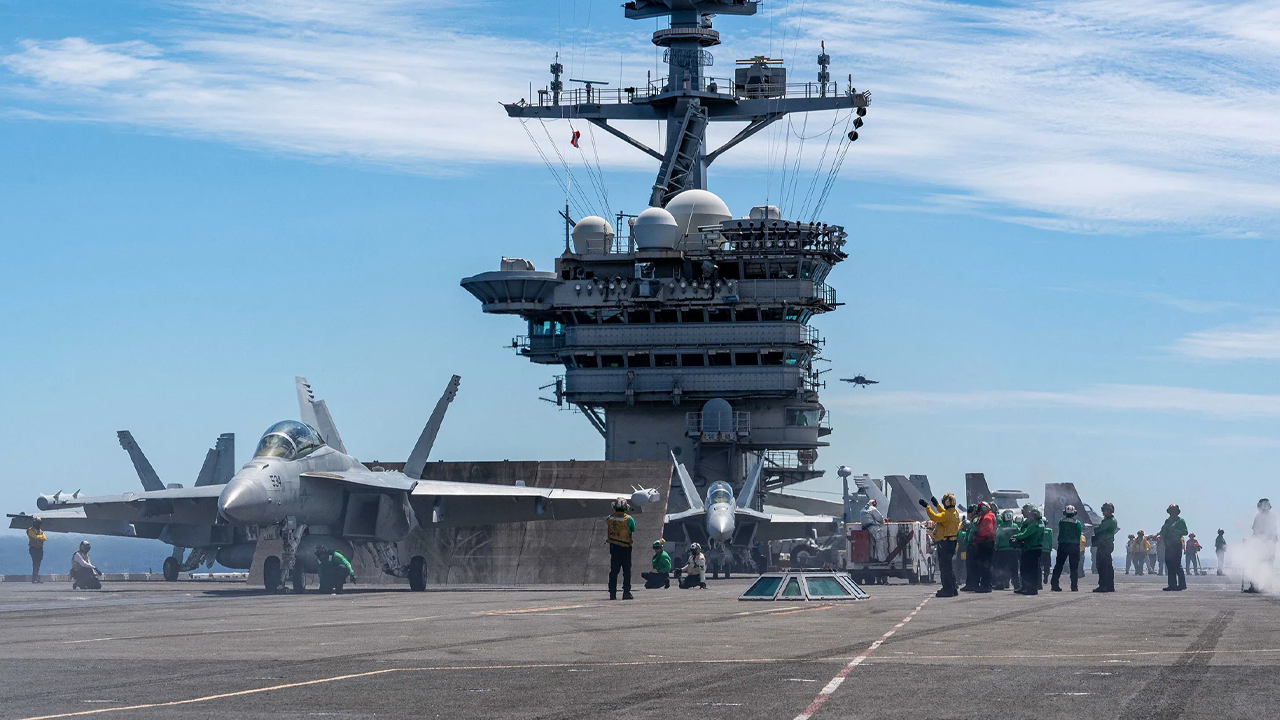
Darwin, October 3: As the Iran war enters its eighth month, the United States is sending a third aircraft carrier strike group to waters near…
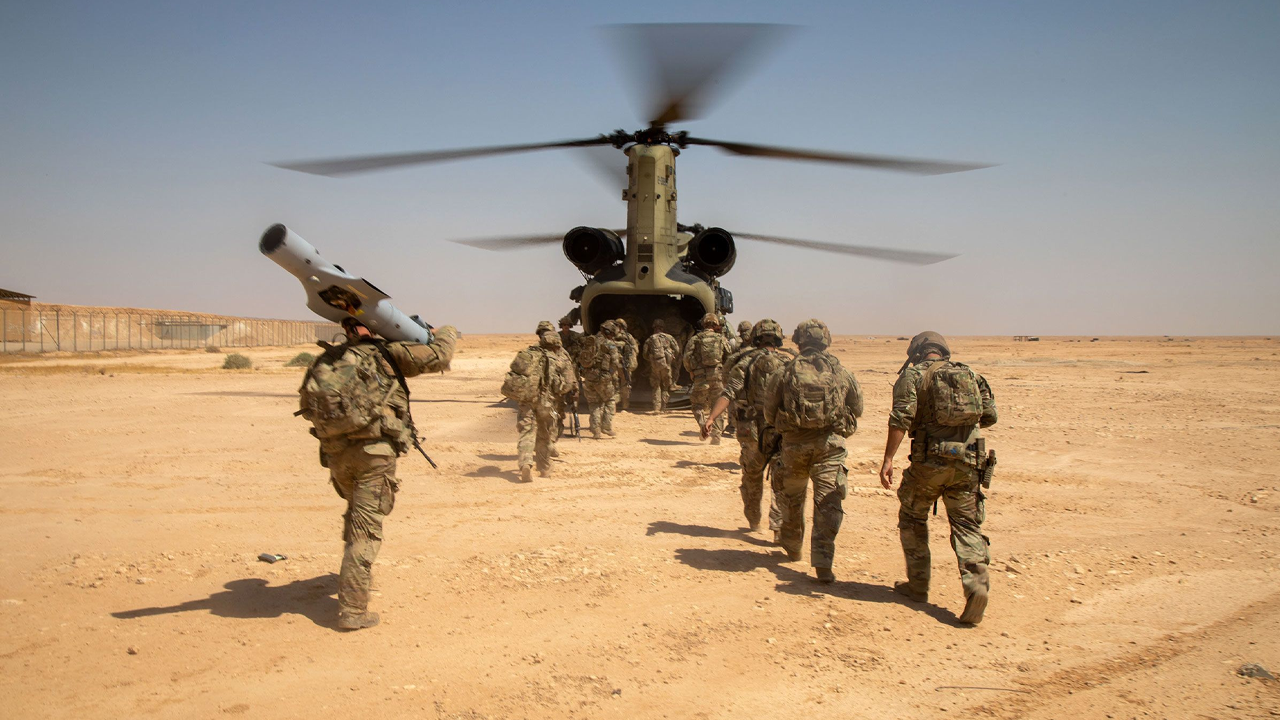
Darwin, September 30 : The United States is preparing to withdraw its military forces from Iraq after more than two decades of war and the…
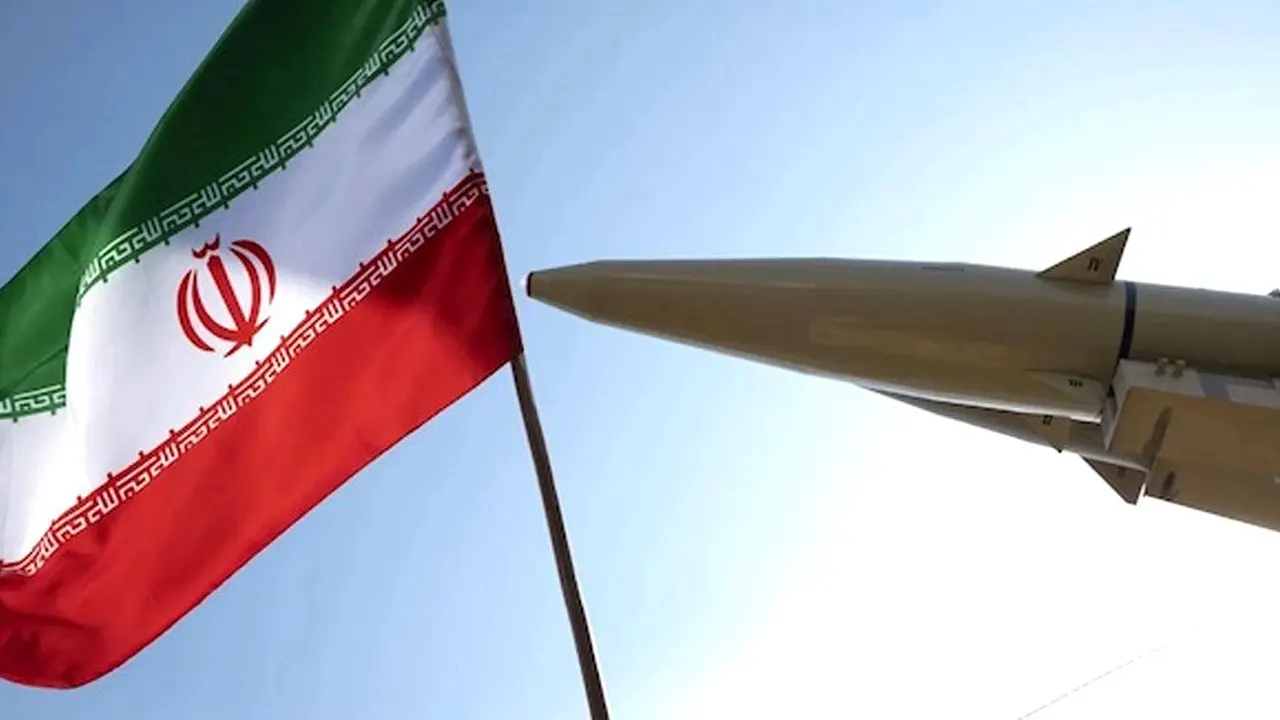
Darwin, September 30: Russia has urged Iran not to withdraw from the Treaty on the Non-Proliferation of Nuclear Weapons (NPT), calling on Tehran to remain…