Navi Pillay, Who Fought for Gaza, Wins Nobel Peace Prize
Darwin, October 09: Navanetham “Navi” Pillay, a South African jurist who led a United Nations investigative commission that described Israel’s actions in Gaza as genocide,…



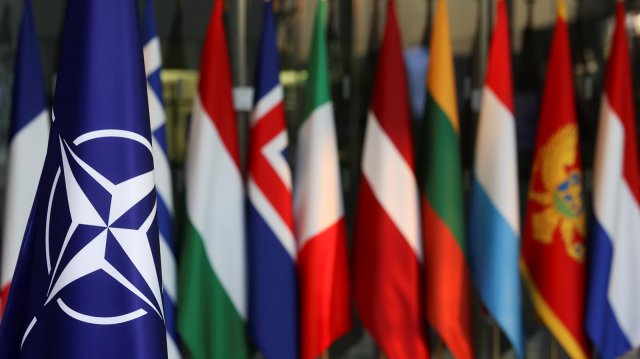
Darwin, 11 January : Recent remarks by the administration of US President Donald Trump, threatening to take control of Greenland by military action or direct occupation, have triggered fresh concerns within the NATO alliance.
Washington argues that controlling Greenland is strategically essential to counter rival powers such as China and Russia in the Arctic region. President Trump has claimed that if the United States does not take control of Greenland now, China or Russia could seize it in the near future.
However, Greenland is an autonomous territory of Denmark, and Denmark is a founding member of NATO. European and Canadian leaders have swiftly expressed support for Denmark and Greenland, warning that any such move would create an unprecedented crisis in NATO’s history.
Qatar-based media outlet Al Jazeera reported the developments.
The United States already operates the Pituffik Space Base in Greenland, which is run in coordination with Danish authorities, highlighting decades of close military cooperation between the two countries.
Analysts say that any attempt by the US to seize Greenland would seriously call into question NATO’s collective defence principle, enshrined in Article 5 of the North Atlantic Treaty.
Under Article 5, an armed attack against one NATO member is considered an attack against all. However, activating the article requires unanimous agreement. If a conflict were to arise between two member states, NATO could be rendered effectively paralysed, as the alliance cannot take military action against itself.
Historically, tensions and even near-conflicts have occurred between NATO members. From 1958 to 1976, the United Kingdom and Iceland clashed in a series of naval confrontations known as the Cod Wars.
In 1974, Greece and Turkey came close to direct war over Cyprus. In 1995, Canada and Spain were involved in a naval standoff over fishing rights.
NATO has also been deeply divided over major crises such as the Suez Canal crisis, the Vietnam War, the Kosovo intervention, the 2003 Iraq War, and the 2011 intervention in Libya. Despite these disputes, the alliance has never collapsed.
The Greenland issue, however, is now seen as a major test of NATO’s unity, credibility, and long-term future.

Darwin, October 09: Navanetham “Navi” Pillay, a South African jurist who led a United Nations investigative commission that described Israel’s actions in Gaza as genocide,…

Darwin, October 08: U.S. President Donald Trump said on Wednesday that he deserves to win the Nobel Peace Prize, while expressing doubts that he would…

Darwin, October 07: Russia has finalized preparations to provide Iran with a $1 billion loan. The funds will be transferred once Tehran provides the necessary…
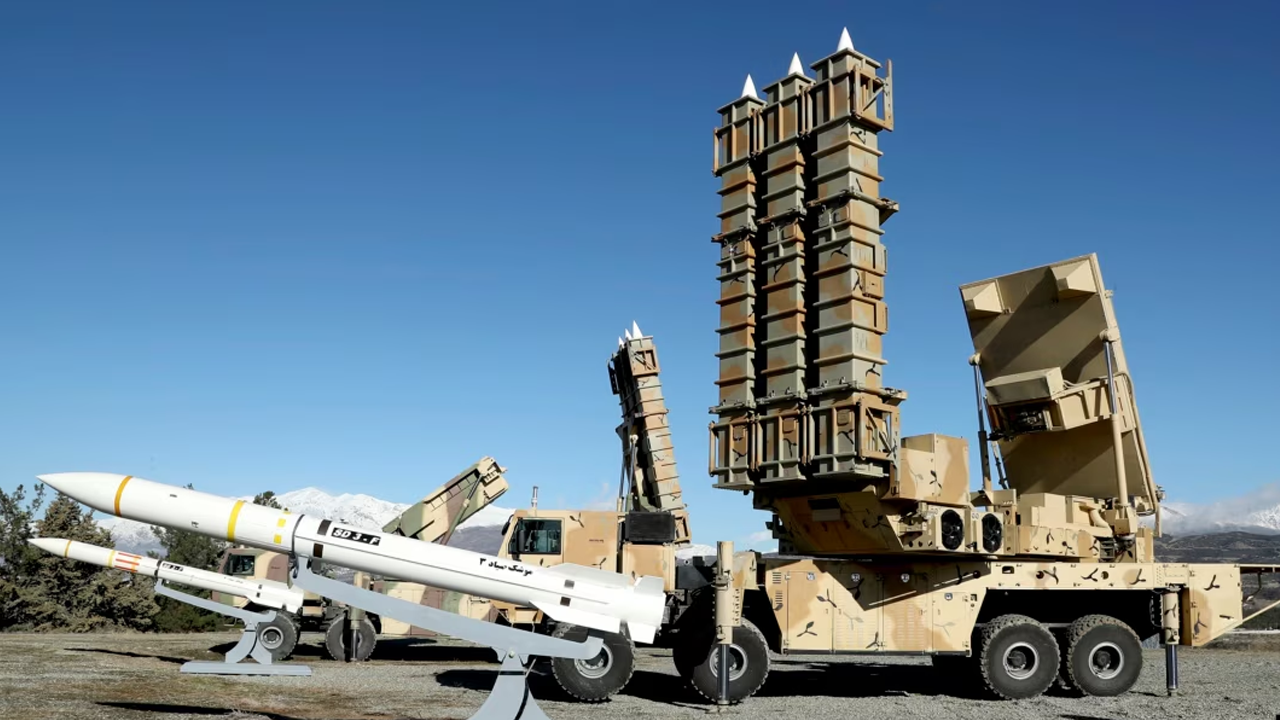
DARWIN, October 7: Iran has warned that it will deliver a stronger response if the United States or Israel launches another attack. The country also…

Darwin, October 05: Deaths in Australia are expected to outnumber births by the 2060s, according to a government report, marking a demographic milestone that countries…

Darwin, October 04: Ten people, including three children, have been injured after a car crashed into a crowd of rugby league fans in Newcastle, eastern…

Darwin, October 4: Australia’s central bank has raised interest rates to their highest level in 15 years, increasing mortgage repayments for millions of Australian households….

Darwin, October 3: Under pressure from US President Donald Trump to bring down rising fuel prices, G7 leaders are set to release up to 100…