Ten Injured After Car Ploughs Into Rugby League Fans in Australia
Darwin, October 04: Ten people, including three children, have been injured after a car crashed into a crowd of rugby league fans in Newcastle, eastern…



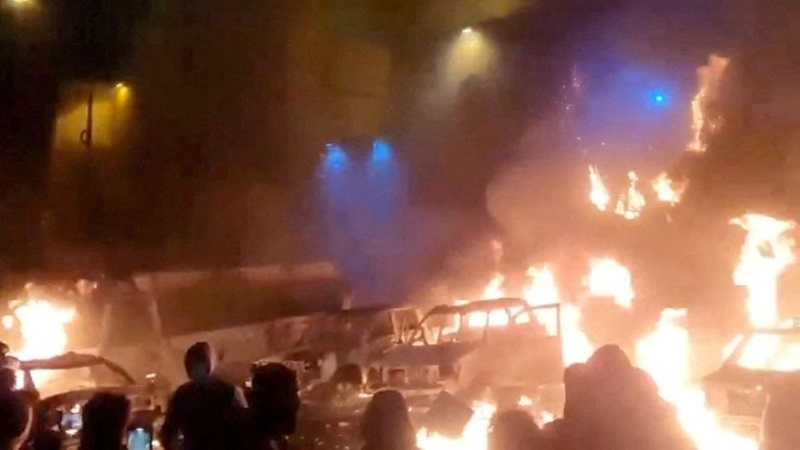
TEHRAN : Despite a bloody crackdown on domestic protests and the threat of US military intervention, the Iranian government confirmed on Monday that it is maintaining active communication channels with the United States.
Foreign Ministry spokesperson Esmaeil Baghaei revealed that Foreign Minister Abbas Araqchi and US special envoy Steve Witkoff are exchanging messages “whenever necessary.” While the rhetoric remains hostile, the admission suggests that both nations are seeking to avoid an uncontrolled escalation into full-scale war.
President Donald Trump stated on Sunday that Iran had reached out to negotiate regarding its nuclear program. This follows a devastating 12-day conflict in June during which the US and Israel targeted Iranian nuclear sites.
“Iran wants to negotiate, yes. We might meet with them,” Trump told reporters, though he cautioned that the ongoing violence against Iranian protesters might force a US response before any such meeting takes place. Tehran, for its part, maintains it “never left the negotiating table,” despite labeling recent US messages as “contradictory” and “unconvincing.”
In a briefing to foreign ambassadors, Abbas Araqchi reiterated a dual-track strategy: the Islamic Republic is “ready for war but also open to dialogue.” However, the internal stability of Iran is being tested like never before.
Iranian Parliament Speaker Mohammad Baqer Qalibaf warned Washington against a “miscalculation,” threatening that US bases, ships, and Israeli territories would be “legitimate targets” in the event of an attack. This defiance comes at a time when Iran’s regional influence has been severely hampered by the degradation of allies like Hezbollah.
While the leadership in Tehran claims the situation is “under total control,” experts suggest the clerical establishment is emerging from this crisis far weaker. The protests, which began over economic hardship, have evolved into a nationwide movement calling for the fall of the establishment—all while the Revolutionary Guards’ massive business interests face increasing public resentment.
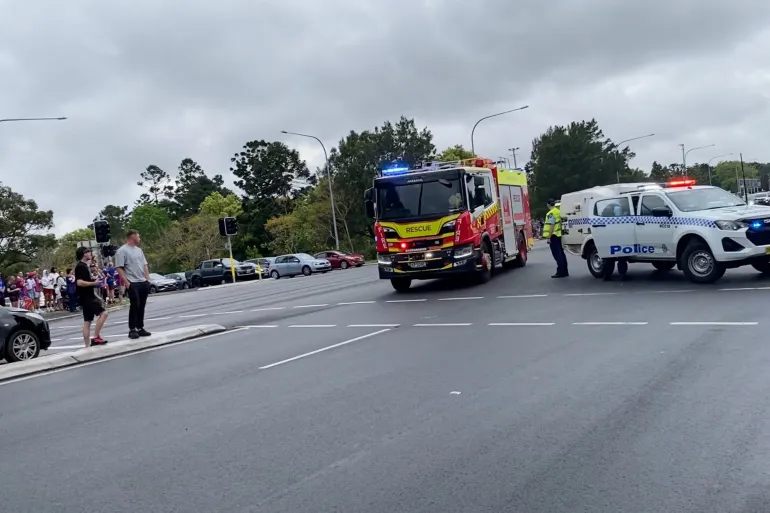
Darwin, October 04: Ten people, including three children, have been injured after a car crashed into a crowd of rugby league fans in Newcastle, eastern…
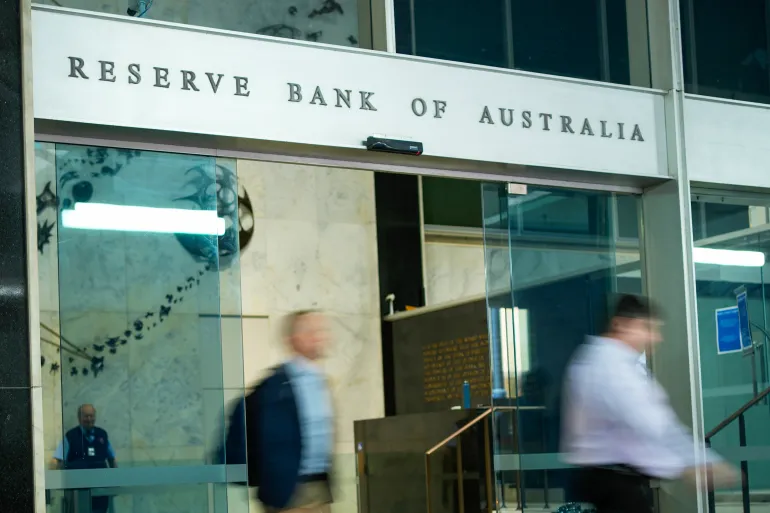
Darwin, October 4: Australia’s central bank has raised interest rates to their highest level in 15 years, increasing mortgage repayments for millions of Australian households….

Darwin, October 3: Under pressure from US President Donald Trump to bring down rising fuel prices, G7 leaders are set to release up to 100…
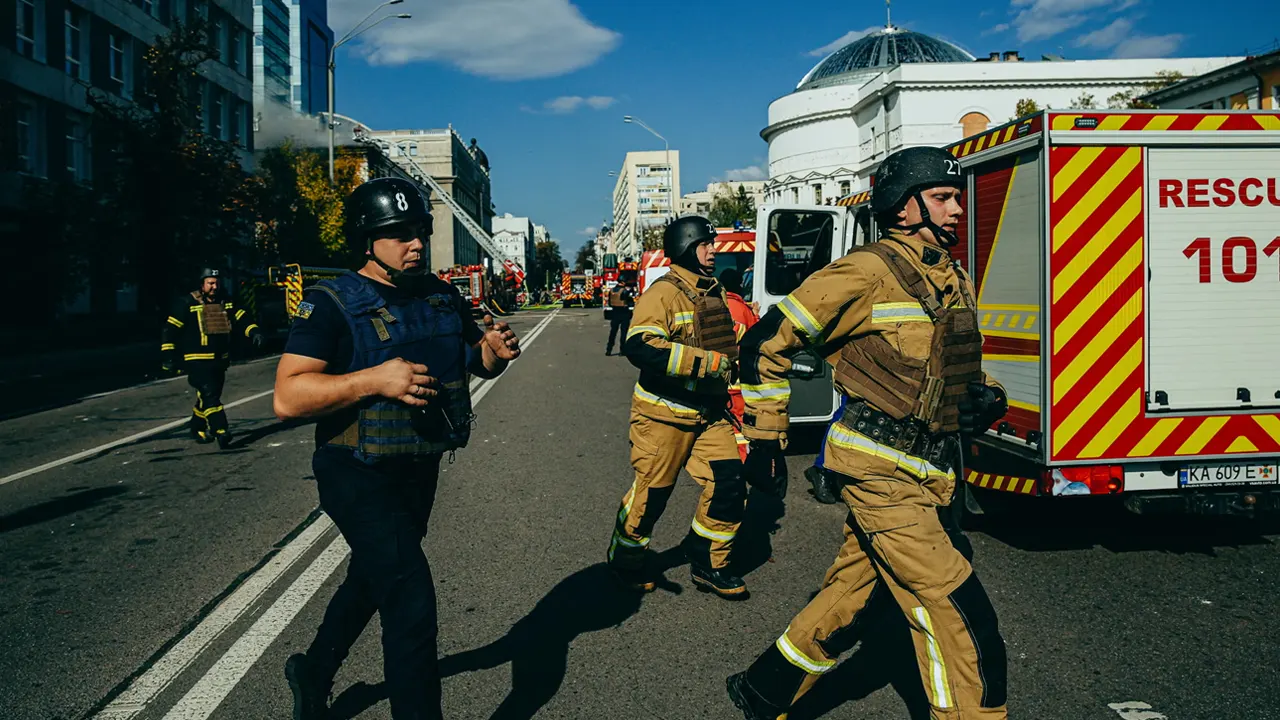
Darwin, October 3: Russia’s daily attacks are filling the lives of Kyiv residents with fear and uncertainty. From schools and hospitals to bridges, power plants…
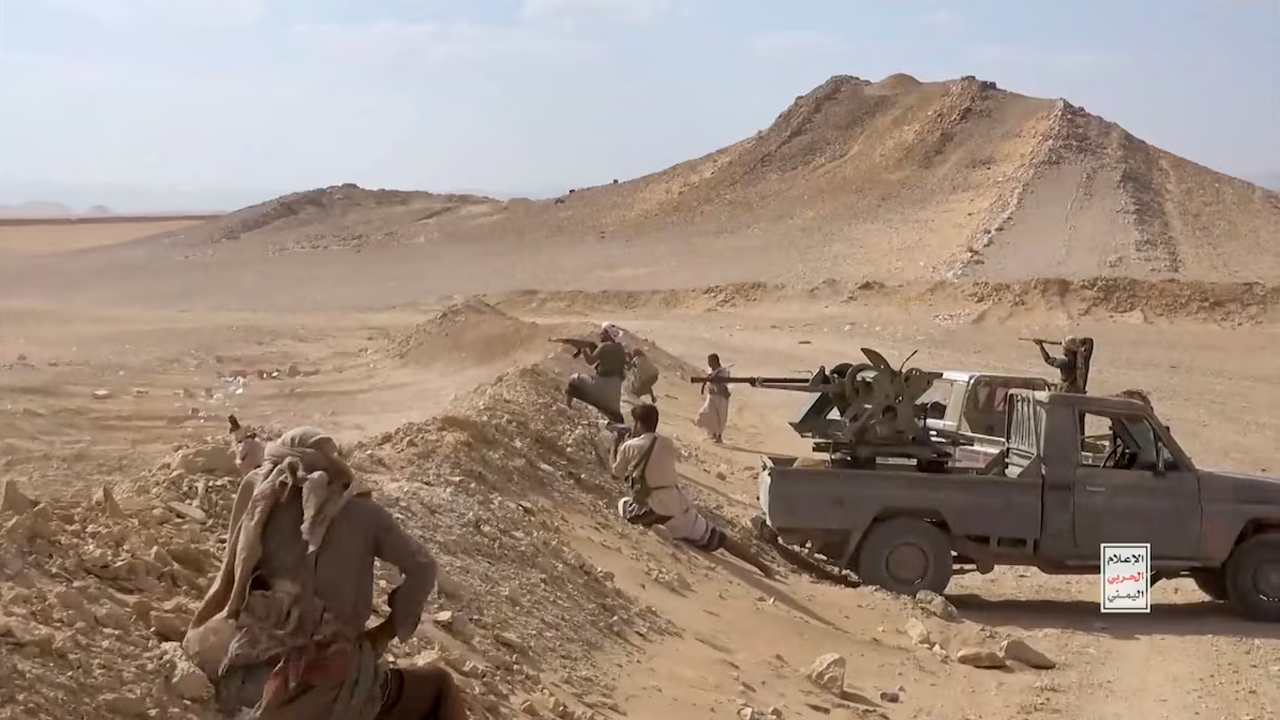
Darwin, October 3: At least 80 fighters have been killed over the past 24 hours in fierce fighting between Iran-backed Houthi rebels and Saudi-backed government…
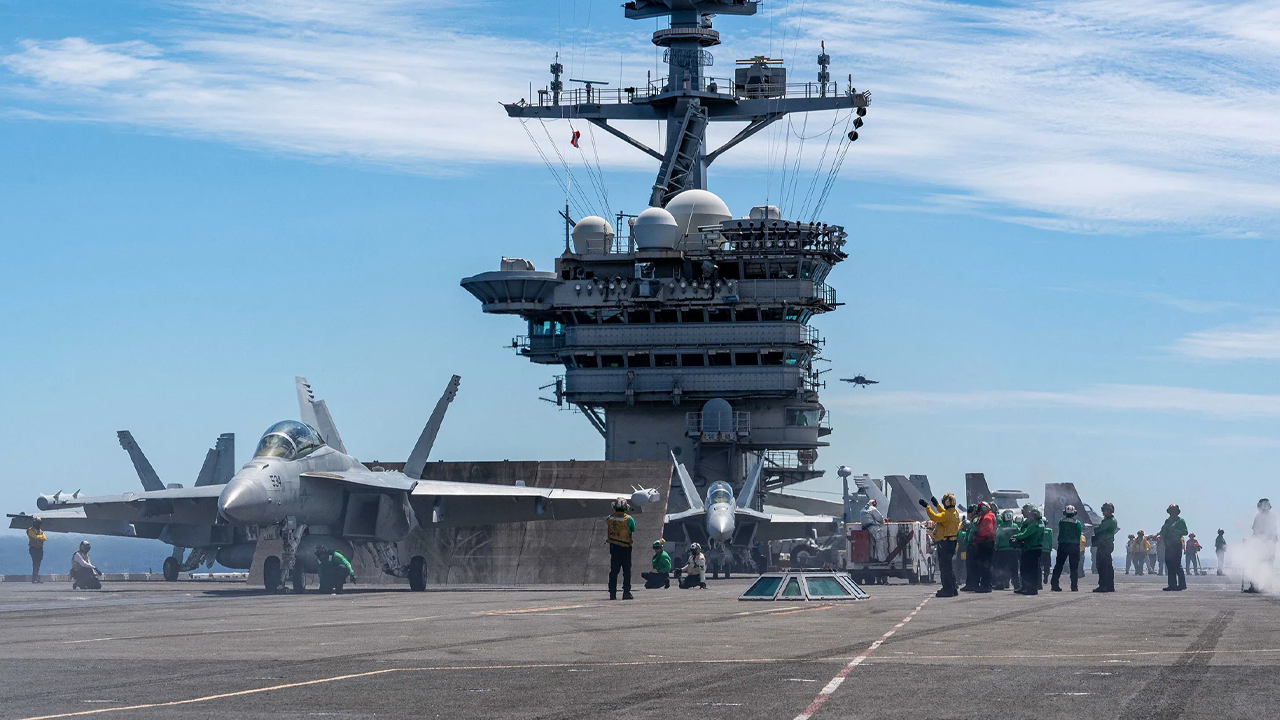
Darwin, October 3: As the Iran war enters its eighth month, the United States is sending a third aircraft carrier strike group to waters near…
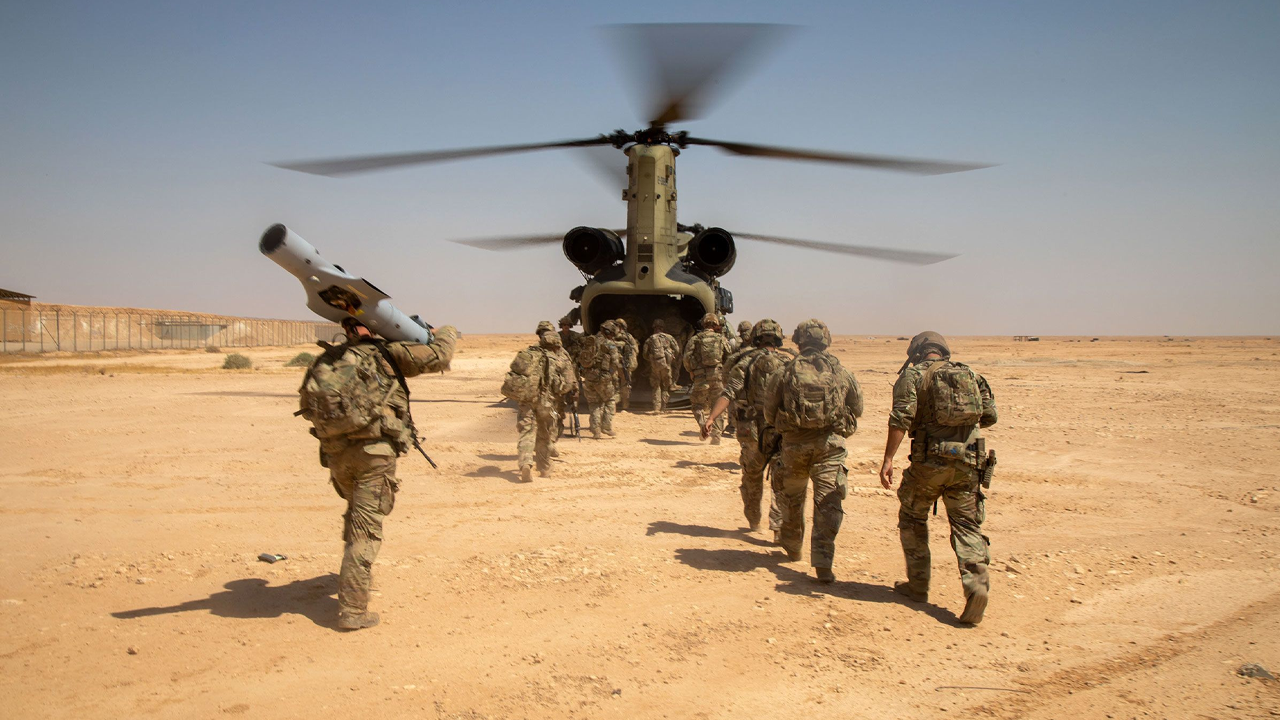
Darwin, September 30 : The United States is preparing to withdraw its military forces from Iraq after more than two decades of war and the…
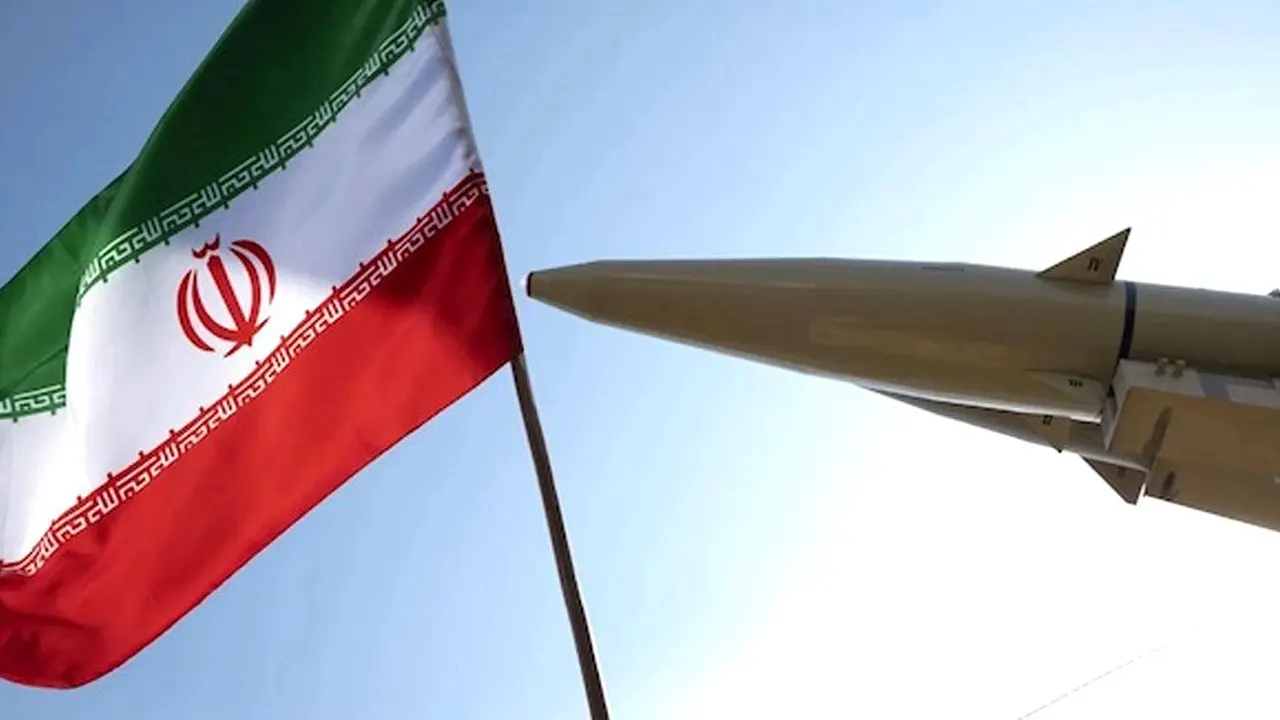
Darwin, September 30: Russia has urged Iran not to withdraw from the Treaty on the Non-Proliferation of Nuclear Weapons (NPT), calling on Tehran to remain…