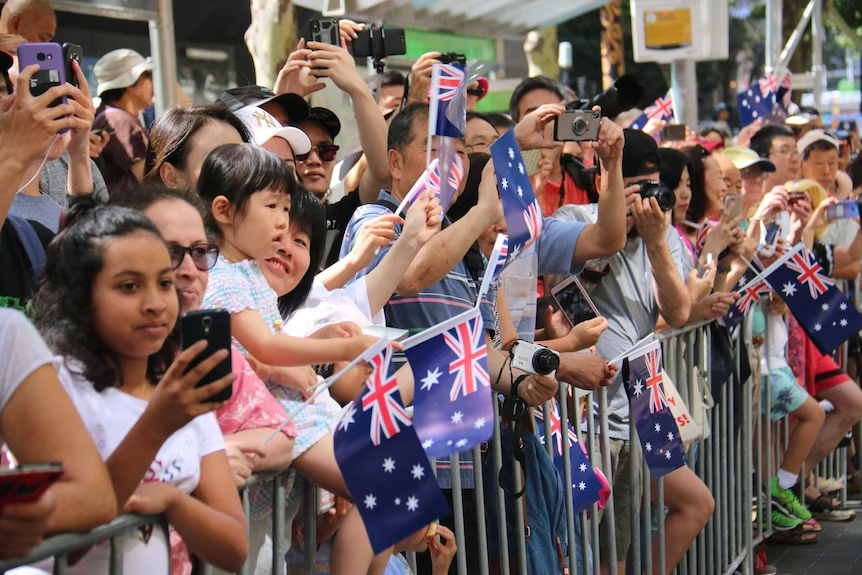
Ten Injured After Car Ploughs Into Rugby League Fans in Australia
Darwin, October 04: Ten people, including three children, have been injured after a car crashed into a crowd of rugby league fans in Newcastle, eastern…



WASHINGTON, D.C.: President Donald Trump has sent shockwaves through the global economy by announcing a sweeping 25% tariff on any nation that continues to do business with the Islamic Republic of Iran. The move is a direct response to Tehran’s violent suppression of nationwide protests, which have reportedly claimed the lives of hundreds.
In a social media post that caught international markets off-guard, Trump declared: “Effective immediately, any Country doing business with the Islamic Republic of Iran will pay a Tariff of 25 per cent on any and all business being done with the United States of America.”
The order represents a radical escalation of “secondary sanctions,” essentially forcing the world’s largest economies to choose between the Iranian market and the massive American consumer base.
The implications are vast, as Iran maintains significant trade partnerships despite existing sanctions:
China & Russia: These nations remain Iran’s most critical strategic and commercial partners.
Brazil & UAE: Both have significant agricultural and financial ties with Tehran.
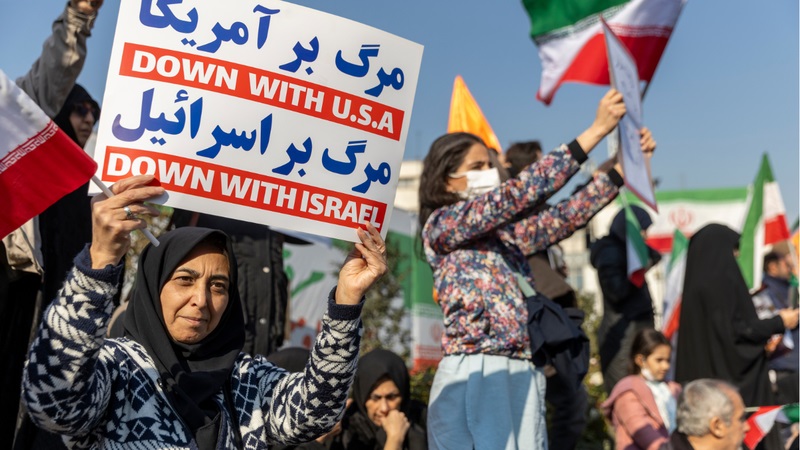
A pro-government demonstration was held in Iran in response to the much larger protests that have erupted across the country.
Australia & Europe: Western nations are also in the crossfire. Australia recorded approximately $730 million in trade with Iran in 2024. European powers like Italy and Germany also maintain small but consistent trade volumes.
Critics have pointed out a potential hypocrisy in the policy: the United States itself maintains a residual trade relationship with Iran. According to the US Census Bureau, nearly $US50 million in goods were traded between the two rivals in the ten months leading to October 2025. Trump’s order did not specify how the US would handle its own trade or how the 25% duty would be mechanically applied to complex global supply chains.
The economic squeeze comes alongside a hardening military stance. Aboard Air Force One, Trump confirmed that “very strong options,” including cyberattacks and direct kinetic strikes, remain on the table. “If they [retaliate], we will hit them at levels that they’ve never been hit before,” the President warned.

Darwin, October 04: Ten people, including three children, have been injured after a car crashed into a crowd of rugby league fans in Newcastle, eastern…
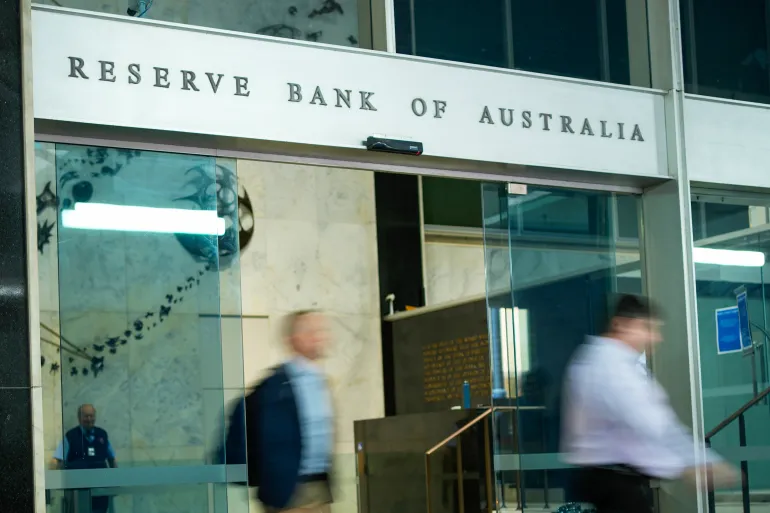
Darwin, October 4: Australia’s central bank has raised interest rates to their highest level in 15 years, increasing mortgage repayments for millions of Australian households….

Darwin, October 3: Under pressure from US President Donald Trump to bring down rising fuel prices, G7 leaders are set to release up to 100…
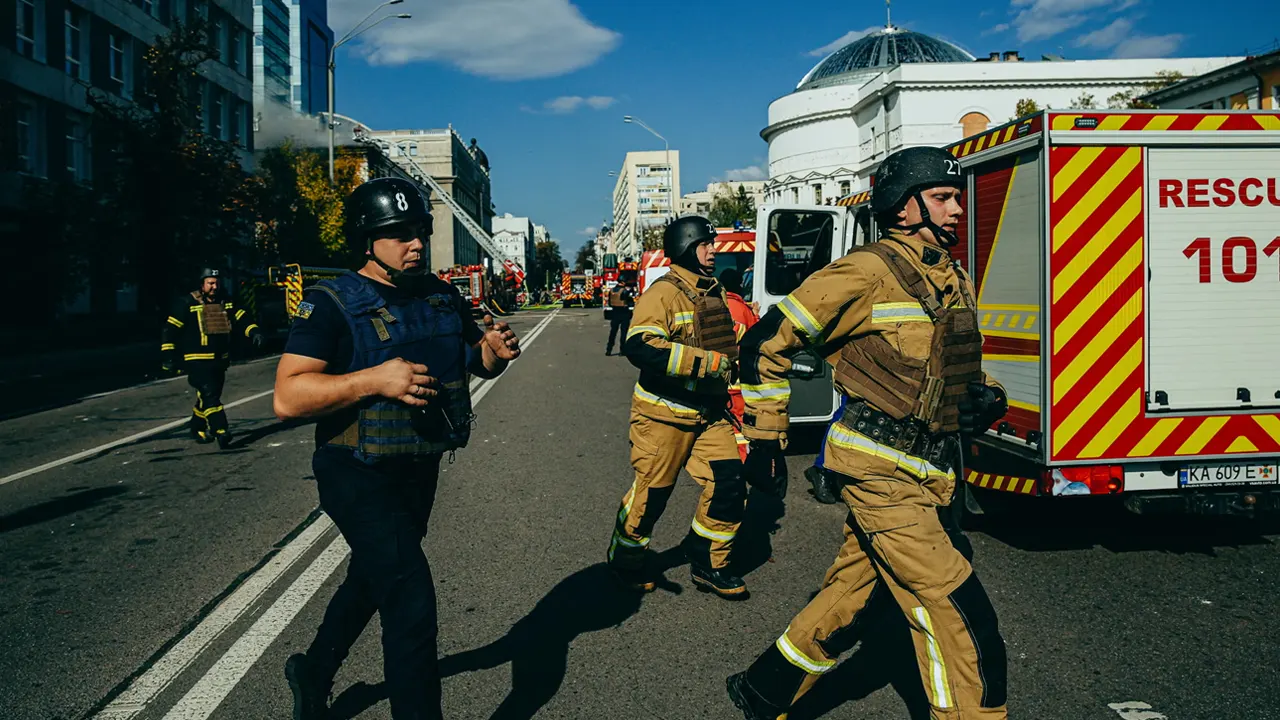
Darwin, October 3: Russia’s daily attacks are filling the lives of Kyiv residents with fear and uncertainty. From schools and hospitals to bridges, power plants…
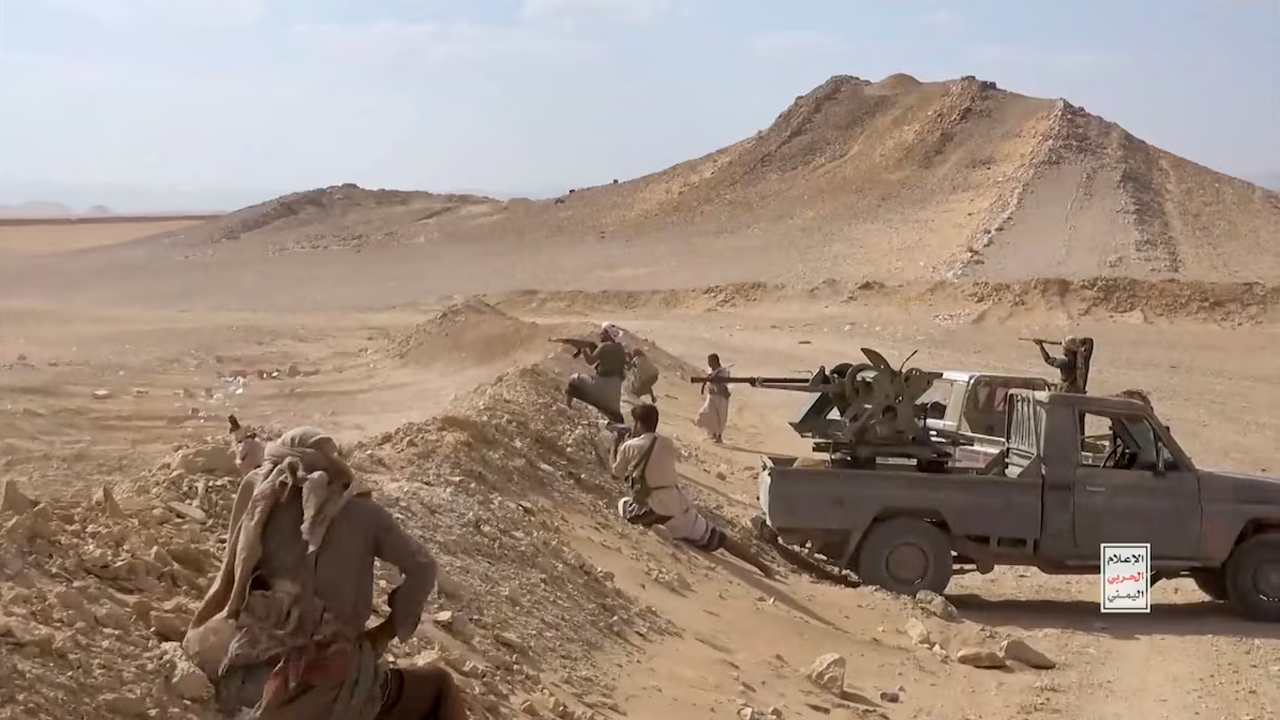
Darwin, October 3: At least 80 fighters have been killed over the past 24 hours in fierce fighting between Iran-backed Houthi rebels and Saudi-backed government…
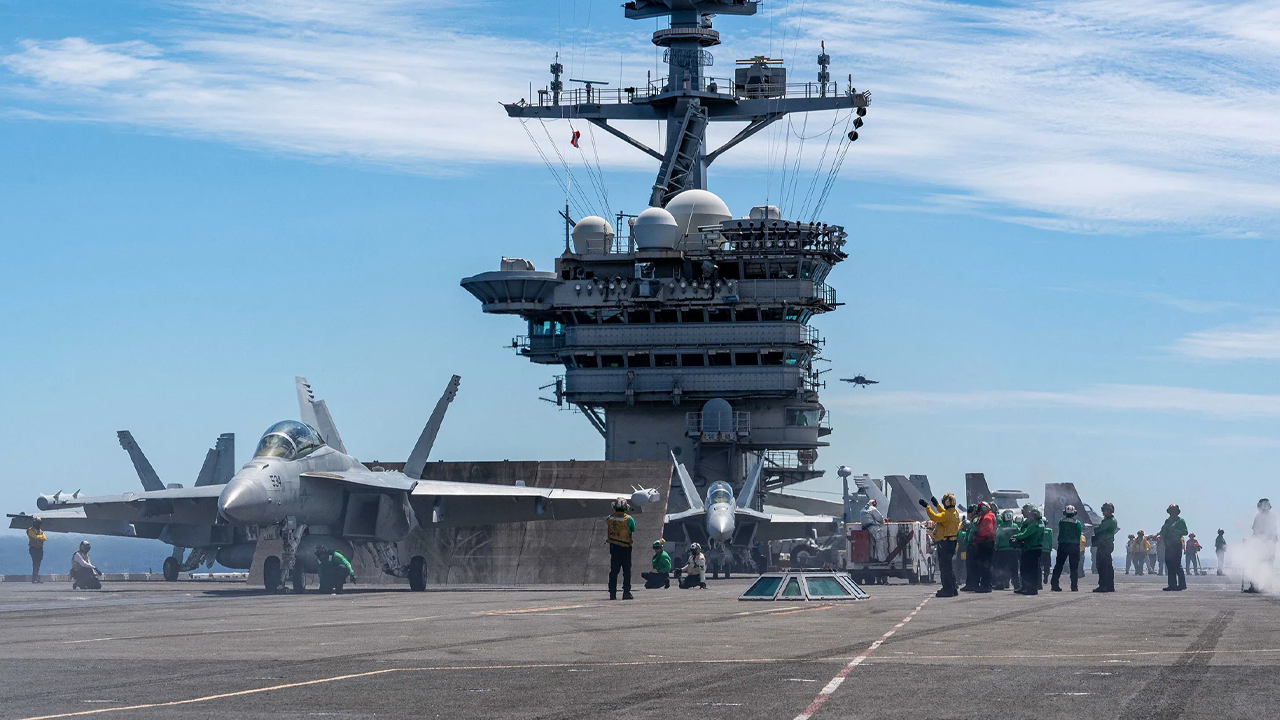
Darwin, October 3: As the Iran war enters its eighth month, the United States is sending a third aircraft carrier strike group to waters near…
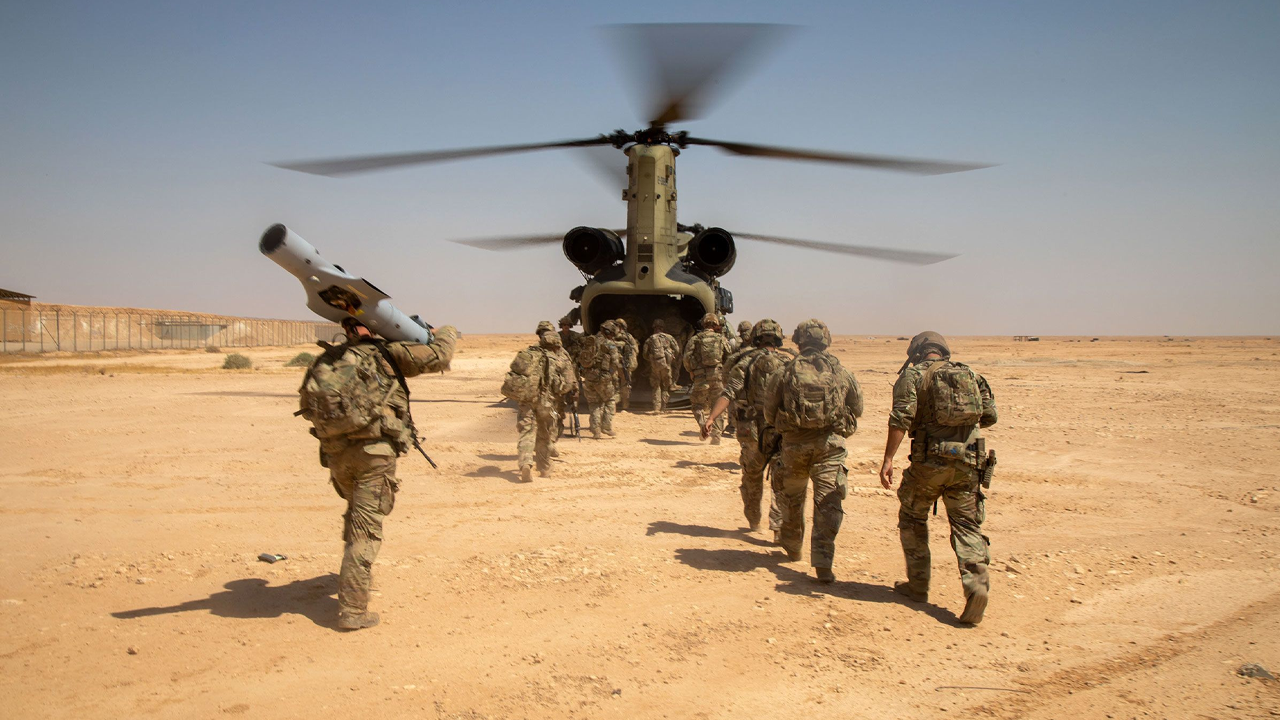
Darwin, September 30 : The United States is preparing to withdraw its military forces from Iraq after more than two decades of war and the…
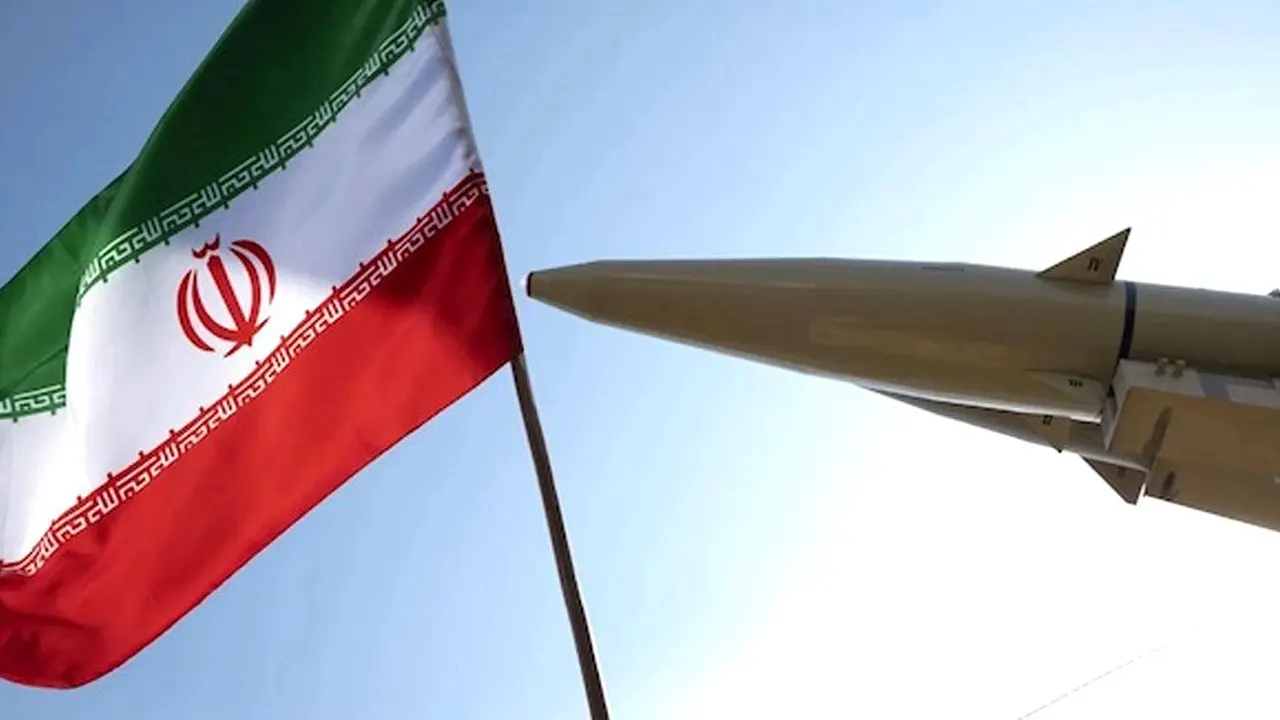
Darwin, September 30: Russia has urged Iran not to withdraw from the Treaty on the Non-Proliferation of Nuclear Weapons (NPT), calling on Tehran to remain…