Ten Injured After Car Ploughs Into Rugby League Fans in Australia
Darwin, October 04: Ten people, including three children, have been injured after a car crashed into a crowd of rugby league fans in Newcastle, eastern…



WASHINGTON, D.C. : As President Donald Trump prepares for a critical Tuesday briefing from senior military officials, the question in Washington is no longer if the U.S. can strike Iran, but how and why.
Following the successful capture of Nicolas Maduro in Venezuela—an operation Trump recently hailed as one of the most successful in American history—the appetite for military action in the Oval Office is reportedly high. However, as senior fellows at the Centre for Strategic and International Studies (CSIS) warn, “Iran is not Venezuela.”
The U.S. has already proven its ability to strike from a distance. Last summer, B-2 stealth bombers conducted 30-hour round-trip missions from Whiteman Air Force Base in Missouri to deploy bunker-busting munitions against Iran’s most fortified nuclear facilities.
Pentagon sources suggest a “lengthy target list” is currently being finalized, which could include:
Targeting IRGC command structures and units responsible for the domestic crackdown.
Disrupting Iran’s internal communication and command-and-control networks to sow confusion among security forces.
Covertly emboldening the “Axis of Resistance” internal dissidents to weaken the regime’s resolve.
Despite the “locked and loaded” rhetoric, the President is reportedly haunted by the “Jimmy Carter Disaster” of 1980. Trump recently noted that Carter “had no chance” after the botched Desert One rescue mission. This historical awareness suggests that while “boots on the ground” are unlikely, a “shoot to cause panic” strategy—as suggested by Chatham House associates—may be the preferred middle ground.
The risk remains high. While proxies like Hezbollah and the Assad regime are weakened, Iran still maintains a significant ballistic missile arsenal. Furthermore, military analysts warn that a symbolic strike could inadvertently cause a “rally around the flag” effect, hardening domestic support for the clerical establishment rather than toppling it.
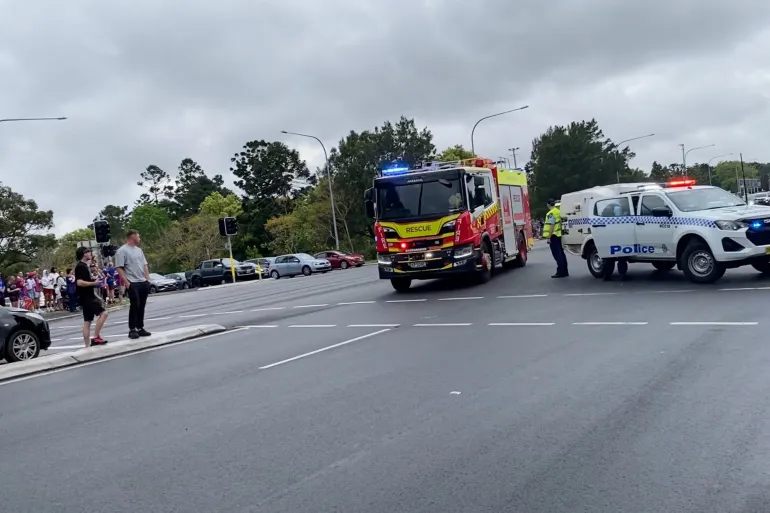
Darwin, October 04: Ten people, including three children, have been injured after a car crashed into a crowd of rugby league fans in Newcastle, eastern…
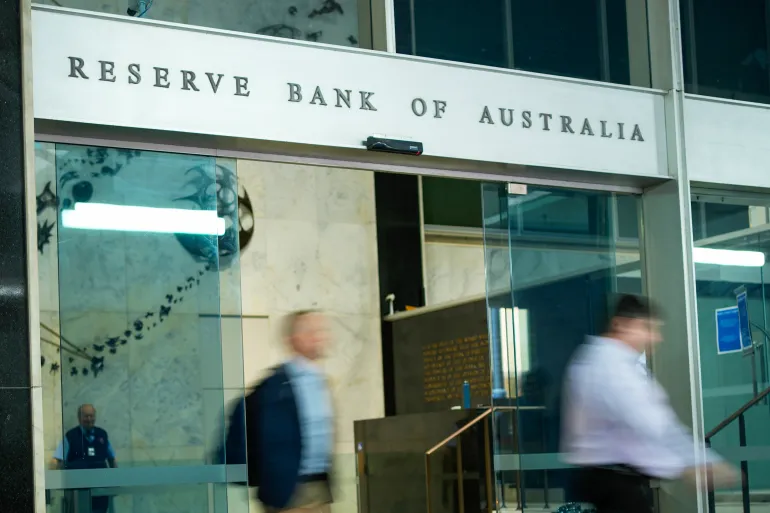
Darwin, October 4: Australia’s central bank has raised interest rates to their highest level in 15 years, increasing mortgage repayments for millions of Australian households….

Darwin, October 3: Under pressure from US President Donald Trump to bring down rising fuel prices, G7 leaders are set to release up to 100…
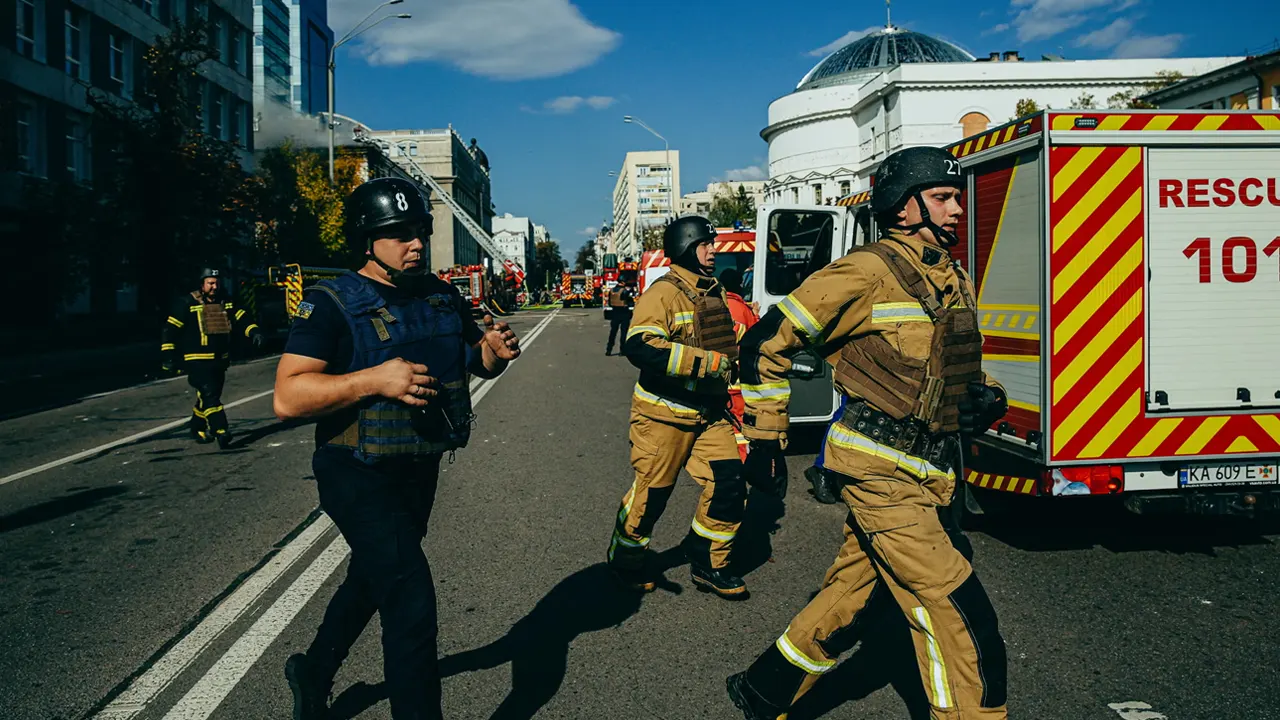
Darwin, October 3: Russia’s daily attacks are filling the lives of Kyiv residents with fear and uncertainty. From schools and hospitals to bridges, power plants…
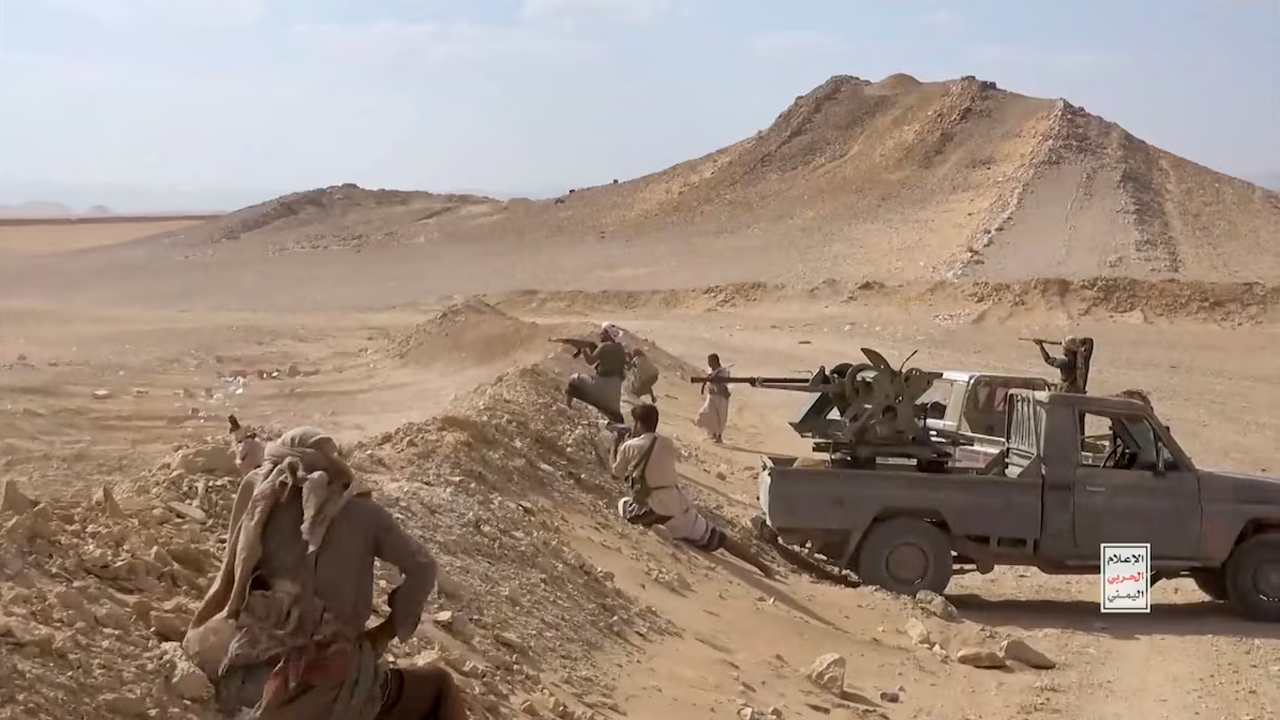
Darwin, October 3: At least 80 fighters have been killed over the past 24 hours in fierce fighting between Iran-backed Houthi rebels and Saudi-backed government…
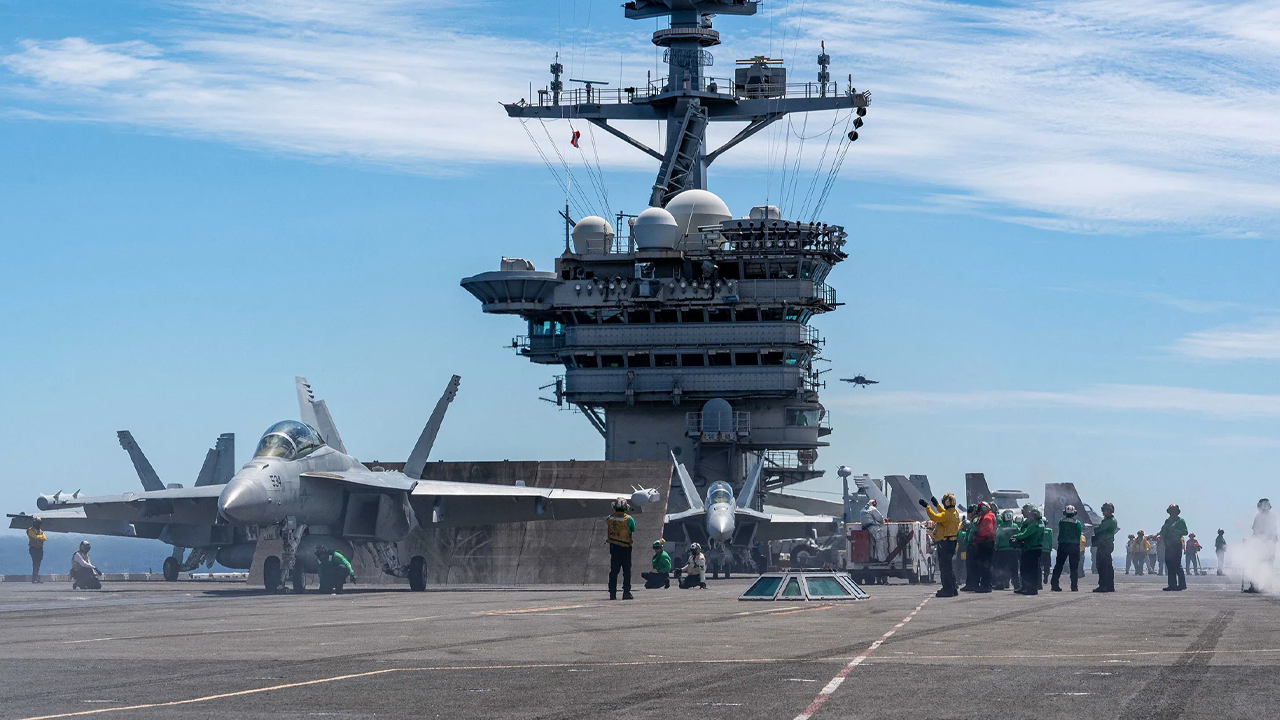
Darwin, October 3: As the Iran war enters its eighth month, the United States is sending a third aircraft carrier strike group to waters near…
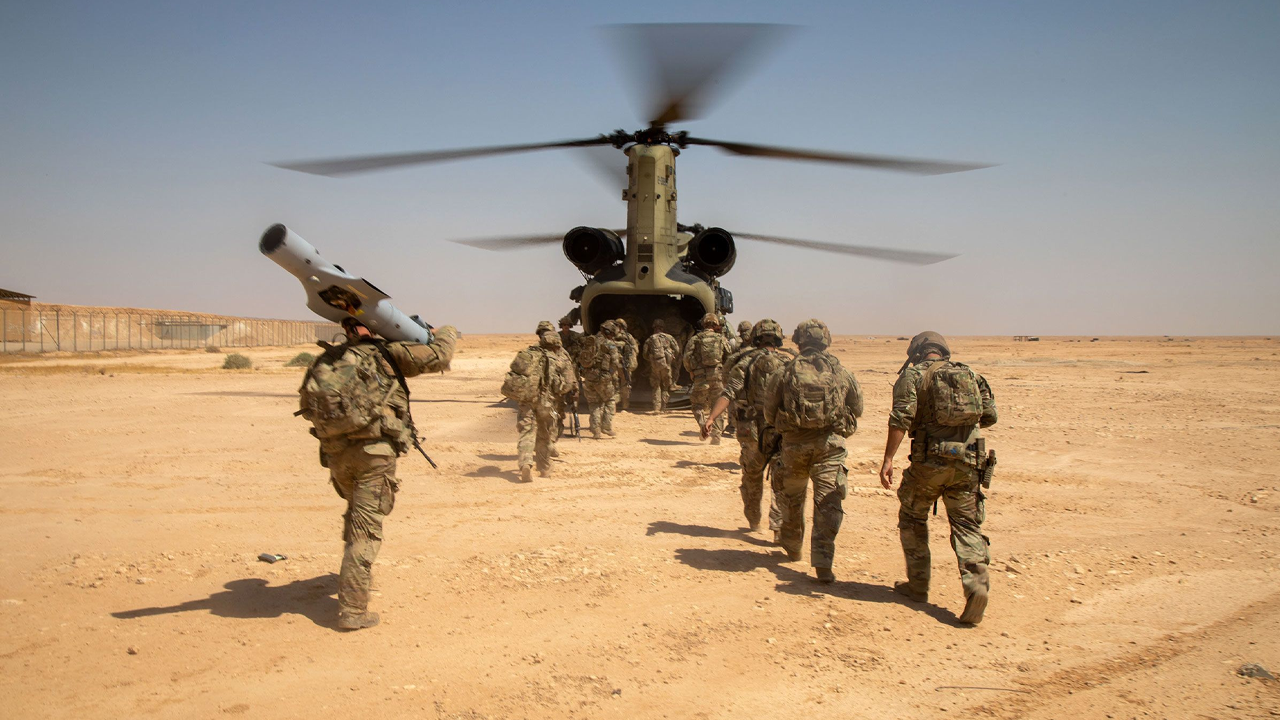
Darwin, September 30 : The United States is preparing to withdraw its military forces from Iraq after more than two decades of war and the…
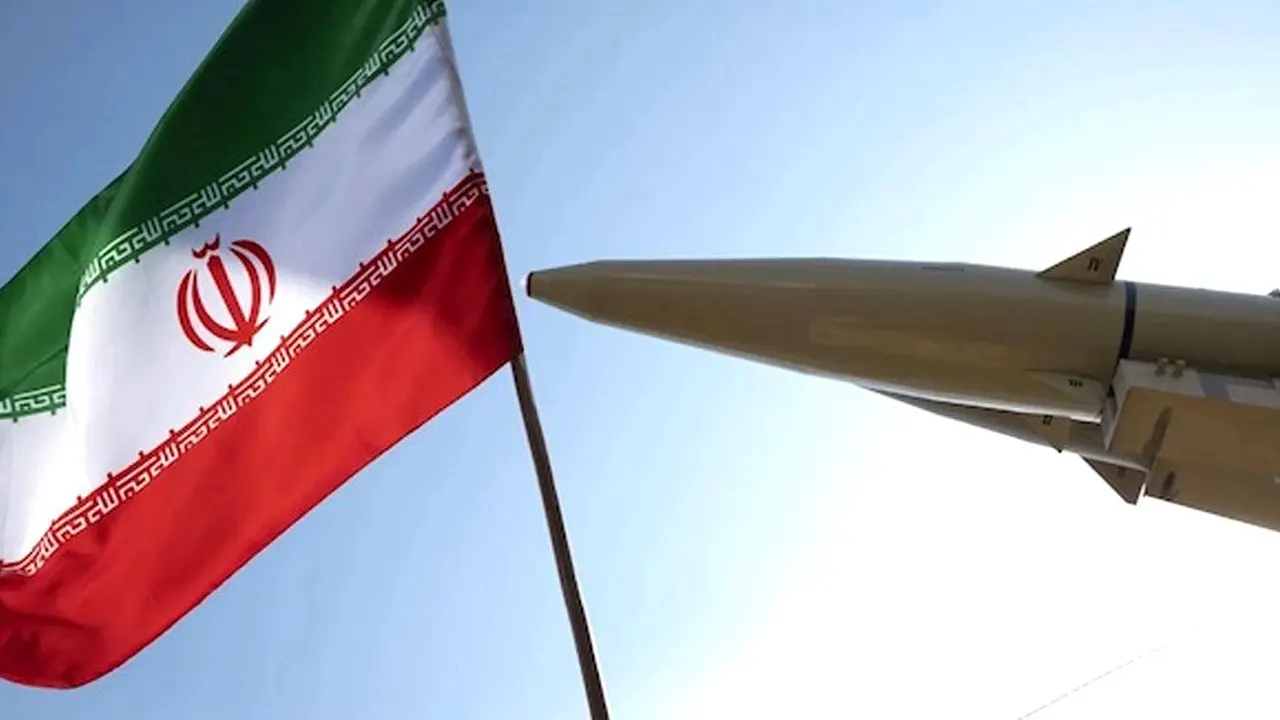
Darwin, September 30: Russia has urged Iran not to withdraw from the Treaty on the Non-Proliferation of Nuclear Weapons (NPT), calling on Tehran to remain…