Navi Pillay, Who Fought for Gaza, Wins Nobel Peace Prize
Darwin, October 09: Navanetham “Navi” Pillay, a South African jurist who led a United Nations investigative commission that described Israel’s actions in Gaza as genocide,…



Darwin, 20 January: Authorities have closed more than several dozen beaches along Australia’s eastern coastline, including in Sydney, after a spate of shark attacks and heavy rainfall that has reduced water visibility, officials said on Tuesday.
According to a report by Reuters, beaches around Port Macquarie, about 400 kilometres north of Sydney, were shut after a man was injured by a shark bite while surfing on Tuesday morning. The incident followed another attack on Monday evening at Manly Beach in Sydney, where a 20-year-old surfer was wounded.
Within the same two-day period, a child narrowly escaped injury in one incident, while a teenager was seriously hurt at another beach, prompting heightened concern among authorities.
Steven Pearce, Chief Executive of Surf Life Saving New South Wales, told reporters that beachgoers should avoid swimming in the ocean for now. “If people are planning to swim, it’s safer to go to local swimming pools at the moment. The beaches are not safe right now,” he said.
Pearce added that current water conditions have created an environment favourable for bull sharks. Experts say days of heavy rainfall have caused a mix of fresh and salt water — known as brackish water — in harbours and nearby beaches, which is ideal for bull sharks and increases their activity.
Shark behaviour expert and researcher Chris Pepin-Neff told the Sydney Morning Herald that sharks do not typically attack humans. However, murky water limits their visibility, making accidental encounters more likely. “In low visibility, if a shark bumps into something, it may bite out of curiosity or defensively,” he said.
Pepin-Neff also noted that heavy rain washes sewage and debris into the ocean, attracting smaller fish, which in turn draw sharks closer to shore.
Environmental agencies estimate that Australia records an average of around 20 shark attacks each year, fewer than three of which are fatal. By contrast, the number of deaths from drowning at Australian beaches is significantly higher.
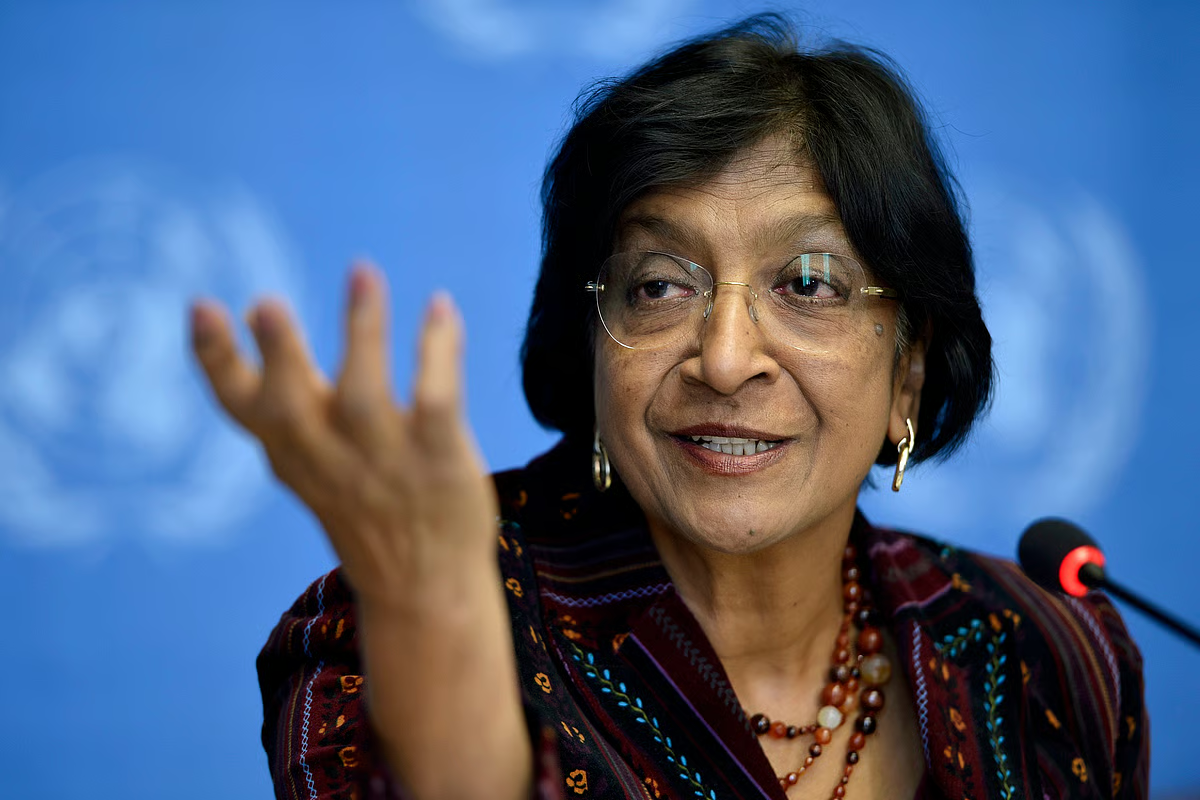
Darwin, October 09: Navanetham “Navi” Pillay, a South African jurist who led a United Nations investigative commission that described Israel’s actions in Gaza as genocide,…

Darwin, October 08: U.S. President Donald Trump said on Wednesday that he deserves to win the Nobel Peace Prize, while expressing doubts that he would…

Darwin, October 07: Russia has finalized preparations to provide Iran with a $1 billion loan. The funds will be transferred once Tehran provides the necessary…
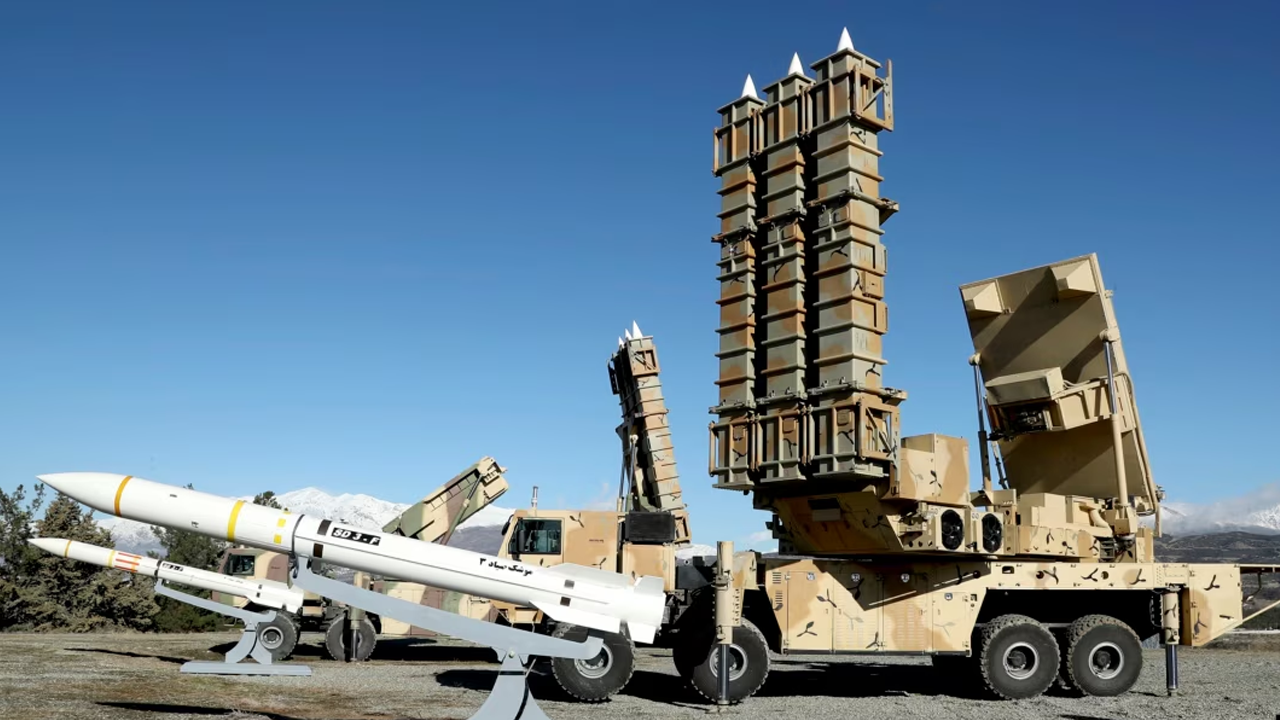
DARWIN, October 7: Iran has warned that it will deliver a stronger response if the United States or Israel launches another attack. The country also…

Darwin, October 05: Deaths in Australia are expected to outnumber births by the 2060s, according to a government report, marking a demographic milestone that countries…

Darwin, October 04: Ten people, including three children, have been injured after a car crashed into a crowd of rugby league fans in Newcastle, eastern…
Darwin, October 4: Australia’s central bank has raised interest rates to their highest level in 15 years, increasing mortgage repayments for millions of Australian households….

Darwin, October 3: Under pressure from US President Donald Trump to bring down rising fuel prices, G7 leaders are set to release up to 100…