Darwin, 12 February:
Bangladesh is voting in its 13th National Parliamentary Election following the fall of the Sheikh Hasina government in last July’s mass uprising. Polling began at 7:30am on Thursday and will continue until 4:30pm across the country.
This marks the first national election since the dramatic political transition. The main contest is shaping up between the BNP-led alliance and Jamaat-e-Islami, which is contesting as a major rival to BNP for the first time. Young voters are widely seen as the key deciding factor, with all major parties placing special emphasis on youth-focused commitments in their election manifestos.
Tensions and Cash Seizures Ahead of Polls
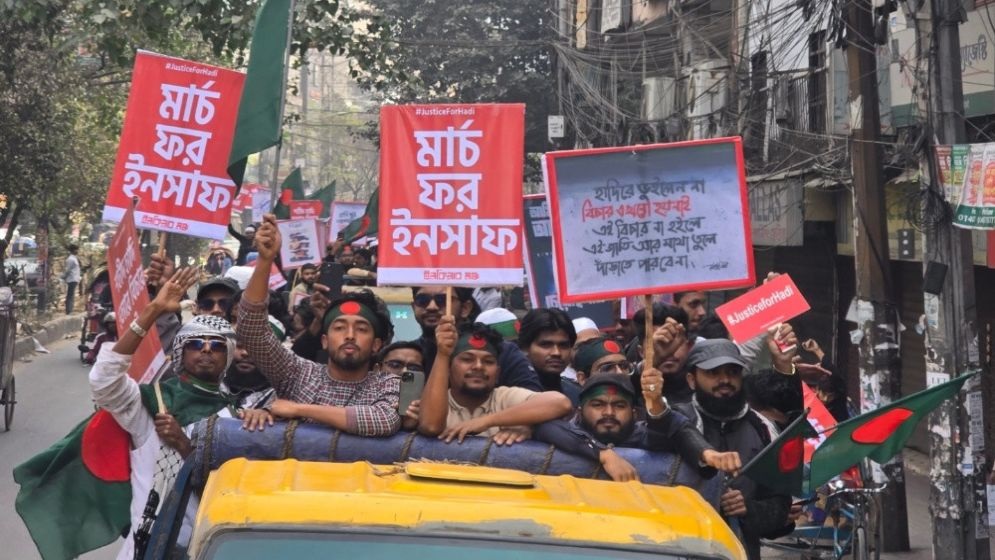
Despite widespread enthusiasm, concerns emerged in the final days of campaigning. Allegations of attempts to create unrest by the ousted Awami League, as well as sporadic clashes between BNP and Jamaat supporters, have heightened tensions.
In a high-profile incident, Tk 7.4 million was reportedly recovered at Saidpur Airport from Belal Uddin, Ameer of Thakurgaon district Jamaat. In Lakshmipur, Tk 1.5 million was seized from a campaign vehicle linked to BNP leader Shahid Uddin Chowdhury Annie. Across the country, several activists from both BNP and Jamaat were detained with cash, and some faced summary trials under mobile courts.
Jamaat’s central Assistant Secretary General and Director of Media, Ehsanul Mahbub Jubayer, dismissed the cash recovery incidents as “staged drama.” The party also alleged attacks, threats, and obstruction of campaign activities against its leaders and activists in various areas, declaring it would not “leave the field under any circumstances.”

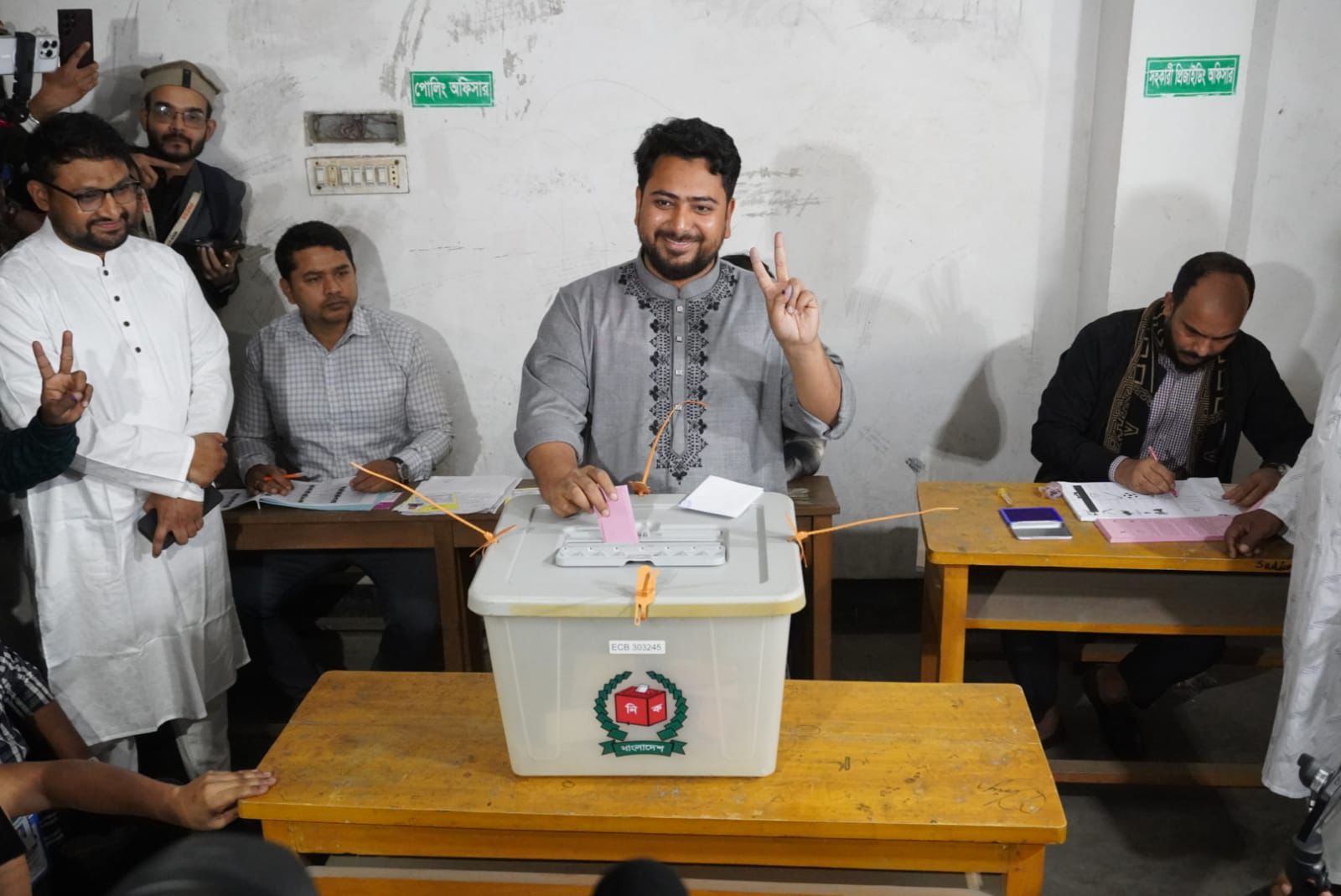
Jamaat Islami Bangladesh leader Shafiqur Rahman putting his vot in ballot box.
Tight Security Measures Nationwide
Law enforcement agencies have pledged to deliver what they describe as one of the safest elections in the country’s history. Police, RAB, BGB, Ansar, Coast Guard, and the Armed Forces have been deployed nationwide. Authorities have increased patrols and checkpoints, and security forces are conducting searches and questioning suspicious individuals.
The Home Affairs Adviser said the government and security forces are working in coordination to ensure a free, fair, and peaceful vote.
In a televised address to the nation, Chief Adviser Muhammad Yunus said the government has taken maximum preparations to ensure a transparent and neutral election. A record number of security personnel have been deployed, including armed forces members with magisterial powers to respond swiftly to any disorder or violence.
He also warned citizens against rumors and misinformation, alleging that a “vested quarter” is deliberately spreading false information to undermine public confidence and disrupt the peaceful environment of the election.
Jamaat’s Return as a Major Contender
For the first time, Jamaat-e-Islami is directly competing with BNP as a principal force in the electoral battle. While pre-election surveys suggest BNP holds an advantage, Jamaat hopes to achieve a breakthrough following the political changes of August 2024.

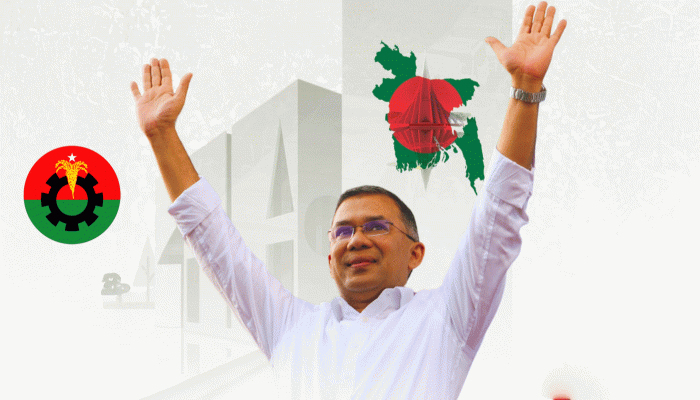
BNP Chairman Tareq Rahman.
Historically, Jamaat has participated directly under its own banner in five national elections, contested under alliances in others, and at times was unable to participate due to legal and political constraints. After losing its registration in 2008, the party was unable to contest under its own symbol for years. However, in 2025, the Supreme Court restored its registration and electoral symbol, the scales (“Dharipalla”).
Now, in the 2026 election, Jamaat is contesting as part of its own alliance and hopes to surpass previous electoral records.
Candidates and Voter Statistics
A total of 2,029 candidates are contesting 299 parliamentary seats. Of them, 1,755 are nominated by political parties and 274 are independent candidates. There are 83 female candidates — 63 from political parties and 20 independents.
Bangladesh has 127.7 million registered
voters:
64.8 million male
62.88 million female
1,232 third-gender voters
Postal ballots were sent to 124 countries. So far, 422,960 postal ballots have been received, with 94 percent cast by male voters and 6 percent by female voters.
Voting is taking place at 42,779 polling centers nationwide. A total of 51 registered political parties are participating, including BNP and Jamaat-e-Islami. The Awami League and nine other parties are boycotting the election.
Expected Voter Turnout
The Election Commission (EC) estimates voter turnout may range between 60 and 65 percent.
Officials note that while there is a festive mood surrounding the election, lingering distrust from the previous three national elections remains. In the 2024 election, turnout was 42 percent; in 2018, it was officially recorded at 80 percent but faced widespread allegations of irregularities; and in 2014, turnout stood at 40 percent.
By contrast, the 2008 election saw 87.13 percent turnout, and the 2001 election recorded 74.73 percent — both considered comparatively competitive contests with broad participation from major political parties.
As voters head to polling stations, the country watches closely to see whether this election will mark a new chapter of democratic restoration following months of political upheaval.