Pritom Hasan and Shehtaz Monira End 10-Year Relationship, Move Towards Divorce
Darwin, October 05: Popular Bangladeshi singer and actor Pritom Hasan and model-actress Shehtaz Monira Hashem have decided to end their marriage after a decade together,…



Darwin, 05 January: Enforced disappearance has emerged as one of the most systematic and enduring forms of state repression in Bangladesh over the past decade and a half, according to findings released in Chapter Five of the Goom Commission’s final report.
Drawing on verified complaints, survivor testimonies and corroborated investigations, the Commission concludes that enforced disappearance was not an aberration but a sustained instrument of governance.
Between 2009 and 2024, the Commission received 1,913 complaints alleging enforced disappearance. After removing 231 duplicate submissions and excluding 113 cases that did not meet the legal definition of enforced disappearance, investigators identified 1,569 credible cases involving state agents. This represents approximately 82 per cent of all submissions, underscoring the widespread and systematic nature of the practice.
Victims Who Returned — and Those Who Did Not
Among the verified cases, 1,282 victims later resurfaced after periods of secret and illegal detention. Their return, however, did not negate the crime. Many reported severe trauma, fabricated criminal charges, or prolonged detention without explanation.
The remaining cases reveal the lethal dimension of enforced disappearance. Two hundred and fifty-one individuals never returned and are presumed dead, while 36 bodies were later recovered, often following alleged “crossfire” incidents or found bearing gunshot wounds. In total, 287 deaths are plausibly linked to enforced disappearance within the reported cases.
According to the Commission, one in six victims remains missing, leaving families trapped in permanent uncertainty and unresolved grief.
Gender Imbalance and Hidden Silences
The data show that 98.5 per cent of victims were male, with only 23 women recorded among the disappeared. However, the Commission warns that this figure almost certainly reflects under-reporting. Families described intense stigma, fear and social pressure surrounding the reporting of women’s disappearances, and in several cases women themselves declined to file complaints.
The presence of female victims, though limited in number, highlights particular vulnerabilities faced by women in secret detention.
True Scale Far Larger Than Reported
The Commission stresses that the verified cases represent only a fraction of the actual number of enforced disappearances. Due to fear of retaliation, lack of access to complaint mechanisms and the concealment of deaths, under-reporting was widespread—especially in the early years.
Based on recurring investigative patterns, the Commission estimates that the complaints received likely represent only one-quarter to one-third of the true caseload. Extrapolated nationally, this suggests between 4,000 and 6,000 enforced disappearances occurred during the Awami League’s fifteen years in power.
In multiple investigations, a single reported case revealed several additional, unreported disappearances. In one documented incident from 2016, inquiry into the disappearance of a young man allegedly taken by a RAB unit uncovered the detention of his brother and a friend on the same day. Neither had initially filed a complaint. Only one of the three returned.
Political Identity as a Key Risk Factor
Political affiliation emerged as one of the strongest predictors of enforced disappearance. Among victims with known political identities, opposition-aligned groups accounted for nearly 97 per cent of cases.
The largest number of victims were affiliated with Bangladesh Jamaat-e-Islami (50.2 per cent), followed by Islami Chhatra Shibir (24.9 per cent) and the Bangladesh Nationalist Party (15 per cent). Affiliates of the ruling party were almost entirely absent from the data.
The pattern is even more striking among those who remain missing. BNP and its affiliates account for approximately 68 per cent of unresolved cases, suggesting differential enforcement strategies in which some political groups were more likely to be eliminated permanently.
Peaks During Political Crisis
Year-by-year analysis shows disappearances rising steadily after 2009, surging sharply after 2012 and remaining high through the mid-2010s. While reported numbers declined after 2018, the practice continued at lower but still significant levels.
Missing cases were heavily concentrated between 2011 and 2016, coinciding with periods of intense political unrest. The Commission found strong correlations between disappearance spikes and major political events, including the 2013–14 election period, the 2018 national election, and renewed opposition mobilisation in 2022.
Security crises, particularly following the 2016 Holey Artisan attack, further blurred the boundary between counterterrorism operations and political repression.
State Agencies and Coordinated Operations
The report identifies multiple state institutions as recurrently implicated. The Rapid Action Battalion (RAB) was named in nearly 25 per cent of complaints, followed by the police (23 per cent) and the Detective Branch (14.5 per cent). Newer units such as the Counter Terrorism and Transnational Crime (CTTC) also appeared following their establishment in 2016.
Joint operations were common, with repeated combinations of security agencies acting together. In many cases, victims were taken by plainclothes officers or teams claiming to be “from the administration,” obscuring accountability.
According to the Commission, such coordination could not have occurred without institutional approval and political tolerance.
A Deliberate System, Not Isolated Abuse
Taken together, the findings portray enforced disappearance in Bangladesh as politically selective, institutionally embedded and strategically adaptive. The practice evolved in response to elections, security crises and shifts in political pressure but never disappeared.
“The scale, consistency and coordination revealed by the data point to a deliberate method of coercion rather than accidental abuse,” the report concludes.
For the Commission, the numbers represent more than statistics. They document a system that left thousands missing, hundreds dead, and a society burdened by unanswered questions—raising urgent demands for accountability, truth and justice.

Darwin, October 05: Popular Bangladeshi singer and actor Pritom Hasan and model-actress Shehtaz Monira Hashem have decided to end their marriage after a decade together,…
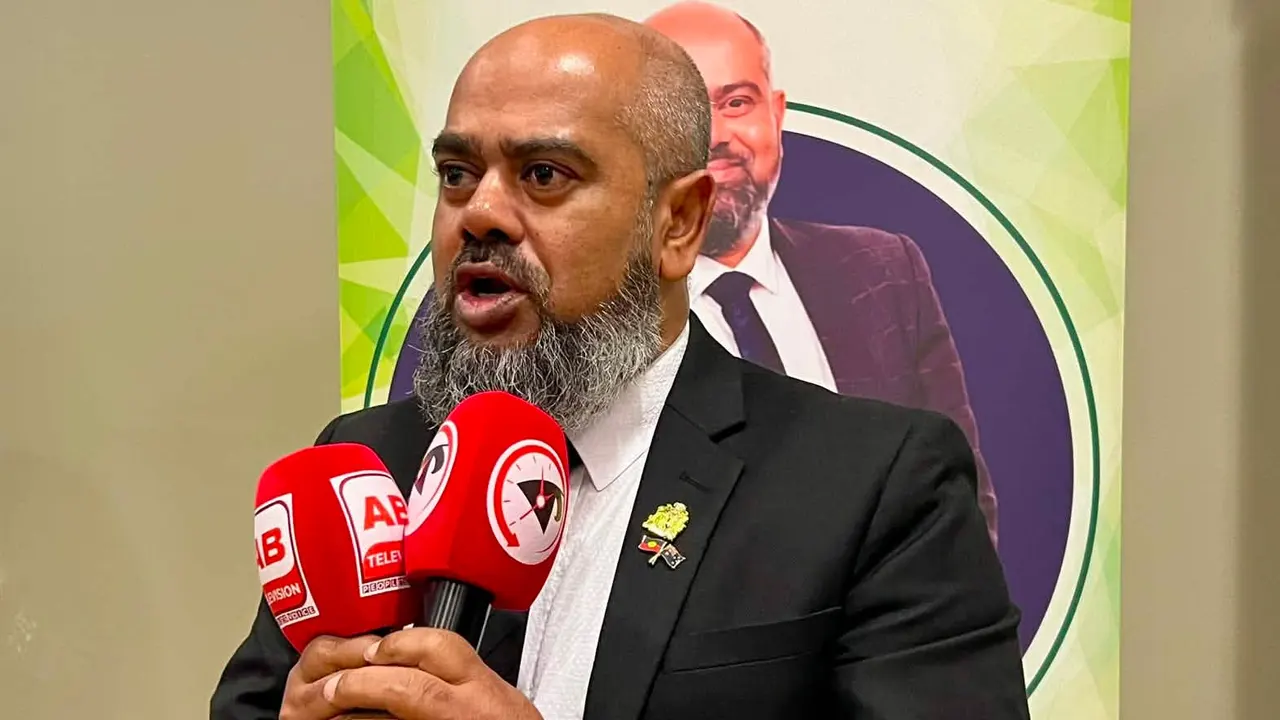
Darwin, September 06: Bangladeshi-Australian community leader and Campbelltown City Councillor and former Deputy Mayor Mohammad Ibrahim Khalil Masud has formally announced his candidacy for the…

Dhaka, September 6: One of the largest Pir-Mashaikh conferences was held in the capital Dhaka, bringing together around 3,000 delegates from home and abroad, including representatives…
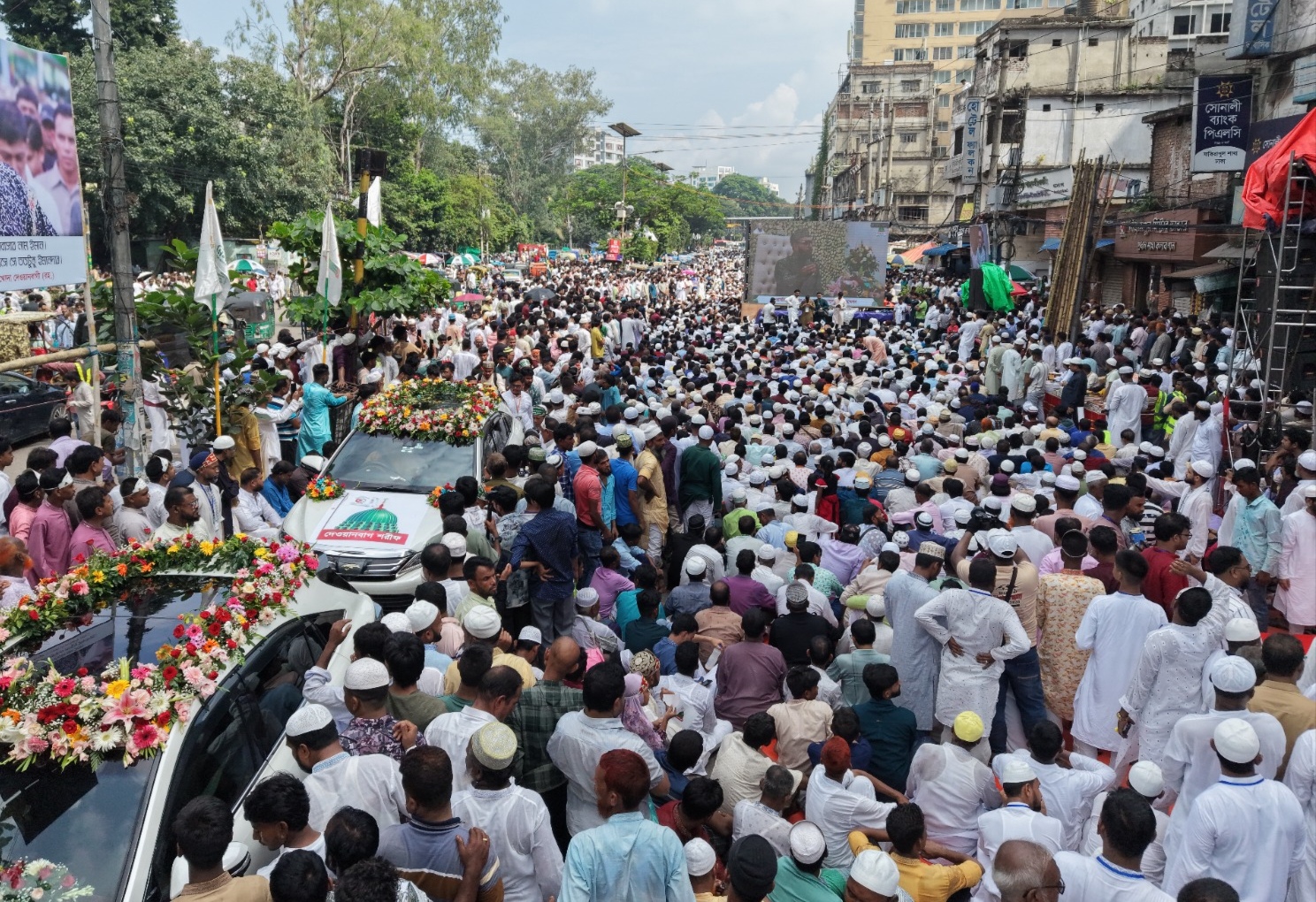
Darwin, August 27: More than 100,000 devotees took part in a colourful rally in Dhaka to mark the 1,501st birth anniversary of Prophet Muhammad (PBUH),…
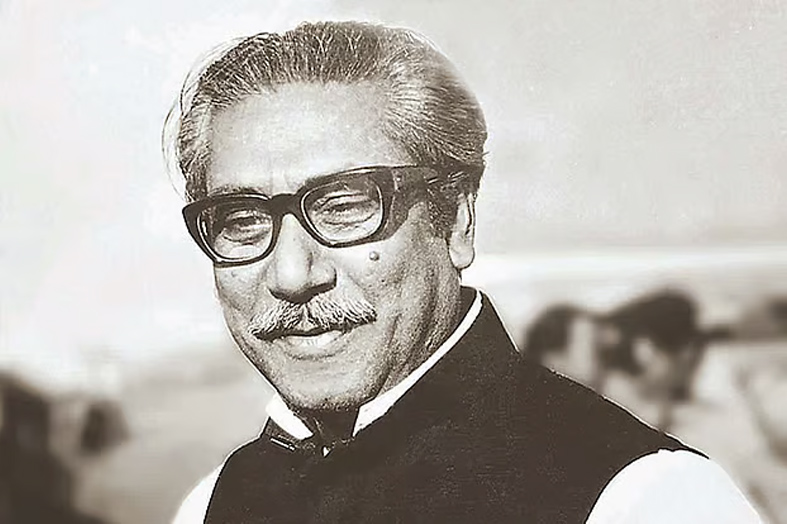
Darwin, August 15 : The death anniversary of Bangabandhu Sheikh Mujibur Rahman, the architect of independent Bangladesh, is being observed today, August 15. On this…
Darwin, 15 August : The United Nations has expressed concern over attempts to establish cells of al-Qaeda in Bangladesh. The concern was raised in a…
Darwin, August 10: The pass rate in this year’s Secondary School Certificate (SSC) and equivalent examinations in Bangladesh has fallen to 62.25 percent, the lowest…
Darwin, August 10: Sixteen Bangladeshi workers have died in a devastating fire at a sofa factory in the Musa Sanaya area of Riyadh, the capital…