Oil Prices Rise in Global Markets on Fears of Middle East Supply Disruptions
Darwin, October 21: Oil prices rose in global markets on Wednesday as traders grew concerned about potential disruptions to oil supplies in the Middle East,…



Darwin, 15 February:
Geopolitical tensions surrounding Iran and the United States have once again intensified in the Middle East. Military preparations, longstanding disputes over Iran’s nuclear program, regional power rivalries, and domestic political pressures have combined to create a highly uncertain moment—one where the risk of war is real, yet the possibility of a diplomatic resolution has not entirely vanished.
A large number of international analysts believe the current phase is more about “maximum pressure and bargaining” than imminent direct confrontation. However, even a minor miscalculation could trigger a major military conflict.
Recent reports of increased U.S. military readiness have further heightened tensions. The deployment of additional naval and air assets to the Middle East, discussions of potential long-term military operations, and speculation that key Iranian infrastructure could become targets have raised concerns within international diplomatic circles. Although Washington officially describes these measures as preventive steps aimed at ensuring security and deterrence, opinions differ on whether they are merely leverage for negotiations or signs of a possible impending strike.
History shows that at every critical juncture in Iran–U.S. relations, military posturing and diplomatic engagement have proceeded simultaneously—and the current situation is no exception.
At the heart of the dispute lies Iran’s nuclear program. Tehran has long maintained that uranium enrichment for peaceful energy production is its sovereign right and fully consistent with international law. In contrast, the United States fears that the program could eventually provide Iran with the capability to develop nuclear weapons, posing a significant threat not only to the Middle East but also to global security.
This fundamental divergence in positions has prevented a lasting solution despite multiple rounds of negotiations. The United States seeks to include Iran’s missile development and regional influence in any agreement, while Iran considers these elements part of its national defense and sovereign policy.
Despite the heightened tensions, diplomatic efforts have not completely ceased.
Indirect talks continue through intermediary countries, particularly on neutral platforms such as Oman, keeping alive the possibility of avoiding conflict. Iranian diplomats repeatedly emphasize that no agreement is possible without trust-building, while the United States publicly maintains that the door to diplomacy remains open. In reality, both sides are projecting strength while remaining aware of the risks of direct war and therefore reluctant to escalate into full-scale conflict.
Iran has issued clear warnings that any military attack on its territory would be met with an immediate and forceful response. Analysts fear that such retaliation could target not only the United States directly but also American allies and military assets across the region.
At the same time, Tehran argues that meaningful negotiations cannot take place under the shadow of military threats. The situation has thus reached a strategic stalemate: neither side wants war, yet neither is willing to appear weak.
Domestic politics also play a significant role in shaping the tension. Within Iran, economic pressure, social unrest, and political protests push the government toward a hardline stance, while simultaneously increasing the need for sanctions relief. In the United States, Middle East policy is deeply intertwined with domestic political considerations.
In particular, the legacy of the hardline policies adopted during the administration of President Donald Trump remains a relevant factor in ongoing discussions. As a result, both countries find themselves constrained by political realities in which diplomatic flexibility carries domestic risks.
The regional context further complicates matters. Rivalries among regional powers, proxy wars, activities of armed groups, and energy geopolitics mean that Iran–U.S. tensions extend beyond a bilateral dispute and have evolved into a broader multilateral crisis. Should a war break out, there is a significant risk it could rapidly expand into a wider regional conflict, affecting global energy markets, international trade, and the broader security architecture.
An analysis of the current situation suggests that the risk of war cannot be completely dismissed. Military preparations, the deadlock over the nuclear issue, and escalating rhetoric increase the chances of confrontation. Yet ongoing diplomatic contacts, international pressure, and the severe economic and humanitarian consequences of a full-scale war are preventing such an outcome from becoming inevitable.
Experts believe that limited clashes, cyberattacks, proxy confrontations, or displays of military force are more likely than an all-out war.
Overall, Iran–U.S. relations now rest on a delicate balance. On one side, military posturing and power projection cast the shadow of war; on the other, diplomatic efforts have not entirely collapsed. This dual reality defines the present crisis—where every move could tilt the situation either toward peace or toward conflict.
The world now watches cautiously, waiting to see whether the negotiating table will prevail—or the battlefield.
Darwin, October 21: Oil prices rose in global markets on Wednesday as traders grew concerned about potential disruptions to oil supplies in the Middle East,…
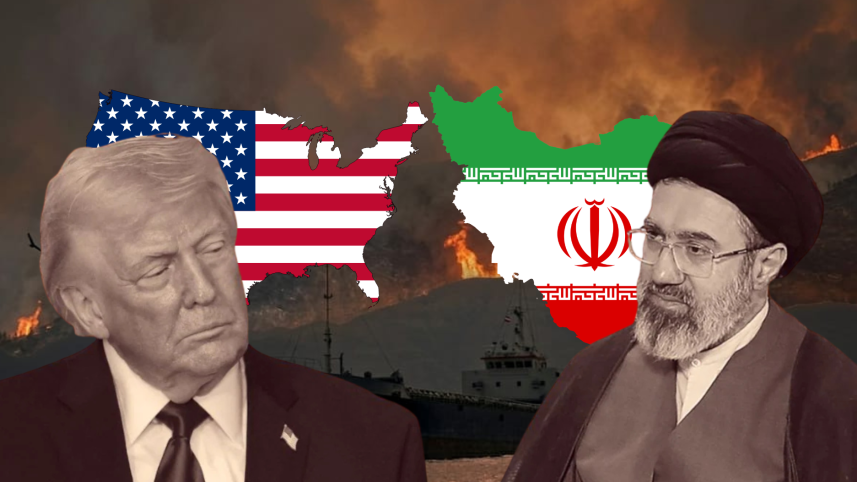
Darwin, October 21: Iran is prolonging negotiations with Washington in an attempt to politically weaken President Donald Trump ahead of the US midterm elections, according…

Darwin, October 21: Today is the auspicious occasion of Bijaya Dashami. The five-day Sharadiya Durga Puja, the biggest religious festival of the Hindu community, officially…

Darwin, October 20: Today is Maha Navami, the ninth day of Sharadiya Durga Puja. Members of the Hindu community will observe the day through religious…
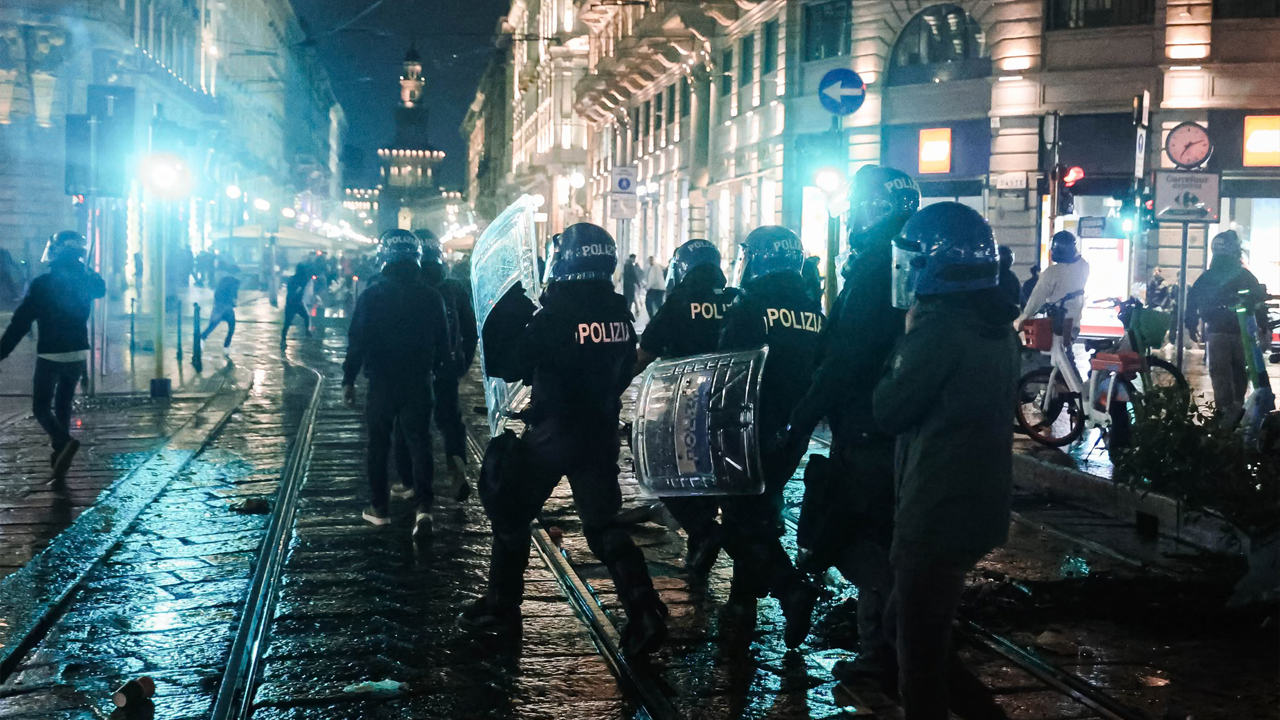
Darwin, October 20: Protests and violence over the rising cost of living have erupted in Italy, one of Europe’s largest economies, following similar unrest in…
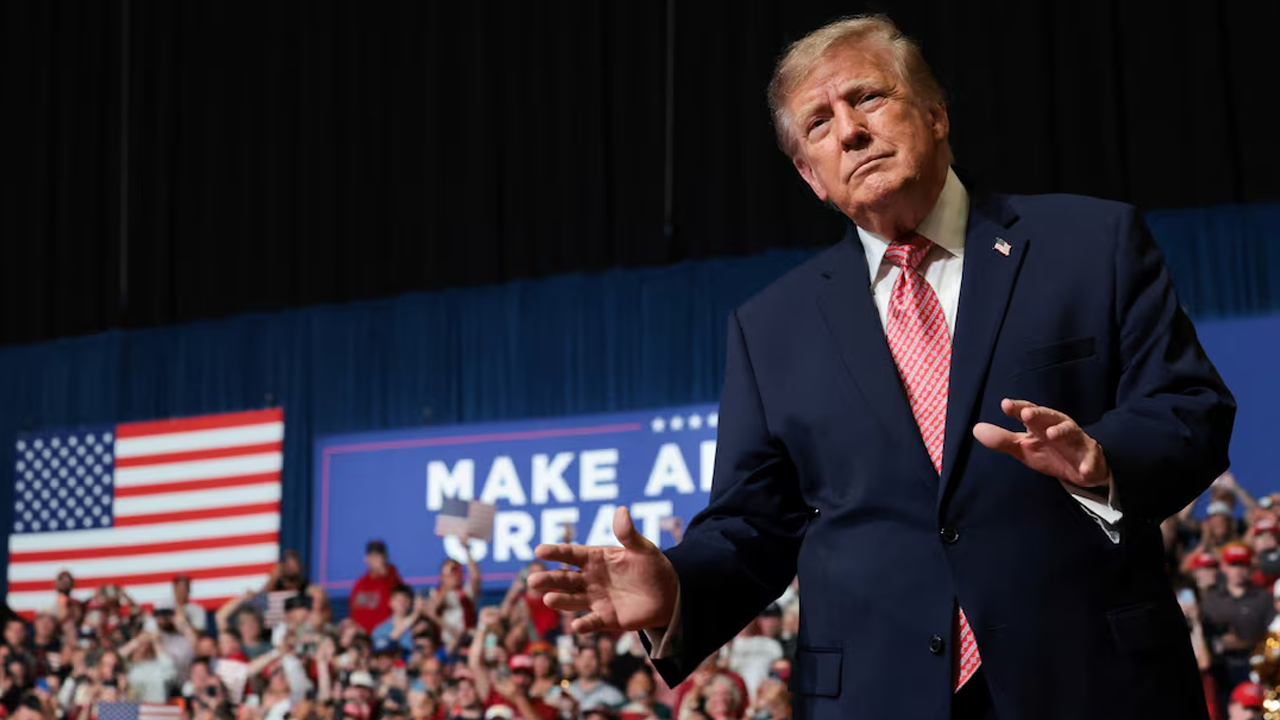
Darwin, October 20: US President Donald Trump has warned that protests and violence similar to those in France could spread across the United States if…
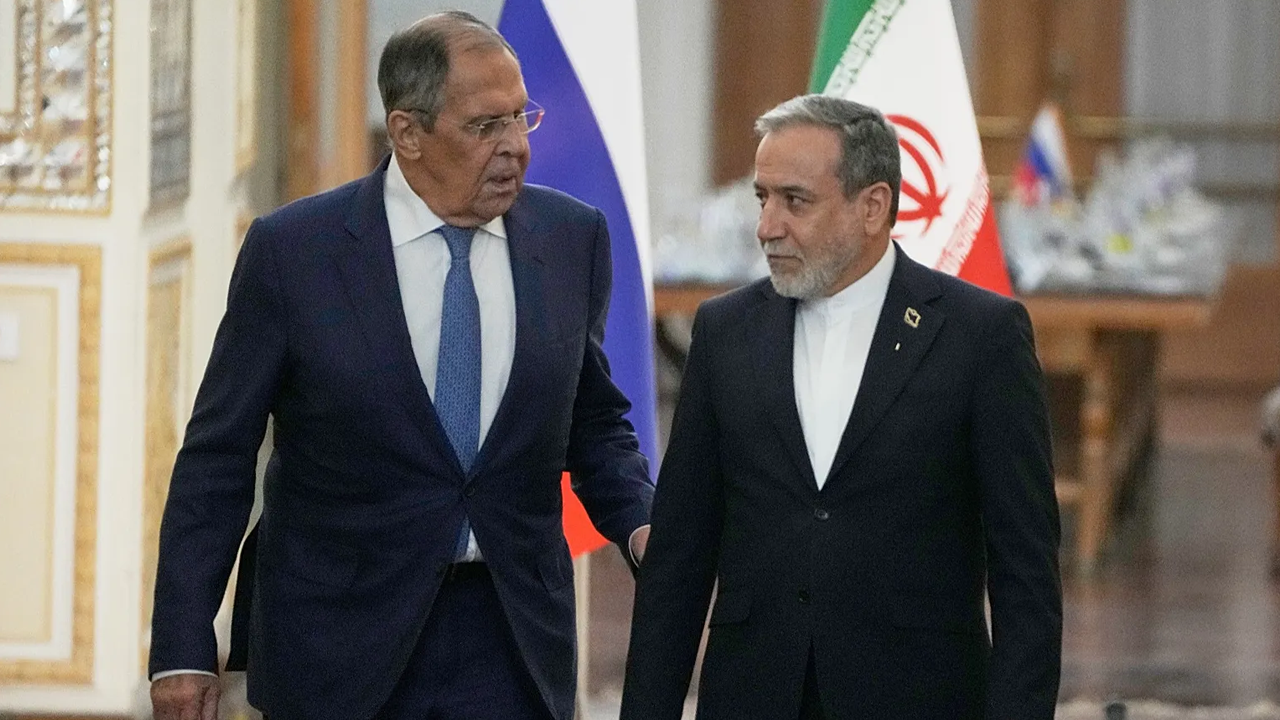
Darwin, October 20: Moscow has reaffirmed its full support for Tehran just hours after US President Donald Trump remarked that Russia was doing very little…

Darwin, October 19: Former Manchester City manager Pep Guardiola has urged the world not to forget the Palestinians in Gaza. In a video for the…