Oil Prices Rise in Global Markets on Fears of Middle East Supply Disruptions
Darwin, October 21: Oil prices rose in global markets on Wednesday as traders grew concerned about potential disruptions to oil supplies in the Middle East,…



Darwin, 21 February: The Supreme Court of the United States on Friday ruled that former President Donald Trump exceeded his authority in imposing sweeping counter-tariffs under emergency economic powers, delivering a significant setback to his administration’s trade agenda.
In a majority opinion, the court said the International Emergency Economic Powers Act (IEEPA) of 1977 does not authorize the president to unilaterally impose broad-based tariffs without explicit congressional approval. The decision reaffirmed that tariff-setting authority ultimately rests with Congress under the U.S. Constitution.
Trump had introduced a 10% “baseline tariff” on a wide range of imported goods after returning to office in January 2025, arguing that the measures were necessary to counter unfair trade practices and protect domestic industries. The policy targeted several countries, including China, India, Canada and Brazil, and included reciprocal duties in response to foreign trade restrictions.
Trump Criticizes Justices
Responding shortly after the ruling, Trump sharply criticized the justices who voted against the tariff policy. In a message posted on his social media platform, he said members of the court who opposed what he described as a “reasonable and correct tariff policy” should be ashamed.
He accused the justices of lacking patriotism and being disloyal to the Constitution, adding that he was embarrassed by their decision.
“The decision was ridiculous,” Trump wrote. “But now the adjustment process begins, and we will make every possible effort to collect even more revenue than before.”
Legal analysts say the ruling could significantly curb the scope of presidential authority in trade matters and may require the administration to seek congressional backing for future tariff measures.
The decision is expected to have broad implications for U.S. trade relations and executive power going forward.

Darwin, October 21: Oil prices rose in global markets on Wednesday as traders grew concerned about potential disruptions to oil supplies in the Middle East,…
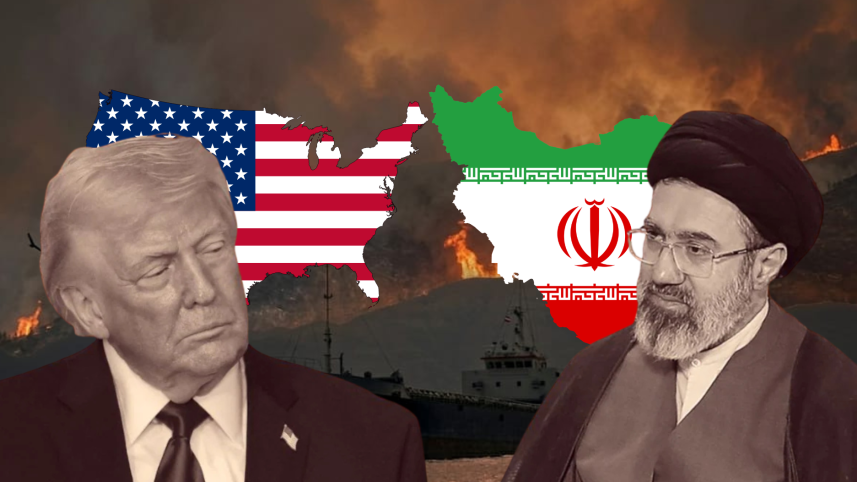
Darwin, October 21: Iran is prolonging negotiations with Washington in an attempt to politically weaken President Donald Trump ahead of the US midterm elections, according…

Darwin, October 21: Today is the auspicious occasion of Bijaya Dashami. The five-day Sharadiya Durga Puja, the biggest religious festival of the Hindu community, officially…

Darwin, October 20: Today is Maha Navami, the ninth day of Sharadiya Durga Puja. Members of the Hindu community will observe the day through religious…

Darwin, October 20: Protests and violence over the rising cost of living have erupted in Italy, one of Europe’s largest economies, following similar unrest in…
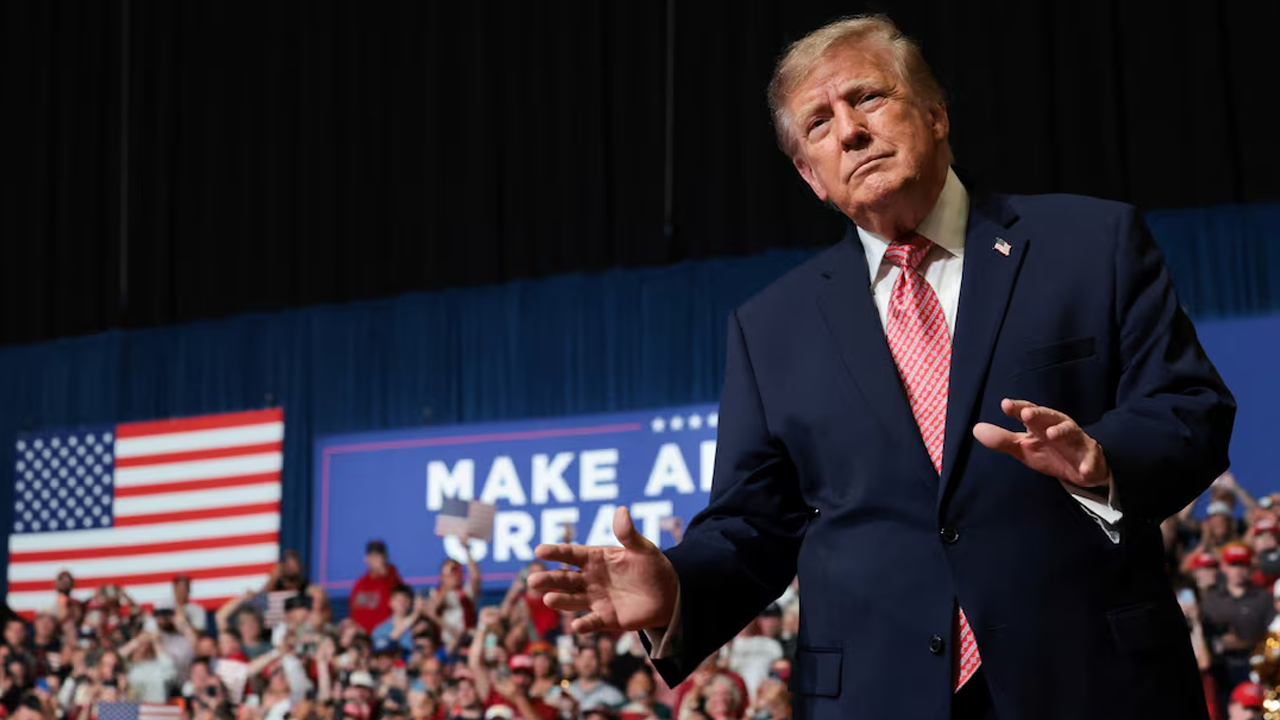
Darwin, October 20: US President Donald Trump has warned that protests and violence similar to those in France could spread across the United States if…
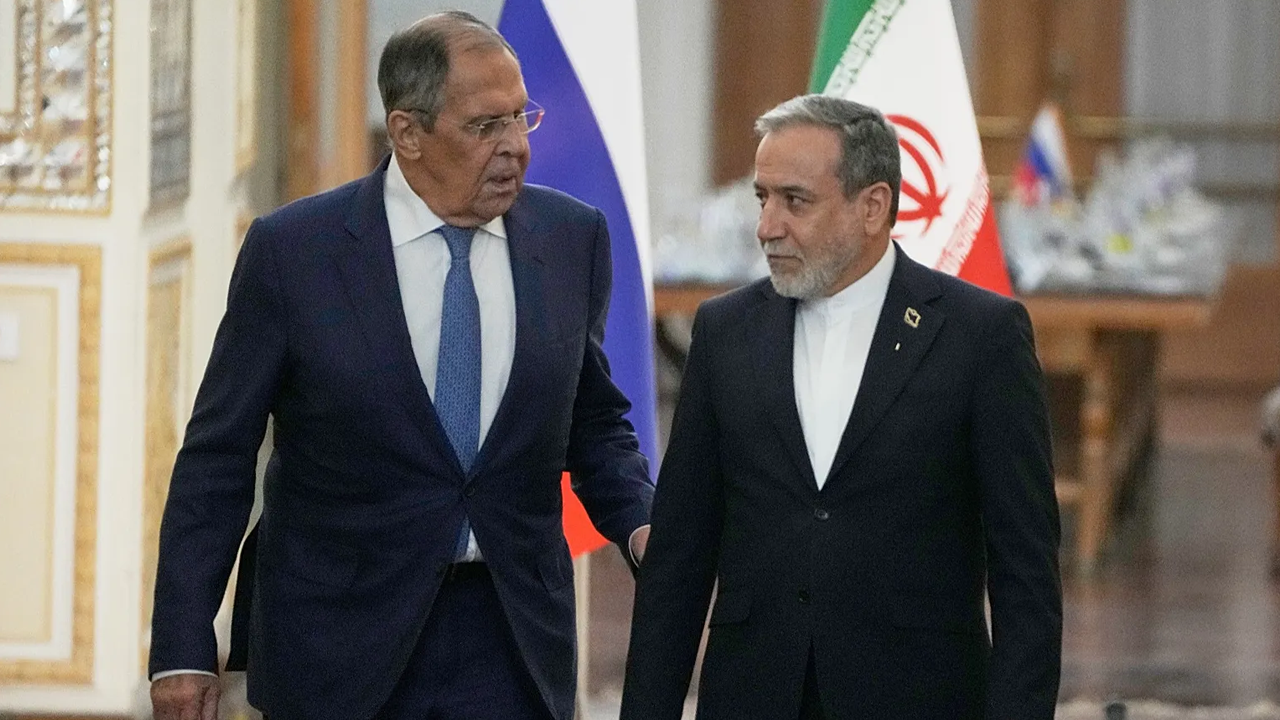
Darwin, October 20: Moscow has reaffirmed its full support for Tehran just hours after US President Donald Trump remarked that Russia was doing very little…

Darwin, October 19: Former Manchester City manager Pep Guardiola has urged the world not to forget the Palestinians in Gaza. In a video for the…