Oil Prices Rise in Global Markets on Fears of Middle East Supply Disruptions
Darwin, October 21: Oil prices rose in global markets on Wednesday as traders grew concerned about potential disruptions to oil supplies in the Middle East,…



Darwin, 09 March:
The ongoing conflict in the Middle East involving the United States, Israel, and Iran has significantly impacted the global energy market. International crude oil prices have surged to $108.77 per barrel, marking the largest single-day increase since the beginning of the pandemic in 2020.
According to a report by Al Jazeera, oil prices had already risen by nearly 28 percent last week. Due to the continuing conflict, shipping activity through the Strait of Hormuz—one of the world’s most critical energy supply routes—has nearly come to a halt. Various international reports claim that Iranian forces have attacked vessels attempting to pass through the strait.
The Strait of Hormuz is one of the most important energy transportation routes in the world. Commenting on the situation, Bruce Kasman, chief economist at JPMorgan Chase, said that a large portion of oil and natural gas from the Middle East flows to global markets through this route, and the global economy still relies heavily on this supply.
He added that in the short term, oil prices could reach around $120 per barrel. However, if the conflict de-escalates quickly, some stability may return to the market afterward.
Kasman also warned that without a clear and effective political solution, the situation could persist for a long time. In that case, the price of Brent Crude could remain relatively high at around $80 per barrel until mid-year.
He further stated that under such circumstances, global economic growth in the first half of the year could decline by about 0.6 percent on an annual basis. At the same time, consumer inflation could rise by about 1 percent, increasing the risk of a global economic slowdown or recession.
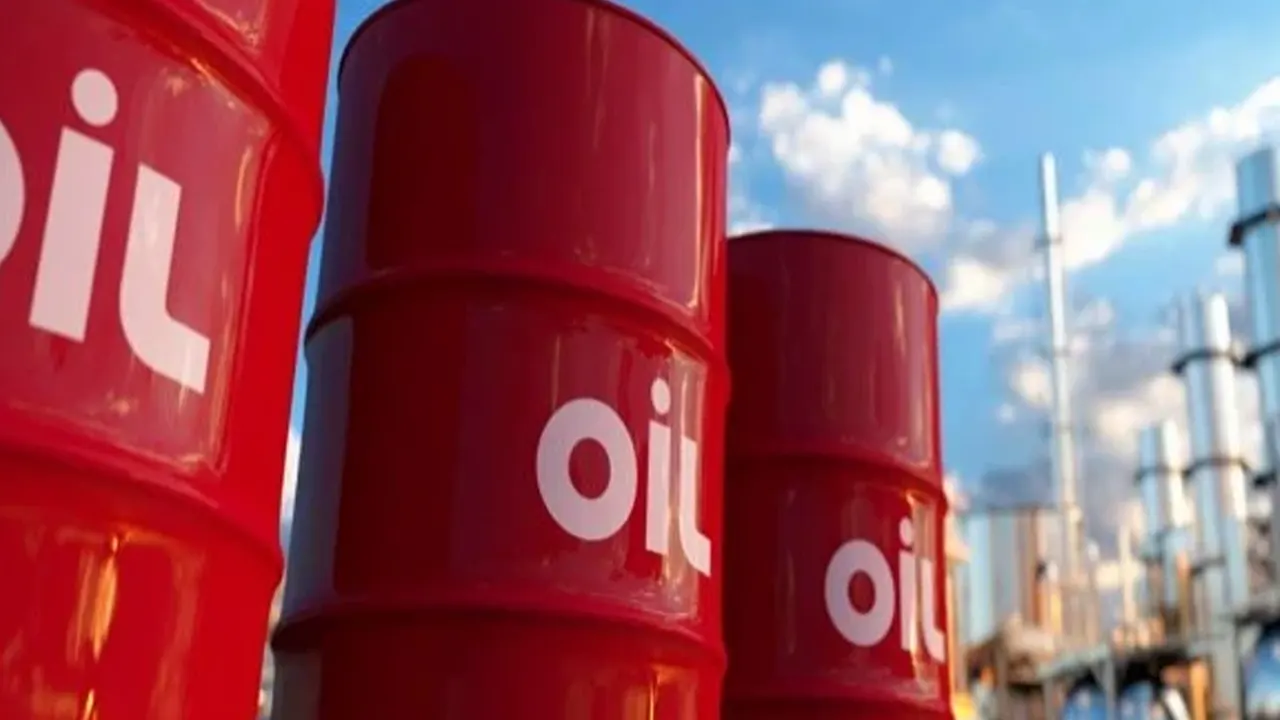
Darwin, October 21: Oil prices rose in global markets on Wednesday as traders grew concerned about potential disruptions to oil supplies in the Middle East,…
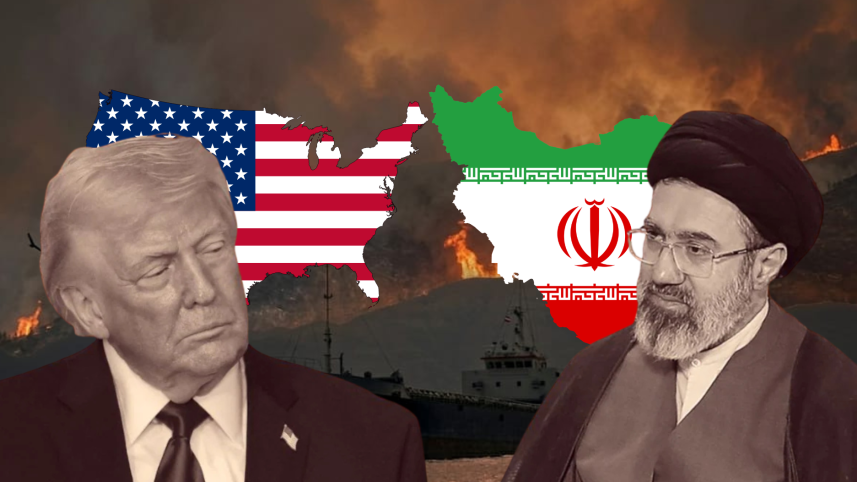
Darwin, October 21: Iran is prolonging negotiations with Washington in an attempt to politically weaken President Donald Trump ahead of the US midterm elections, according…

Darwin, October 21: Today is the auspicious occasion of Bijaya Dashami. The five-day Sharadiya Durga Puja, the biggest religious festival of the Hindu community, officially…

Darwin, October 20: Today is Maha Navami, the ninth day of Sharadiya Durga Puja. Members of the Hindu community will observe the day through religious…

Darwin, October 20: Protests and violence over the rising cost of living have erupted in Italy, one of Europe’s largest economies, following similar unrest in…
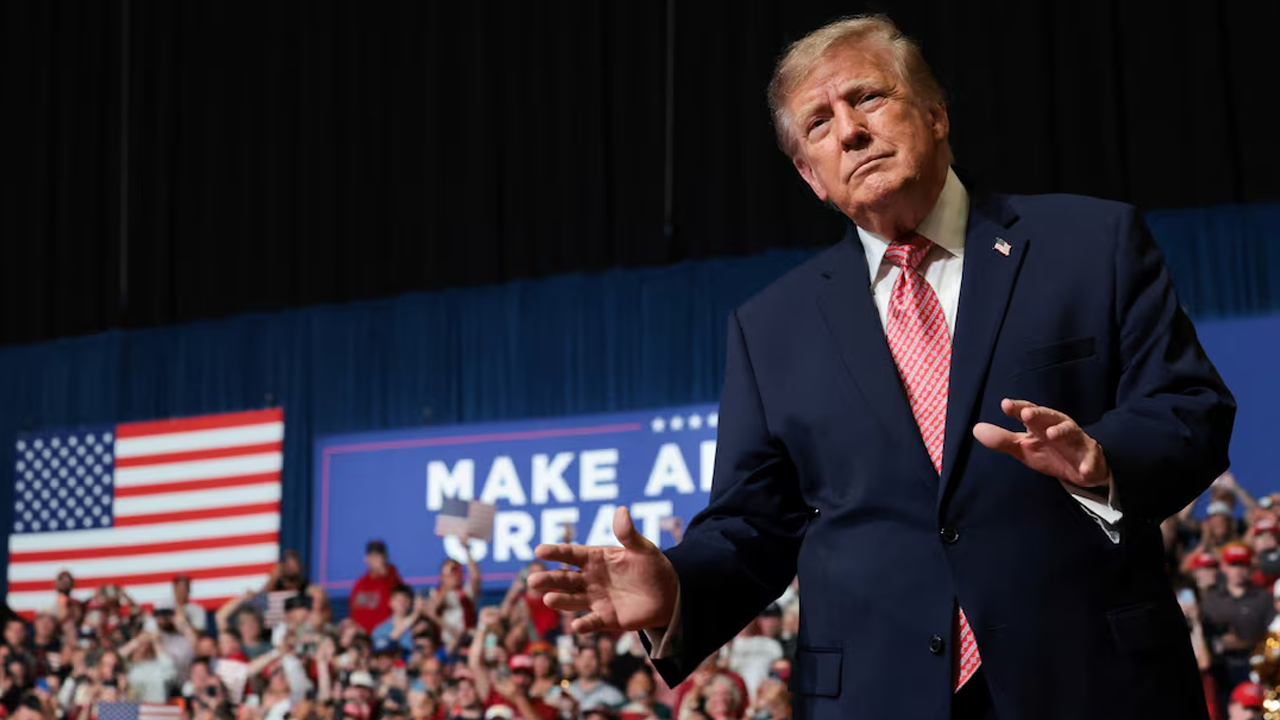
Darwin, October 20: US President Donald Trump has warned that protests and violence similar to those in France could spread across the United States if…
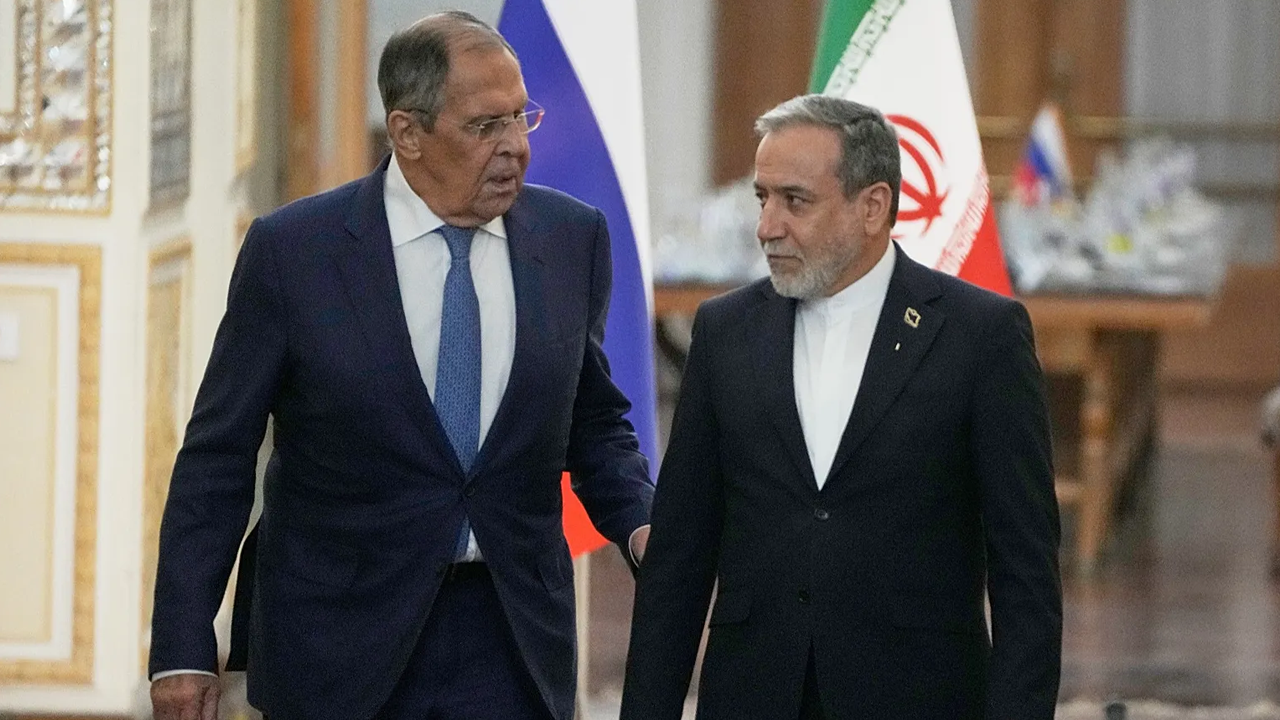
Darwin, October 20: Moscow has reaffirmed its full support for Tehran just hours after US President Donald Trump remarked that Russia was doing very little…

Darwin, October 19: Former Manchester City manager Pep Guardiola has urged the world not to forget the Palestinians in Gaza. In a video for the…