Oil Prices Rise in Global Markets on Fears of Middle East Supply Disruptions
Darwin, October 21: Oil prices rose in global markets on Wednesday as traders grew concerned about potential disruptions to oil supplies in the Middle East,…



Darwin, 17 March:
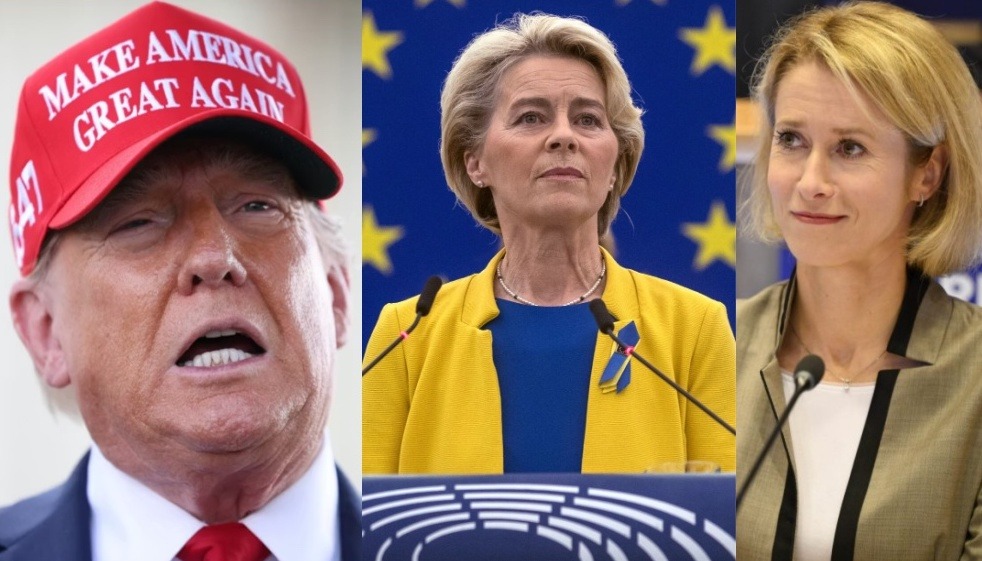
Europe has rejected a call from U.S. President Donald Trump to send warships and naval forces to protect commercial vessels in the strategically important international trade route, the Strait of Hormuz.
The 27 member states of the European Union held a meeting on Monday at the EU headquarters in Brussels, the capital of Belgium, to discuss the issue. After the meeting, the EU’s foreign policy chief Kaja Kallas told journalists in a briefing, “Europe has no interest in this open war, and no EU member state is willing to be actively involved in any military action against Iran.”
According to Anadolu News Agency, similar remarks were made by Italy’s Foreign Minister Antonio Tajani. In a post-meeting briefing, he said that EU naval missions are currently providing security to commercial ships and conducting anti-piracy operations in various seas. Because of those ongoing responsibilities, it is not possible for the missions to move to the Strait of Hormuz at this time.
“If it were possible, we would certainly send our navy and warships to the Strait of Hormuz, but at the moment it is not feasible. EU naval missions are already performing their duties in different seas,” he added.
Germany’s Chancellor Friedrich Merz was also present at Monday’s meeting. Responding directly to journalists, he said, “We do not want to send troops to the Strait of Hormuz because we want this crisis to be resolved politically.”
The Strait of Hormuz, which connects the Arabian Sea and the Persian Gulf, is an extremely important route for international energy trade. About 20 percent of the world’s oil and liquefied gas tankers pass through this route every day.
The Strait of Hormuz is also called the “global gateway of energy,” because oil-producing countries in the Middle East export their oil through this passage. Without it, supplying Middle Eastern oil to Western countries would be much more difficult.
After the war between the United States and Israel against Iran began on the 28th of last month, Iran imposed strict restrictions on ship movements in the Strait of Hormuz. Tanker ships flying the flags of different countries have also been attacked.
According to United Kingdom sources, more than 12 tankers from different countries have been attacked by Iran over the past 15 days while passing through the Strait of Hormuz.
On March 15, President Donald Trump called on allied countries to send naval forces to guard commercial vessels in the Strait of Hormuz.
Darwin, October 21: Oil prices rose in global markets on Wednesday as traders grew concerned about potential disruptions to oil supplies in the Middle East,…
Darwin, October 21: Iran is prolonging negotiations with Washington in an attempt to politically weaken President Donald Trump ahead of the US midterm elections, according…

Darwin, October 21: Today is the auspicious occasion of Bijaya Dashami. The five-day Sharadiya Durga Puja, the biggest religious festival of the Hindu community, officially…

Darwin, October 20: Today is Maha Navami, the ninth day of Sharadiya Durga Puja. Members of the Hindu community will observe the day through religious…

Darwin, October 20: Protests and violence over the rising cost of living have erupted in Italy, one of Europe’s largest economies, following similar unrest in…
Darwin, October 20: US President Donald Trump has warned that protests and violence similar to those in France could spread across the United States if…
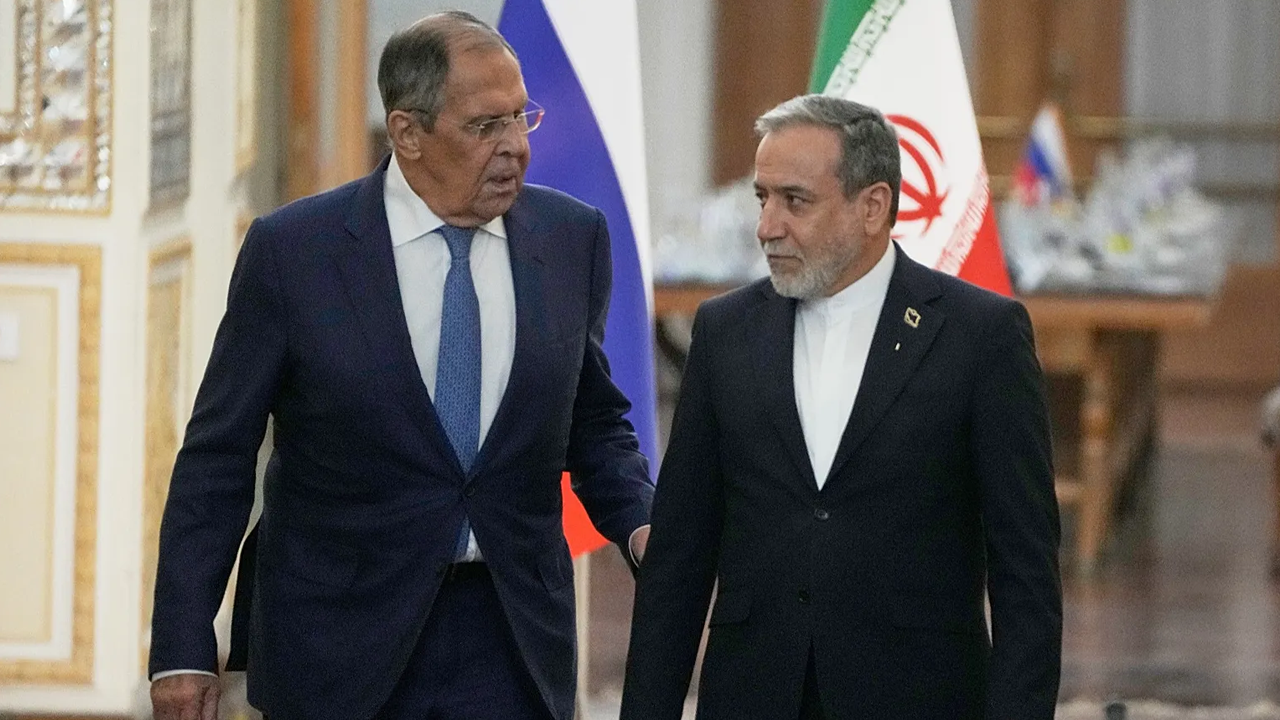
Darwin, October 20: Moscow has reaffirmed its full support for Tehran just hours after US President Donald Trump remarked that Russia was doing very little…

Darwin, October 19: Former Manchester City manager Pep Guardiola has urged the world not to forget the Palestinians in Gaza. In a video for the…