Oil Prices Rise in Global Markets on Fears of Middle East Supply Disruptions
Darwin, October 21: Oil prices rose in global markets on Wednesday as traders grew concerned about potential disruptions to oil supplies in the Middle East,…



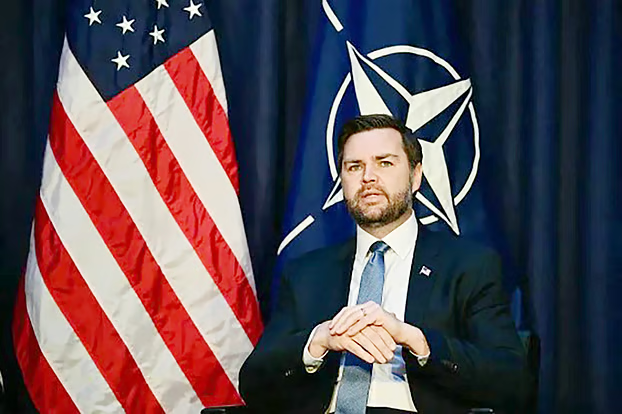
Darwin, 19 March: The United States has admitted it is facing rising fuel price pressures following the start of military strikes on Iran, Vice President JD Vance said on Wednesday.
Speaking at a manufacturing plant in Michigan, Vance acknowledged the growing burden on consumers. “Gas prices are going up, we know that. We know people are hurting because of it,” he said.
He added that the administration is working on several measures to address the issue, with announcements expected within the next 24 to 48 hours. However, Vance declined to provide further details, stating he did not want to preempt Donald Trump.
Meanwhile, Trump sparked controversy with remarks about the strategic importance of the Strait of Hormuz.
In a post on his social media platform Truth Social, he suggested the U.S. may not need the waterway and floated the idea of leaving its control to others after neutralizing what he described as Iran’s “terrorist state remnants.”
Joint military operations by the United States and Israel in Iran began on February 28. Since then, maritime traffic through the Strait of Hormuz has been severely disrupted. Prior to the conflict, the route handled nearly one-fifth of the world’s oil and liquefied natural gas (LNG) exports.
Iran has repeatedly stated that the strait remains open but warned that vessels linked to the U.S., Israel, or their allies would not be allowed safe passage if attacks continue.
Reports indicate at least 16 ships and tankers have been targeted so far. However, some tankers from countries such as India, Turkey, and Pakistan have reportedly crossed the strait with Iranian approval.
The disruption has driven global energy prices sharply higher. On Wednesday, crude oil prices surged past $108 per barrel—more than $40 above pre-conflict levels.
Rising fuel costs have intensified both domestic and international pressure on Washington. Since the conflict began, Trump has urged NATO and Asian allies to deploy naval forces to the Strait of Hormuz to secure shipping routes. However, key European allies—including the United Kingdom, Germany, France, Italy, Greece, and Spain—have yet to respond positively.
In Asia, major U.S. allies Japan and Australia have also declined to send warships, while South Korea said it would consider the request. Trump additionally called on China to assist in securing the waterway, but Beijing has not responded.
The lack of support from allies has reportedly left the U.S. administration increasingly frustrated as the energy crisis deepens.
Darwin, October 21: Oil prices rose in global markets on Wednesday as traders grew concerned about potential disruptions to oil supplies in the Middle East,…
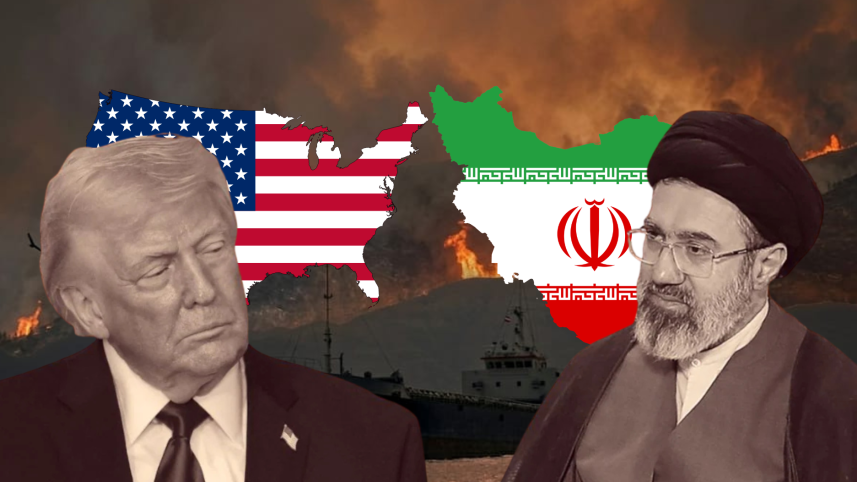
Darwin, October 21: Iran is prolonging negotiations with Washington in an attempt to politically weaken President Donald Trump ahead of the US midterm elections, according…

Darwin, October 21: Today is the auspicious occasion of Bijaya Dashami. The five-day Sharadiya Durga Puja, the biggest religious festival of the Hindu community, officially…

Darwin, October 20: Today is Maha Navami, the ninth day of Sharadiya Durga Puja. Members of the Hindu community will observe the day through religious…

Darwin, October 20: Protests and violence over the rising cost of living have erupted in Italy, one of Europe’s largest economies, following similar unrest in…
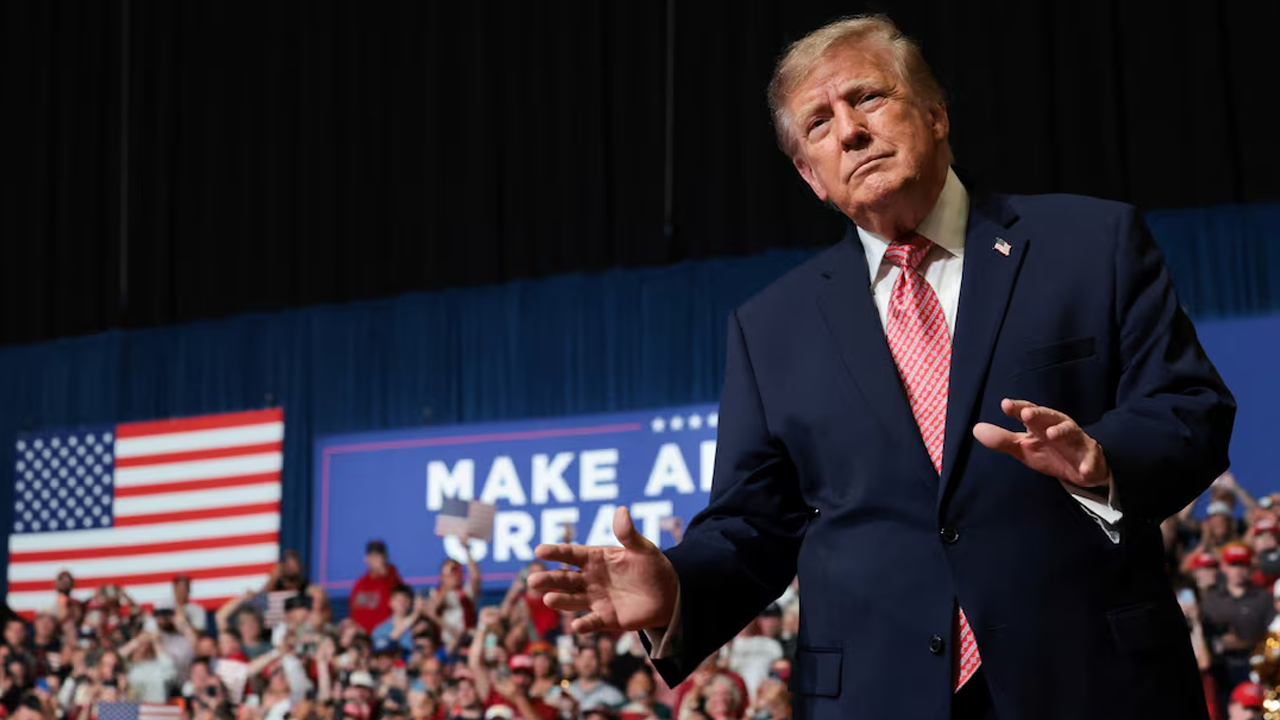
Darwin, October 20: US President Donald Trump has warned that protests and violence similar to those in France could spread across the United States if…
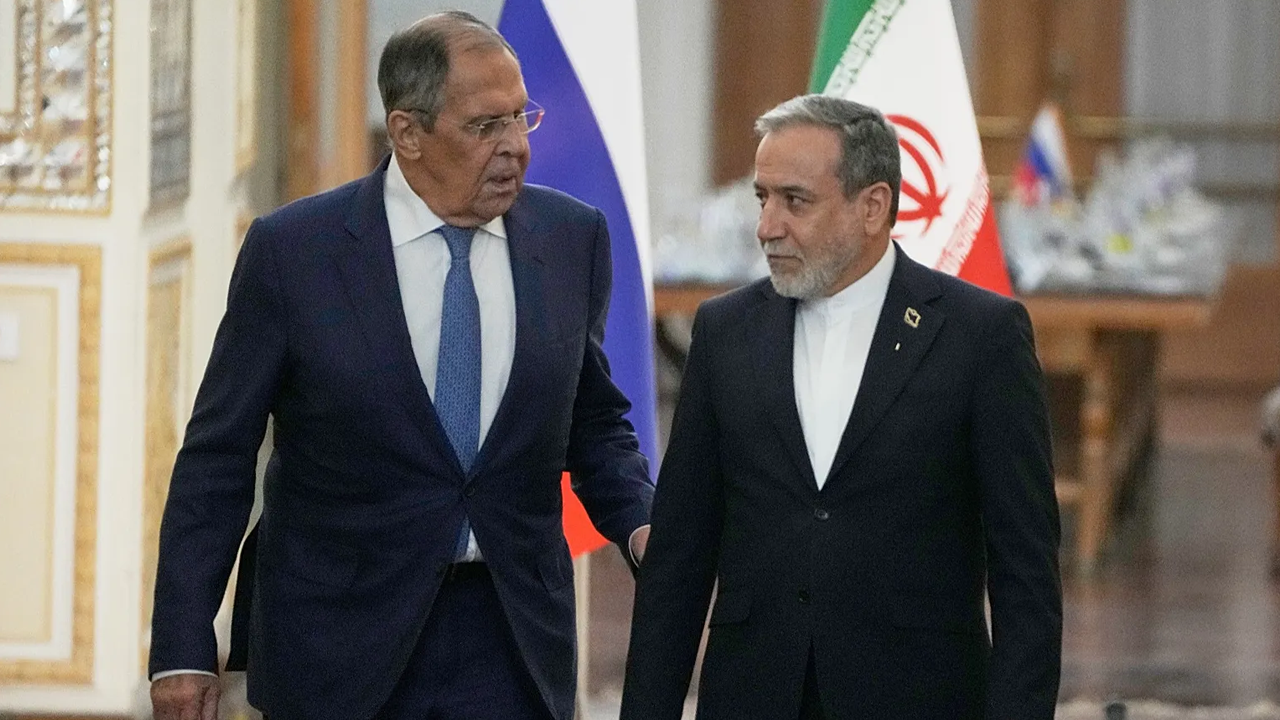
Darwin, October 20: Moscow has reaffirmed its full support for Tehran just hours after US President Donald Trump remarked that Russia was doing very little…

Darwin, October 19: Former Manchester City manager Pep Guardiola has urged the world not to forget the Palestinians in Gaza. In a video for the…