PM Albanese Urges Australians Not to Hoard Fuel
Darwin, 01 April: Amid the ongoing conflict in the Middle East, Australian Prime Minister Anthony Albanese delivered a rare national television address, urging citizens not…



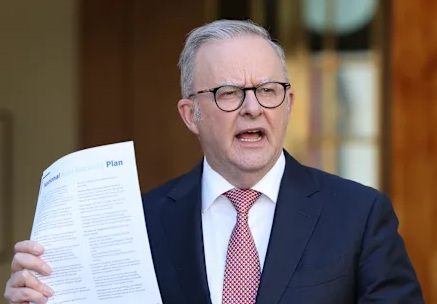
Darwin, 31 march:
Economists have warned that the Australian government’s decision to cut fuel taxes may provide short-term relief but could lead to higher inflation in the long run.
According to experts, lower petrol and diesel prices may encourage increased fuel consumption, which could raise overall demand in the economy and make inflation more persistent.
The Australian government has announced that fuel excise will be reduced by half for the next three months. As a result, consumers will pay about 26.3 cents less per litre. Treasurer Jim Chalmers stated that filling a standard 65-litre tank would save around $19 on average.
While the government sees the move as a way to ease the cost of living, some economists have expressed concerns about its negative impact. They argue that cheaper fuel could lead to higher consumption, putting pressure on supply and ultimately driving inflation upward.
Independent economist Saul Eslake said the decision may be politically popular but economically questionable. He noted that higher fuel prices usually help reduce spending in other sectors, which in turn helps control inflation.
Currently, inflation in Australia remains above the central bank’s target. Economists warn that increased money flow in the economy could force further interest rate hikes. Economist Chris Richardson also pointed out that similar financial support during the Ukraine war had prolonged inflation in the past.
Prime Minister Anthony Albanese said the tax cut aims to reduce financial pressure on citizens, while also encouraging the use of public transport to limit fuel consumption.
In addition to private vehicles, relief measures have also been extended to heavy vehicles. Road user charges for trucks have been reduced to zero for three months, saving operators an additional 32.4 cents per litre.
Business groups have welcomed the move, saying it will help reduce transportation costs and maintain supply chains. However, they also cautioned that it may send the wrong signal by encouraging higher fuel usage.
The government is expected to spend about $2.55 billion on these measures, along with an estimated $53 million loss in revenue from postponing road user charge increases.
Overall, economists believe that while the policy may provide temporary relief, it could ultimately make inflation harder to control and lead to further increases in interest rates.
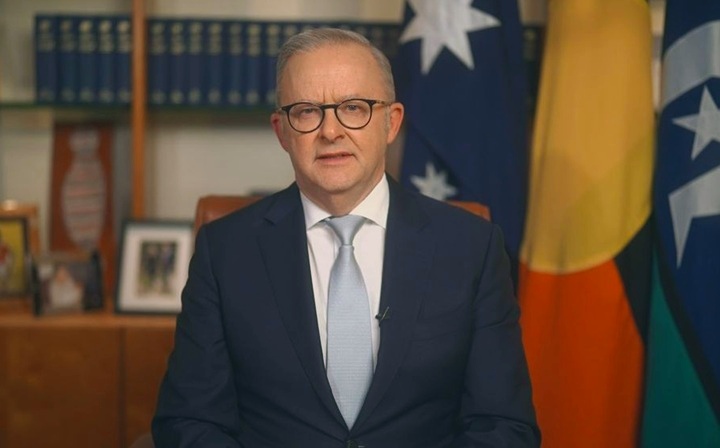
Darwin, 01 April: Amid the ongoing conflict in the Middle East, Australian Prime Minister Anthony Albanese delivered a rare national television address, urging citizens not…
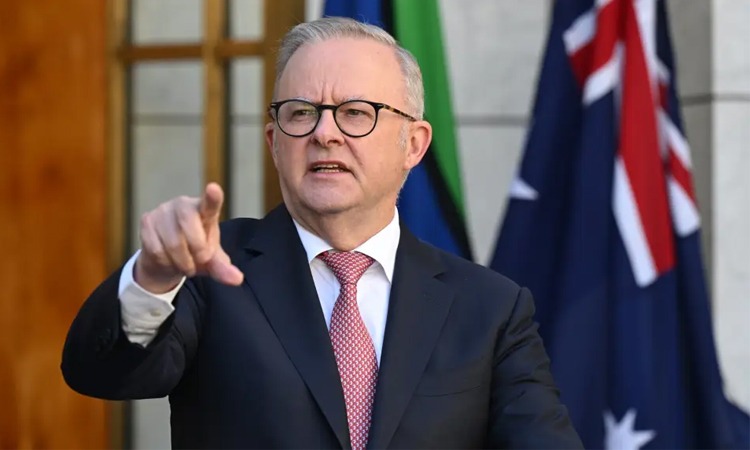
Darwin, 01 April: Australian Prime Minister Anthony Albanese will make a rare address to the nation across television and radio networks on Wednesday, outlining Canberra’s…
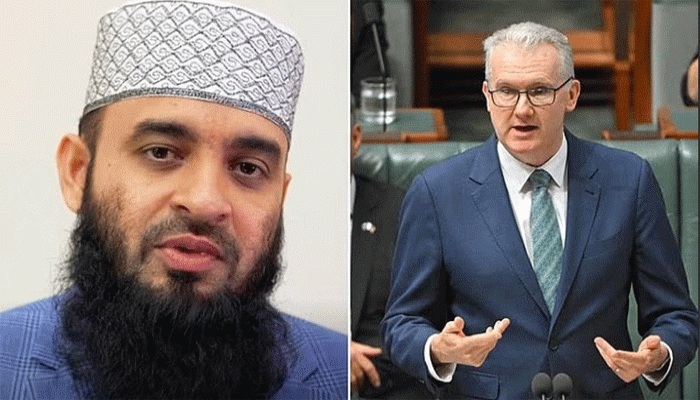
Darwin, 01 April: Australia has canceled the visa of popular Bangladeshi religious preacher Maulana Mizanur Rahman Azhari following controversy over his statements. The government took…
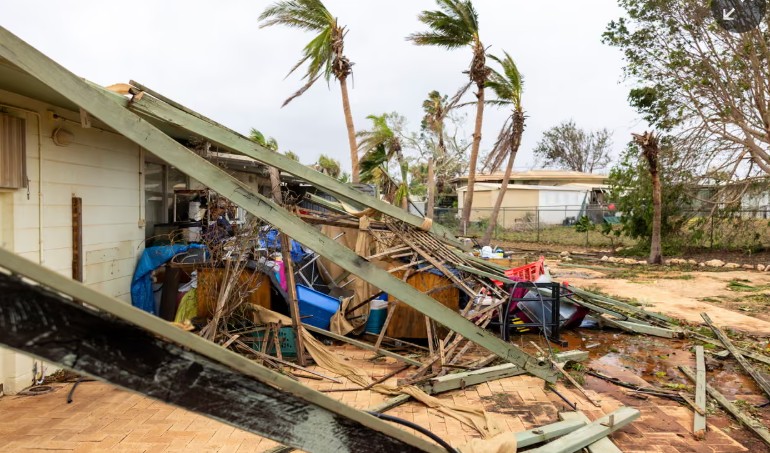
Darwin, 29 March: A major agricultural region supplying nearly 60% of fresh winter produce in Western Australia is assessing widespread damage, as authorities continue efforts…
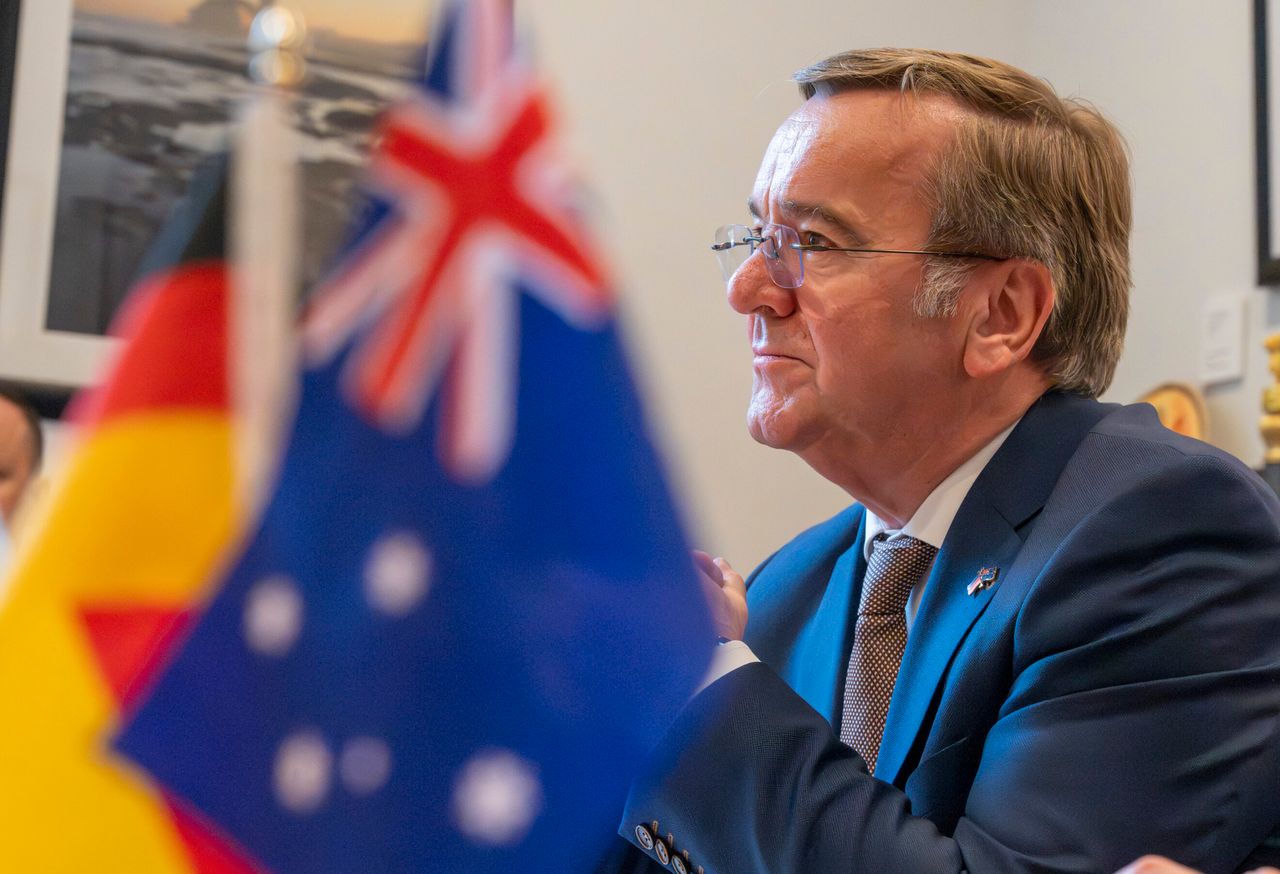
Darwin, 27 March: Germany is considering purchasing Australian-made combat drones as part of its efforts to strengthen military capabilities amid evolving global security challenges. The…
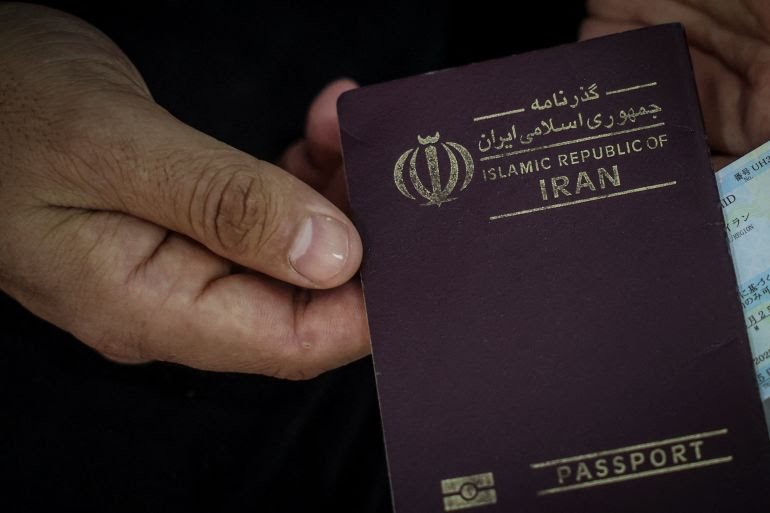
Darwin, 26 March: Amid escalating tensions and ongoing conflict in the Middle East, the government of Australia has imposed a temporary ban on the entry…

Darwin, 14 March: The Government of Australia and the United Nations Population Fund (UNFPA) have signed a new agreement worth AUD 16.5 million to support…

Darwin, 11 March: Heavy rains and widespread flooding have caused major disruptions in Australia’s Northern Territory. In the capital city of Darwin, the water supply…