Oil Prices Rise in Global Markets on Fears of Middle East Supply Disruptions
Darwin, October 21: Oil prices rose in global markets on Wednesday as traders grew concerned about potential disruptions to oil supplies in the Middle East,…



Darwin, 08 April : A proposal at the United Nations Security Council to open the strategically vital Strait of Hormuz, currently under Iranian control, through military intervention has been blocked by Russia, China, and France.
The proposal, tabled by Bahrain, was scheduled for a vote but was prevented from passing due to strong opposition from the three permanent members of the Council.
The Strait of Hormuz is one of the world’s key energy transit routes, carrying nearly 20% of global oil and gas supplies.
On February 28, following a joint US-Israeli military strike, Tehran took full control of the waterway.
Iran’s Islamic Revolutionary Guard Corps (IRGC) has stated that the Strait of Hormuz will no longer be open to all. Under strict naval supervision, the waterway will remain permanently closed to “hostile” countries.
Only “friendly” nations’ vessels will be allowed passage, and even then, they will be subject to rigorous inspection by the Iranian Navy.
The IRGC also announced that each vessel passing through the strait must now pay a designated “transit fee” or toll. For oil tankers, a fee of $1 per barrel of oil will be applied.
This blockade has created unprecedented disruption in the Persian Gulf over the past month. Currently, at least 2,190 commercial vessels are stranded at sea, including over 320 oil and gas tankers. The crisis has paralyzed fuel exports from Gulf countries and driven global oil prices sharply higher.
In this context, Bahrain submitted a proposal to the UN Security Council on Friday, seeking authorization to use “force” to reopen the Strait of Hormuz. However, as permanent members, Russia, China, and France exercised their veto powers to block the proposal. They stated that they are fundamentally opposed to any measure that would authorize military intervention.
Diplomatic analysts note that while Russia and China traditionally support Iran, France’s opposition to this proposal highlights a growing ideological division among Western countries.
The conflict initially erupted on February 28 following unexpected US and Israeli strikes. Even on the 39th day of the war, the situation shows no improvement. Over the past month, US-Israeli attacks have reportedly killed more than 1,340 people.
Meanwhile, Iranian retaliatory strikes have resulted in at least 12 sailors killed or missing and damaged more than 16 commercial vessels.
Iran’s blockade of the Strait of Hormuz has caused global energy prices to skyrocket and pushed the world economy into severe instability.
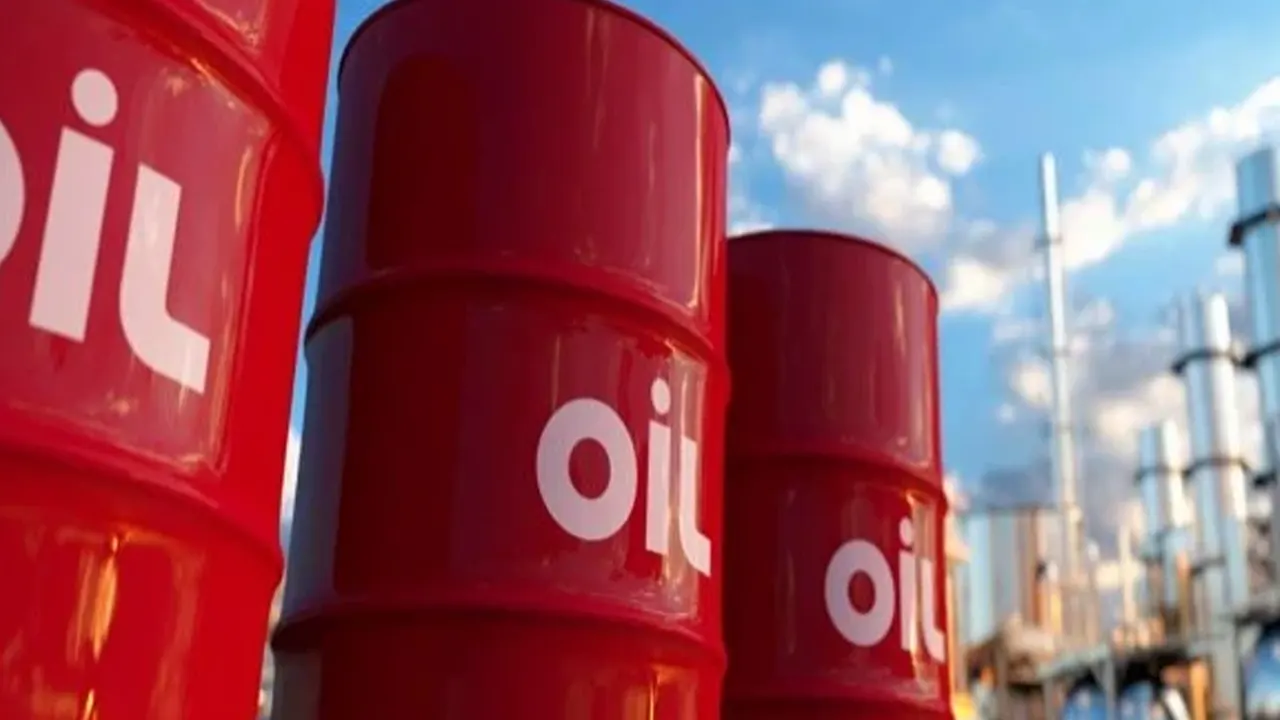
Darwin, October 21: Oil prices rose in global markets on Wednesday as traders grew concerned about potential disruptions to oil supplies in the Middle East,…
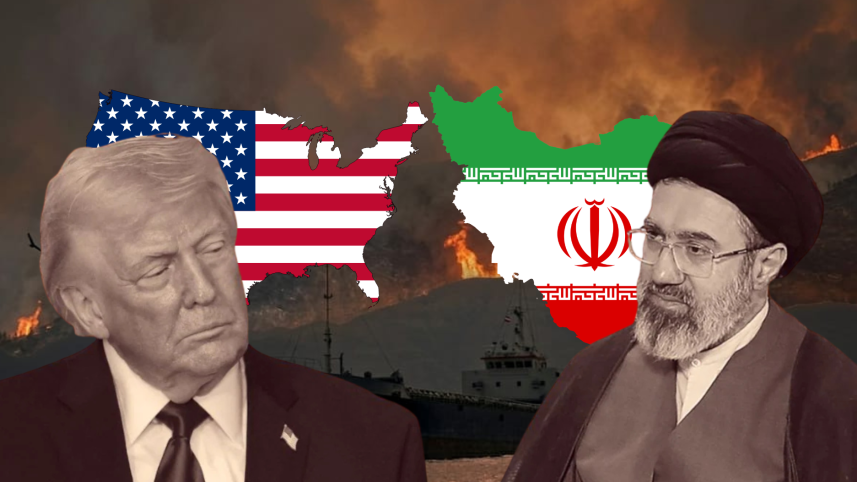
Darwin, October 21: Iran is prolonging negotiations with Washington in an attempt to politically weaken President Donald Trump ahead of the US midterm elections, according…

Darwin, October 21: Today is the auspicious occasion of Bijaya Dashami. The five-day Sharadiya Durga Puja, the biggest religious festival of the Hindu community, officially…

Darwin, October 20: Today is Maha Navami, the ninth day of Sharadiya Durga Puja. Members of the Hindu community will observe the day through religious…
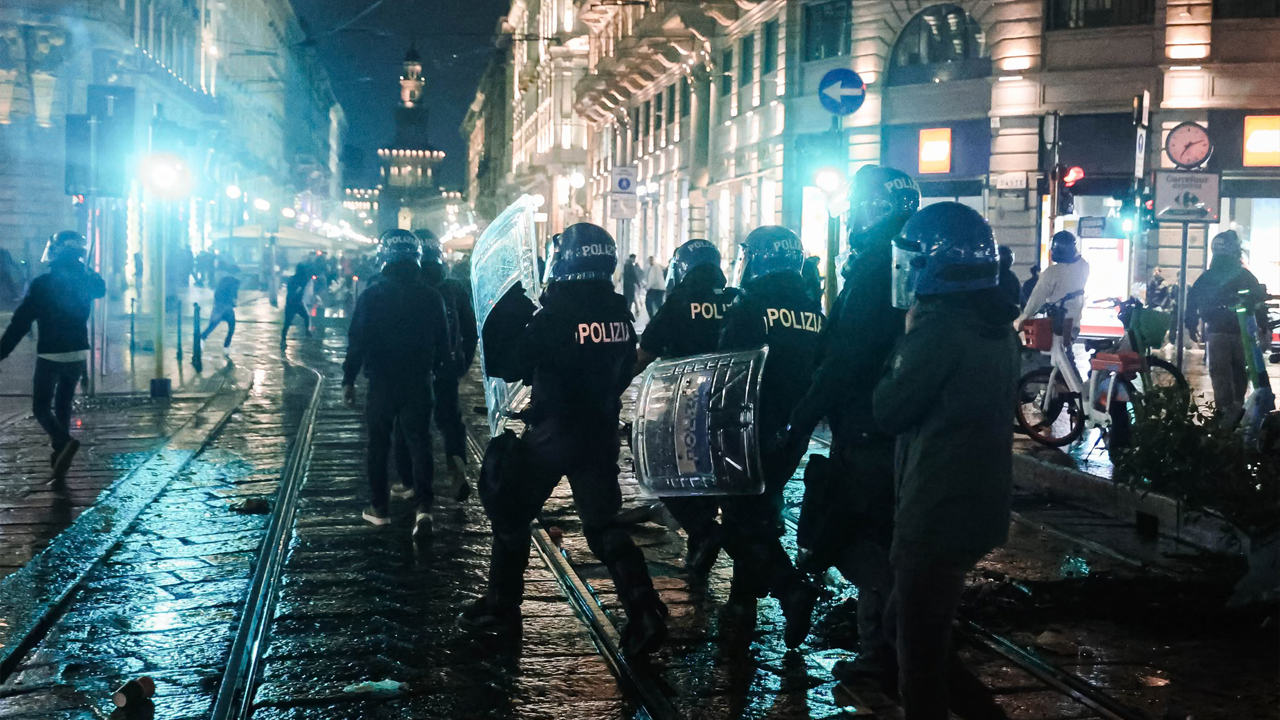
Darwin, October 20: Protests and violence over the rising cost of living have erupted in Italy, one of Europe’s largest economies, following similar unrest in…
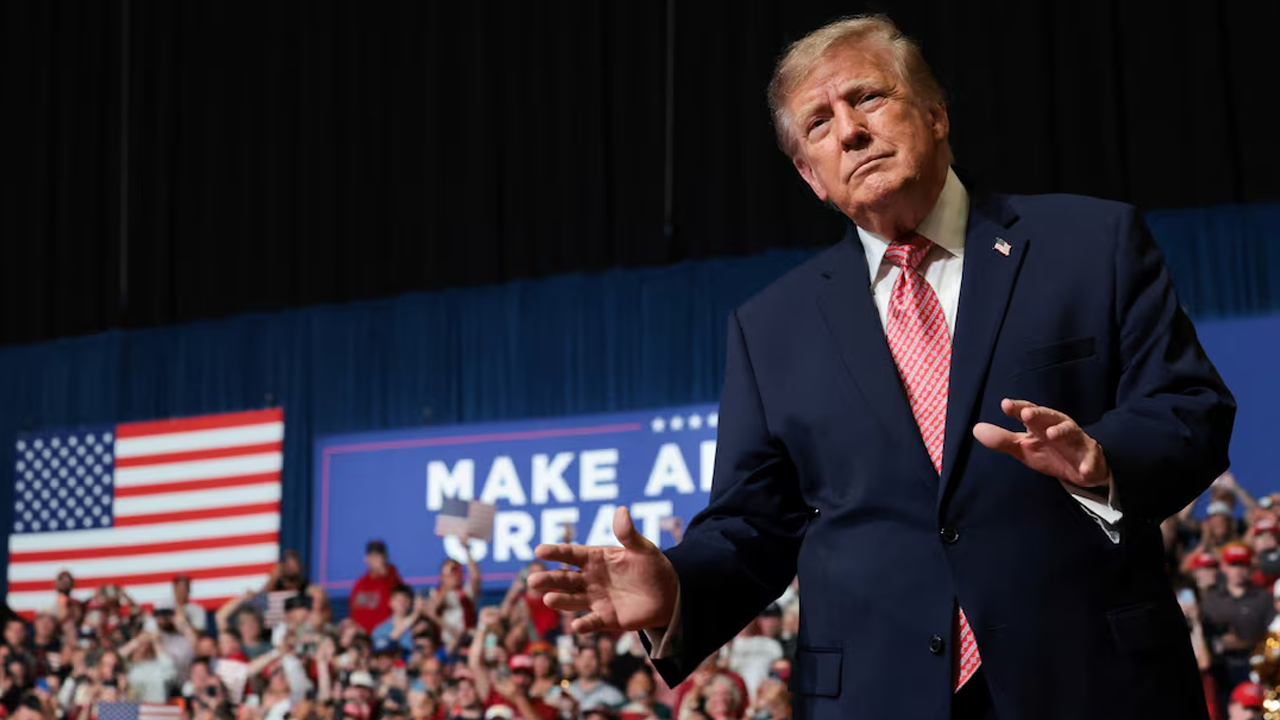
Darwin, October 20: US President Donald Trump has warned that protests and violence similar to those in France could spread across the United States if…
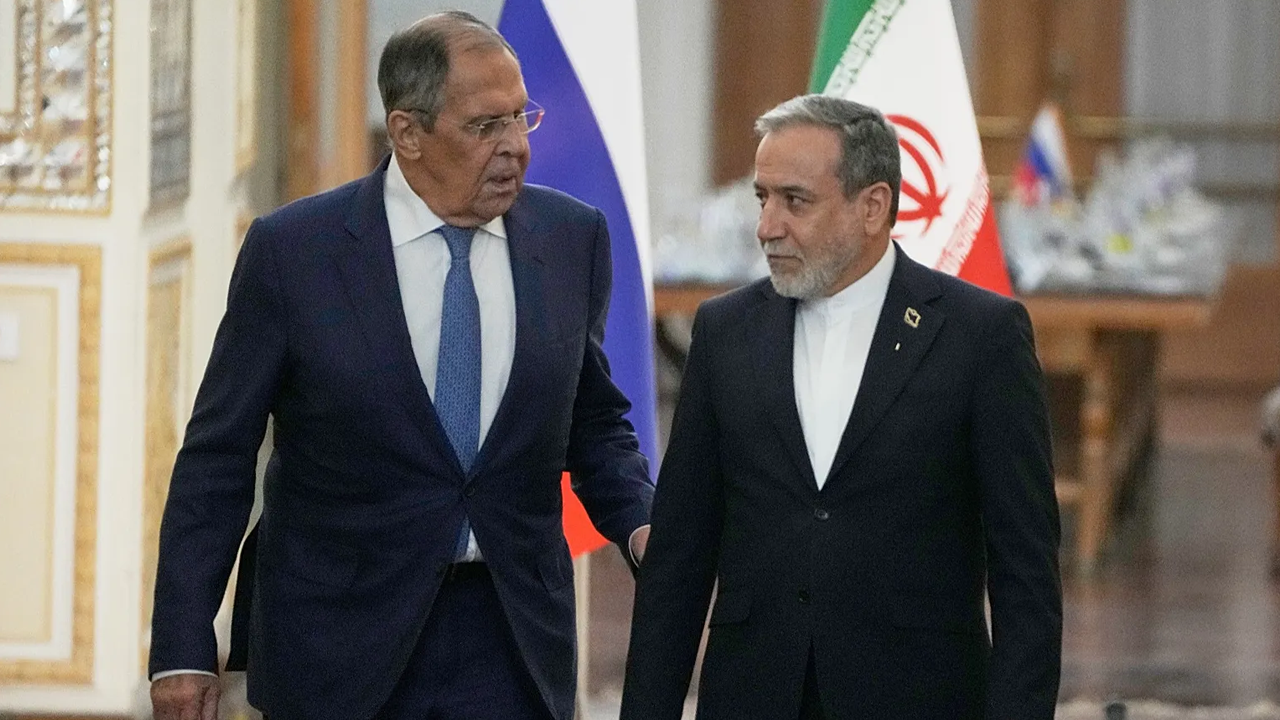
Darwin, October 20: Moscow has reaffirmed its full support for Tehran just hours after US President Donald Trump remarked that Russia was doing very little…

Darwin, October 19: Former Manchester City manager Pep Guardiola has urged the world not to forget the Palestinians in Gaza. In a video for the…