Oil Prices Rise in Global Markets on Fears of Middle East Supply Disruptions
Darwin, October 21: Oil prices rose in global markets on Wednesday as traders grew concerned about potential disruptions to oil supplies in the Middle East,…



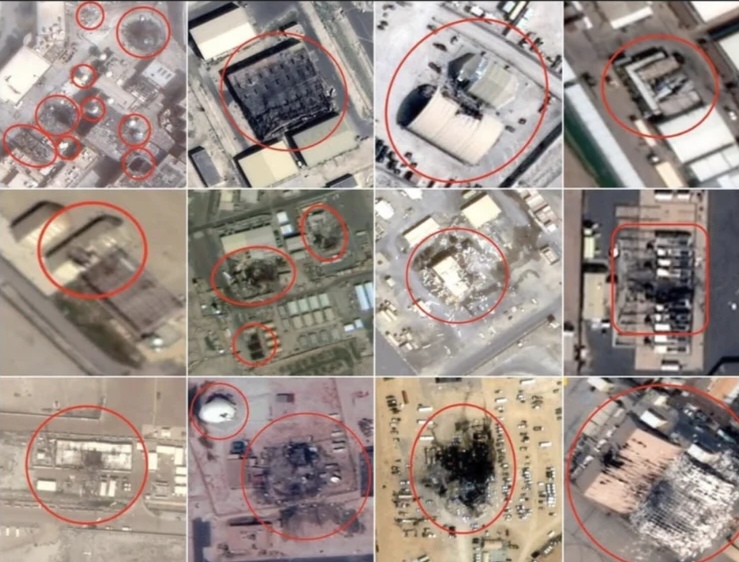
Darwin, 08 May : A special report published Wednesday by The Washington Post says that at least 228 structures used by the United States military in the Middle East have been damaged or destroyed by Iranian airstrikes since the start of the war.
According to the newspaper’s analysis of satellite imagery, the strikes targeted key infrastructure at US bases across the region. These included aircraft shelters, barracks, fuel depots, military aircraft, as well as critical radar, communication, and air defense systems.
The Washington Post noted that the scale of the damage appears to be significantly greater than what the US government has publicly acknowledged or what has been reported previously.
Earlier, CNN reported widespread damage at no fewer than 16 US military bases in the region, pointing to a growing impact of Iranian attacks.
Officials cited in the report warned that the threat of continued airstrikes has made some US bases in the Middle East “extremely dangerous” for routine troop deployment. As a result, commanders have relocated a substantial portion of their forces out of the range of Iranian strikes since the early days of the conflict.
However, a US military spokesperson cautioned against interpreting the findings as evidence of overwhelming destruction or operational failure. The spokesperson emphasized that assessing damage in conflict zones is complex and may sometimes lead to misleading conclusions.
The spokesperson also said a more comprehensive assessment of Iranian attacks would likely be available after the war ends.
Meanwhile, US Secretary of Defense Pete Hegseth recently told Congress that the cost of the war with Iran could reach $25 billion. He also acknowledged that replenishing expended ammunition and military equipment may take months or even years.
In a related development, the Pentagon has requested a budget exceeding $1.5 trillion for the fiscal year 2027, marking a 40 to 50 percent increase following the outbreak of the conflict with Iran.

Darwin, October 21: Oil prices rose in global markets on Wednesday as traders grew concerned about potential disruptions to oil supplies in the Middle East,…
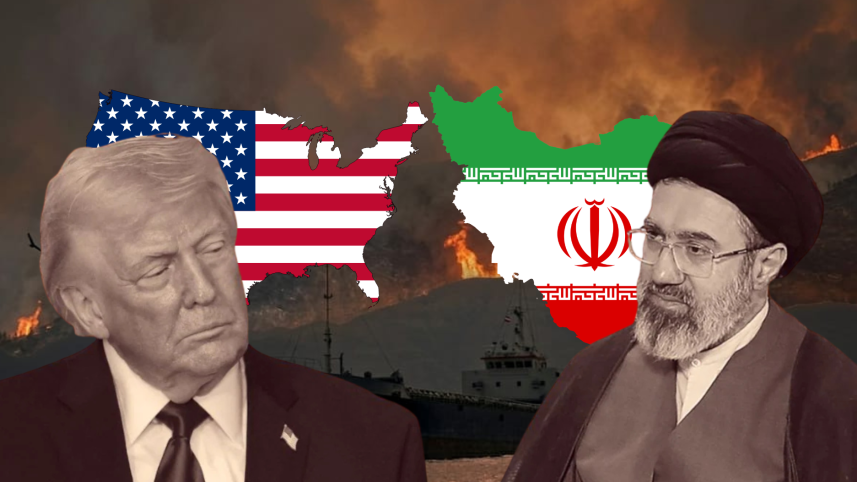
Darwin, October 21: Iran is prolonging negotiations with Washington in an attempt to politically weaken President Donald Trump ahead of the US midterm elections, according…

Darwin, October 21: Today is the auspicious occasion of Bijaya Dashami. The five-day Sharadiya Durga Puja, the biggest religious festival of the Hindu community, officially…

Darwin, October 20: Today is Maha Navami, the ninth day of Sharadiya Durga Puja. Members of the Hindu community will observe the day through religious…

Darwin, October 20: Protests and violence over the rising cost of living have erupted in Italy, one of Europe’s largest economies, following similar unrest in…

Darwin, October 20: US President Donald Trump has warned that protests and violence similar to those in France could spread across the United States if…
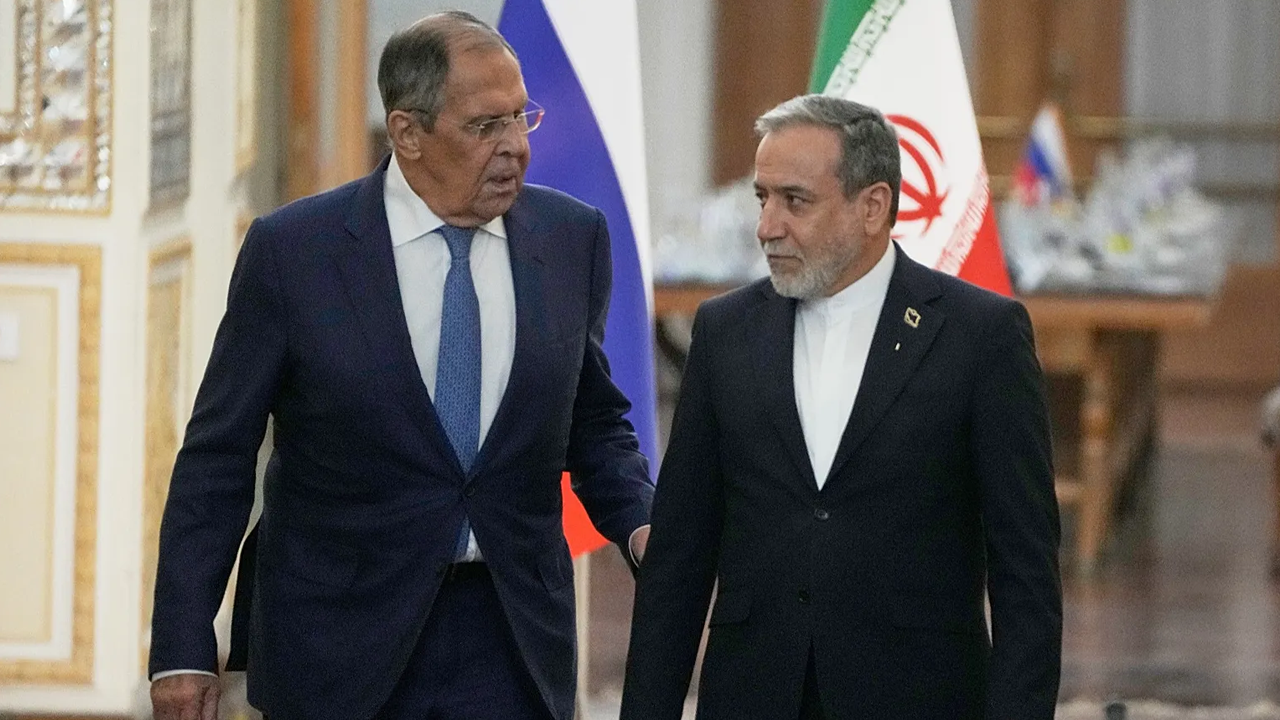
Darwin, October 20: Moscow has reaffirmed its full support for Tehran just hours after US President Donald Trump remarked that Russia was doing very little…

Darwin, October 19: Former Manchester City manager Pep Guardiola has urged the world not to forget the Palestinians in Gaza. In a video for the…