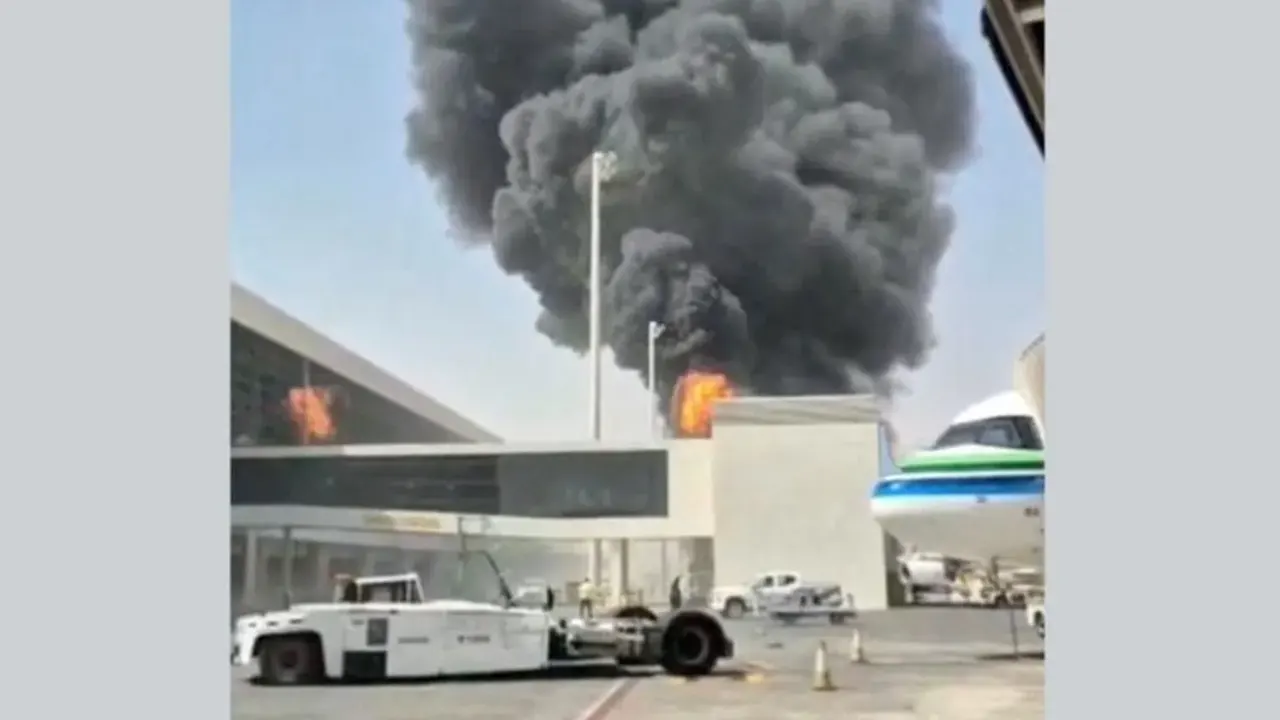
Darwin, 11 July : The global energy market has once again been thrown into turmoil after Russia imposed a ban on diesel exports. Following Ukrainian drone strikes on several Russian refineries, Moscow suspended all diesel exports this week to safeguard domestic fuel supplies. Since then, prices of the fuel—widely used across industrial sectors—have surged sharply amid a severe supply shortage, raising concerns that the crisis could slow global industrial production and agricultural activity.
According to Reuters, diesel is the world’s most widely used refined petroleum product. It powers industrial machinery, agricultural equipment, heavy transportation, and electricity generation, making it a critical component of the global economy. As a result, any significant increase in diesel prices has widespread economic consequences.
Global diesel supplies have remained tight for several years. Following the COVID-19 pandemic, demand rebounded rapidly, while the closure of several refineries in Western countries reduced refining capacity and constrained supply. Russia’s latest export ban has further intensified the shortage.
Russia is the world’s second-largest exporter of diesel after the United States. Even before the export ban, Russian diesel shipments had already begun to decline as Ukrainian drone attacks disrupted domestic fuel production and created supply pressures.
According to energy analytics firm Kpler, Russia’s exports of diesel and gasoil averaged just 234,000 barrels per day between July 1 and July 10. That compares with approximately 400,000 barrels per day in June and an average of about 817,000 barrels per day throughout 2025.
At the same time, renewed exchanges of attacks involving the United States and Iran have disrupted shipping through the Strait of Hormuz, raising fresh concerns over potential impacts on energy exports from the Middle East.
Meanwhile, diesel inventories in the United States have also fallen. According to the U.S. Energy Information Administration (EIA), U.S. distillate fuel inventories declined by more than 4.5 million barrels in the week ending July 3, falling to 97.8 million barrels. That level is roughly 6% below the five-year average.
In an analysis published on Thursday, Gulf Oil energy adviser Tom Kloza said, “Tensions in the Persian Gulf, Russia’s export suspension, and the latest U.S. inventory data have completely shifted the balance in the diesel market in favor of sellers.”
Diesel Prices Surge in the U.S. and Europe
Although the United States and Europe have largely stopped importing Russian fuel since Moscow’s invasion of Ukraine, diesel prices in both regions have climbed rapidly following Russia’s export ban.
On Wednesday, U.S. ultra-low sulfur diesel futures jumped 11% to $154 per barrel, trading at an $80 premium over West Texas Intermediate (WTI) crude oil.
In Europe, low-sulfur gasoil futures also surged, reaching a record premium of $60.77 per barrel above Brent crude on Wednesday.
Unable to secure diesel supplies from Russia, major importers such as Brazil and Turkey are now competing with European and other buyers for U.S. fuel supplies. Analysts warn that the tighter market could also affect electricity generation and agricultural production.
Mick Strautman, an analyst at energy consultancy Vortexa, said that if Turkey chooses to retain more diesel for domestic consumption, it could significantly reduce a key source of fuel used for electricity generation across the Mediterranean region during the summer.
Analysts also warn that higher diesel prices could increase farming costs ahead of the upcoming planting season in the Southern Hemisphere and the harvest season in the Northern Hemisphere. Farmers in Brazil and the U.S. Midwest, in particular, may find themselves competing for increasingly limited diesel supplies.