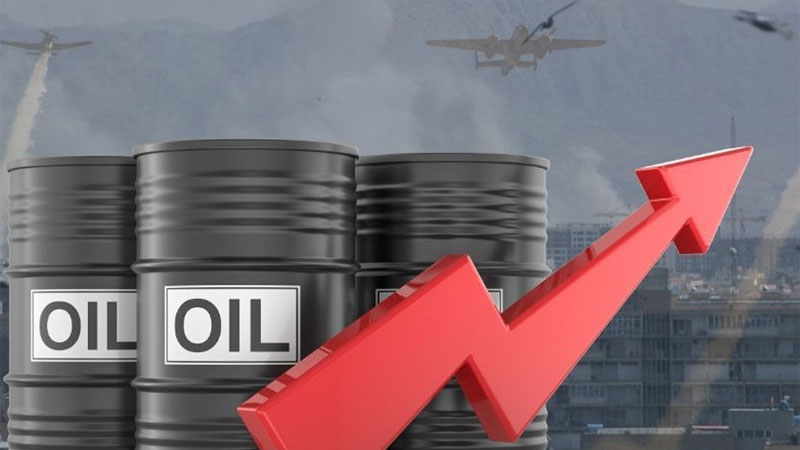
Darwin, 13 July : A U.S. airstrike on Iran’s southern coast and the ongoing conflict between the two sides over the Strait of Hormuz have sent shockwaves through the global energy market. Amid the escalating tensions, international crude oil prices have jumped by more than 3%.
On Monday, international benchmark Brent crude futures rose by $2.67, or 3.51%, to $78.68 per barrel.
Meanwhile, U.S. crude oil futures increased by 3.4%, trading at $73.87 per barrel.
Energy analysts say the continuing military confrontation between U.S. and Iranian forces could severely disrupt oil shipments through the Strait of Hormuz. Concerns over potential supply disruptions have fueled the sharp rise in global oil prices.
Meanwhile, Iran has accused the United States of violating a Memorandum of Understanding (MoU) related to peace negotiations. Tehran claims that the temporary ceasefire brokered by Oman and Qatar following the outbreak of the conflict in February has completely collapsed due to the recent U.S. strikes.
Following the recent death of Iran’s Supreme Religious Leader, Tehran has vowed retaliation during the funeral ceremonies. At the same time, U.S. President Donald Trump reportedly threatened to “destroy Iran,” pushing the conflict into a more dangerous and volatile phase.
Iran has declared its intention to establish full control over the Strait of Hormuz, while the U.S. Central Command (CENTCOM) has continued carrying out airstrikes aimed at degrading Iran’s military capabilities. The escalating military confrontation has had an immediate impact on global oil markets.