Saudi Arabia’s Dammam Airport Comes Under Attack
Darwin, October 12: Saudi Arabia’s Civil Aviation Authority has confirmed an attack on Dammam Airport in the country’s Eastern Province. The confirmation came shortly after…



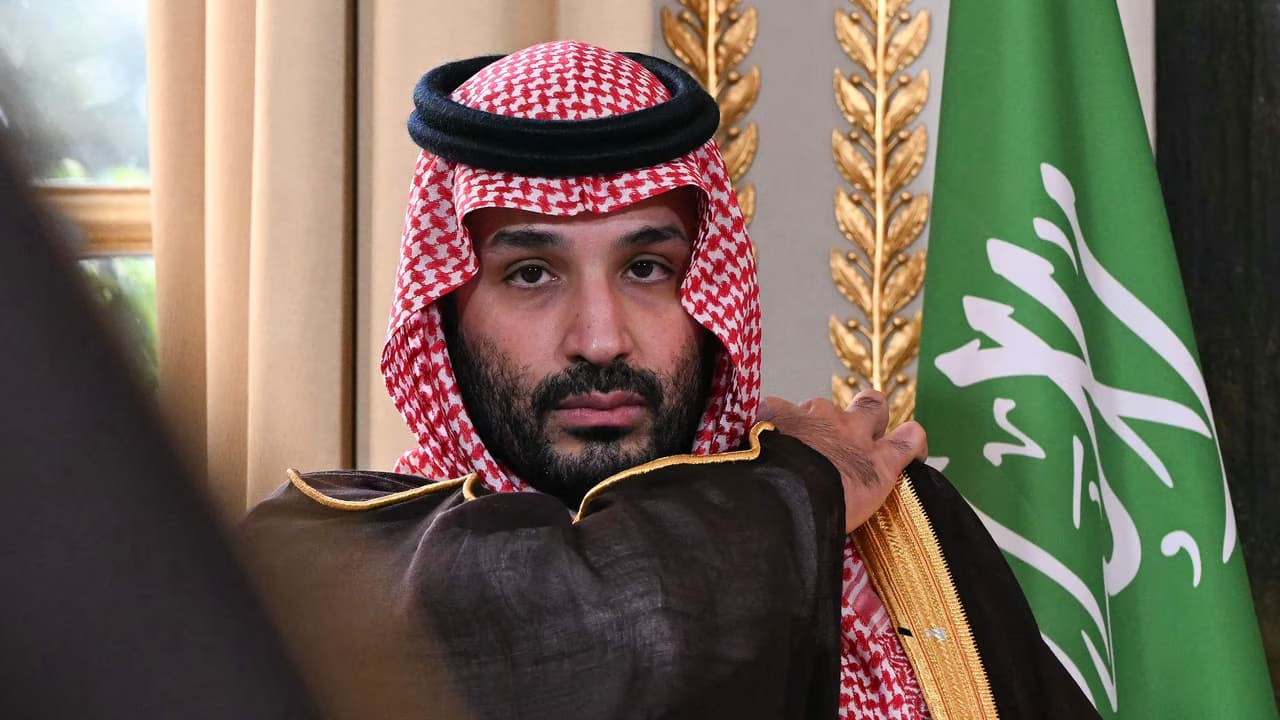
Darwin, October 13: Saudi Crown Prince Mohammed bin Salman has reportedly been moving from one palace to another amid growing security concerns as Yemen’s Houthi rebels intensify their attacks. The heavily secured palaces are equipped with bunker facilities, according to a report by the US newspaper The Wall Street Journal, citing officials familiar with the matter.
The 41-year-old crown prince was last seen in public on October 6, when he donated blood as part of a national blood donation campaign. He has not appeared publicly since then, the report said. According to the newspaper, a special security team of his choosing has been assigned to protect him as the conflict between Saudi Arabia and Yemen’s Houthi rebels escalates.
Reports of bin Salman’s alleged ‘palace-to-palace flight’ come as the Houthis continue to bombard the Saudi capital, Riyadh, with drones, cruise missiles and ballistic missiles. Repeated attacks have forced King Khalid International Airport to remain closed until October 17.
According to the report, Saudi Arabia suffered its deadliest attack in a decade on October 10, when at least one Houthi missile struck King Khalid International Airport in Riyadh. At least 13 people were killed and 300 injured, many of them seriously.
Citing officials briefed on the attack, The Wall Street Journal reported that it was the single deadliest attack on the United States and its Gulf allies in conflicts linked to the war involving Iran. A 28-year-old Egyptian flight attendant died from blood loss after the missile strike severed one of her arms. Several other casualties also suffered limb amputations.
King Khalid International Airport has remained closed since the missile attack over the weekend. The airport has been targeted four times in the past five days, according to the report.
News reports published between October 1 and 13 indicate that at least 20 people have been killed in Houthi attacks on Saudi Arabia.
The attacks have raised concerns about Saudi Arabia’s ability to defend its capital, amid reports that its stockpile of interceptor missiles used to shoot down incoming ballistic and cruise missiles is running low. Like other countries in the region, Saudi Arabia has expended large quantities of interceptors to counter Iranian ballistic and cruise missiles launched since the US-Israeli war against Iran began. As a result, its air defence systems are under considerable strain.
Meanwhile, Saudi Energy Minister Prince Abdulaziz bin Salman has warned that the response to the attacks would be equally serious, given their severity.
US President Donald Trump has said he is considering joining Saudi Arabia in strikes against the Houthis. Saudi Arabia’s allies under the Mecca Agreement have also expressed support for Riyadh.
The conflict between Saudi Arabia and the Houthis dates back to 2015, when a Saudi-led coalition intervened in Yemen’s civil war in support of the internationally recognised government. The two sides reached a fragile truce in 2022. However, the understanding collapsed in July this year amid the US-Israeli war against Iran.
Saudi forces reportedly struck Sanaa airport when an aircraft carrying Houthi leaders from Tehran attempted to land after attending the funeral of Iran’s Supreme Leader Ayatollah Ali Khamenei. The Houthis resumed their attacks in retaliation.
Backed by Iran, the Houthis are among Tehran’s most powerful armed allies in the Middle East. Iranian Foreign Ministry spokesperson Esmaeil Baghaei said Tehran was deeply concerned about the deteriorating situation on the Arabian Peninsula. He argued that the conflict would benefit only the Israeli regime.
On Sunday night, the Saudi and Iranian foreign ministers held talks about the widening conflict. Iranian Foreign Minister Abbas Araghchi said he had warned against prioritising military solutions while ignoring the political situation. He also said Tehran was ready to help facilitate dialogue between Saudi Arabia and the Houthis.
Sources: The Wall Street Journal, The New Arab
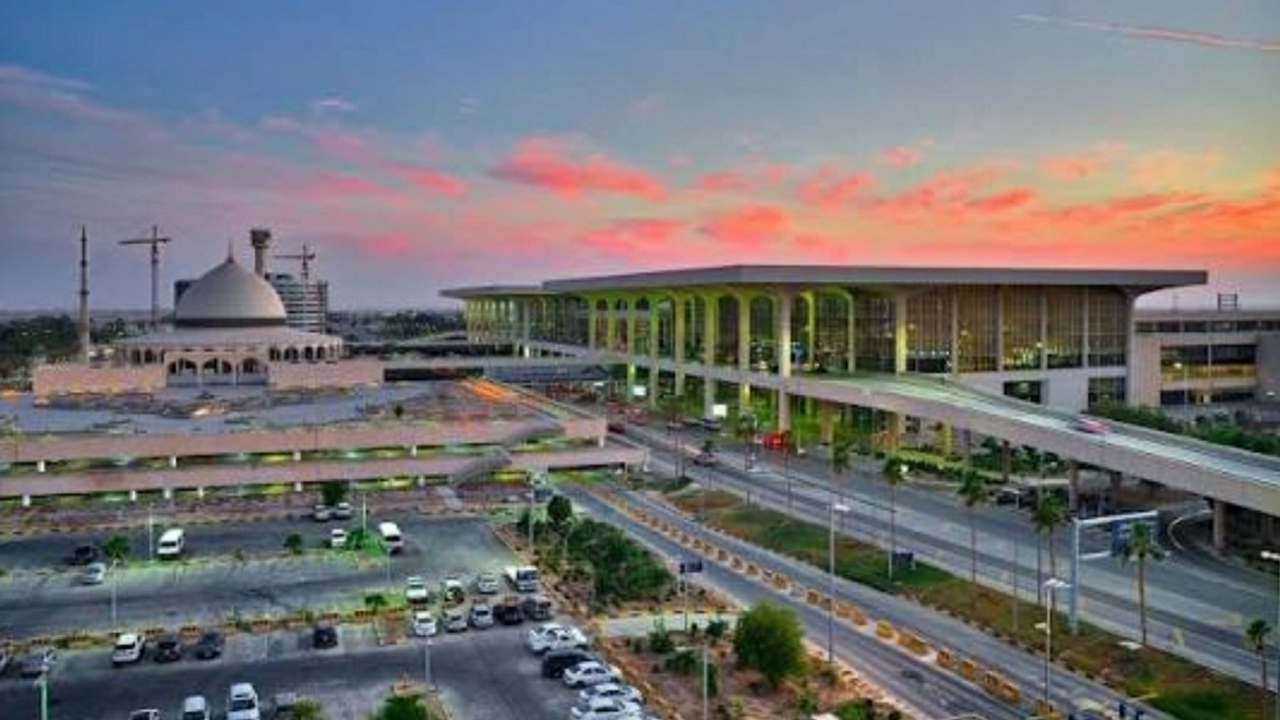
Darwin, October 12: Saudi Arabia’s Civil Aviation Authority has confirmed an attack on Dammam Airport in the country’s Eastern Province. The confirmation came shortly after…
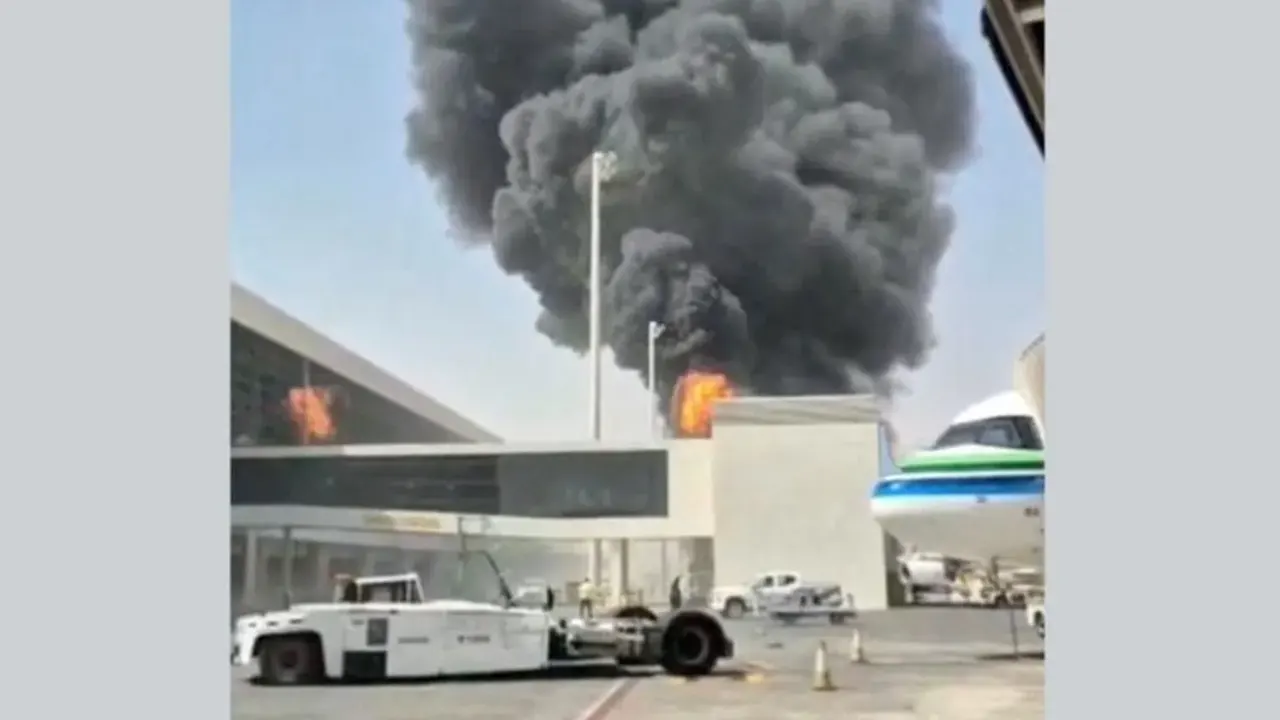
Darwin, October 12 : A fresh attack has reportedly targeted King Khalid International Airport in Riyadh, the capital of Saudi Arabia, killing one Pakistani national…
Darwin, October 11: US President Donald Trump has called for a new presidential election in Ukraine, suggesting that Volodymyr Zelenskyy has failed to seize opportunities…
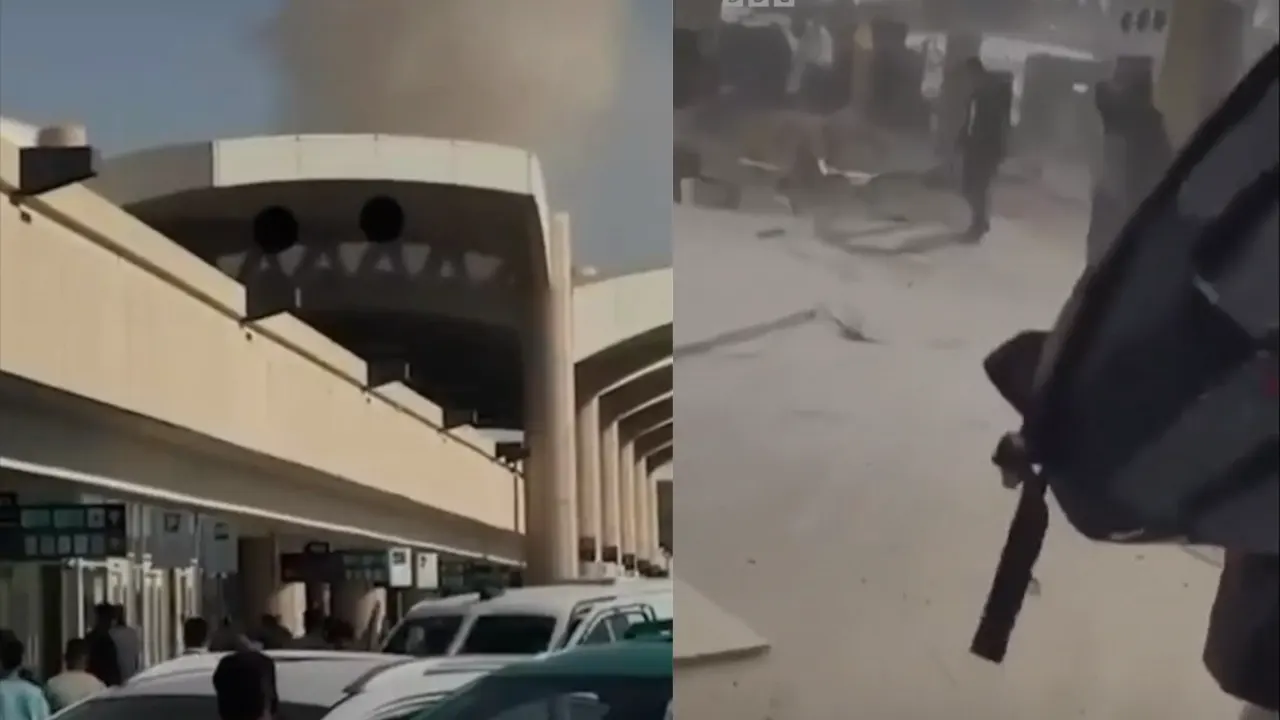
Darwin, October 11: At least 12 people have been killed in an attack by Yemen’s Iran-backed Houthi armed group on King Khalid International Airport in…
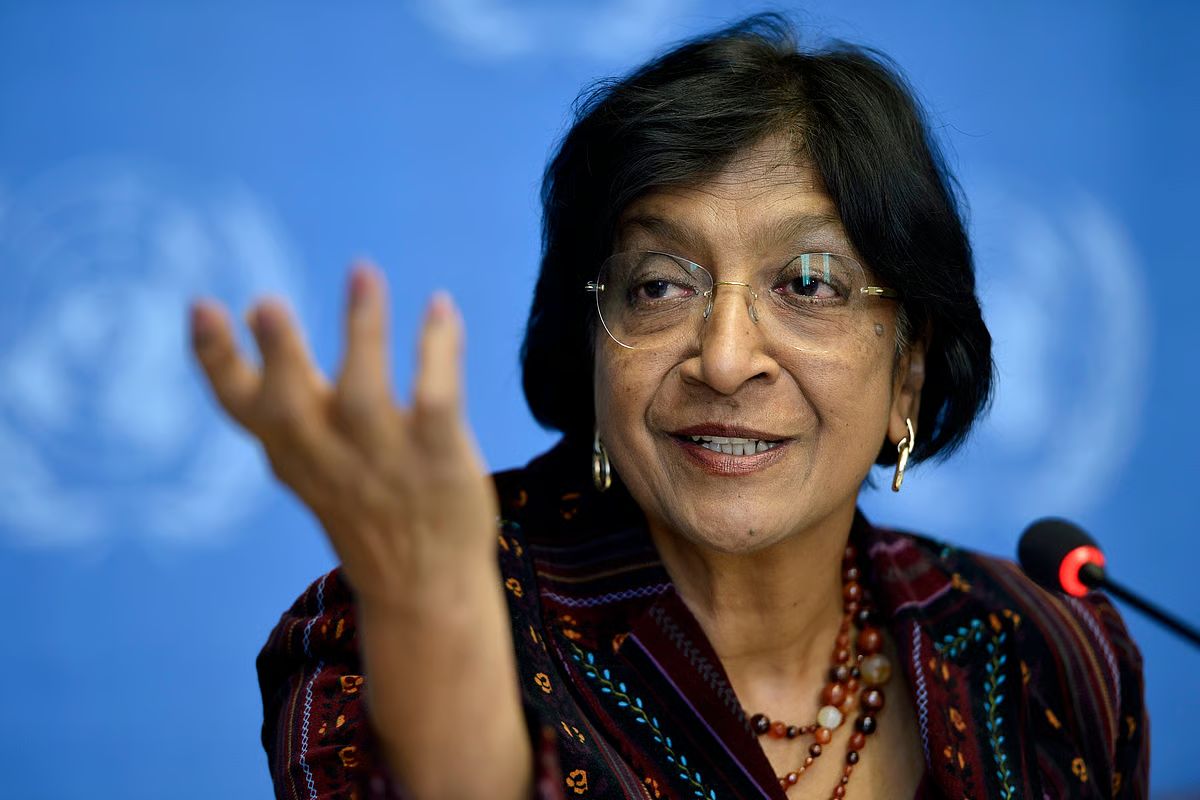
Darwin, October 09: Navanetham “Navi” Pillay, a South African jurist who led a United Nations investigative commission that described Israel’s actions in Gaza as genocide,…
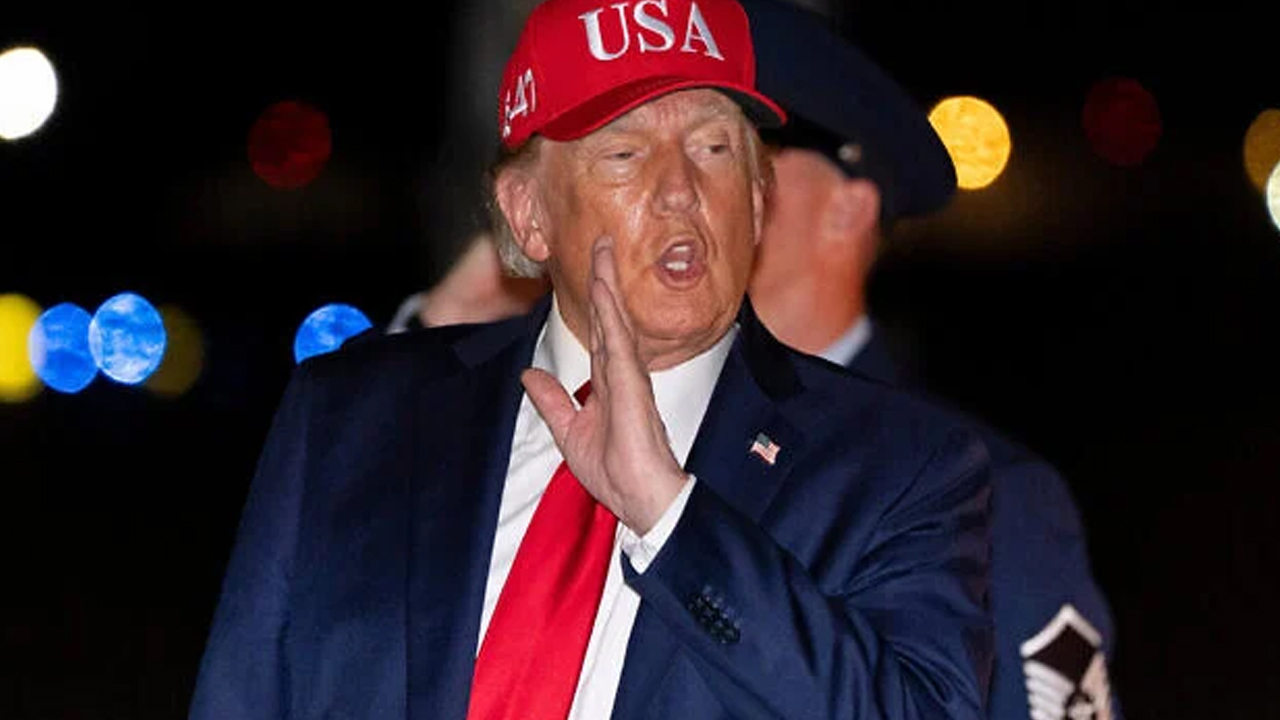
Darwin, October 08: U.S. President Donald Trump said on Wednesday that he deserves to win the Nobel Peace Prize, while expressing doubts that he would…
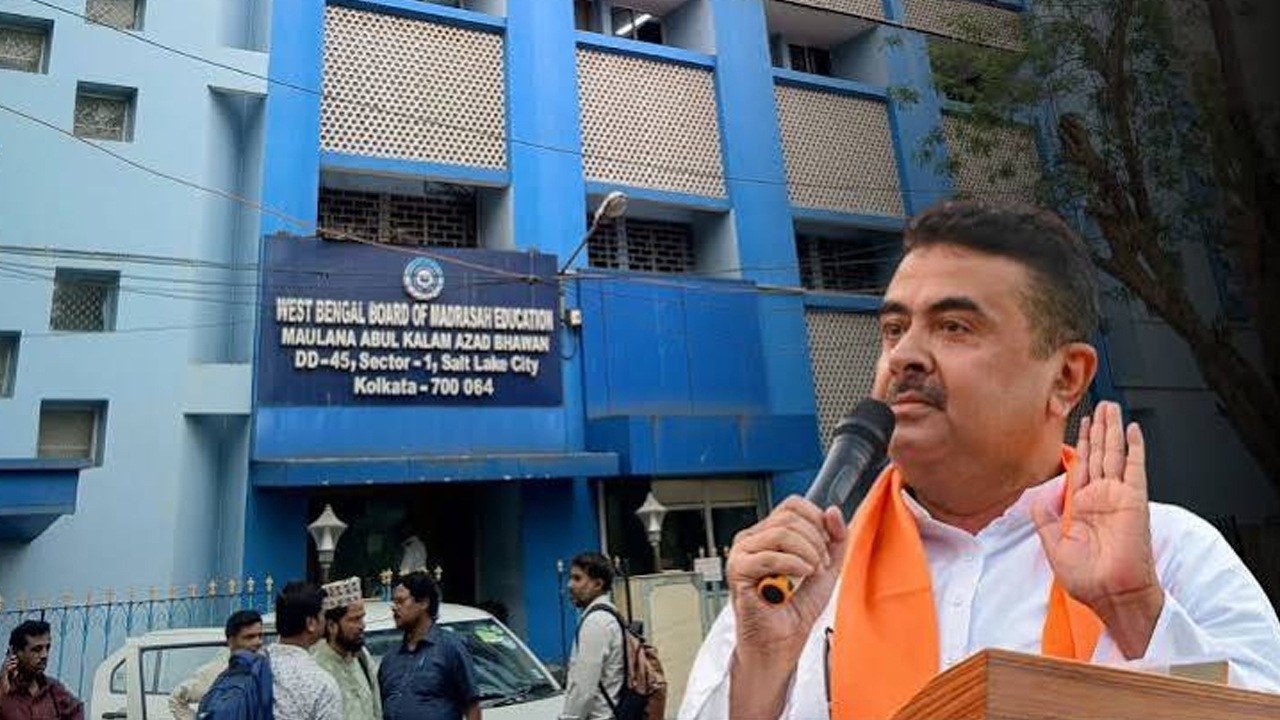
ডারউইন, অক্টোবর ০৮: ভারতের পশ্চিমবঙ্গ রাজ্যে শিক্ষা ব্যবস্থায় বড়সড় বদলের খবর জানালেন মুখ্যমন্ত্রী শুভেন্দু অধিকারী। তার মতে, শিক্ষক নিয়োগে সমতা আনতে পশ্চিমবঙ্গ রাজ্যে আনুষ্ঠানিকভাবে বিলুপ্ত…

Darwin, October 07: Lionel Messi’s final match in international football, if this indeed was his last, was just like the man himself—filled with goals, assists, and…