Silver, Platinum and Palladium Prices Fall in Global Markets
Darwin, September 8: Precious metal prices declined in the international market on Tuesday. In the spot market, silver prices fell 0.5% to $65.76 per ounce….



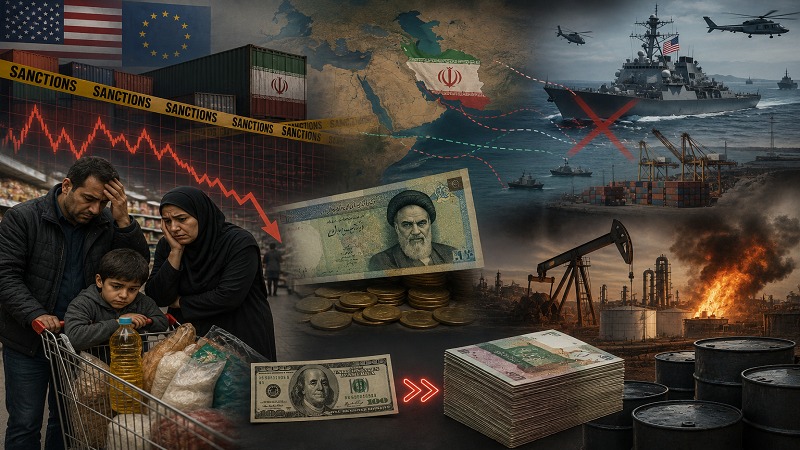
Darwin, 17 May : Iran’s economy, already under severe strain from decades of international sanctions imposed by the United States and European countries, is facing a major crisis.
The ongoing war situation has further intensified the economic pressure, leaving ordinary citizens struggling to cope with the rising cost of living.
According to the latest data from Iran’s Statistical Center, the country had long been experiencing chronic inflation of around 40 percent. However, due to the impact of the war, inflation has now surged to 53.7 percent. Point-to-point inflation has also climbed to 17.3 percent.
The situation is even more alarming for essential consumer goods. Prices of basic necessities, especially edible oil, have increased by as much as 375 percent.
At the same time, the continuous depreciation of the Iranian rial has pushed daily life into deeper crisis. According to international currency market rates, the exchange rate in the open market has exceeded 1.1 million rials per US dollar.
Reports from local markets indicate that while there is no major shortage of essential goods, prices have gone far beyond the reach of ordinary people. In response, the government has identified certain sectors where market prices can still be controlled and is taking measures accordingly.
Currently, one of the biggest challenges for Iran’s economy is the US naval blockade in the Strait of Hormuz. More than 90 percent of Iran’s annual foreign trade, worth nearly $19.7 billion, passes through the strategic waterway.
However, due to the US blockade, commercial activities at the ports have become almost completely paralyzed. As a result, economic activities worth around $435 million per day have reportedly come to a standstill.
Iran’s oil exports, the country’s primary source of revenue, have also suffered a major blow. Because of the sanctions and blockade, Iran’s oil exports reportedly dropped by nearly 80 percent between April and May.
With oil sales disrupted and storage facilities nearing capacity, Iran has been forced to cut crude oil production by around 400,000 barrels per day.
To address the crisis, Iranian officials are exploring alternative trade routes through Turkey, Turkmenistan, Afghanistan, Azerbaijan, and the Caspian Sea. However, establishing new commercial routes and shifting trade operations is expected to take considerable time.
Meanwhile, amid the severe economic paralysis, fears of another war or major conflict are growing among ordinary Iranians. The combined economic, psychological, and geopolitical uncertainty is placing immense pressure on daily life across the country.
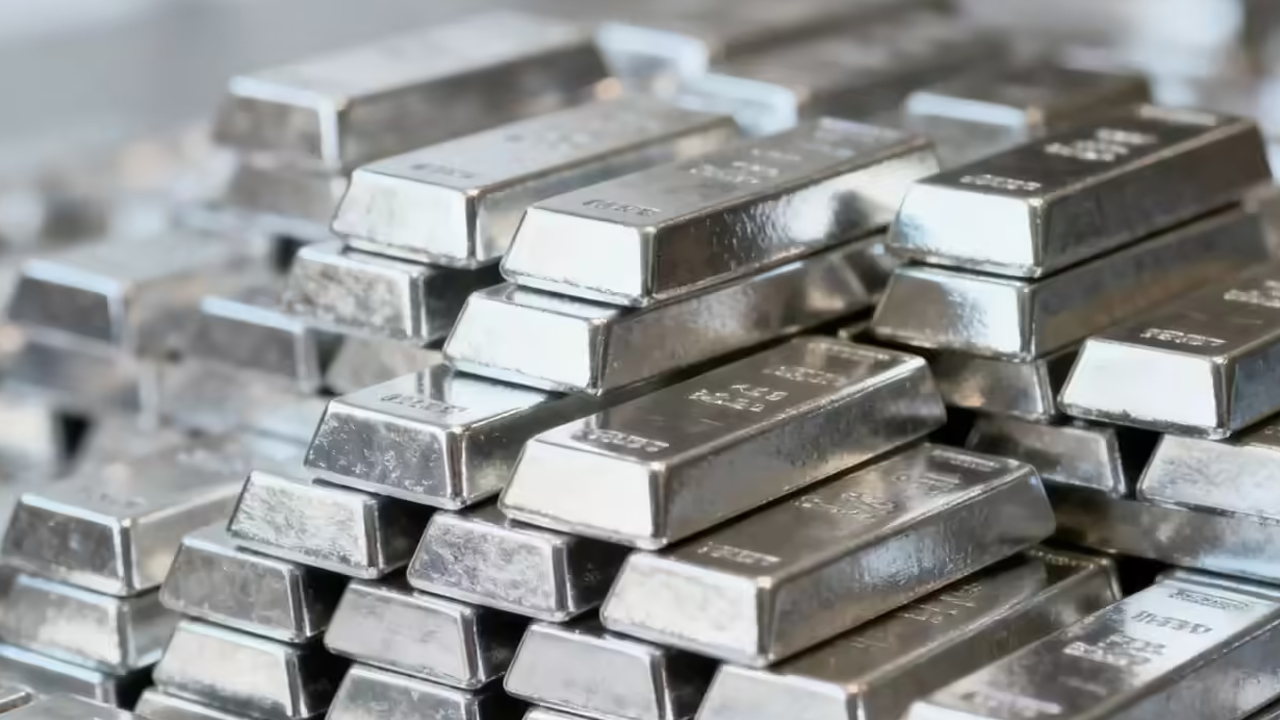
Darwin, September 8: Precious metal prices declined in the international market on Tuesday. In the spot market, silver prices fell 0.5% to $65.76 per ounce….
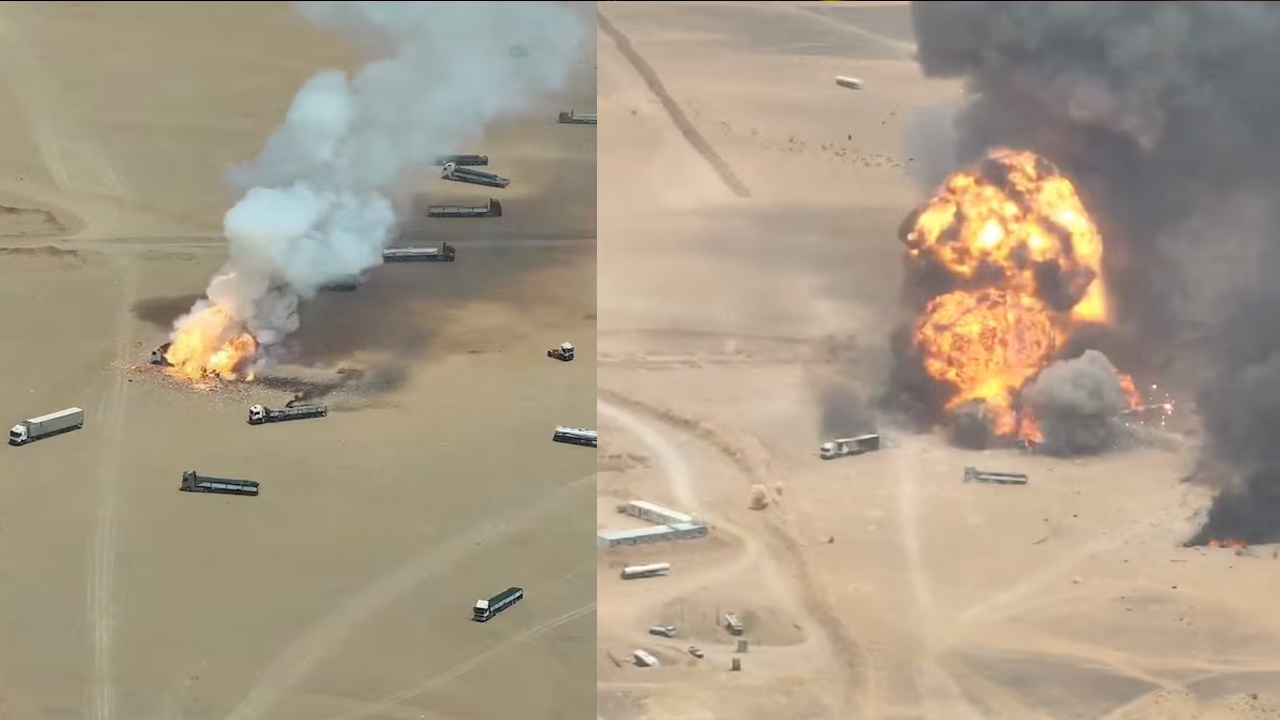
Darwin, Septermber 08 : At least 73 civilians, including women and children, have been injured in attacks by Yemen’s Houthi rebels targeting civilian and economic…

Darwin, 08 September : Ukraine has taken steps toward legalizing pornography as a way to raise funds for its war with Russia. According to The…
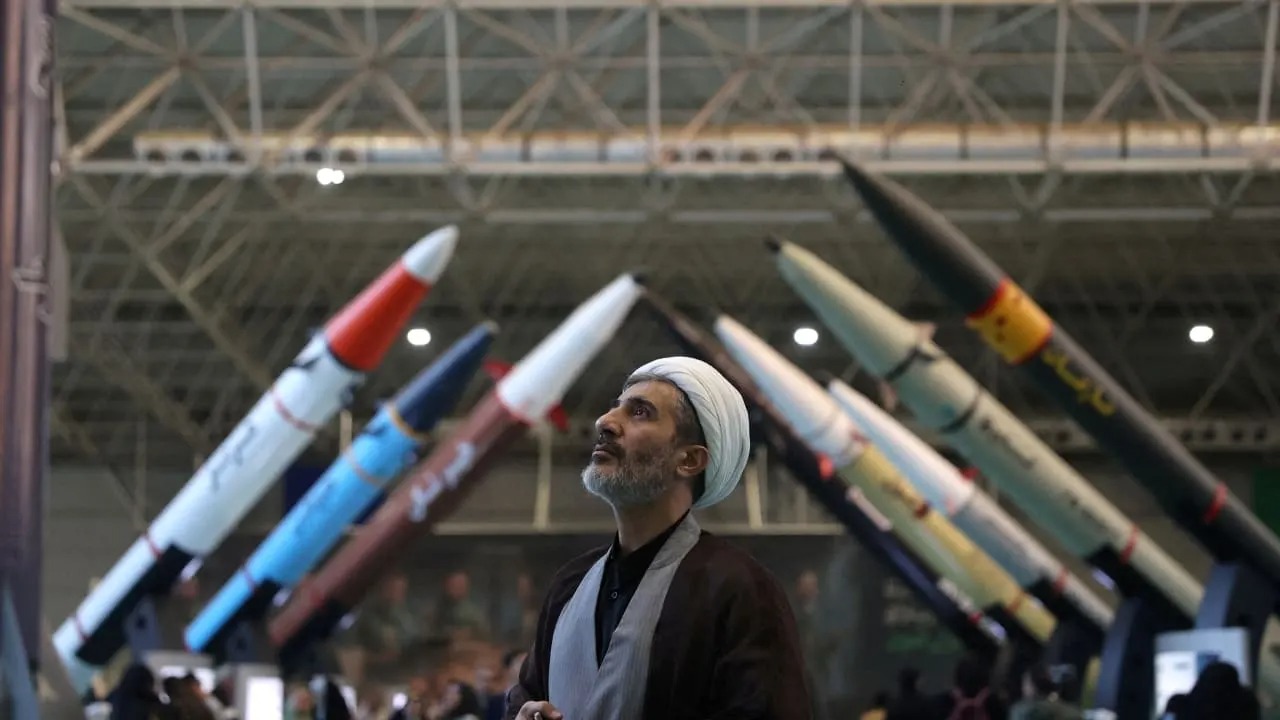
Darwin, September 07: Iran is preparing for a major, multi-front attack against Israel, according to an Israeli intelligence assessment. The report says Iran is seeking…
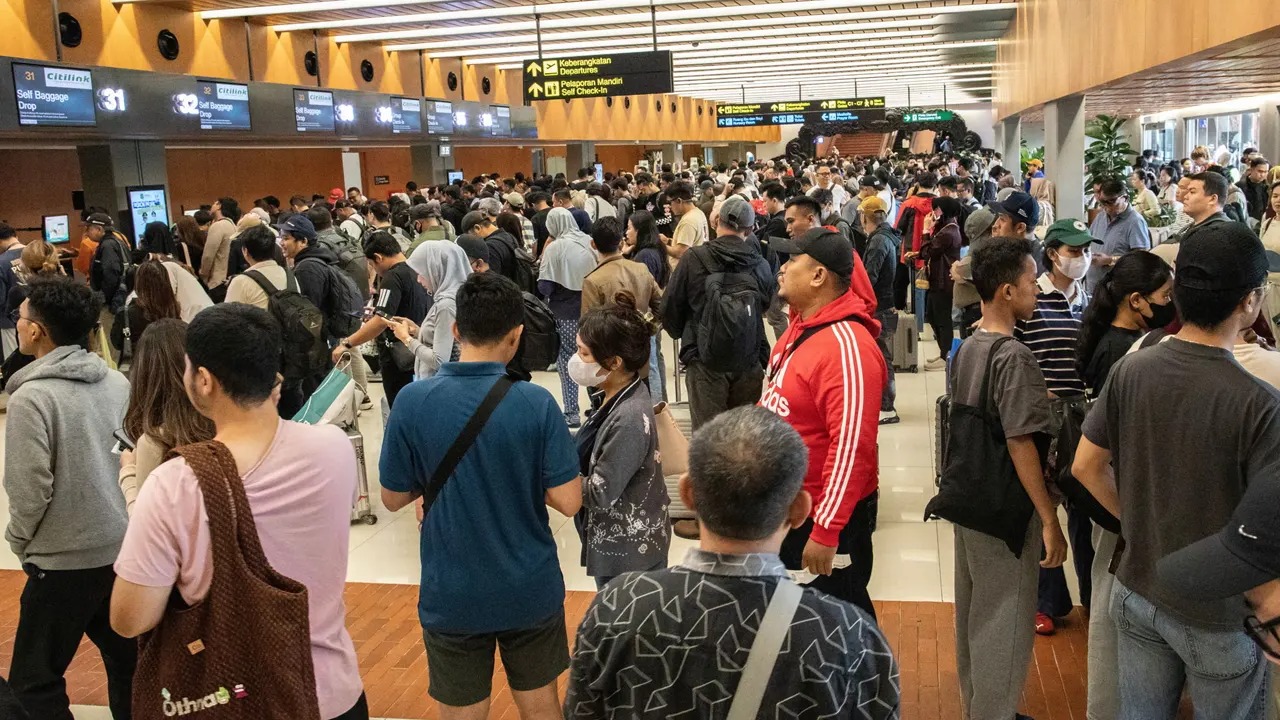
Darwin, 07 September: Air travel in Indonesia has been disrupted by ash from the eruption of Anak Krakatau volcano. As of Monday morning, seven airports,…
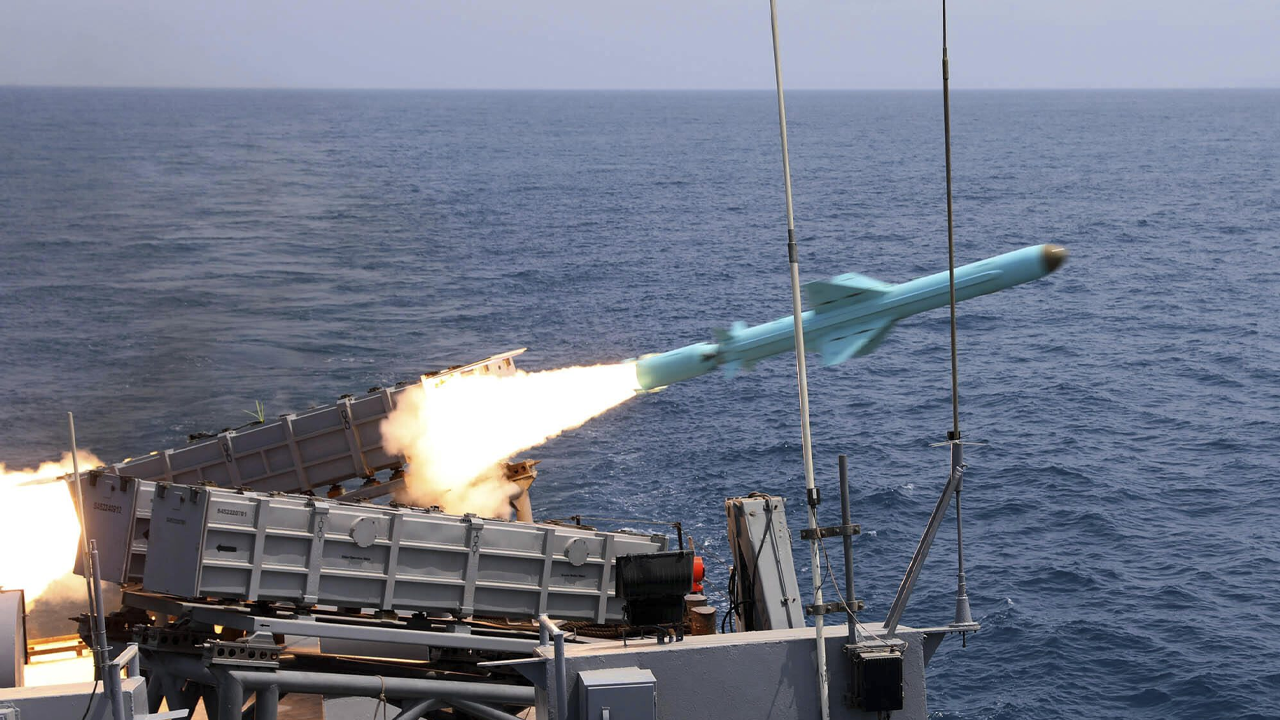
Darwin, September : Iran’s Islamic Revolutionary Guard Corps (IRGC) has launched ballistic missile attacks on a US aircraft carrier and a US Navy destroyer. In…
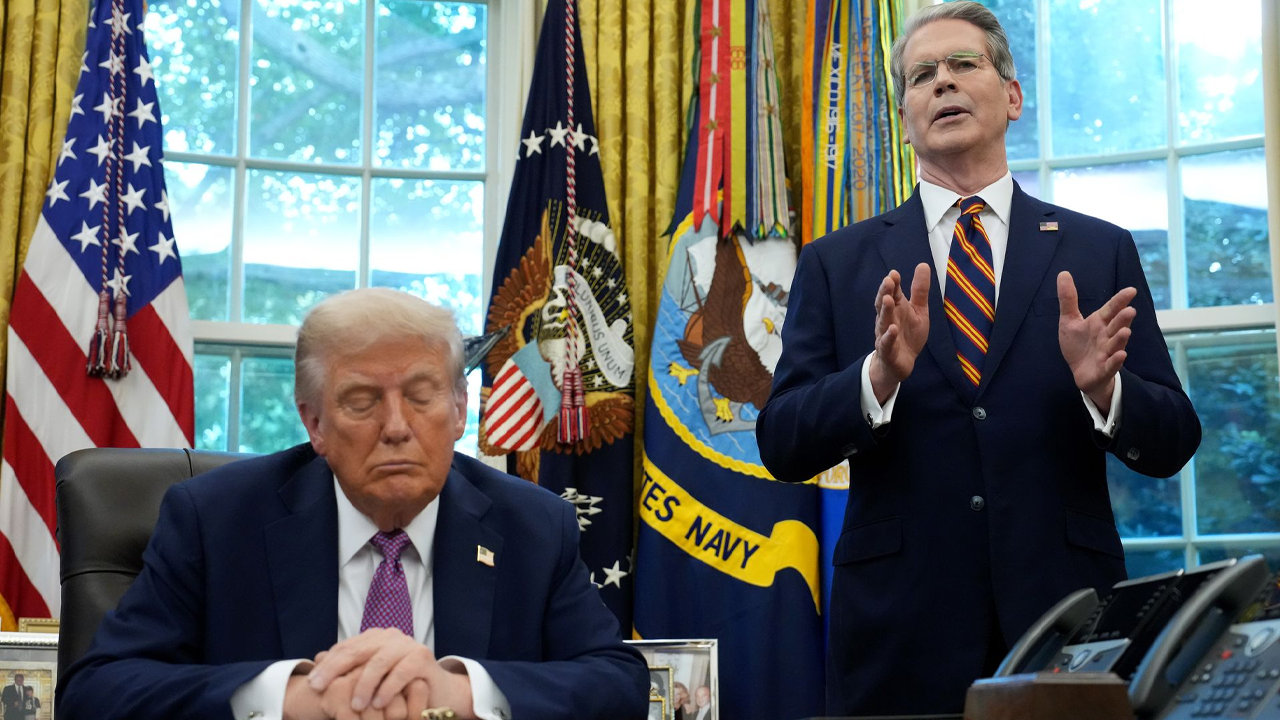
Darwin, September 05: The Trump administration’s efforts to intensify economic pressure on Iran could accelerate the emergence of a new global order less dependent on…
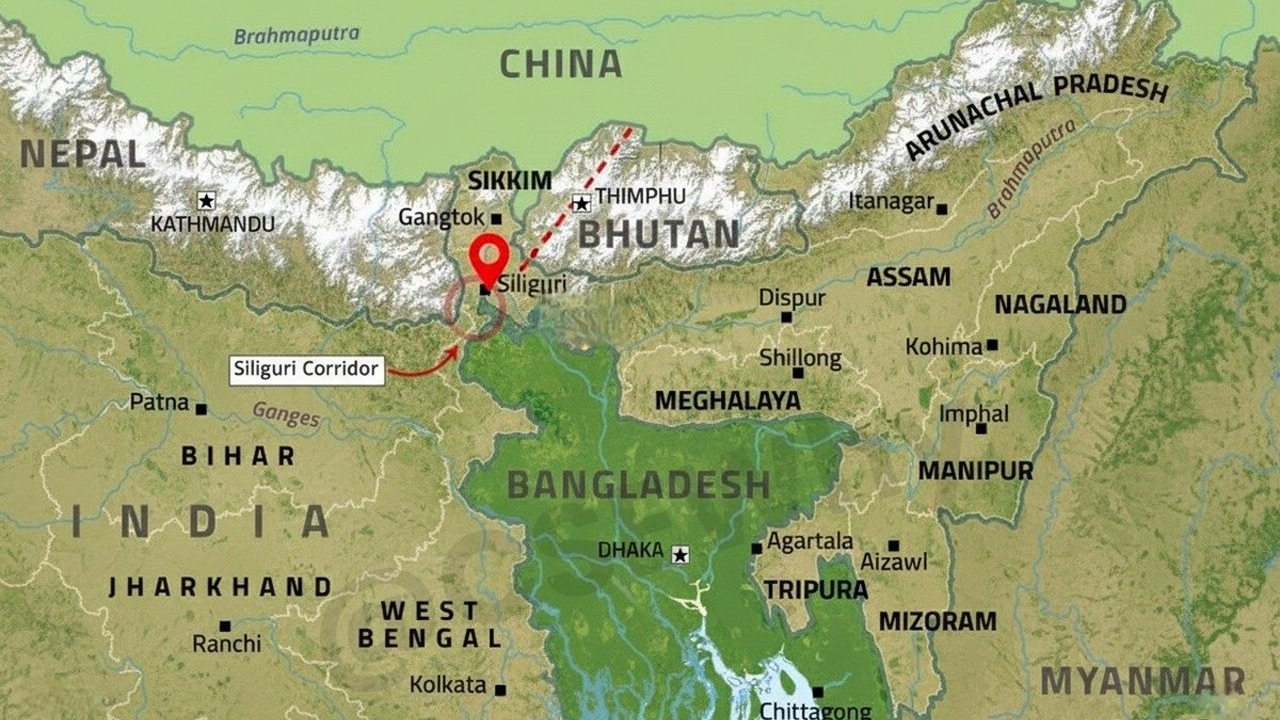
Darwin, September 04 : India’s central government has allocated Rs 2,077 crore for the construction of a new four-lane highway in the strategically important Siliguri…