Navi Pillay, Who Fought for Gaza, Wins Nobel Peace Prize
Darwin, October 09: Navanetham “Navi” Pillay, a South African jurist who led a United Nations investigative commission that described Israel’s actions in Gaza as genocide,…



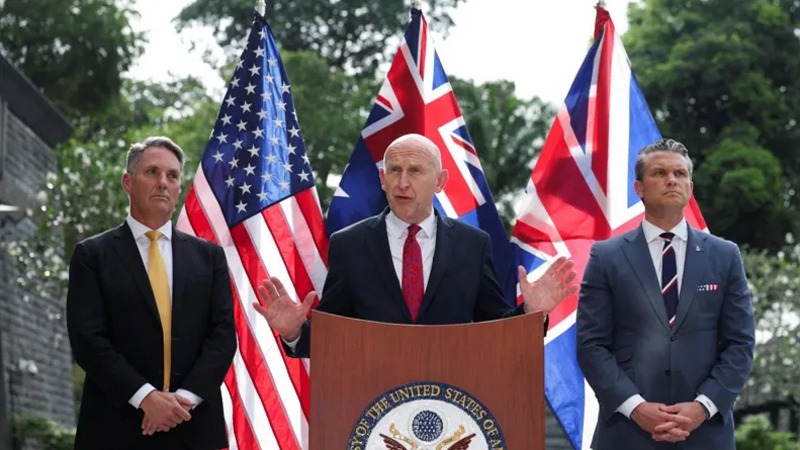
Darwin, 31 May : The United States, the United Kingdom, and Australia have announced plans to jointly develop underwater drone technology under the AUKUS security partnership. The unmanned underwater vehicle (UUV) technology is expected to be ready by next year.
Although the total cost of the project has not been disclosed, UK Defence Secretary John Healey said Britain would invest £150 million (approximately US$201 million) in the initiative, according to the BBC.
The announcement was made on Saturday (May 30) during a security conference in Singapore, where the defence ministers of the three countries unveiled the project. The move comes amid criticism over the slow pace of progress on various AUKUS initiatives.
Addressing the criticism, Healey acknowledged past shortcomings, saying, “For too long, AUKUS has talked more and delivered less. Under our three governments, that is now changing.”
Established in 2021, the AUKUS defence pact committed the three nations to developing nuclear-powered submarines and enhancing cooperation through the sharing of military technology and expertise. The alliance is widely seen as a strategic response to China’s expanding maritime presence in the Indo-Pacific region and rising tensions in disputed waters, including the South China Sea.
The unmanned underwater vehicle programme marks the first major project under AUKUS Pillar II, which focuses on the joint development of advanced military capabilities such as long-range hypersonic missiles, underwater robotics, artificial intelligence, and other cutting-edge technologies.
In a joint statement, the three countries said the project would develop advanced payloads and support systems for unmanned underwater vehicles. These drones are expected to be used for protecting seabed infrastructure, conducting strike operations, surveillance and reconnaissance missions, intelligence gathering, monitoring activities, and logistical support.
Healey said the programme would include the development of sophisticated sensors and weapons systems, enabling allied forces to rapidly benefit from advanced military technologies. He added that the technology would also help counter threats to undersea cables and pipelines, which are vital to modern economies and daily life.
According to Healey, the initiative will strengthen deterrence capabilities across the Pacific Ocean, the Atlantic Ocean, and Arctic waters.
Last month, Healey accused Russia of carrying out covert activities around cables and pipelines in waters north of the United Kingdom, allegations that Moscow has denied.
In December, the United Kingdom and Norway signed an agreement aimed at detecting and monitoring Russian submarines in the North Atlantic to help safeguard undersea communications cables.
The UK is connected to approximately 60 undersea cables. British officials say the presence of Russian vessels in UK waters has increased by around 30 percent in recent years, raising concerns about the security of this critical infrastructure.
Meanwhile, Chinese vessels have been suspected of involvement in incidents involving damaged undersea cables near Taiwan and in Swedish waters. Several cases of damage to seabed cables have also been reported across the Baltic Sea region in recent years.

Darwin, October 09: Navanetham “Navi” Pillay, a South African jurist who led a United Nations investigative commission that described Israel’s actions in Gaza as genocide,…

Darwin, October 08: U.S. President Donald Trump said on Wednesday that he deserves to win the Nobel Peace Prize, while expressing doubts that he would…

ডারউইন, অক্টোবর ০৮: ভারতের পশ্চিমবঙ্গ রাজ্যে শিক্ষা ব্যবস্থায় বড়সড় বদলের খবর জানালেন মুখ্যমন্ত্রী শুভেন্দু অধিকারী। তার মতে, শিক্ষক নিয়োগে সমতা আনতে পশ্চিমবঙ্গ রাজ্যে আনুষ্ঠানিকভাবে বিলুপ্ত…

Darwin, October 07: Lionel Messi’s final match in international football, if this indeed was his last, was just like the man himself—filled with goals, assists, and…

Darwin, October 07: Russia has finalized preparations to provide Iran with a $1 billion loan. The funds will be transferred once Tehran provides the necessary…
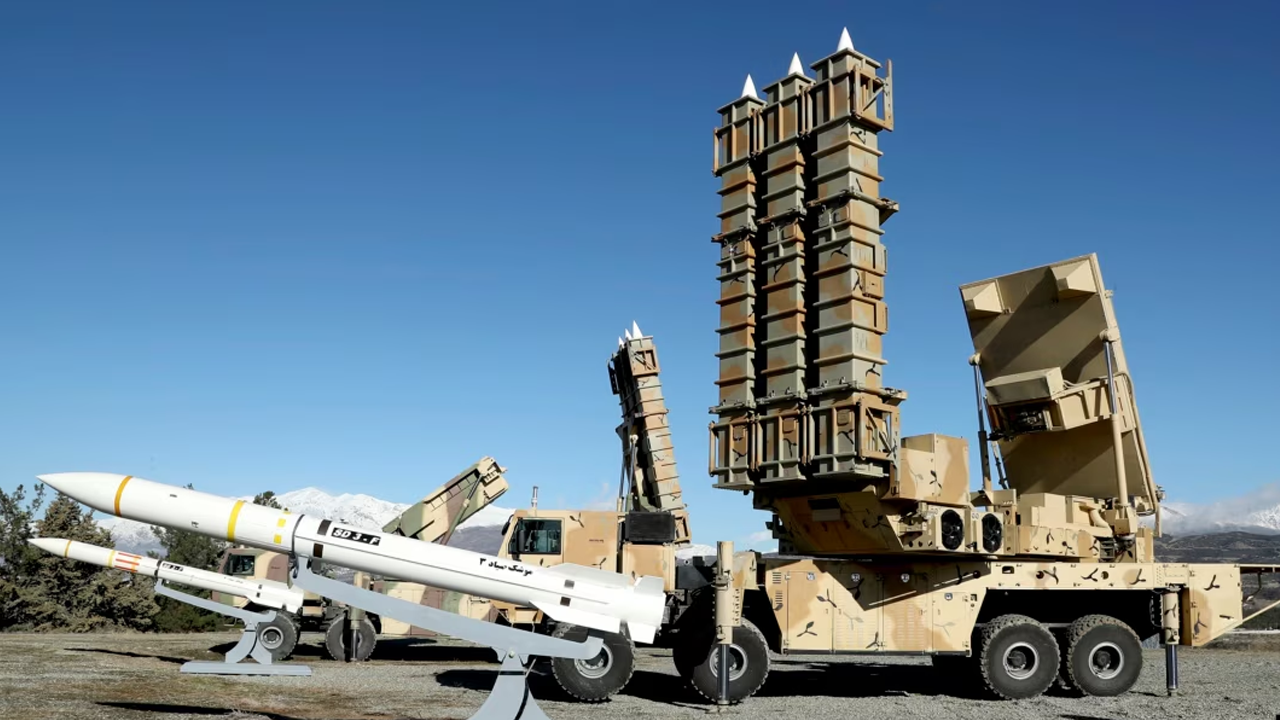
DARWIN, October 7: Iran has warned that it will deliver a stronger response if the United States or Israel launches another attack. The country also…

Darwin, October 05: Deaths in Australia are expected to outnumber births by the 2060s, according to a government report, marking a demographic milestone that countries…

Darwin, October 04: Ten people, including three children, have been injured after a car crashed into a crowd of rugby league fans in Newcastle, eastern…