India Building New Highway in ‘Chicken’s Neck’ with 212 Million USD Investment
Darwin, September 04 : India’s central government has allocated Rs 2,077 crore for the construction of a new four-lane highway in the strategically important Siliguri…



Darwin, 22 June : Oil prices fell below $80 per barrel as expectations of improved supply conditions in the global energy market grew, following signs of progress in talks between the United States and Iran regarding oil and petrochemical exports.
According to a Reuters report, Brent crude was trading at $79.38 per barrel in early Monday trading (June 22), down $1.19 or 1.48% from the previous session.
However, prices had initially surged to $82.30 per barrel at the start of the trading day after U.S. President Donald Trump threatened renewed military action against Iran, and Tehran announced it could again consider closing the Strait of Hormuz. These developments briefly pushed oil prices upward due to heightened geopolitical tensions.
In the U.S. futures market, West Texas Intermediate (WTI) crude also showed mixed movement. The July contract rose by 13 cents to $76.73 per barrel, while the more actively traded August contract fell by 21 cents to $75.64 per barrel.
Sugandha Sachdeva, founder of the New Delhi-based research firm SS WealthStreet, said the decline in oil prices is mainly due to rising expectations of diplomatic progress between the U.S. and Iran, which could lead to easing sanctions on Iran.
She added that if negotiations continue positively, around 1.5 million barrels per day of Iranian crude could return to the global market, significantly stabilizing supply conditions amid moderate global demand.
Notably, senior officials from the U.S. and Iran concluded the first round of talks in Switzerland on Monday, mediated by Qatar and Pakistan. The discussions followed a memorandum of understanding signed last week, aiming to extend a fragile ceasefire in place since April for another 60 days.
Iranian Foreign Minister Abbas Araghchi stated that the discussions included possible relief on oil and petrochemical export restrictions, the release of some frozen assets, and agreements on Iran’s reconstruction and development plans.
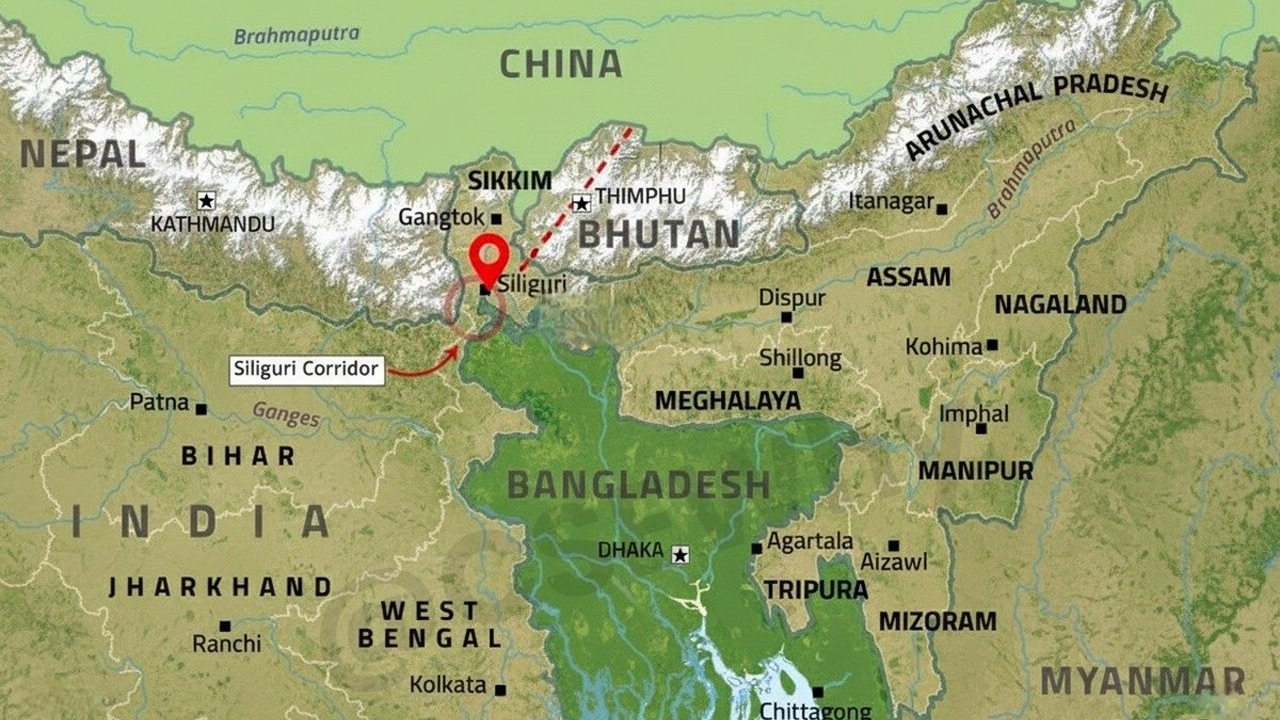
Darwin, September 04 : India’s central government has allocated Rs 2,077 crore for the construction of a new four-lane highway in the strategically important Siliguri…

Darwin, September 04 : After several major artificial intelligence (AI) platforms experienced outages at roughly the same time, US billionaire and technology entrepreneur Elon Musk…
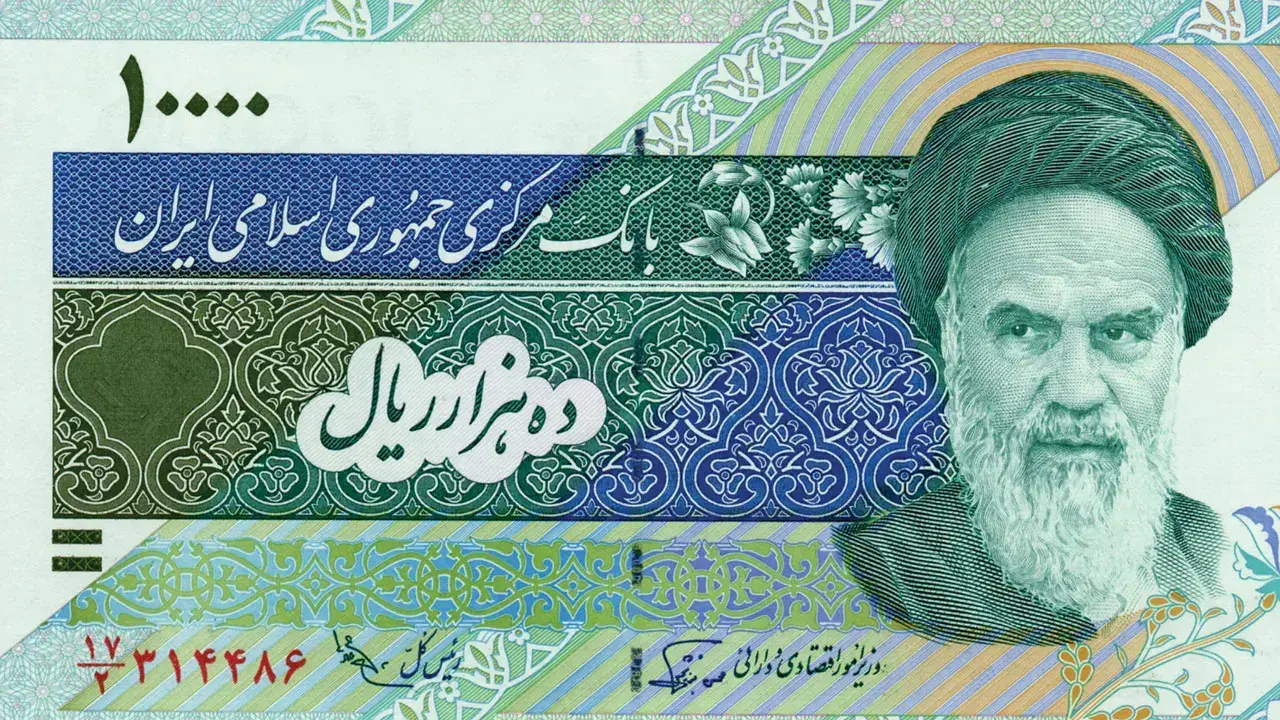
Darwin, September 03 : The Iranian rial has plunged to a record low, with one US dollar now fetching around 2.2 million Iranian rials, Reuters…

Darwin, September 02: Queensland has introduced strict new rules governing the use of e-bikes and e-scooters. From now on, people using these electric vehicles in…
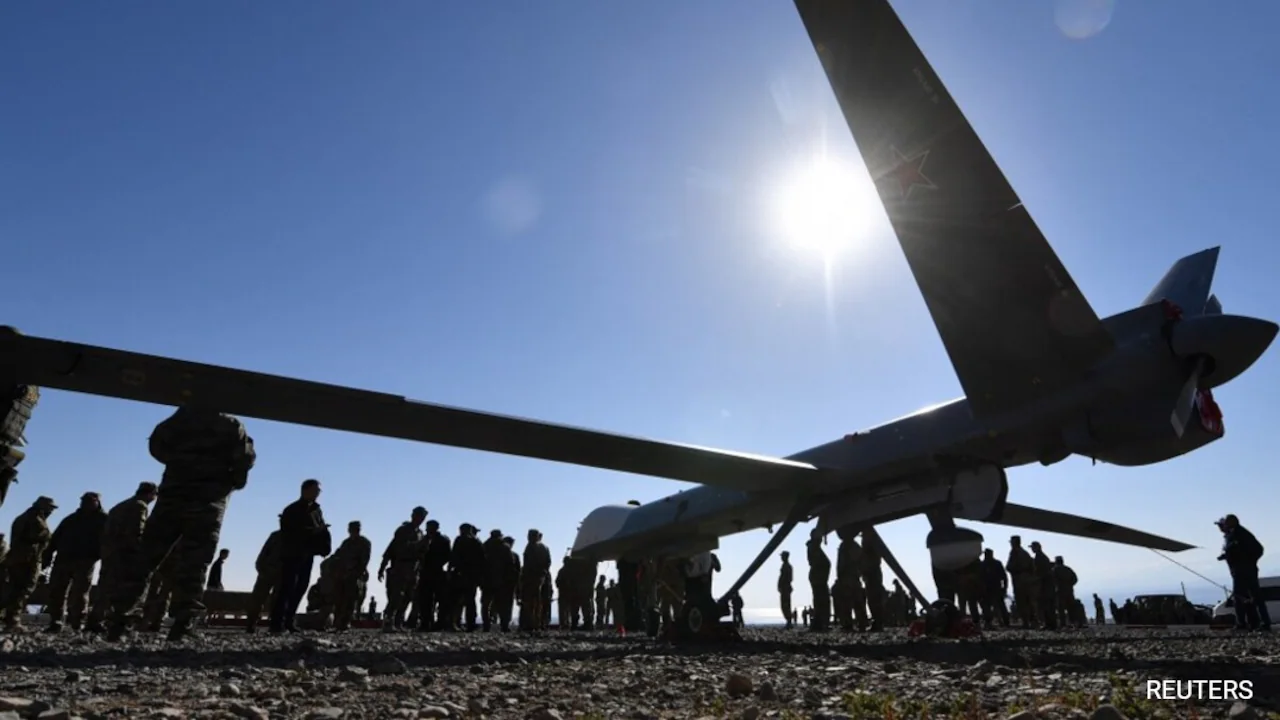
Darwin, September 02 : A total of 227 Indian nationals were recruited into the Russian armed forces, of whom 139 have already been discharged. However,…

Darwin, September 01 : Hours after a US attack, Iran launched missile strikes against American targets at several locations across the Middle East, according to…

Darwin, September 01: Iran’s Armed Forces senior spokesman, Brigadier General Abolfazl Shekarchi, has claimed that more than 1,000 Israeli military personnel were killed and several…
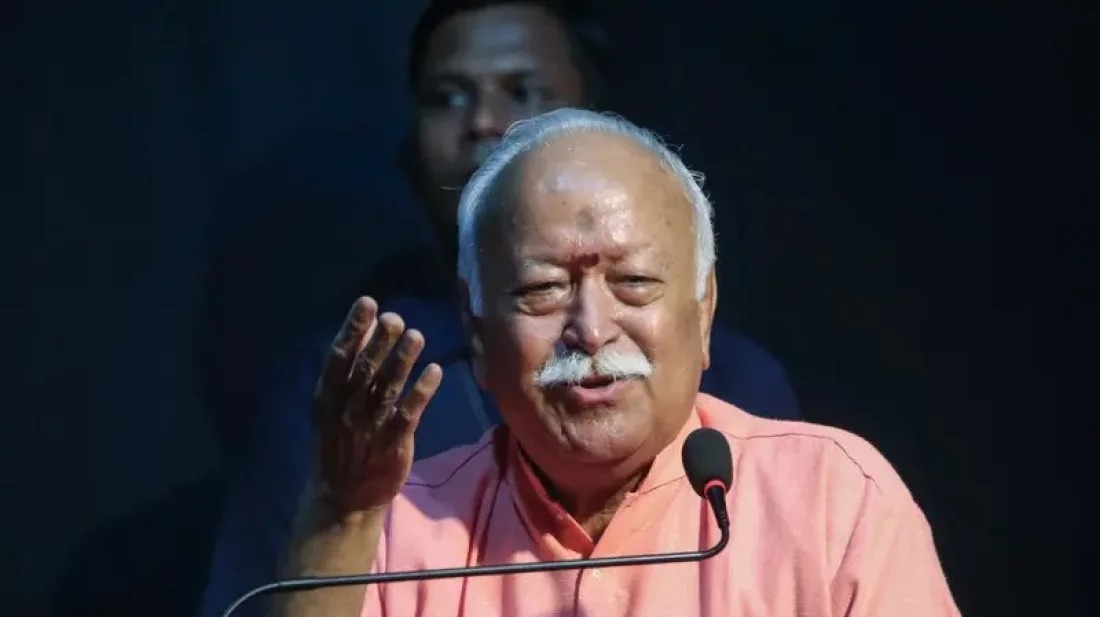
Darwin, August 30: According to a report by Indian news agency ANI, Mohan Bhagwat, chief of the Rashtriya Swayamsevak Sangh (RSS), the ideological parent organisation…