Lionel Messi Ends His Epic International Career with a Goal and Two Assists
Darwin, October 07: Lionel Messi’s final match in international football, if this indeed was his last, was just like the man himself—filled with goals, assists, and…



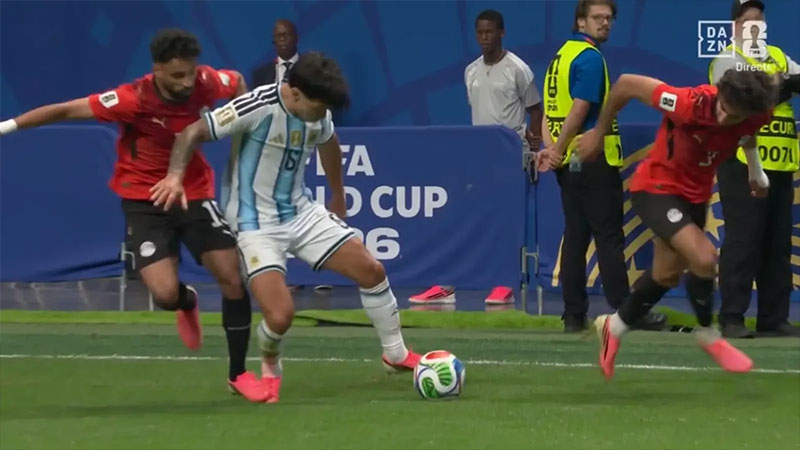
Darwin, 08 July : After Egypt’s 3–2 defeat to Argentina in the FIFA World Cup Round of 16, the Egyptian team strongly criticized two refereeing and VAR decisions.
Head coach Hossam Hassan argued that Mostafa Ziko’s goal in the 62nd minute was unfairly disallowed, while Argentina’s winning goal should also have been ruled out because it was preceded by a foul.
Hassan even suggested that Egypt had been treated unfairly to ensure Argentina and Lionel Messi remained in the tournament. Forward Ziko described the referee as “tyrannical.”
Sports outlet ESPN analyzed the controversial decisions from the Argentina–Egypt match. Former Select Group referee and VAR official Andy Davies explained why Egypt’s goal was disallowed and why Argentina’s goal was allowed to stand, offering his interpretation of the incidents.
Below is a translation of Davies’ analysis.
In the 62nd minute, Egypt forward Mostafa Ziko appeared to score one of the finest goals of the tournament, giving Egypt a 2–0 lead.
However, following a VAR intervention, the goal was disallowed because, during the build-up, Egypt defender Marwan Attia had fouled Argentina’s Lisandro Martínez.
VAR determined that a foul had occurred before the goal and advised the referee to review the incident on the pitch-side monitor.
After reviewing the footage, the referee disallowed the goal.
According to VAR, Attia simultaneously pulled Martínez’s shirt and stepped on his foot. Both actions were considered fouls.
After watching the replay, French referee François Letexier agreed with VAR and ruled the goal out.
The VAR intervention was correct, and the decision to disallow the goal was also correct.
Attia’s clear foul denied Argentina the opportunity to continue their attack, and Egypt scored directly from the resulting sequence of play. Under the Laws of the Game, a goal scored as a direct consequence of such a foul must be disallowed.
Although the foul occurred well outside the penalty area and deep inside Egypt’s own half, that does not matter. If a goal is scored in the same attacking phase that directly follows a foul, the goal must be ruled out.
Once the referee was shown both the shirt pull and the stamp on Martínez’s foot, there was no realistic basis for allowing the goal to stand.
Late in the match, Egypt appealed for fouls in two separate incidents, one of which occurred before Enzo Fernández scored in stoppage time. Both incidents took place inside Argentina’s penalty area.
In the first incident, Argentina’s Alexis Mac Allister was seen pulling the shirt of Egypt’s Hamdi Fathi, who then fell to the ground. The referee allowed play to continue.
In the second incident, shortly before the final whistle, Mohamed Salah claimed that Julián Álvarez had fouled him as he entered Argentina’s penalty area. The referee decided that the contact did not amount to a foul.
VAR reviewed both incidents and upheld the referee’s decisions. No penalty was awarded.
The match presented a particularly difficult challenge for the VAR team, especially regarding the Mac Allister incident.
It created an unusual “double-impact” situation: overturning the referee’s decision could have led not only to Argentina’s goal being disallowed but also to Egypt being awarded a penalty moments earlier, since both incidents occurred within the same attacking phase.
After reviewing the actions of Mac Allister and Álvarez, VAR concluded that neither incident involved a clear and obvious error warranting intervention.
As a result, both on-field decisions were allowed to stand.
The closing stages of the match were difficult for both the referee and VAR, but in my view, they reached the correct decisions in both cases.
Mac Allister took a risk by briefly pulling Fathi’s shirt, but the contact lasted only a moment and did not materially affect Fathi’s ability to play the ball or participate in the attack. Therefore, it did not rise to the level of a penalty.
Likewise, the decision not to award Salah a penalty was correct.
In that incident, Salah appeared to be trying more to win a penalty than reacting to an actual foul. There was no clear foul by Álvarez. The players’ boots made contact naturally as a result of both players’ movement, and Salah went to ground unnecessarily.
Some people may compare the incident involving Salah with the foul committed by Attia before Egypt’s disallowed goal, but there is an important distinction.
In the first incident, a defender clearly stepped on his opponent’s foot, constituting a clear foul.
In Salah’s case, however, the contact between the players’ boots resulted naturally from their movement and was not considered a foul.
For that reason, the two incidents are fundamentally different and warranted different decisions.
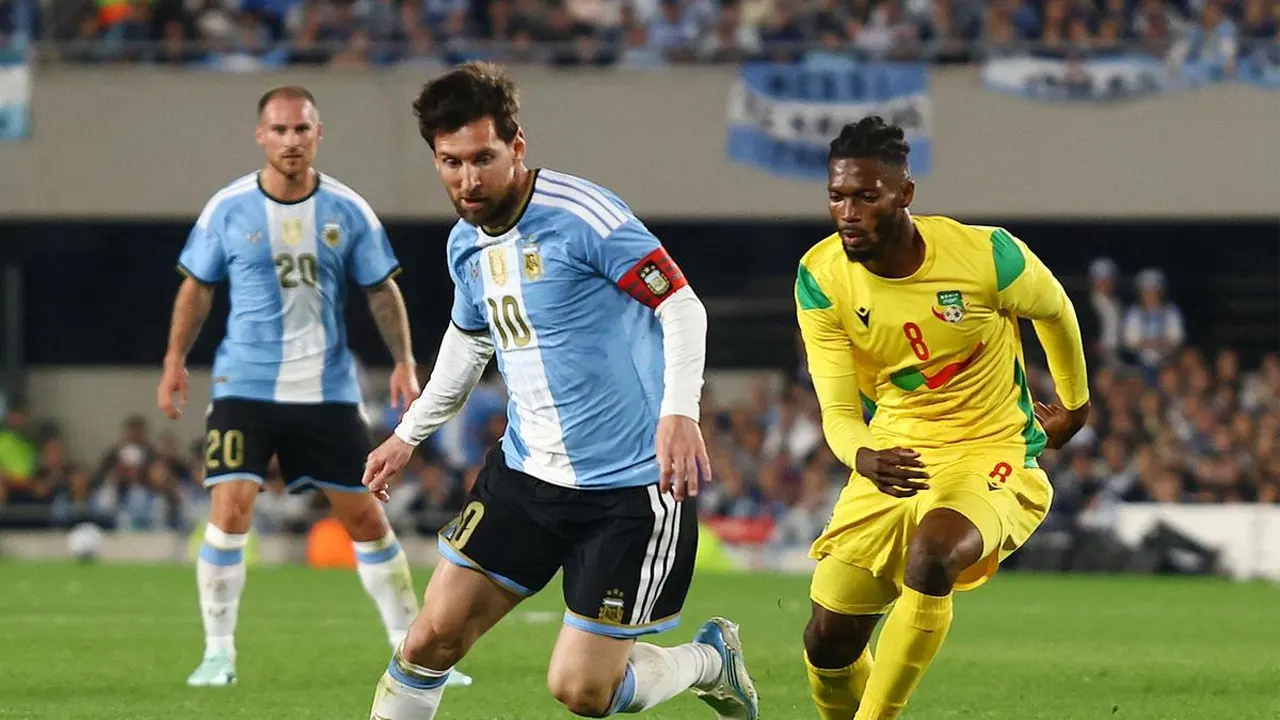
Darwin, October 07: Lionel Messi’s final match in international football, if this indeed was his last, was just like the man himself—filled with goals, assists, and…
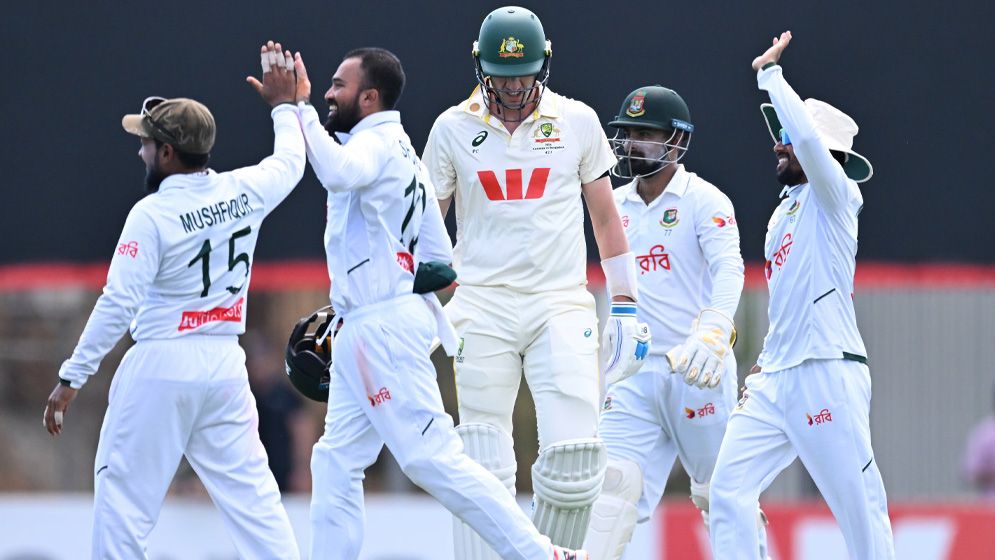
Darwin, August 16 : Darwin witnessed a new dawn for Bangladesh cricket today. In a historic triumph on Australian soil, the Tigers defeated the hosts…

Sports Desk, August 12: The long-awaited wedding has finally taken place. Portuguese football star Cristiano Ronaldo has married his longtime partner, Georgina Rodriguez, after nearly…

Sports Desk: A resignation letter only a few lines long has come to symbolize the growing frustration across the football world. On Friday morning, Carlos…
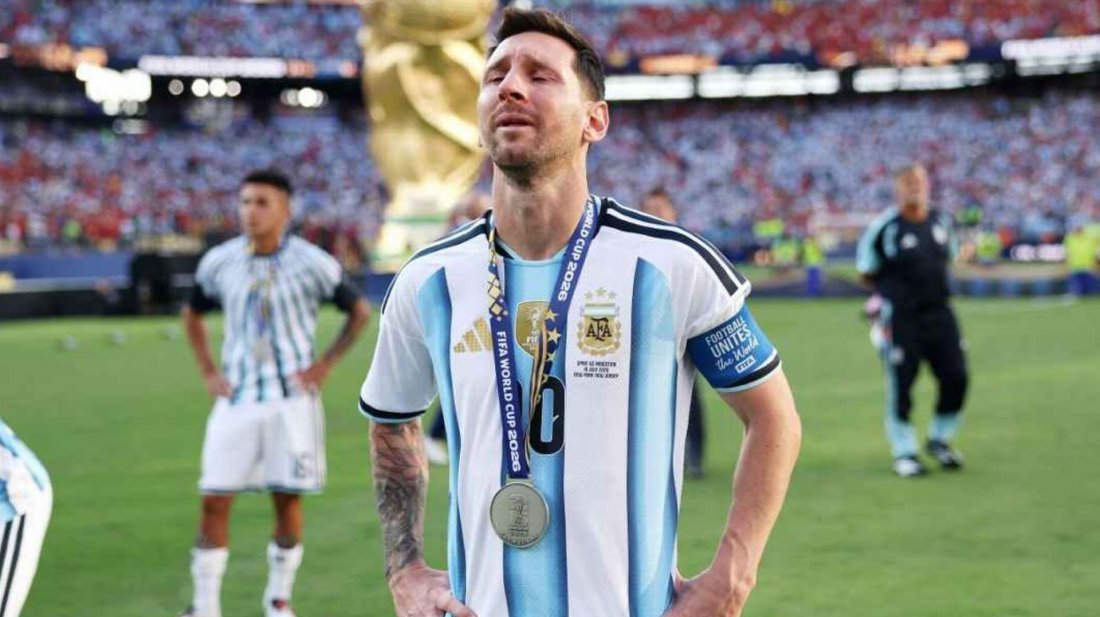
Sports Desk: Argentina’s dream of retaining the World Cup title has been shattered. A day after losing the final to Spain, captain Lionel Messi broke…

Sports Desk: France captain Kylian Mbappé made FIFA World Cup history by becoming the first player ever to win the Golden Boot twice after finishing…
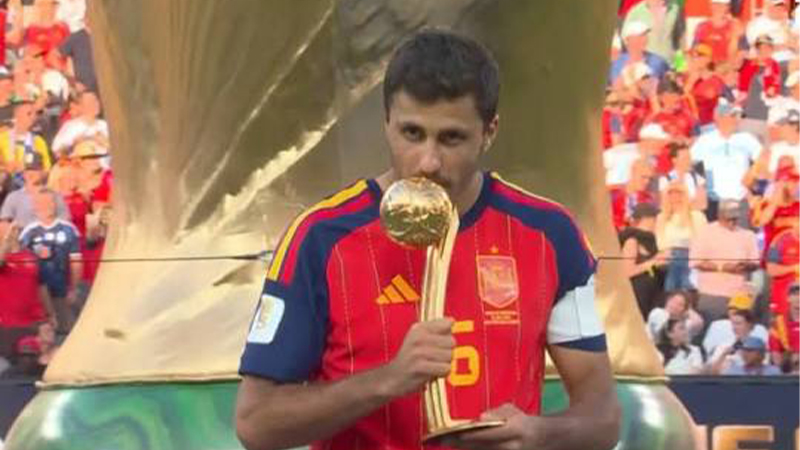
Sports Desk: Spain midfielder Rodri was named the winner of the Golden Ball as the best player of the 2026 FIFA World Cup after inspiring…
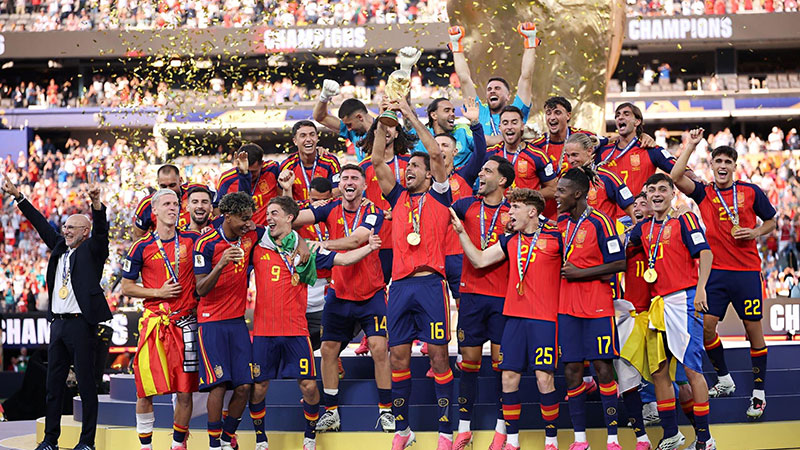
Sports Desk: Spain were crowned FIFA World Cup champions for the second time in their history after defeating Argentina 1-0 in extra time in the…