I Have Two Options Open on Iran: Trump
Darwin, September 21: US President Donald Trump has said that he has two options regarding Iran: allowing the country to be completely destroyed and economically…



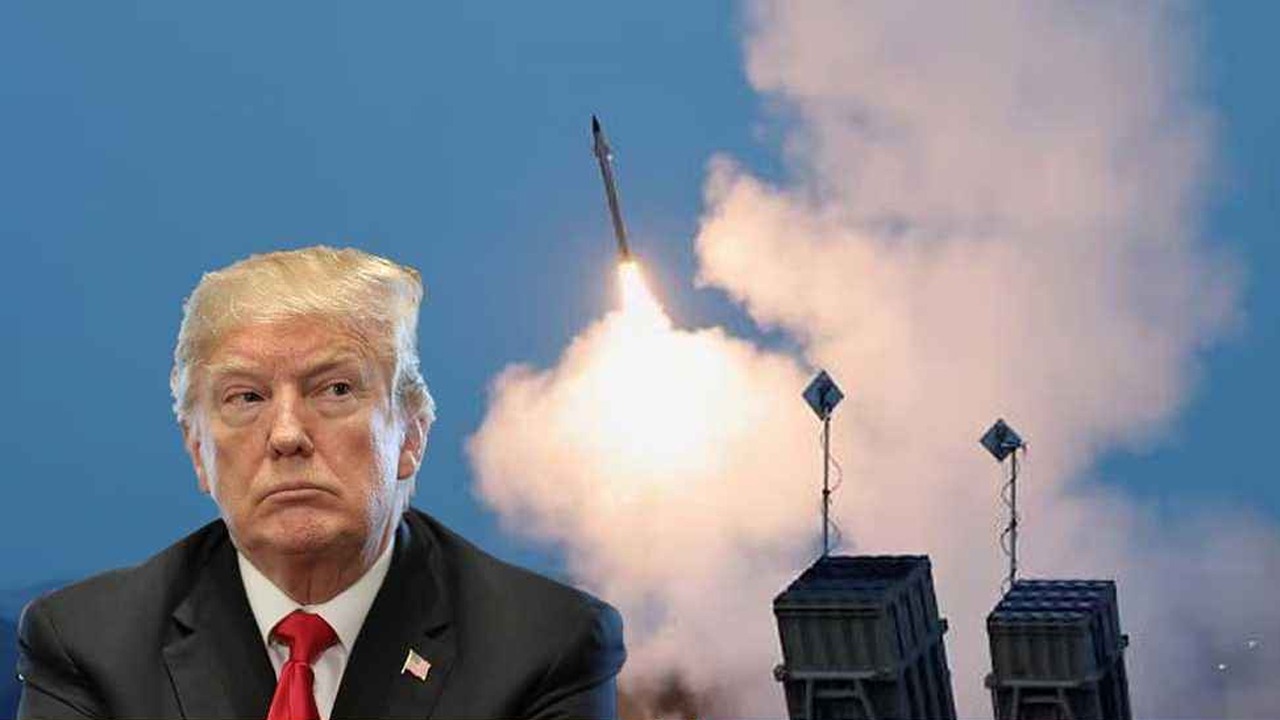
Darwin, 26 July : After carrying out attacks on Iran for nearly two consecutive weeks, the United States has halted new strikes over the past two days. Although the Trump administration had been planning to intensify its military campaign against Iran, the plan was suspended at the last moment.
The primary reason for this decision was concern that the stockpile of interceptor missiles needed to defend against Iranian retaliatory attacks was running dangerously low.
According to a report by The New York Times, this was the key factor behind the decision. The report also stated that there were doubts within the U.S. administration about whether escalating the attacks would actually force Iran back to the negotiating table.
During discussions between President Donald Trump and his top advisers on whether to expand military operations against Iran, the issue of the dwindling interceptor missile inventory became the most significant concern. As a result, the United States decided, for the time being, not to intensify its attacks, The New York Times reported.
The newspaper stated that President Trump had indicated on Friday that he was considering expanding the air campaign against Iran. However, after consultations with his senior advisers, he decided to put those plans on hold. The information was provided by two individuals familiar with the discussions.
The report further said that General Dan Caine, Chairman of the Joint Chiefs of Staff, privately warned that while the U.S. military was capable of conducting a large-scale operation against Iran, the U.S. Central Command (CENTCOM) could quickly deplete its stockpile of interceptor missiles.
Another senior U.S. official told The New York Times that there were also concerns within the administration that intensifying the strikes would not compel Iran to return to negotiations. Instead, the recent attacks had strengthened Iranian unity and encouraged the country to focus more on confronting what it viewed as a foreign threat.
According to the report, Friday marked the first quiet day in nearly two weeks, and the United States also refrained from launching attacks on Saturday. Before that, U.S. forces had conducted nightly airstrikes for almost two weeks, targeting various military and civilian sites across Iran.
In response, Tehran launched extensive attacks on U.S. military installations across the Middle East.
Darwin, September 21: US President Donald Trump has said that he has two options regarding Iran: allowing the country to be completely destroyed and economically…

Darwin, September 21: The Strait of Hormuz will remain closed until the United States fulfills its commitments under the agreement reached in June and accepts…
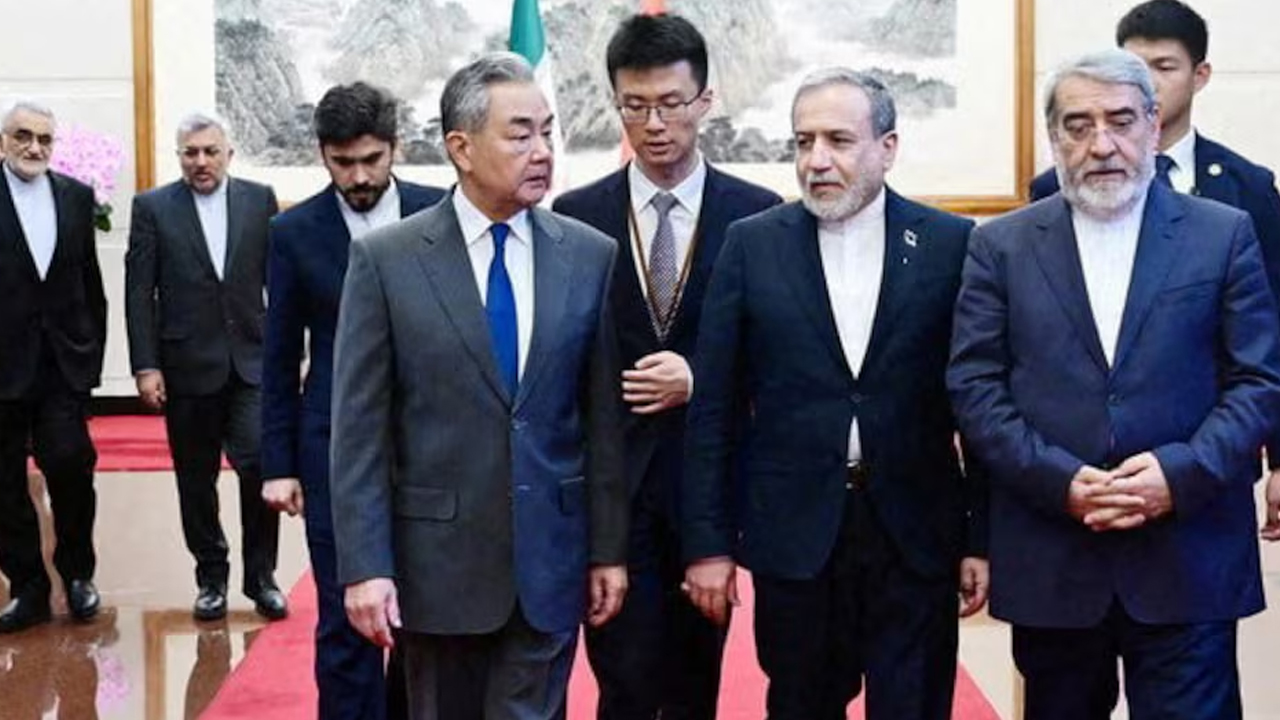
Darwin, September 18 : China has privately urged Iran to rein in Yemen’s Houthis following an appeal from Saudi Arabia, according to three Iranian sources…

Darwin, September 18: The U.S. Federal Reserve has raised its benchmark interest rate in an effort to bring inflation under control. The central bank increased…
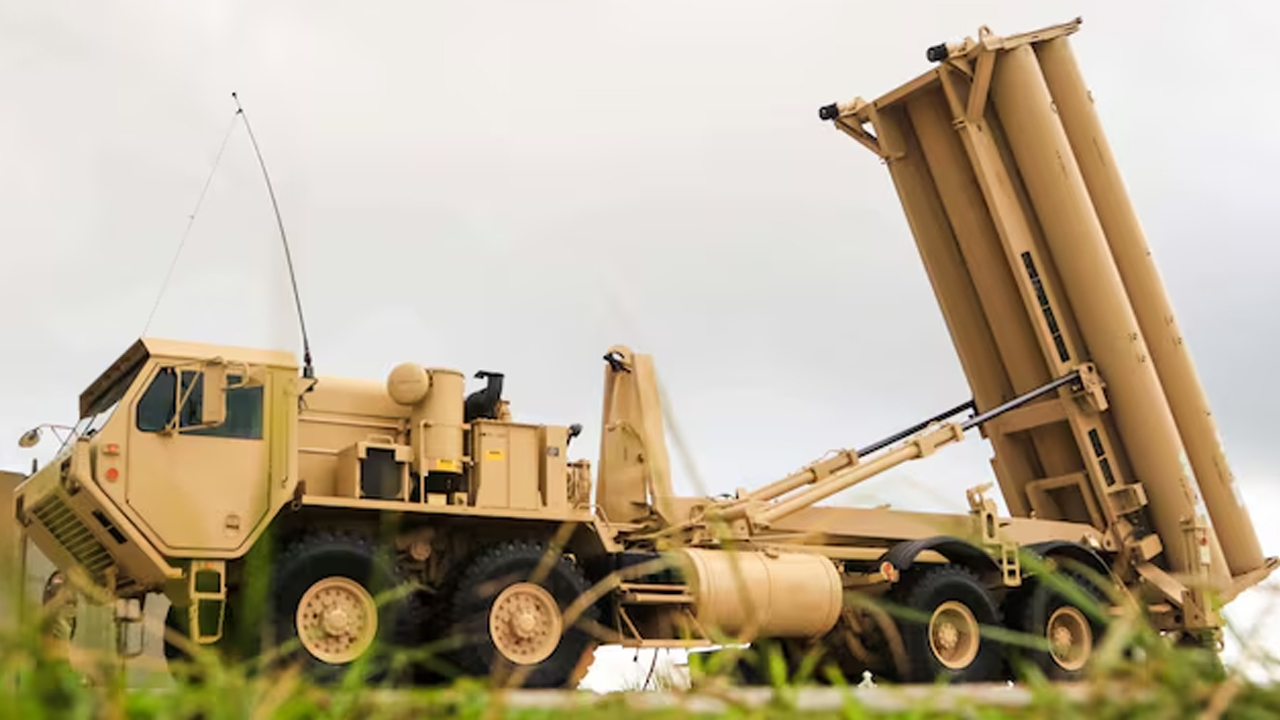
Darwin, September 18: Saudi Arabia is running short of missile interceptors as its conflict with Yemen’s Houthi rebels drags on, prompting Riyadh to seek air…
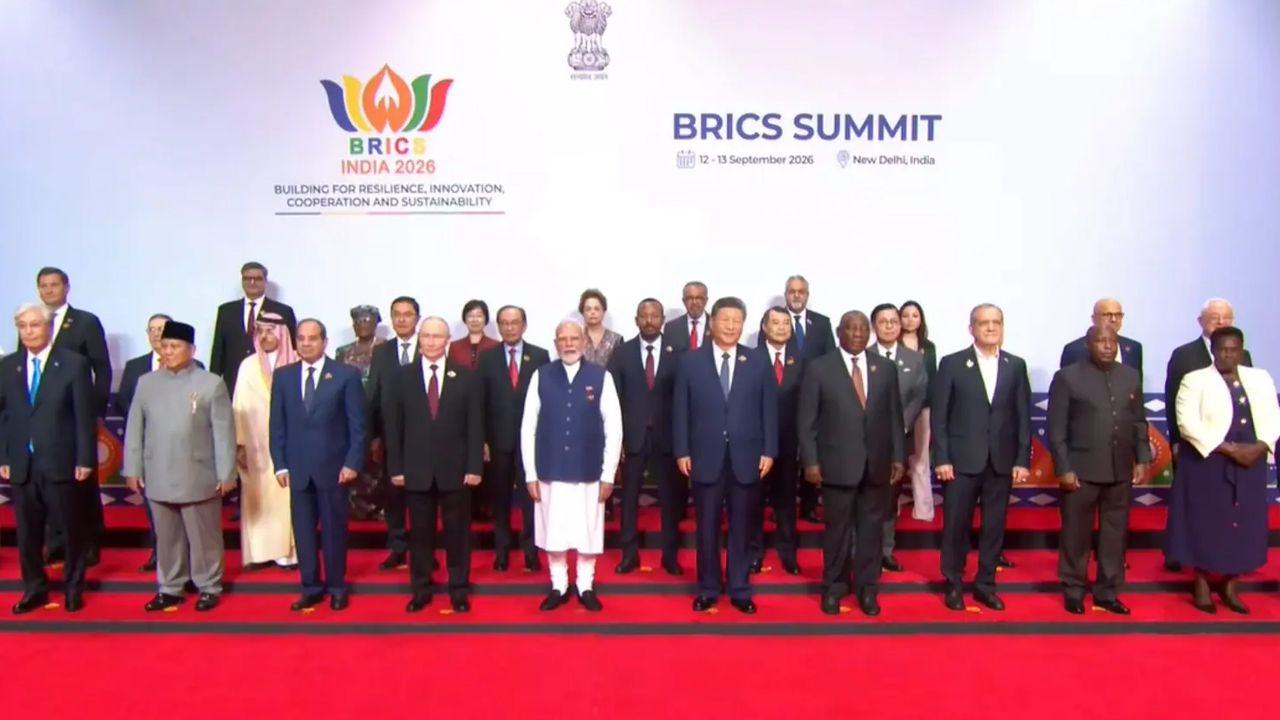
Darwin, September 14: At a time when the global diplomatic landscape is marked by deep instability and mounting tensions—with a raging war in the Middle…
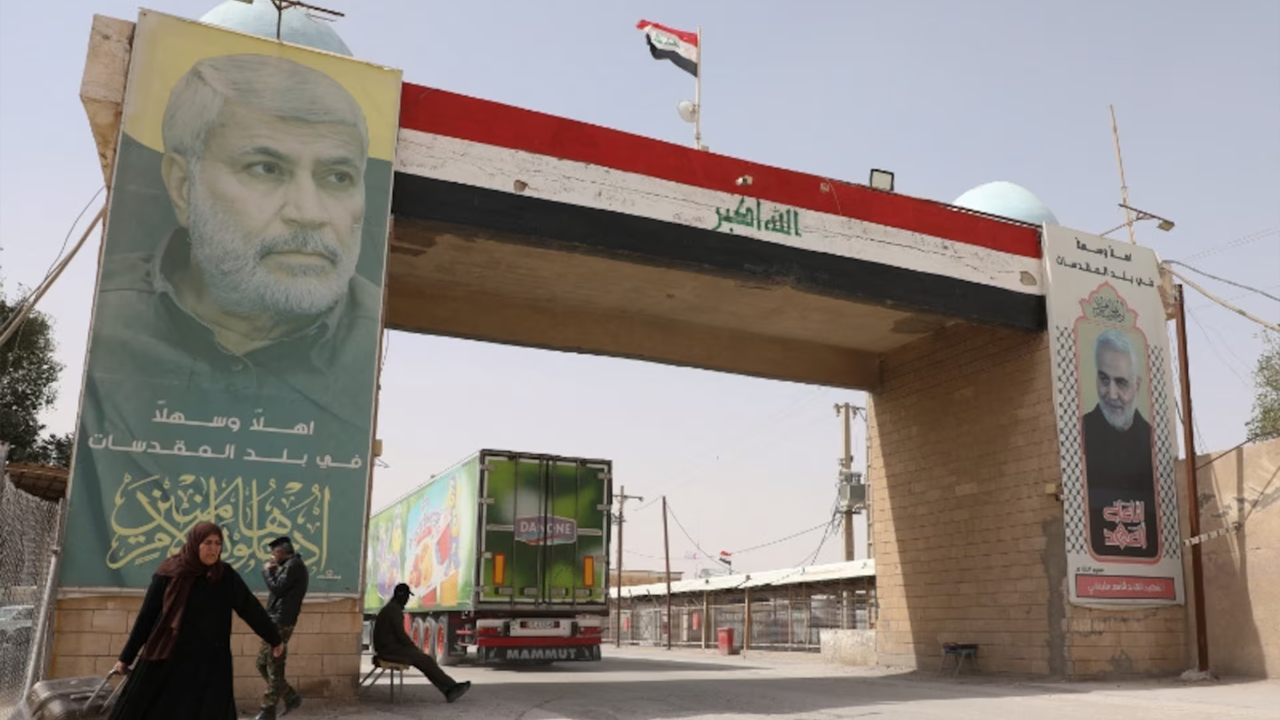
Darwin, September 13 : Iraq has closed a key border crossing with Iran following a drone attack launched from Iraqi territory that targeted Saudi Arabia’s…

Darwin, September 11 : The ongoing conflict in Yemen could escalate into a major new war, as Iran-backed Houthi forces are allegedly advancing to seize…