I Have Two Options Open on Iran: Trump
Darwin, September 21: US President Donald Trump has said that he has two options regarding Iran: allowing the country to be completely destroyed and economically…



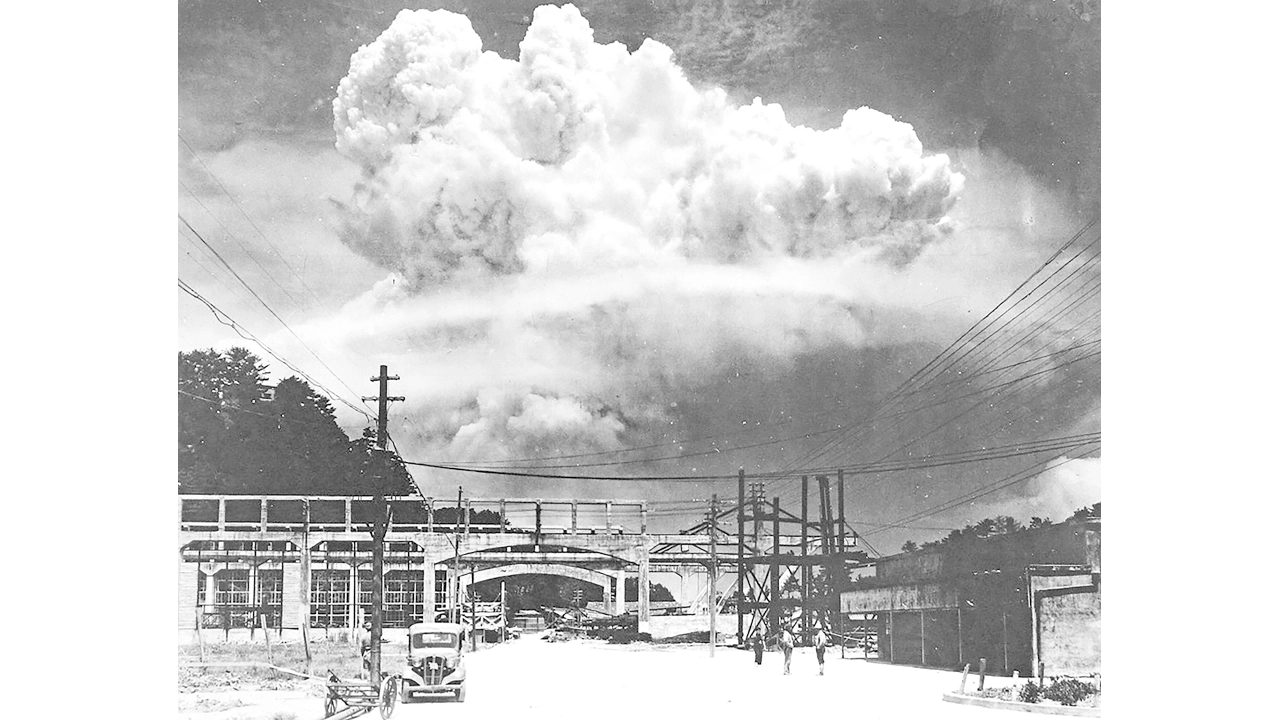
Darwin, August 09: In 1945, NAGASAKI, August 9, One of the most devastating and tragic events in human history took place in the Japanese port city of Nagasaki on August 9, 1945. Just three days after the first atomic bomb, Little Boy, was dropped on Hiroshima, the United States dropped a second atomic bomb, known as Fat Man, on Nagasaki. The bombing marked a decisive moment in the final and bloodiest chapter of World War II.
The bomb, nicknamed Fat Man, was a plutonium-based implosion-type nuclear weapon. It was more powerful than the uranium-based bomb used against Hiroshima. The bomb was approximately 10.7 feet long and weighed about 10,800 pounds. It was carried by a US B-29 bomber named Bockscar.
Nagasaki was not the original target. The US military’s primary target was Kokura. However, on the morning of August 9, thick clouds and smoke obscured the city, making it difficult for the bomber crew to identify the target clearly. Following the alternative plan, the aircraft headed for Nagasaki.
At 11:01 a.m., Fat Man exploded over the Urakami Valley at an altitude of roughly 1,650 feet. The blast released an explosive force equivalent to approximately 21 kilotons of TNT.
The explosion instantly devastated large parts of the city. Extreme heat and a powerful shockwave destroyed buildings, ignited fires and caused widespread death and destruction. An estimated 35,000 to 40,000 people died immediately. In the months that followed, thousands more died from severe burns, injuries and radiation-related illnesses, bringing the estimated death toll to around 70,000 to 80,000.
Nagasaki’s mountainous terrain limited the blast’s destructive reach in some areas, but the humanitarian consequences remained catastrophic. The bombing, together with the Soviet Union’s entry into the war against Japan, placed the Japanese government under immense pressure to surrender.
Six days after the Nagasaki bombing, on August 15, 1945, Emperor Hirohito announced Japan’s surrender to the Allied powers. Japan formally signed the surrender on September 2, bringing World War II to an end.
The bombing of Nagasaki not only helped bring the war to its conclusion but also ushered the world into the nuclear age. The devastation caused by Fat Man became a stark warning about the catastrophic consequences of nuclear weapons. Decades later, Nagasaki remains a powerful symbol of the human cost of nuclear warfare and a lasting call for a world free from nuclear weapons.

Darwin, September 21: US President Donald Trump has said that he has two options regarding Iran: allowing the country to be completely destroyed and economically…
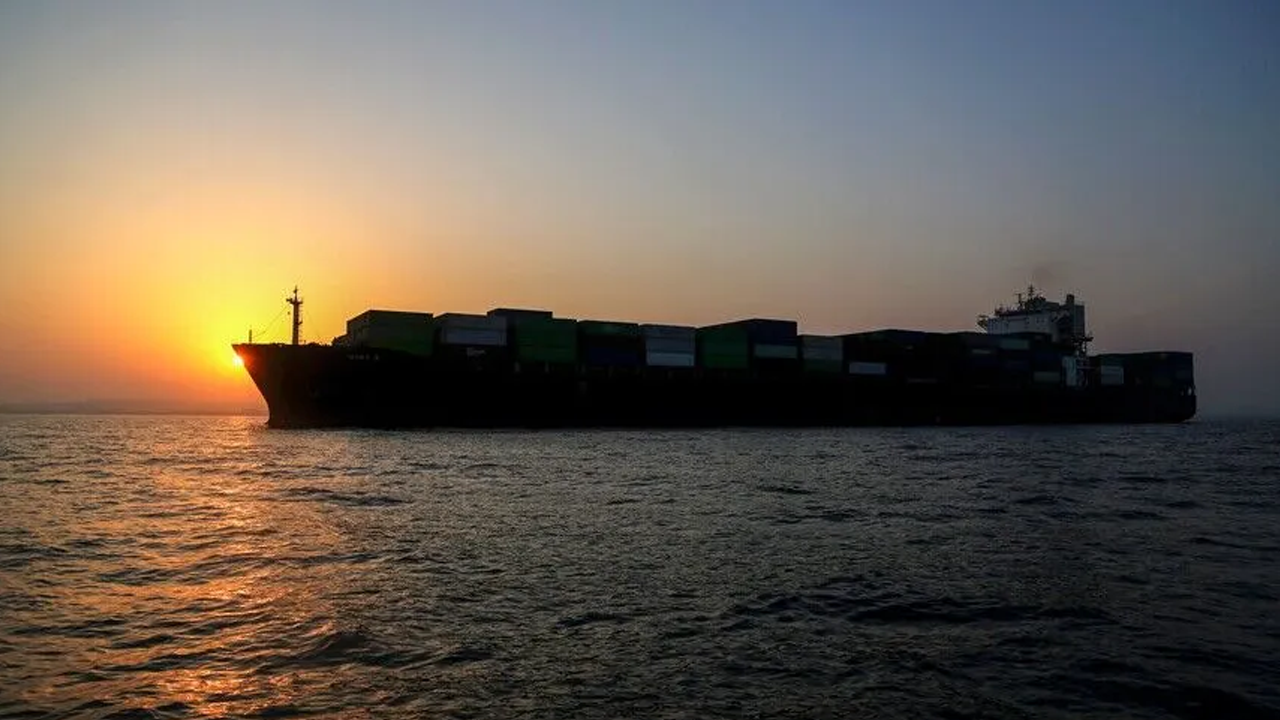
Darwin, September 21: The Strait of Hormuz will remain closed until the United States fulfills its commitments under the agreement reached in June and accepts…
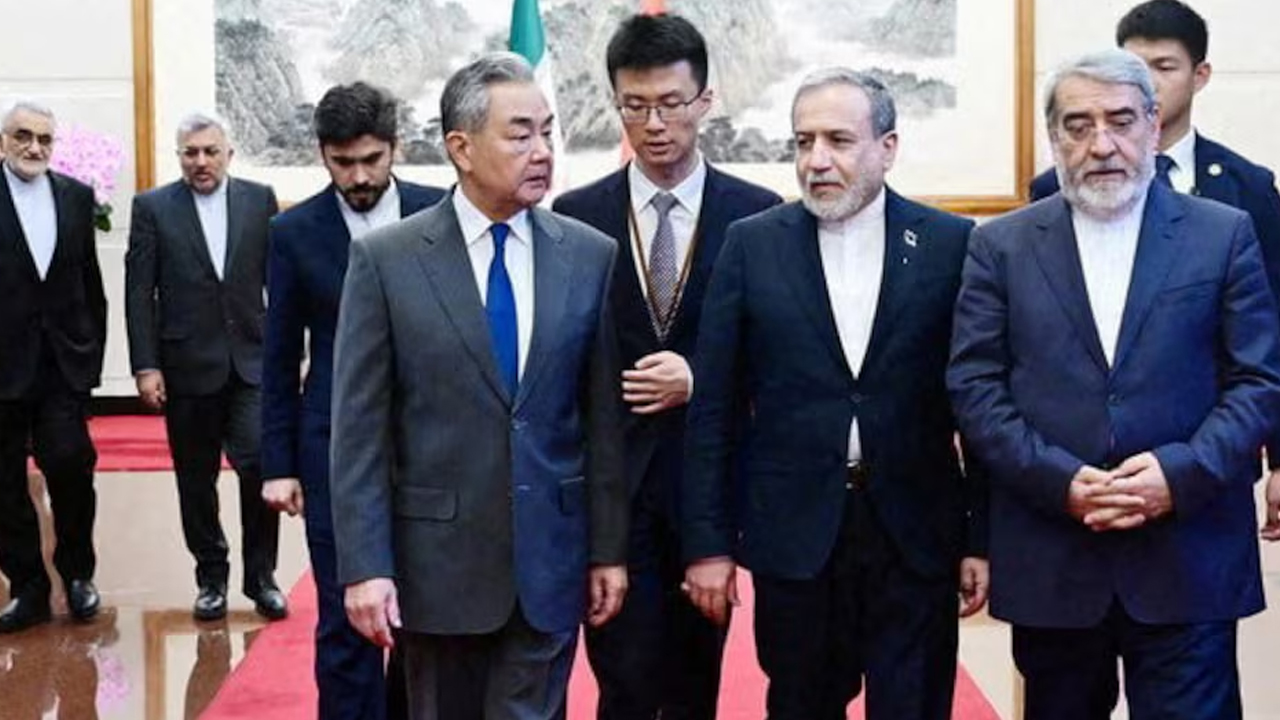
Darwin, September 18 : China has privately urged Iran to rein in Yemen’s Houthis following an appeal from Saudi Arabia, according to three Iranian sources…
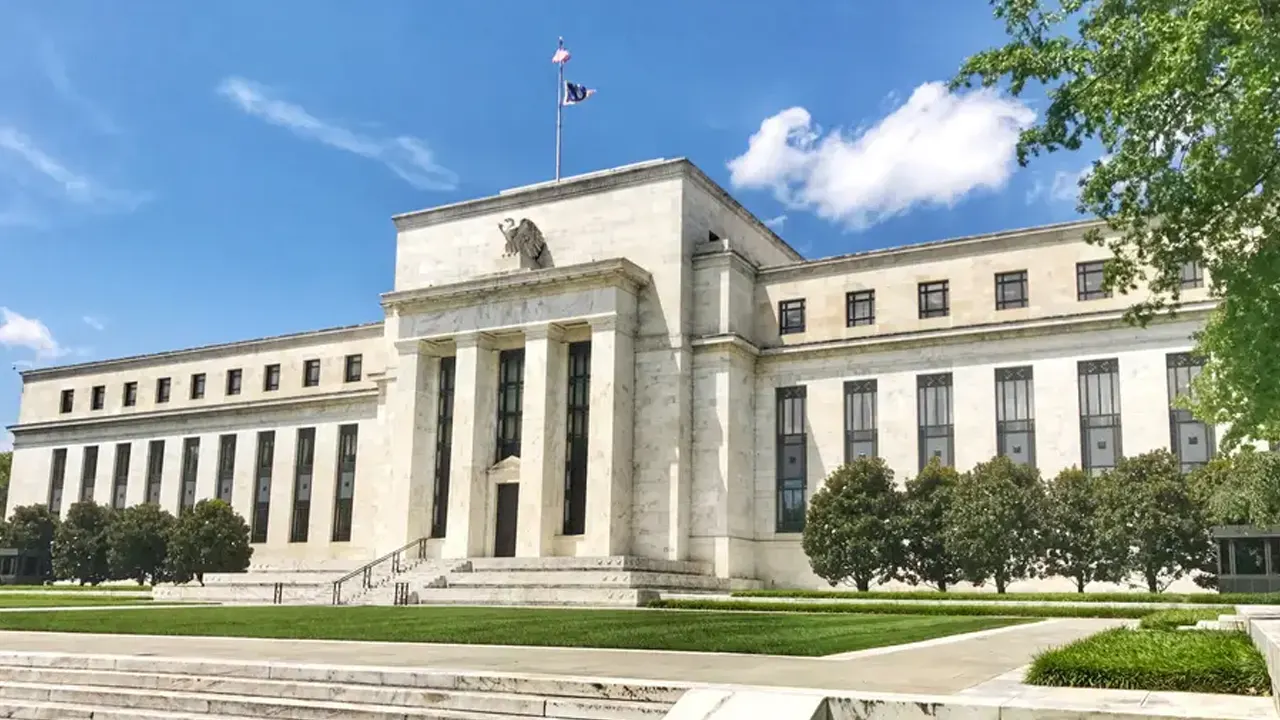
Darwin, September 18: The U.S. Federal Reserve has raised its benchmark interest rate in an effort to bring inflation under control. The central bank increased…
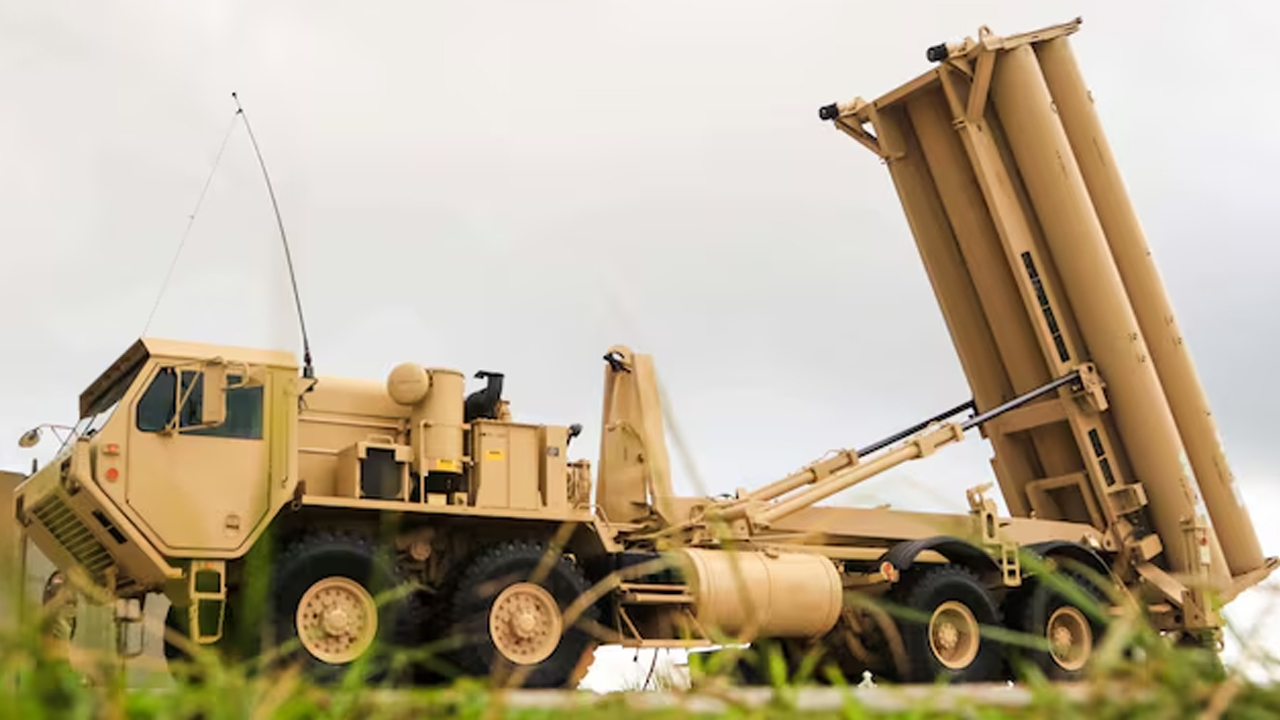
Darwin, September 18: Saudi Arabia is running short of missile interceptors as its conflict with Yemen’s Houthi rebels drags on, prompting Riyadh to seek air…

Darwin, September 14: At a time when the global diplomatic landscape is marked by deep instability and mounting tensions—with a raging war in the Middle…
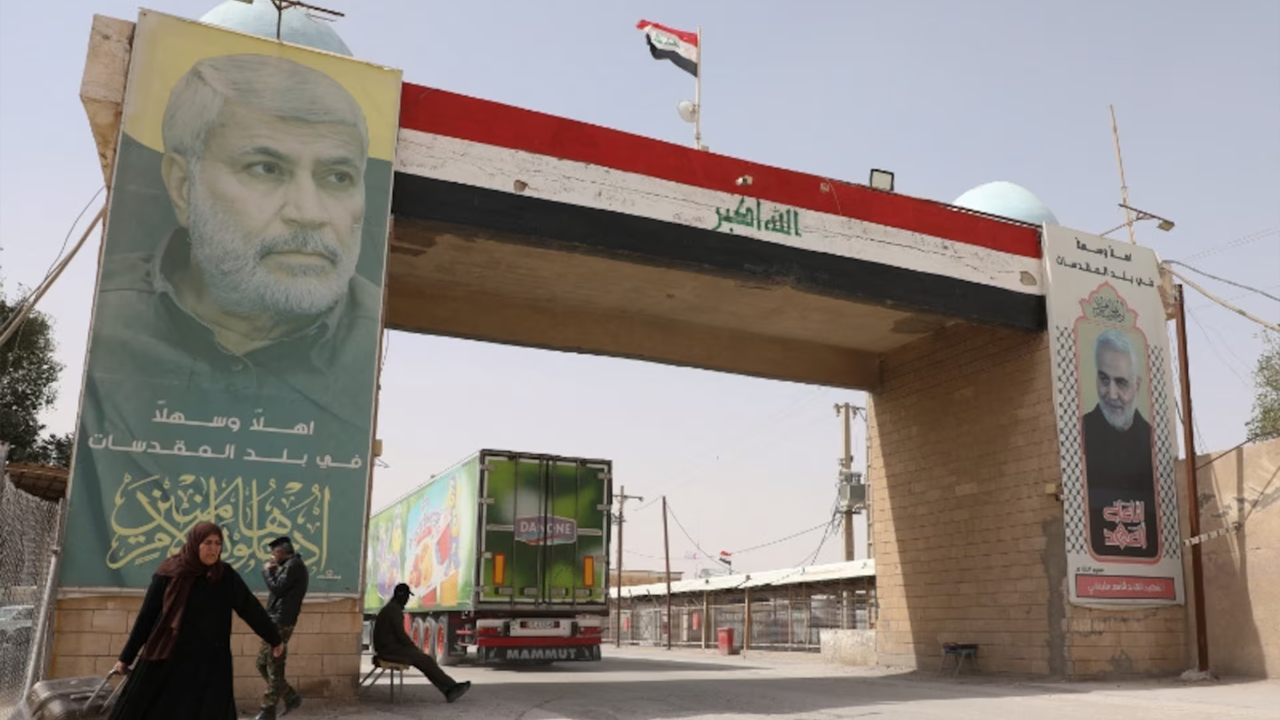
Darwin, September 13 : Iraq has closed a key border crossing with Iran following a drone attack launched from Iraqi territory that targeted Saudi Arabia’s…

Darwin, September 11 : The ongoing conflict in Yemen could escalate into a major new war, as Iran-backed Houthi forces are allegedly advancing to seize…