Iraq closes Iran border crossing, dismisses commander after drone attack on Saudi pipeline
Darwin, September 13 : Iraq has closed a key border crossing with Iran following a drone attack launched from Iraqi territory that targeted Saudi Arabia’s…



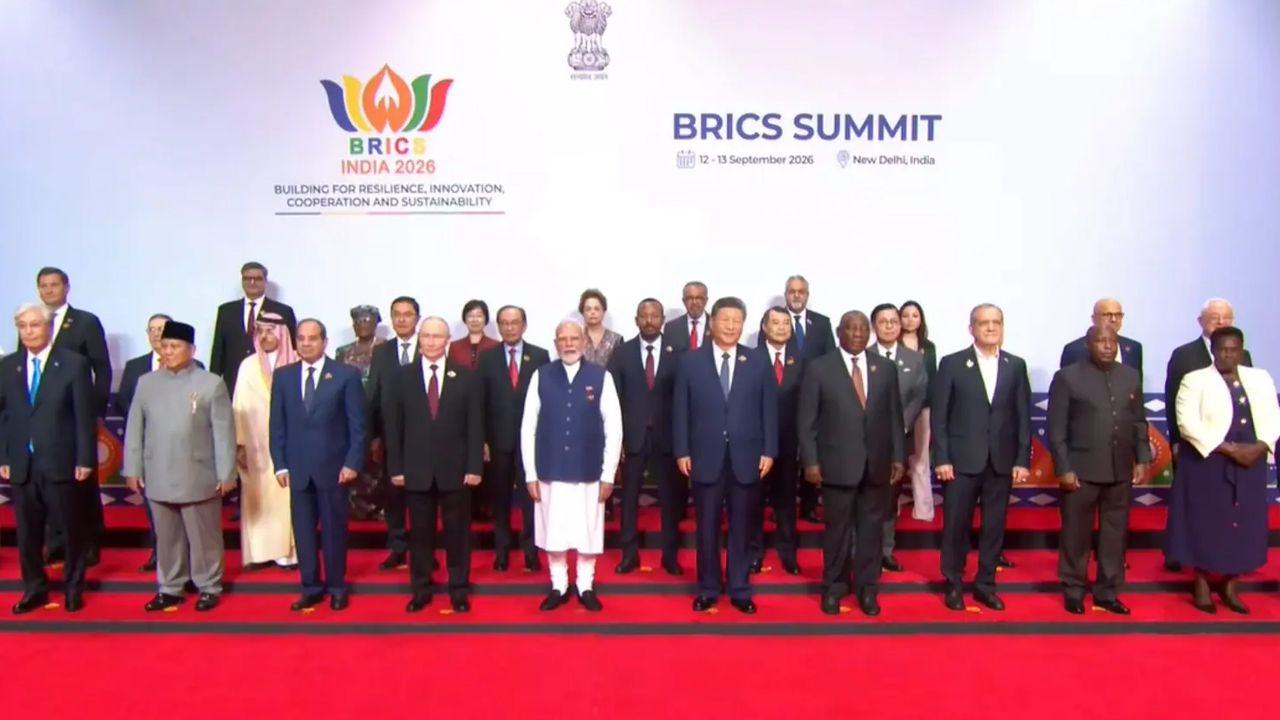
Darwin, September 14: At a time when the global diplomatic landscape is marked by deep instability and mounting tensions—with a raging war in the Middle East on one side and threats of unilateral economic sanctions and tariff wars from Western powers on the other—the 18th BRICS Summit opened in New Delhi against a highly volatile geopolitical backdrop.
After lengthy and difficult negotiations, the grouping unanimously adopted the historic 140-paragraph “New Delhi Declaration,” widely viewed as a major diplomatic achievement for India and a significant development in global politics.
The atmosphere inside the summit hall was particularly solemn. Chinese President Xi Jinping set foot on Indian soil for the first time in seven years. Seated alongside him were Russian President Vladimir Putin, South African President Cyril Ramaphosa and Iranian President Masoud Pezeshkian, representing a region engulfed in intense conflict and geopolitical tensions.
The summit brought together leaders whose geopolitical and national interests often stand sharply opposed. Particularly challenging was the task of securing consensus on a single declaration involving Iran and the United Arab Emirates, which have found themselves on opposing sides of several Middle Eastern geopolitical issues. Yet Indian diplomats succeeded in bridging the differences and bringing the entire grouping together under a common framework.
During the closed-door session, Indian Prime Minister Narendra Modi highlighted what he described as deep inequalities in the existing global order. He stressed that a rapidly changing world could no longer be governed through outdated and ineffective institutions.
Echoing this position, BRICS members called for fundamental reforms to major international institutions established in the aftermath of World War II, including the United Nations, World Bank and International Monetary Fund. The New Delhi Declaration also opposed the concentration of power in the hands of a few countries within the UN system.
At the same time, China and Russia—both permanent members of the UN Security Council—once again reaffirmed their strong support for India and Brazil to obtain permanent membership and play a greater role in the Security Council and other key UN bodies.
The 11-member grouping, representing around half of the world’s population, approximately 40 percent of global GDP and 26 percent of international trade, also adopted a common position on international security.
BRICS declared a zero-tolerance approach toward all forms of cross-border terrorism, terrorist financing and safe havens for terrorist groups. It also sent a strong message against double standards and selective approaches in combating terrorism.
In particular, the grouping strongly condemned the terrorist attack in Pahalgam, Jammu and Kashmir, in which 26 people were killed. The move has been described as a major diplomatic victory for India.
BRICS also adopted a strong stance against economic coercion and unilateral trade restrictions imposed by Western countries. Opposing unilateral sanctions and carbon border taxes, the declaration argued that such measures could threaten the rights and food security of people in developing and poorer countries.
To reduce dependence on the US dollar, member states agreed to promote greater use of local currencies in trade and investment. The declaration also emphasized the importance of strengthening the BRICS Payment Task Force.
At the same time, BRICS called for the rapid restoration of the World Trade Organization’s dispute-settlement system and appellate body, which have remained largely ineffective.
On regional conflicts, BRICS reiterated its commitment to playing a responsible role in promoting peace and stability. The grouping called for an end to the forced displacement of Palestinians from Gaza, the immediate delivery of humanitarian aid and the establishment of an independent Palestinian state based on the 1967 borders, with East Jerusalem as its capital.
Without directly naming the war in Ukraine, the declaration stressed the importance of maintaining the safety and security of nuclear power plants during armed conflicts. It also called for the withdrawal of Israeli forces from Lebanon and urged diplomatic solutions to the crises in Sudan and Syria.
The summit also went beyond politics and economics, outlining a new framework for emerging technologies and global governance. BRICS members pledged to promote the balanced and responsible use of artificial intelligence, combat deepfakes and cybercrime, and establish a coordinated early-warning mechanism to help prevent infectious disease outbreaks.
After more than 400 meetings held across 30 Indian cities during India’s successful BRICS presidency, the responsibility for hosting the 2027 BRICS Summit was formally handed over to Chinese President Xi Jinping.
The transition sent a clear message from the global stage: emerging economies are increasingly unwilling to submit to the dominance of any single power. Instead, they are seeking to play a leading role in shaping a more multipolar world order.
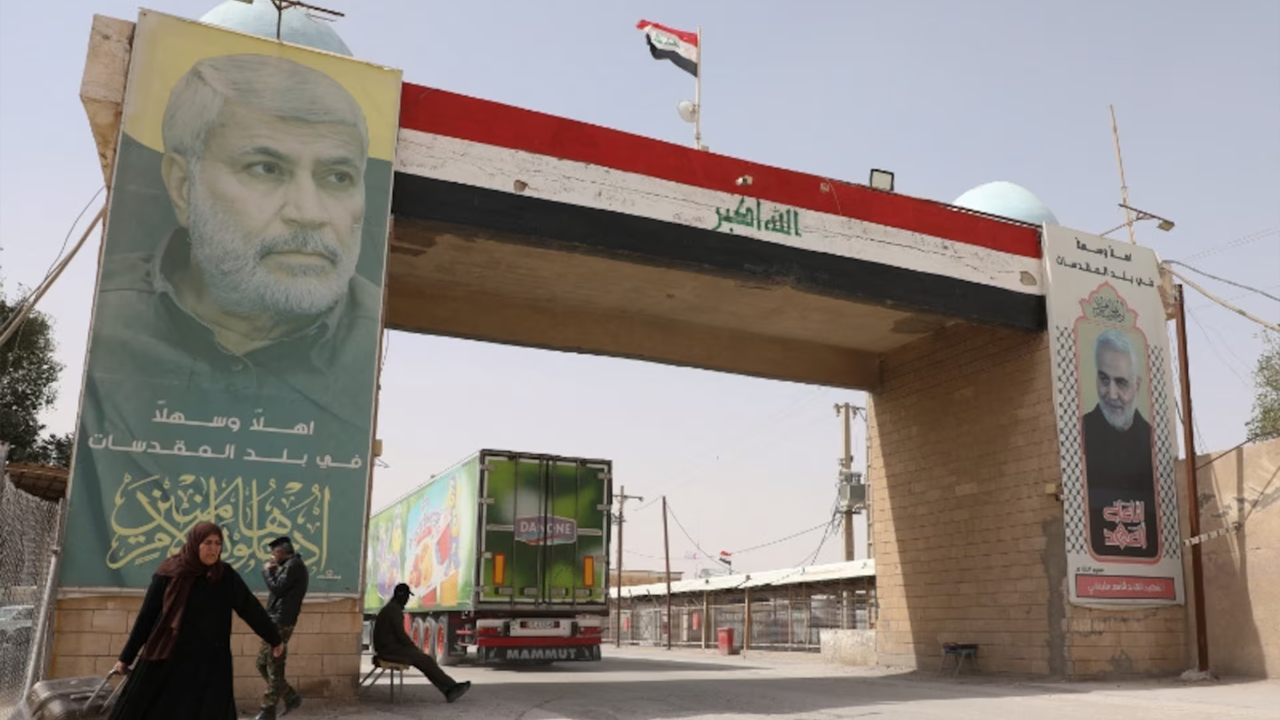
Darwin, September 13 : Iraq has closed a key border crossing with Iran following a drone attack launched from Iraqi territory that targeted Saudi Arabia’s…

Darwin, September 11 : The ongoing conflict in Yemen could escalate into a major new war, as Iran-backed Houthi forces are allegedly advancing to seize…

Darwin, September 11 : Israel’s National Security Council (NSC) has warned of an increased risk of terrorist attacks against Israeli citizens and Jews in various…

Darwin, 11 September : Missiles fired by an “enemy” struck several areas of Sirik in southern Iran, the country’s state media reported. Al Jazeera reported…

Darwin, September 8: Precious metal prices declined in the international market on Tuesday. In the spot market, silver prices fell 0.5% to $65.76 per ounce….
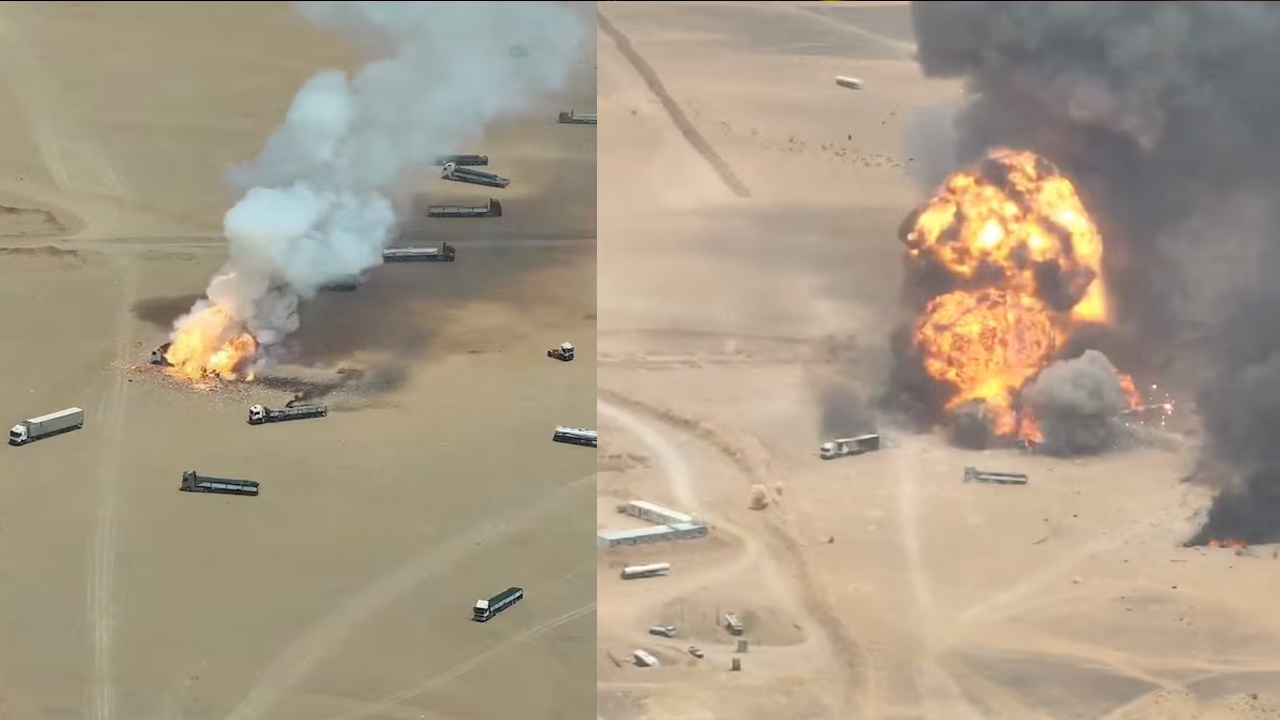
Darwin, Septermber 08 : At least 73 civilians, including women and children, have been injured in attacks by Yemen’s Houthi rebels targeting civilian and economic…

Darwin, 08 September : Ukraine has taken steps toward legalizing pornography as a way to raise funds for its war with Russia. According to The…
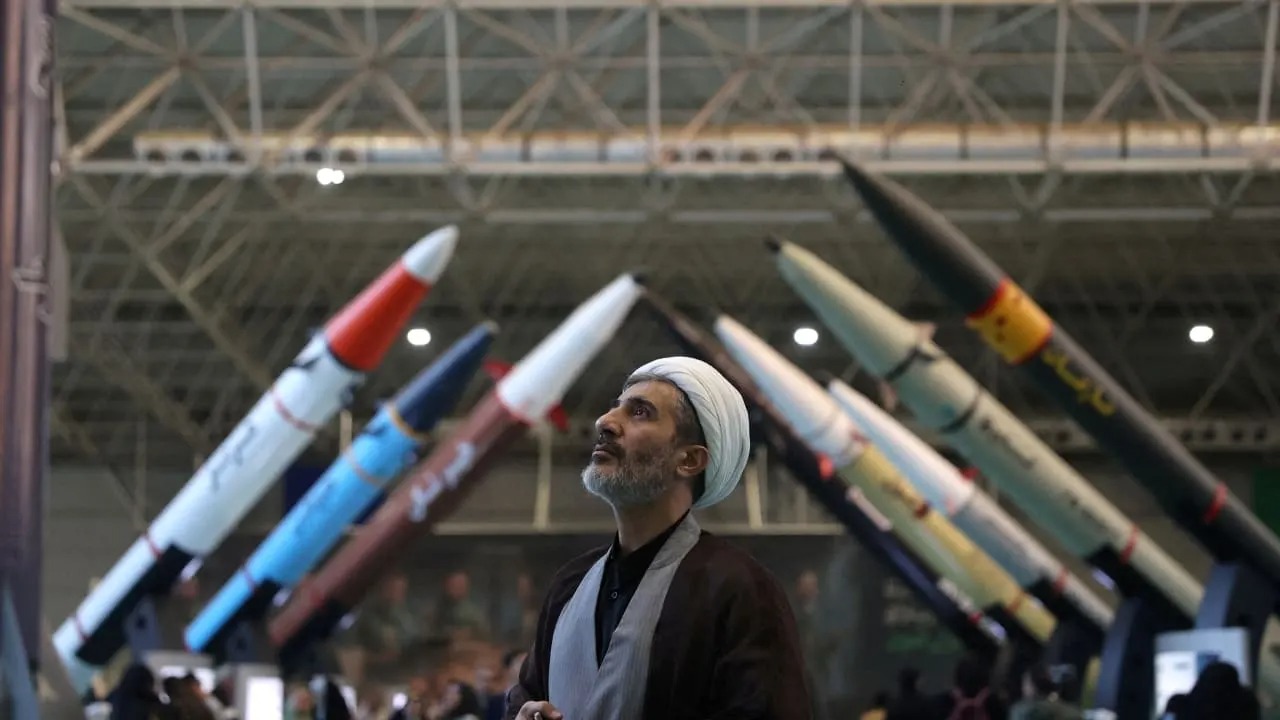
Darwin, September 07: Iran is preparing for a major, multi-front attack against Israel, according to an Israeli intelligence assessment. The report says Iran is seeking…