Russia Urges Iran to Remain in Nuclear Non-Proliferation Treaty
Darwin, September 30: Russia has urged Iran not to withdraw from the Treaty on the Non-Proliferation of Nuclear Weapons (NPT), calling on Tehran to remain…



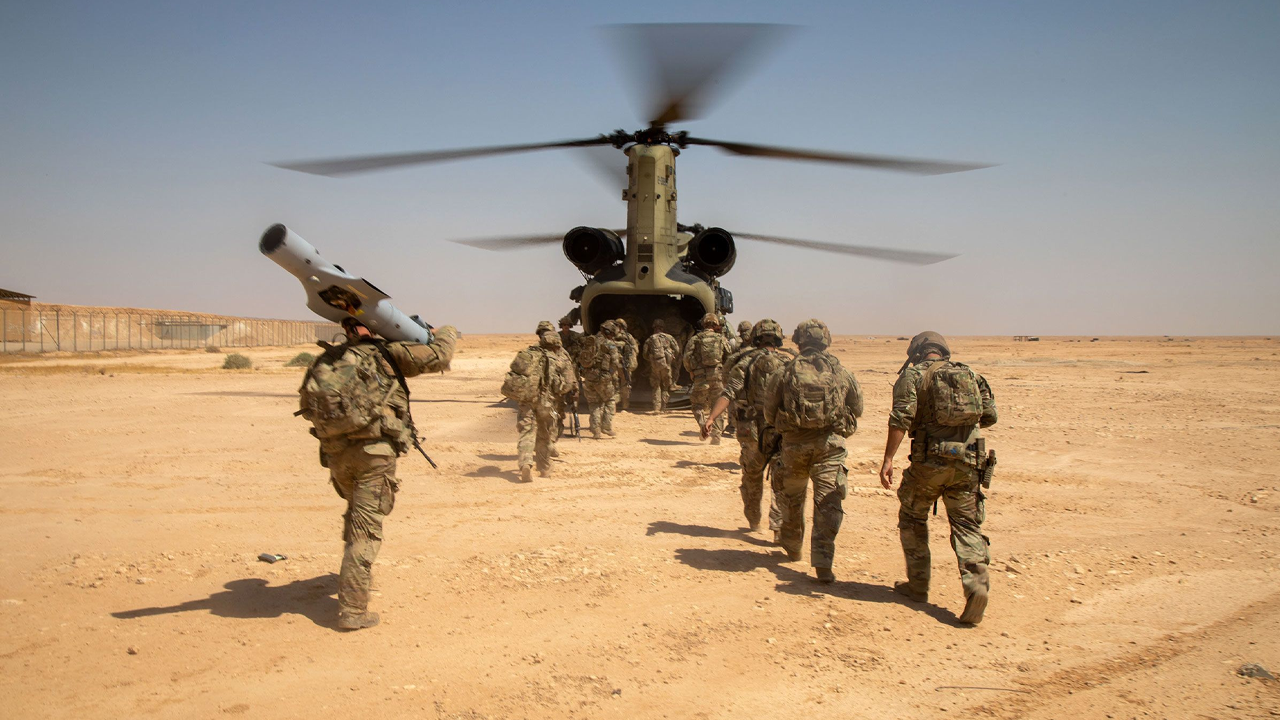
Darwin, September 30 : The United States is preparing to withdraw its military forces from Iraq after more than two decades of war and the deaths of nearly 4,500 American service members. The final US bases in Iraq are expected to be vacated by Wednesday. Iran and its allied armed groups are portraying the American departure as a victory, having already established deep influence across the country.
Iraqi security analysts told Reuters that the withdrawal decision, made in 2024 under then-US President Joe Biden, is now being implemented by the administration of Donald Trump. The move comes as the United States is simultaneously waging a war against Iran.
Analysts fear that the departure of American forces could allow Iran and its powerful allies to expand their influence in Iraq with fewer constraints. At the same time, Islamic State (IS) and other adversaries of the United States could find opportunities to regroup.
Jasim al-Bahadli, an Iraqi security analyst who studies Shia armed groups aligned with Iran, said Tehran would benefit strategically from the departure of the US-led coalition. For years, the American military presence had served as a counterbalance to Iran’s influence over Iraqi politics and security.
According to al-Bahadli, pro-Iranian militias will present the withdrawal as a victory and seek to increase their influence over security and political decision-making.
Abu Mujtaba al-Yasiri, a commander of the Iran-aligned armed coalition known as the Islamic Resistance in Iraq, described the American withdrawal as a “historic victory for the Iraqi Islamic resistance groups and honourable Iraqis” and a “complete defeat of the American project.”
“We will celebrate on September 30 the end of a dark chapter in Iraq’s history and the failure of the occupation to impose its will on our country,” he told Reuters.
Although the final withdrawal of American forces enjoys broad support among Iraqis, some who are concerned about the strength of Iran-backed armed groups believe the timing may be premature.
Abdul Rahman al-Jubouri, a Sunni tribal leader from Fallujah, once known as a stronghold of anti-American resistance, said Iraq was not yet ready to assume full responsibility for its security.
“We believe Iraq is not yet prepared to take full responsibility for security at this moment,” he told Reuters.
He said there was no disagreement among Iraqis over the desire for full sovereignty. However, the security vacuum that could emerge from the departure of the US-led coalition remained a major concern.
The United States invaded Iraq in 2003 to overthrow Saddam Hussein, the country’s Sunni Muslim authoritarian ruler. Washington subsequently occupied the country, helped establish a Shia-led government and spent years fighting insurgencies.
US forces withdrew from Iraq at the end of 2011. However, less than three years later, American troops returned to assist Iraqi forces in fighting Islamic State.
During a major military campaign between 2014 and 2017, US forces played a significant role in defeating the militant group and dismantling its territorial control.
The number of American fatalities in Operation Iraqi Freedom was nearly twice the number of US deaths in the war in Afghanistan during the same period. American forces were abruptly withdrawn from Afghanistan in 2021.
In recent years, Iraq has remained one of the few countries maintaining close political and military relations with both the United States and Iran. At times, Iraqi territory has become an arena for indirect confrontation between the two powers.
In 2020, a US drone strike near Baghdad airport killed Qassem Soleimani, one of Iran’s most senior military commanders. In the aftermath, Iran-backed armed groups repeatedly attacked American bases in Iraq, prompting retaliatory US strikes.
Of the 18 American service members killed in the war against Iran this year, seven were stationed in Iraq. Most recently, a US service member was killed in July while a drone was being deliberately destroyed at a base near Erbil.
Iran has repeatedly declared that its ultimate goal is to remove American troops from the entire Middle East. Tehran views the withdrawal from Iraq as a victory for its so-called “Axis of Resistance,” a network of allied armed groups operating across the region.
On Monday, Amir Hayat-Moghaddam, deputy head of the Iranian parliament’s National Security Commission, said lasting security would be established in Iraq and the wider region once American troops left.
“Iran welcomes the withdrawal of American troops from Iraq and will undoubtedly support it. Resistance groups are currently taking various measures, which sometimes include attacks on and clashes with American troops,” he said.
Washington has accused Iran-aligned Iraqi militias of acting under Tehran’s direction in conflicts across the wider Middle East and carrying out attacks in neighbouring countries. These activities include an attack this month on a major oil pipeline in Saudi Arabia.
The Iraqi government, however, says it is working to contain the influence of these armed groups.
Security officials from Iraq’s federal government and the semi-autonomous Kurdish region warn that the departure of American forces could also create opportunities for Islamic State to become active again.
Although the group’s self-proclaimed caliphate was defeated nearly a decade ago, Islamic State still maintains sleeper cells and clandestine networks. At its peak, the group controlled nearly one-third of Iraqi territory and killed thousands of people, including several hundred victims whose executions it recorded and released on video.
Kurdish commander Sirwan Barzani said Islamic State could find opportunities to reorganise without American intelligence, logistical support and drone assistance.
He said Kurdish forces had observed increased activity among Islamic State sleeper cells over the past two weeks, following reports that the international coalition would formally withdraw from Iraq by September. According to Barzani, the developments had boosted the morale of the militants.
Iraqi security forces have also reported that a suspected Islamic State cell was preparing suicide attacks in connection with the withdrawal of the US-led coalition.
Four Iraqi security and military officials said the alleged plot demonstrated that, despite years of military defeats, the group retained the ability to exploit security vulnerabilities.
Colonel Khalid al-Bayati, a senior security official in the strategic oil city of Kirkuk, said Islamic State was attempting to demonstrate that it remained capable of carrying out deadly attacks.
“Islamic State wants to show that it is still strong and capable of carrying out bloody attacks,” he said.
Source: Reuters
Darwin, September 30: Russia has urged Iran not to withdraw from the Treaty on the Non-Proliferation of Nuclear Weapons (NPT), calling on Tehran to remain…
Darwin, September 30: Russia currently lacks sufficient military capability to launch a major attack against NATO because its forces are engaged in the war in…
Four personnel of India’s Central Industrial Security Force (CISF), including an officer, were killed after a colleague allegedly opened fire on them at a hydropower…

Darwin, September 25: The Netherlands is seeking to build an international coalition to evacuate at least 1,000 sick and injured children from Gaza for medical treatment,…

Darwin, September 25: Police arrested at least 100 people, including Oscar-winning actress Susan Sarandon, during a protest against Israeli Prime Minister Benjamin Netanyahu outside the…
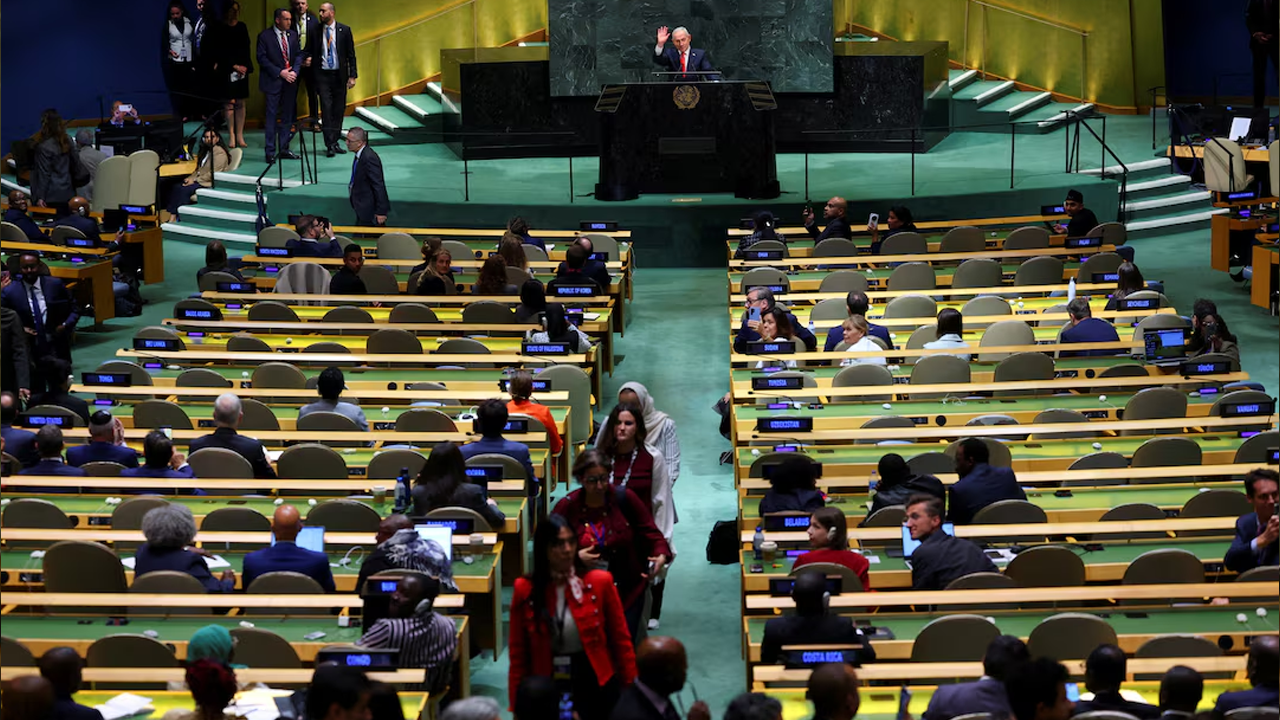
Darwin, September 25: Representatives from Bangladesh and 76 other countries walked out of the United Nations General Assembly hall as Israeli Prime Minister Benjamin Netanyahu…
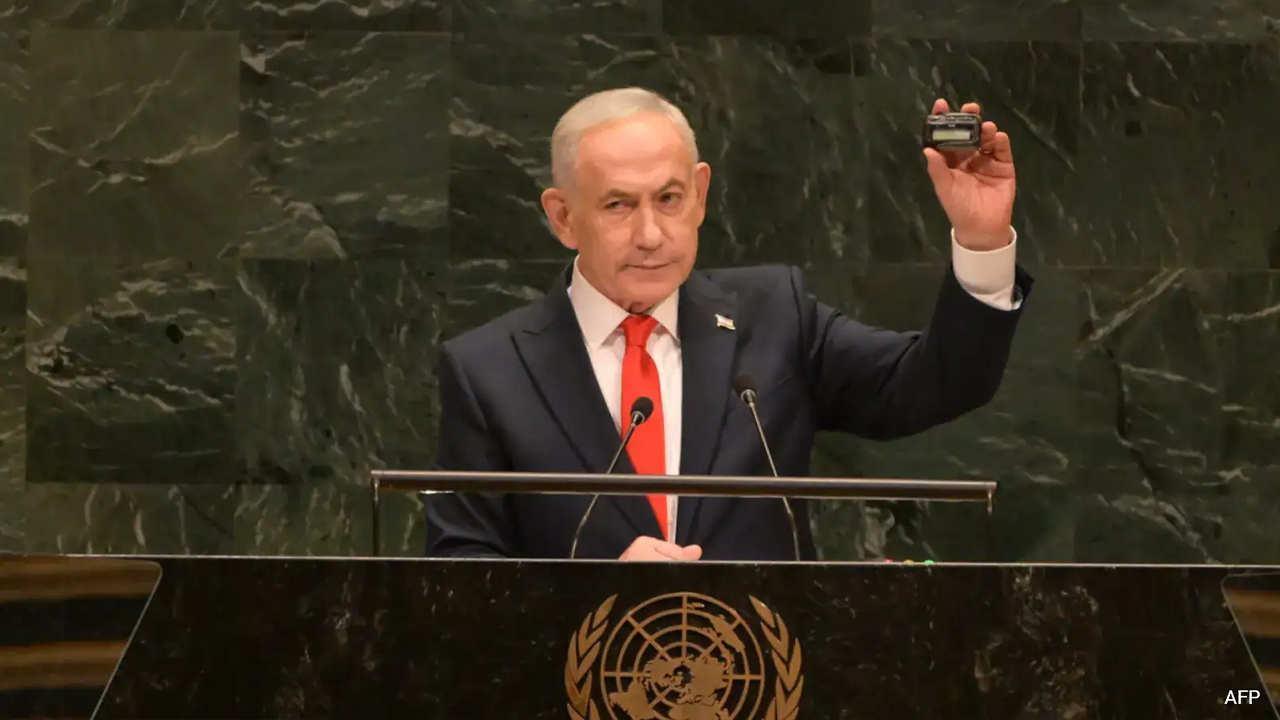
Darwin, September 25 : Israeli Prime Minister Benjamin Netanyahu brought a pager to the United Nations General Assembly while delivering a speech, using it to highlight…
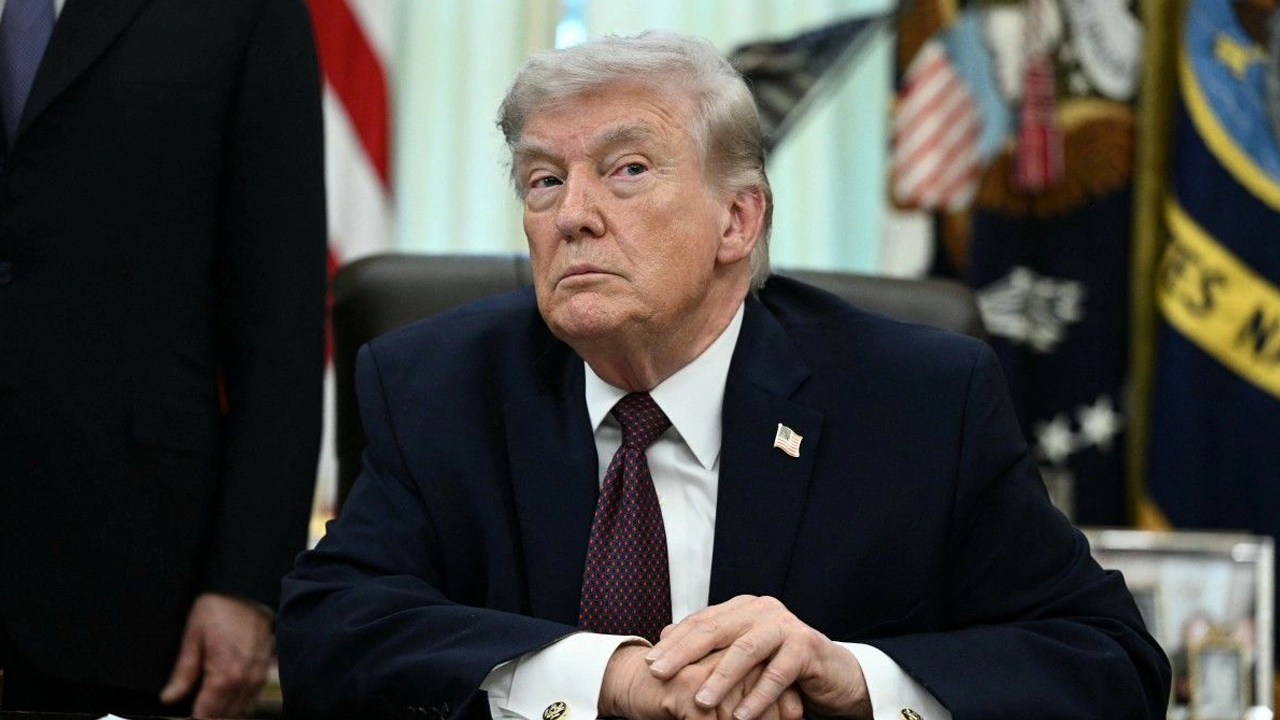
Darwin, September 21: US President Donald Trump has said that he has two options regarding Iran: allowing the country to be completely destroyed and economically…