Six Killed, at Least 15 Injured in Shooting in Poland
Darwin, November 8: Six people were killed and at least 15 others injured in a shooting by a gunman at the main square of Kraków,…



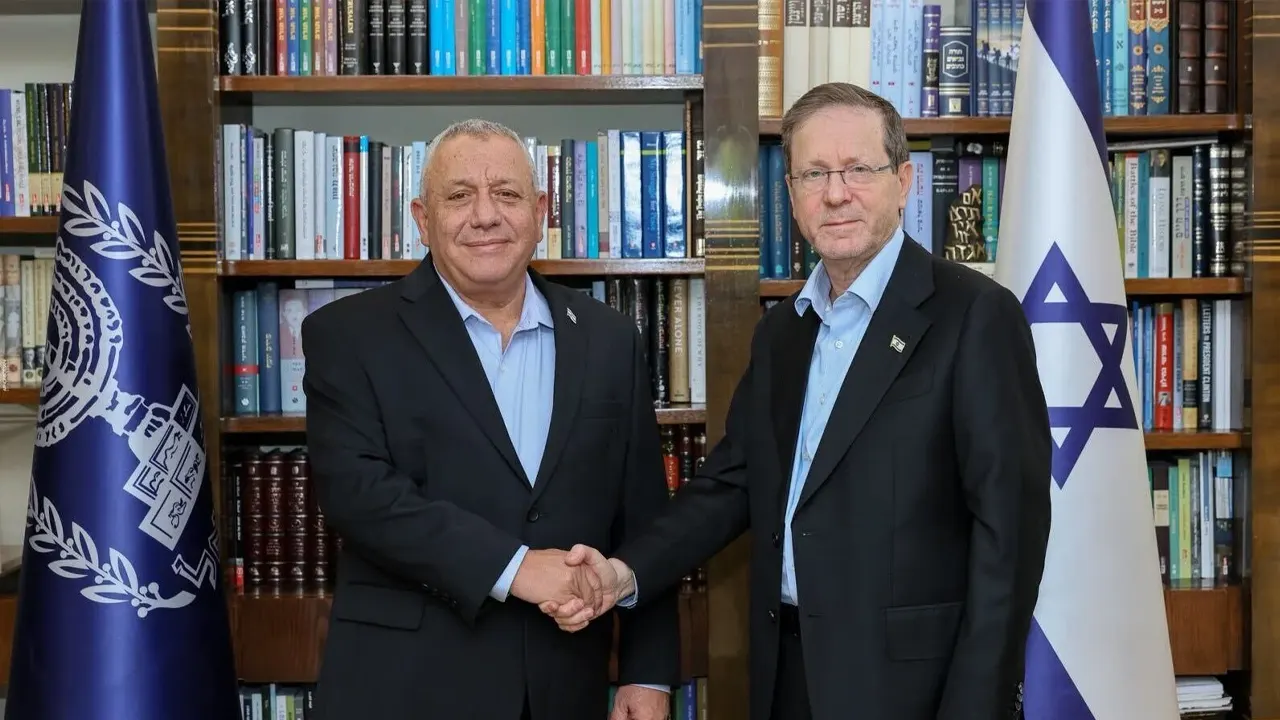
According to Al Jazeera, Herzog informed Eisenkot of his decision on Saturday evening (November 7), local time. The president’s spokesperson said the mandate would be formally handed over to him at a ceremony on Sunday.
Following the October 27 general election, no political bloc secured an outright majority. To determine who should be given the responsibility of forming the next government, Herzog held consultations with various political parties throughout the week.
A total of 67 lawmakers, including members of Arab-led parties, expressed their support for Eisenkot to form the next government. Meanwhile, 46 lawmakers backed Netanyahu. Based on the larger number of recommendations, the president decided to nominate Eisenkot.
Eisenkot will have 28 days to form a government, with the possibility of a 14-day extension if necessary. Israel’s 120-member parliament, the Knesset, requires the support of at least 61 lawmakers to form a government.
In the October election, Eisenkot’s four-party alliance secured 48 seats, while Netanyahu’s coalition of right-wing and religious parties won 53 seats. Neither bloc managed to reach the 61-seat threshold required to form a government.
In the election, Arab-led parties representing Palestinian citizens of Israel secured a record 19 seats.
However, Eisenkot has ruled out forming a government with the Arab-led parties. With their support, his coalition would command 67 seats.
Alternatively, if he secures the backing of the ultra-Orthodox Jewish parties United Torah Judaism and Shas, he would have exactly 61 seats.
Nevertheless, Eisenkot could also form a government without the support of 61 lawmakers if he manages to win a confidence vote in parliament.
Al Jazeera correspondent Nour Odeh, reporting from Ramallah in the occupied West Bank, said President Herzog’s decision was widely expected because Eisenkot had received recommendations from the largest number of lawmakers.
Odeh said Eisenkot now faces the difficult task of forming a government that does not contradict the promises he made during his election campaign while also dealing with opposition from Netanyahu’s right-wing bloc.
If Eisenkot fails to form a government within the allotted period, the president will nominate another candidate.
If the second nominee also fails, a majority of lawmakers may support a third candidate. That person will be given a final 14-day period to form a government.
If all attempts fail, a new election will be held within 90 days. In that case, Netanyahu will remain in office as caretaker prime minister.
Eisenkot served as Israel’s chief of staff from 2015 to 2019. Following the launch of Israel’s military campaign in Gaza in October 2023, he also served as an observer in Netanyahu’s wartime cabinet for the first eight months.
In an interview with Al Jazeera on Saturday, Ahmed Tibi, a senior member of the Joint List alliance of Arab-led parties, said Herzog’s decision had been expected.
However, he expressed concern over the possibility of a national unity government through a power-sharing arrangement between Eisenkot and Netanyahu.
Tibi said the Arab-led parties ultimately supported Eisenkot, giving him a significant advantage in his efforts to form a government.
He also suggested that Eisenkot could form a minority government with support from parties outside the Arab-led bloc.
Source: Al Jazeera; The Times of Israel

Darwin, November 8: Six people were killed and at least 15 others injured in a shooting by a gunman at the main square of Kraków,…
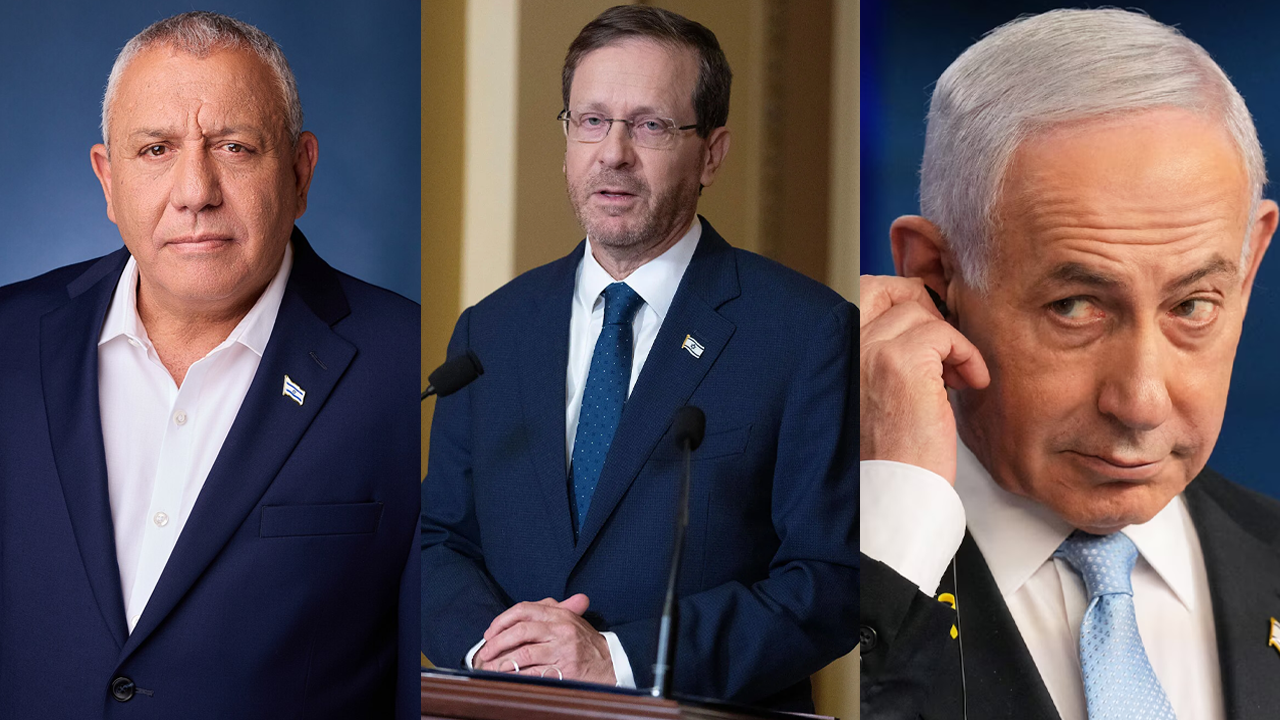
Darwin, November 8: Israeli President Isaac Herzog is expected to announce on Sunday whom he will nominate to form the country’s next government following consultations…
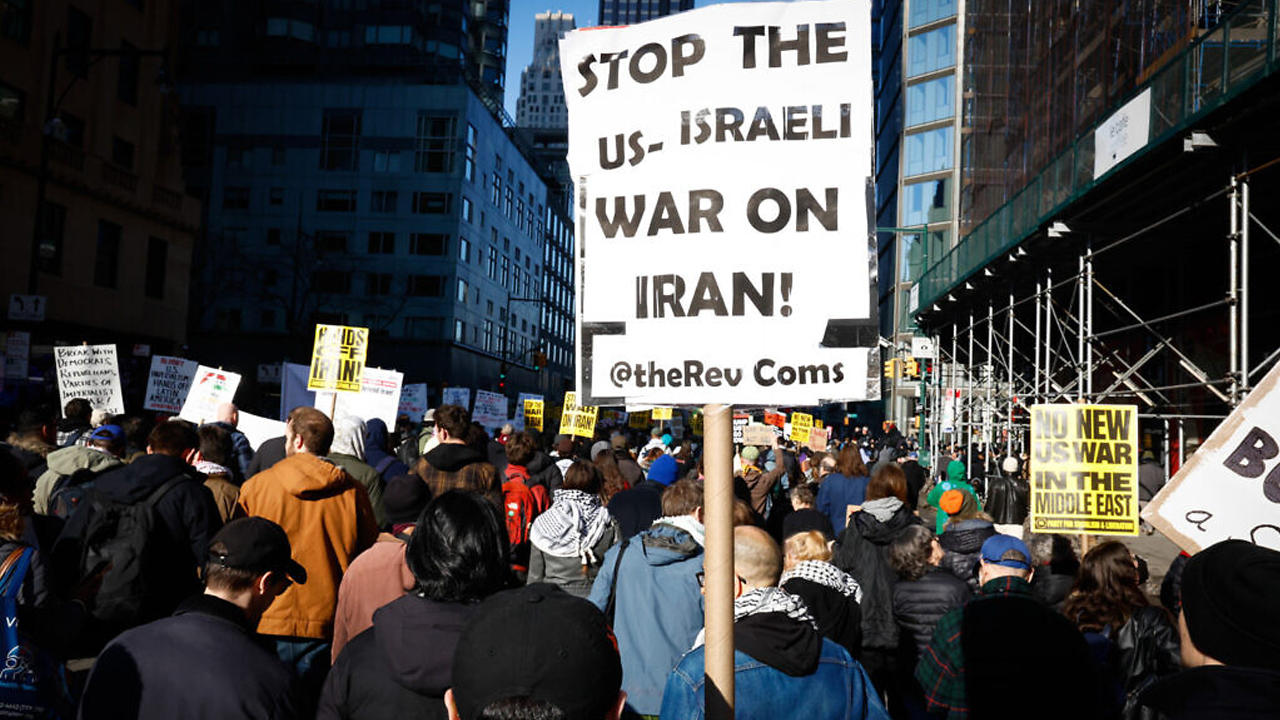
Darwin, November 7: A major Democratic victory in the US midterm elections is expected to intensify pressure on President Donald Trump to end the war…
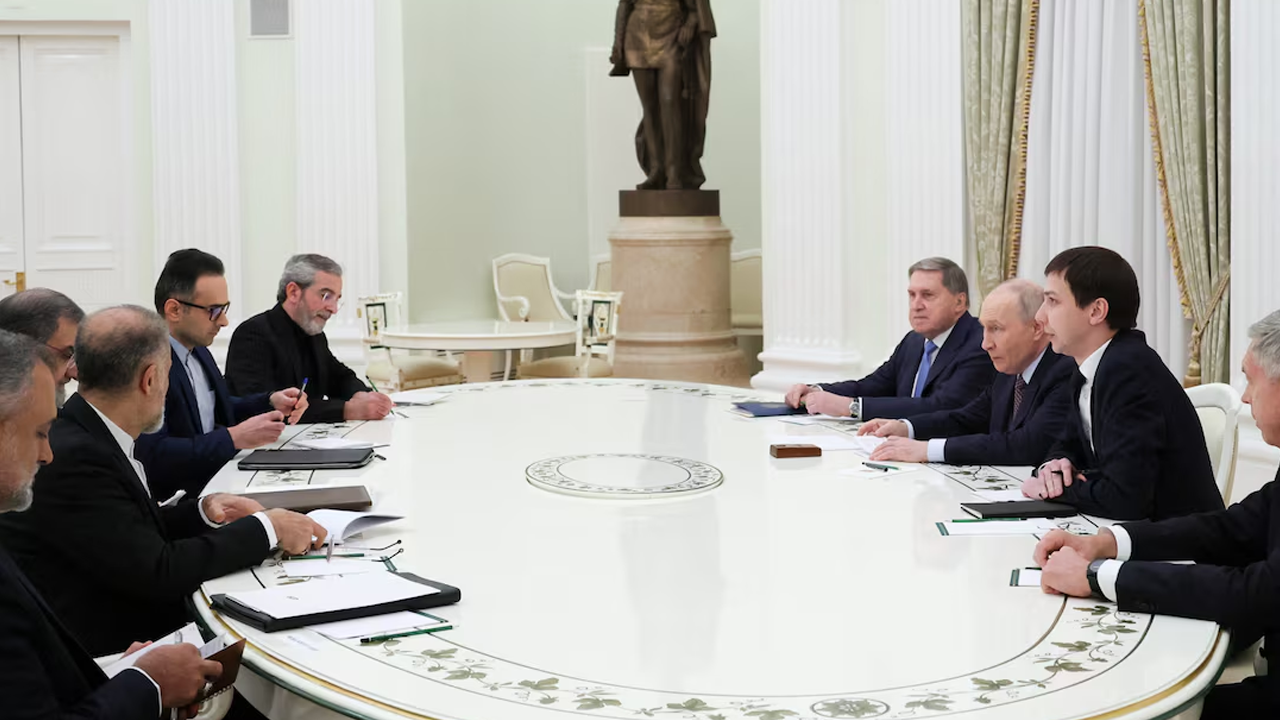
Darwin, November 7: Russian President Vladimir Putin and Iran’s security chief Mohsen Rezaei have discussed the possibility of building a pipeline to transport natural gas…
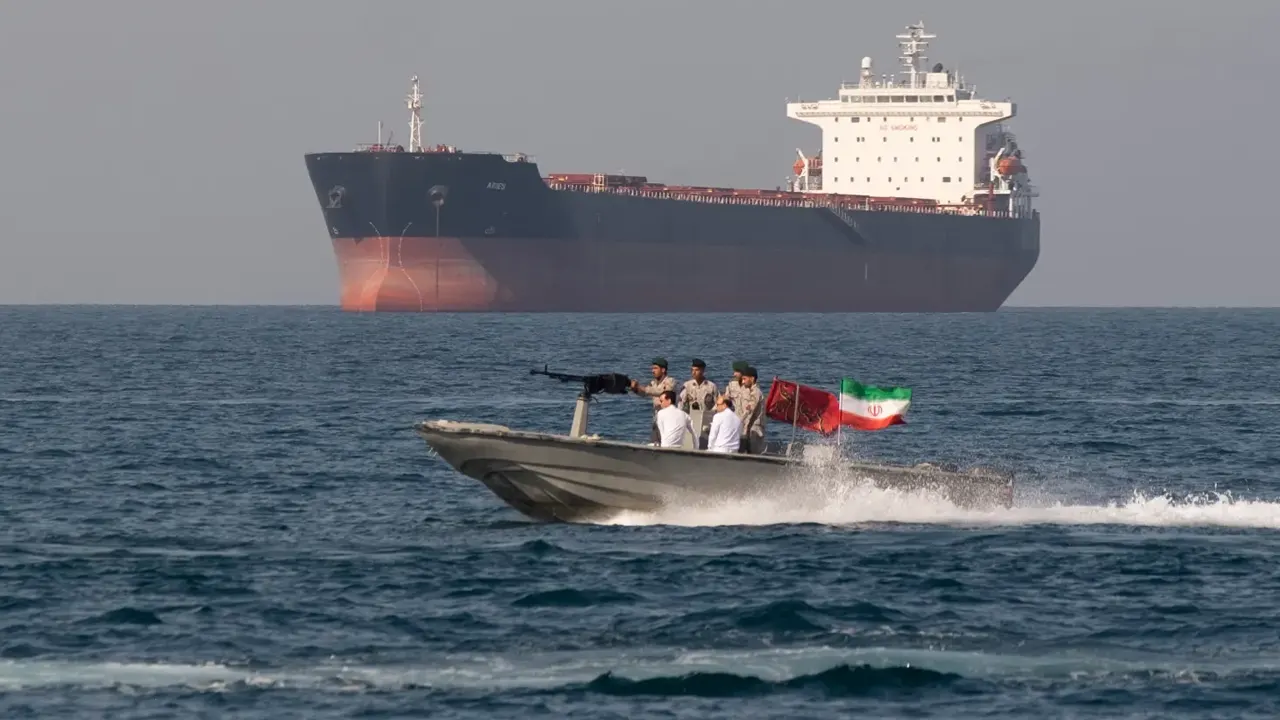
Darwin, November 6: Iran has imposed restrictions on shipping through the strategically vital Strait of Hormuz amid its war with the United States and Israel,…
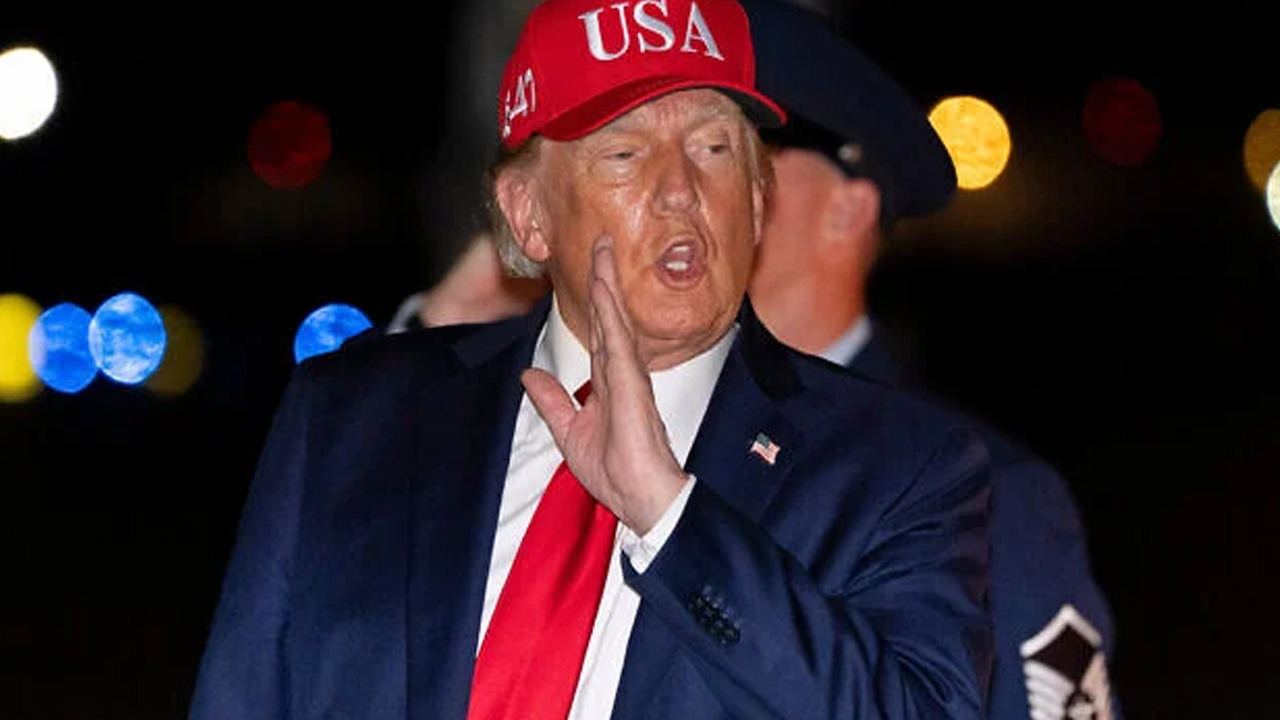
Darwin, November 6: A devastating midterm election defeat has triggered a wave of recriminations within the Republican Party, with senior figures increasingly questioning President Donald…

Darwin, November 4: The Democratic Party has secured a major victory in the US midterm elections, taking control of the Senate following an unexpected win…
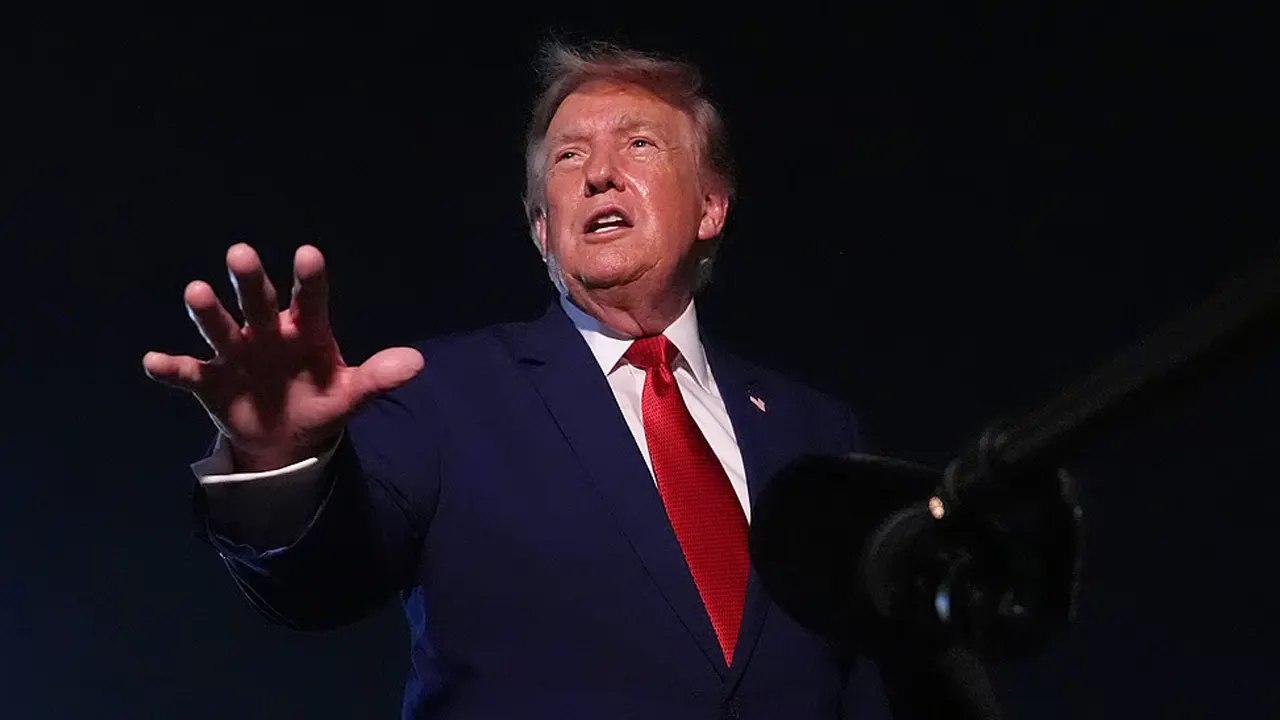
Darwin, November 4: US President Donald Trump has said he is prepared to accept the results of the country’s midterm elections. He has also expressed…