US Forces to Leave Iraq After Two Decades and 4,500 Military Deaths
Darwin, September 30 : The United States is preparing to withdraw its military forces from Iraq after more than two decades of war and the…



Melbourne, 30 July— A powerful earthquake measuring 8.8 on the Richter scale struck Russia’s Kamchatka Peninsula on Wednesday morning, causing tsunami waves up to 60 centimeters high to be observed along the coast of Japan.
Due to the severity of the earthquake, there is a heightened risk of tsunamis across the Pacific region. Consequently, tsunami warnings have been issued for Russia, Japan’s coastal regions from Hokkaido to Kyushu, and the entire western coast of the United States.
Tsunami alerts are also in effect for parts of Alaska’s remote Aleutian Islands, as well as Guam and the Hawaiian Islands in the Pacific Ocean.
In Japan, authorities have issued strict instructions for residents to evacuate from coastal and riverside areas for safety.
Japan is working to evacuate around 2 million people from coastal and nearby regions, including the capital, Tokyo.
According to officials from the Fire and Disaster Management Agency, evacuation efforts have already begun for 1,955,596 people across 21 prefectures. The largest evacuations are underway in Hokkaido, Kanagawa, and Wakayama.
Early Wednesday morning, the Russian Far East region of Kamchatka experienced an initial 8.7-magnitude quake, followed by a strong aftershock measuring 6.9.
Waves as high as 4 meters (12 feet) struck Japan’s northernmost island, Hokkaido, following the earthquake.
Tsunami warnings predicting waves up to 3 meters have been issued for Hokkaido and Honshu’s Pacific coast. Shikoku, Kyushu, and Okinawa are expected to see waves of up to 1 meter.
Japan’s Meteorological Agency warned that tsunami waves could strike repeatedly over an extended period. Waves following the initial surge could be even higher, so people are advised not to return to coastal areas until all warnings are lifted.
Each wave cycle can last about an hour, meaning tsunami activity may continue for an extended time.
The risk of large tsunami waves could persist for at least a day, although the exact duration of the warnings is still being assessed.
More than two hours after the initial wave hit Japan’s coast, waves measuring up to 60 centimeters were recorded at Hokkaido’s Kuji in Iwate Prefecture around 1:00 p.m. local time.
Waves between 10 and 50 centimeters have been recorded across large stretches of the Pacific coastline from Hokkaido to Miyazaki.
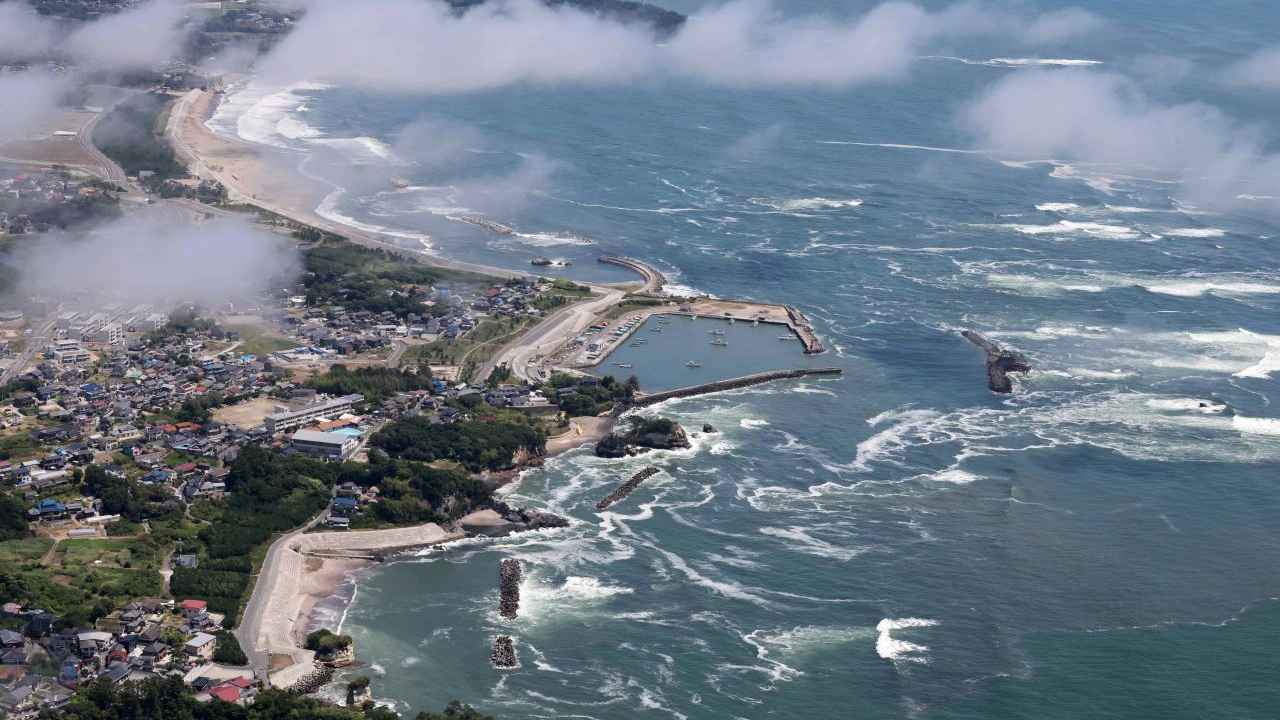
U.S. Moves Ships Away from Hawaii Amid Tsunami Fears
According to Reuters, tsunami warnings have been issued across a wide area of the Pacific.
Japan’s weather agency said that tsunami waves have reached several areas, including the capital Tokyo, though the situation has not been as severe as initially feared.
Currently, waves hitting Japan’s Pacific coast are between 30 and 50 centimeters high.
However, the tsunami has disrupted Japan’s transportation system. Sendai International Airport, located on the Pacific coast, has suspended all operations. Ferry services between Hokkaido, Aomori, and Tokyo have also been halted.
Russian media outlet RT reported that residents of the coastal city of Severo-Kurilsk were evacuated, confirmed by local officials.
Valery Limarenko, governor of the Sakhalin region, stated that the first tsunami waves hit Severo-Kurilsk shortly after the earthquake near the Kamchatka Peninsula. Residents of this city, with a population of around 2,500, were instructed to evacuate to higher ground.
Governor Limarenko said residents are now safely in elevated areas and will remain there until the tsunami threat has fully passed. Emergency services are on high alert, taking all necessary steps to ensure public safety and restore normal conditions.
No casualties or major damages have been reported so far. However, the Alaid fish processing plant in Severo-Kurilsk was flooded, and all its workers were quickly evacuated.
The earthquake struck Russia’s eastern coast at 8:25 a.m. local time, according to the United States Geological Survey (USGS). Tsunami warnings were issued immediately after the quake.

Darwin, September 30 : The United States is preparing to withdraw its military forces from Iraq after more than two decades of war and the…
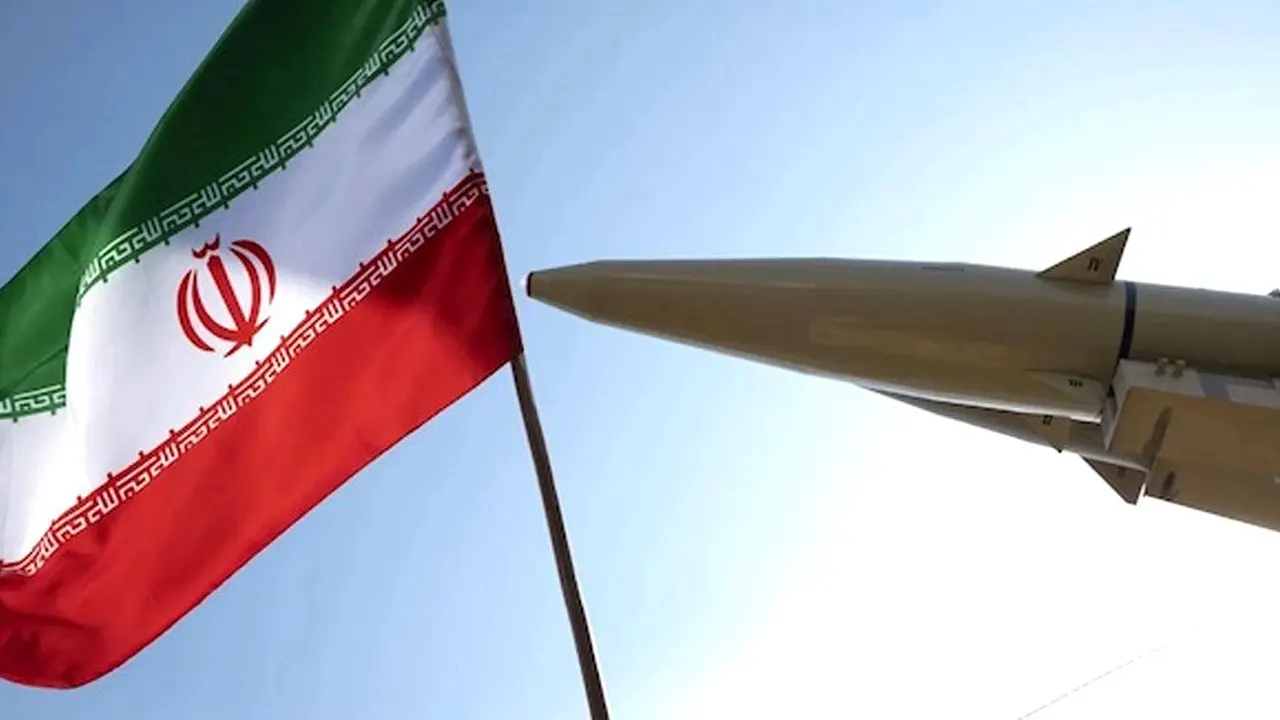
Darwin, September 30: Russia has urged Iran not to withdraw from the Treaty on the Non-Proliferation of Nuclear Weapons (NPT), calling on Tehran to remain…

Darwin, September 30: Russia currently lacks sufficient military capability to launch a major attack against NATO because its forces are engaged in the war in…

Four personnel of India’s Central Industrial Security Force (CISF), including an officer, were killed after a colleague allegedly opened fire on them at a hydropower…

Darwin, September 25: The Netherlands is seeking to build an international coalition to evacuate at least 1,000 sick and injured children from Gaza for medical treatment,…

Darwin, September 25: Police arrested at least 100 people, including Oscar-winning actress Susan Sarandon, during a protest against Israeli Prime Minister Benjamin Netanyahu outside the…
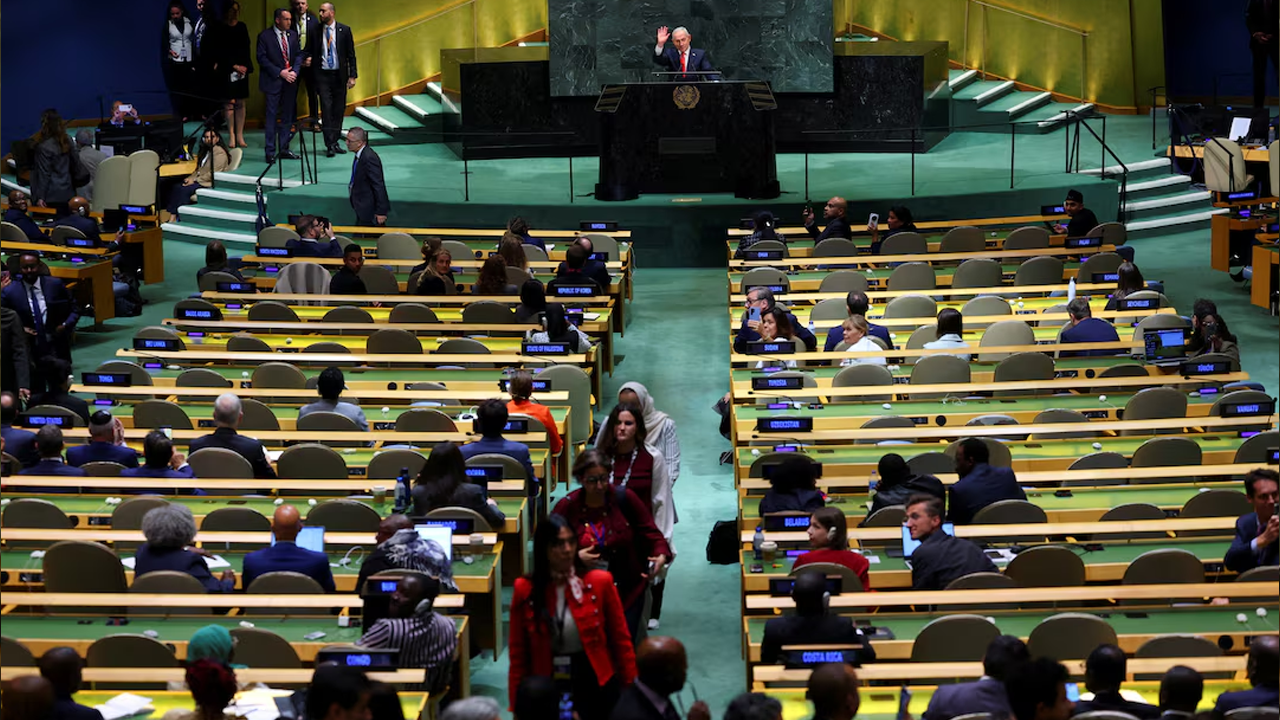
Darwin, September 25: Representatives from Bangladesh and 76 other countries walked out of the United Nations General Assembly hall as Israeli Prime Minister Benjamin Netanyahu…
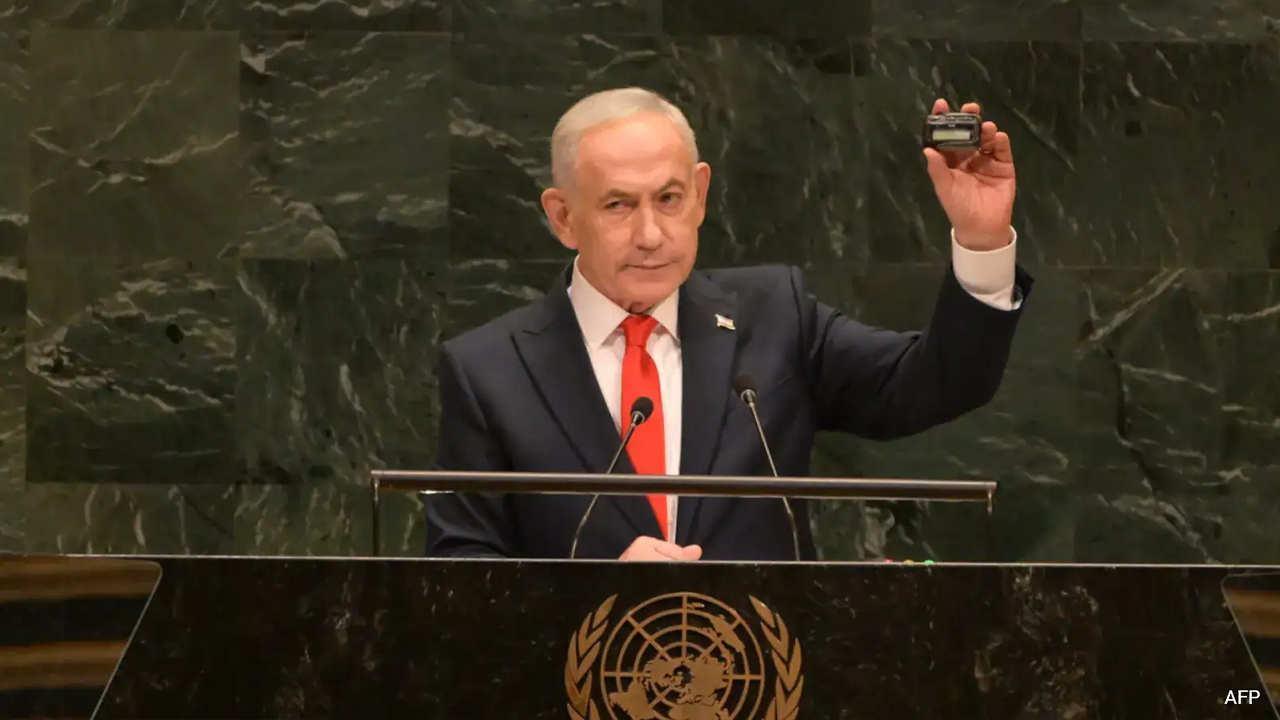
Darwin, September 25 : Israeli Prime Minister Benjamin Netanyahu brought a pager to the United Nations General Assembly while delivering a speech, using it to highlight…