US Forces to Leave Iraq After Two Decades and 4,500 Military Deaths
Darwin, September 30 : The United States is preparing to withdraw its military forces from Iraq after more than two decades of war and the…




Darwin, 20 October-
In Bolivia, nearly two decades of leftist rule have come to an end with the election of Rodrigo Paz, leader of the center-right Christian Democratic Party.
According to the results published by the country’s Supreme Electoral Tribunal, with 97% of votes counted, Paz has secured 54.5% of the vote. In contrast, right-wing former interim president Jorge “Tuto” Quiroga received 45.4%.
This election followed a major defeat for the ruling Movement for Socialism (MAS) party in the August primaries. Former president Evo Morales was declared ineligible by the court due to term-limit and party membership issues. Meanwhile, current president Luis Arce also decided not to run in the election.
Al Jazeera reported that given the fractured leftist coalition and the deep economic crisis, many had already assumed that Morales’s party had little chance of returning to power.
However, the new president still faces a tough road ahead, as Morales remains popular among the country’s Indigenous population.
The 58-year-old Paz entered politics as the heir to his father, former leftist president Jaime Paz Zamora. After studying economics in the United States, he returned to Bolivia and served as a city councilor and later mayor in the southern city of Tarija. He was elected senator from the same region in 2020.
During his campaign, Paz promised a policy of “capitalism for all,” which includes tax and tariff cuts, economic decentralization, and increased efficiency in government structures.
Following the announcement of the results, his vice-presidential candidate Edmund Lara said in a statement:
“We must ensure the supply of diesel and gasoline. People are suffering. We must stabilize food prices and end corruption.”
Speaking to journalists, Morales said:
“These two candidates only represent a small segment of the population. They are not representatives of the people or the Indigenous movement.”
Current president Luis Arce, who took office in 2020, will step down on November 8. Although constitutionally allowed to seek re-election, he chose not to.
Meanwhile, the country is going through a severe economic crisis. Annual inflation has reached nearly 25%, with acute shortages of U.S. dollars and fuel. Prior to the August elections, people took to the streets to protest rising prices, fuel shortages, and food insecurity.
Between 2006 and 2019, under Morales, Bolivia experienced rapid economic growth and significant poverty reduction. Morales nationalized the gas sector and invested the revenue in social programs, cutting extreme poverty by half.
However, a later reluctance to expand the gas sector led to a steep revenue decline—from $6.1 billion in 2013 to just $1.6 billion in 2024. With a shortage of foreign currency, the government has struggled to import fuel, wheat, and food.
The newly elected president Paz has yet to clarify whether he will continue fuel subsidies. He has hinted that subsidies may be limited to only the most vulnerable segments of the population.
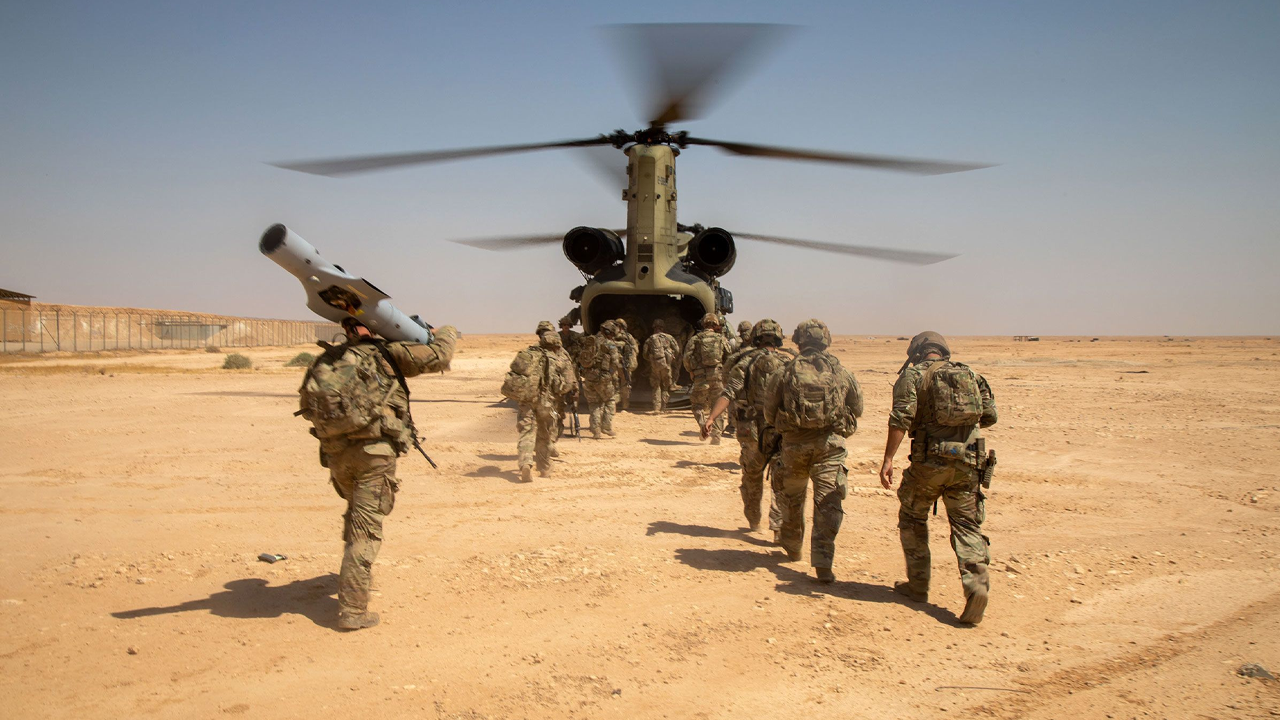
Darwin, September 30 : The United States is preparing to withdraw its military forces from Iraq after more than two decades of war and the…
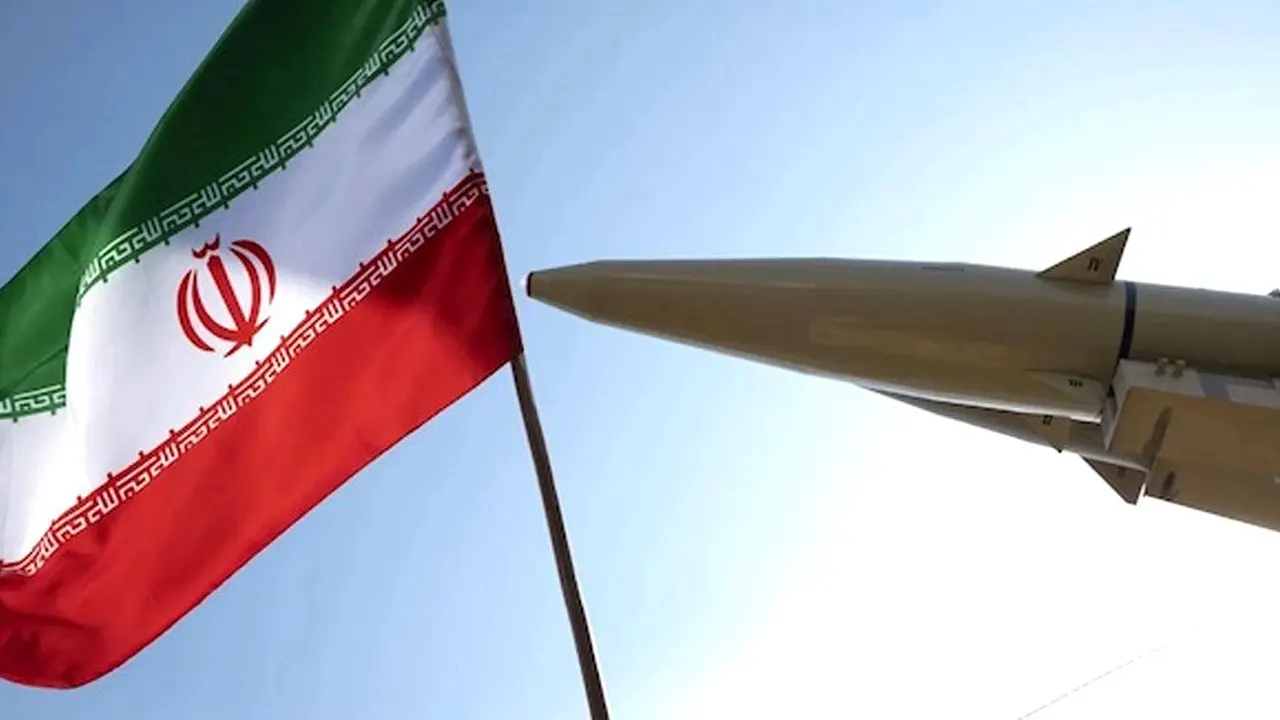
Darwin, September 30: Russia has urged Iran not to withdraw from the Treaty on the Non-Proliferation of Nuclear Weapons (NPT), calling on Tehran to remain…
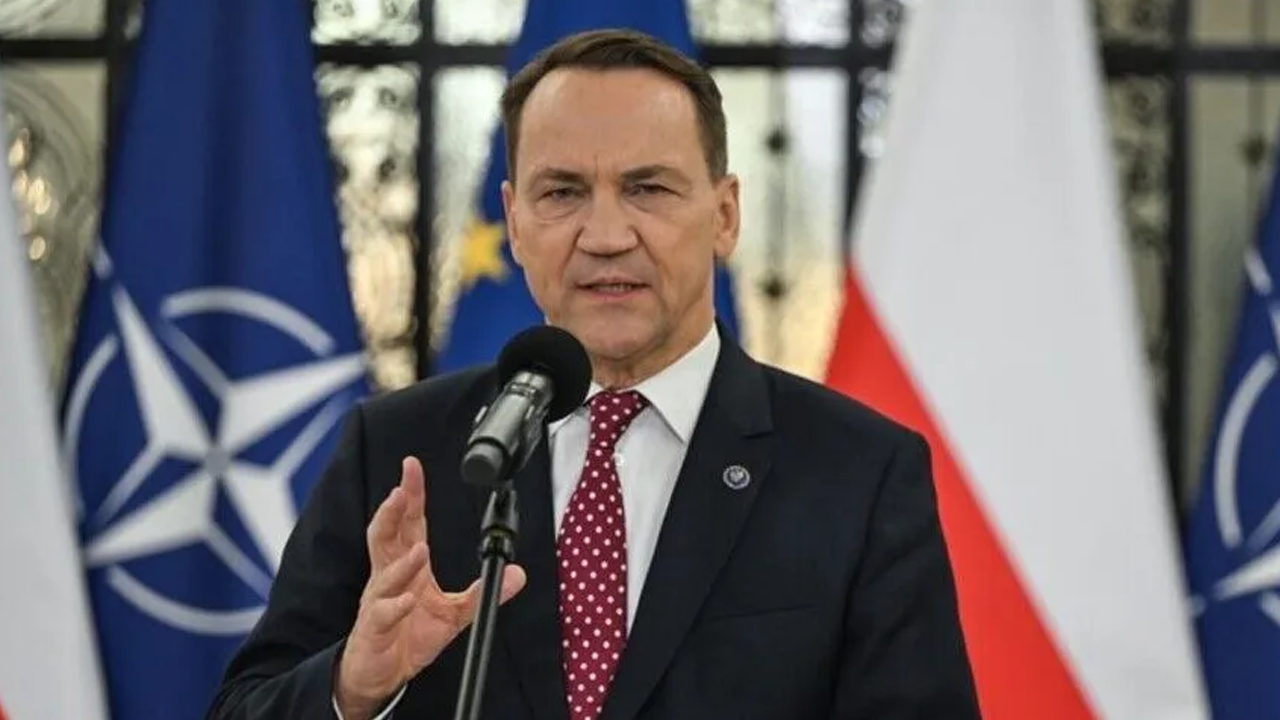
Darwin, September 30: Russia currently lacks sufficient military capability to launch a major attack against NATO because its forces are engaged in the war in…
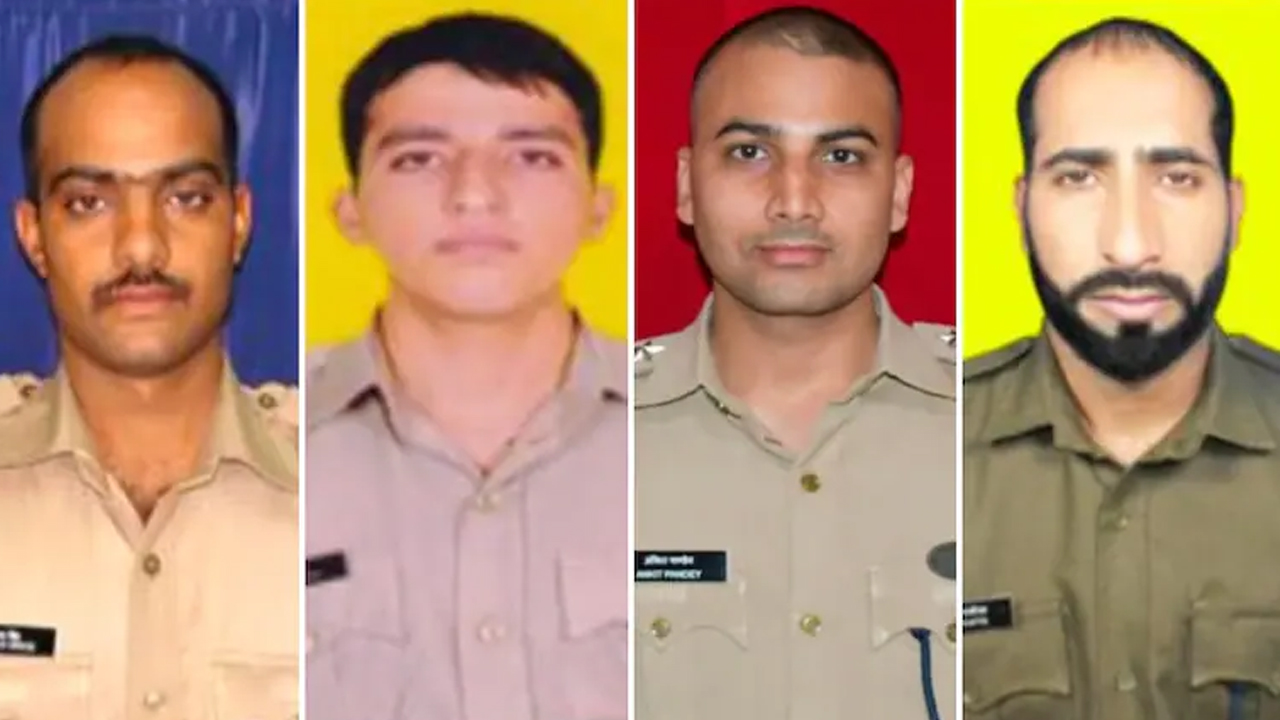
Four personnel of India’s Central Industrial Security Force (CISF), including an officer, were killed after a colleague allegedly opened fire on them at a hydropower…

Darwin, September 25: The Netherlands is seeking to build an international coalition to evacuate at least 1,000 sick and injured children from Gaza for medical treatment,…

Darwin, September 25: Police arrested at least 100 people, including Oscar-winning actress Susan Sarandon, during a protest against Israeli Prime Minister Benjamin Netanyahu outside the…
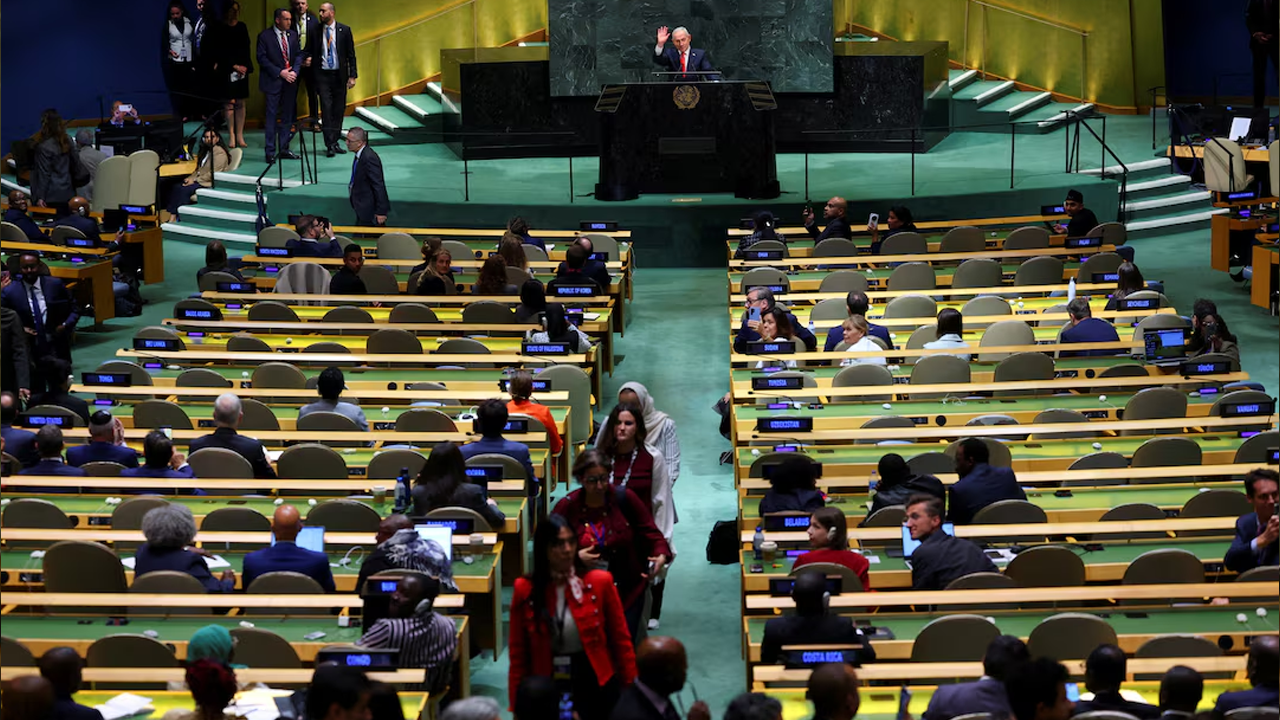
Darwin, September 25: Representatives from Bangladesh and 76 other countries walked out of the United Nations General Assembly hall as Israeli Prime Minister Benjamin Netanyahu…
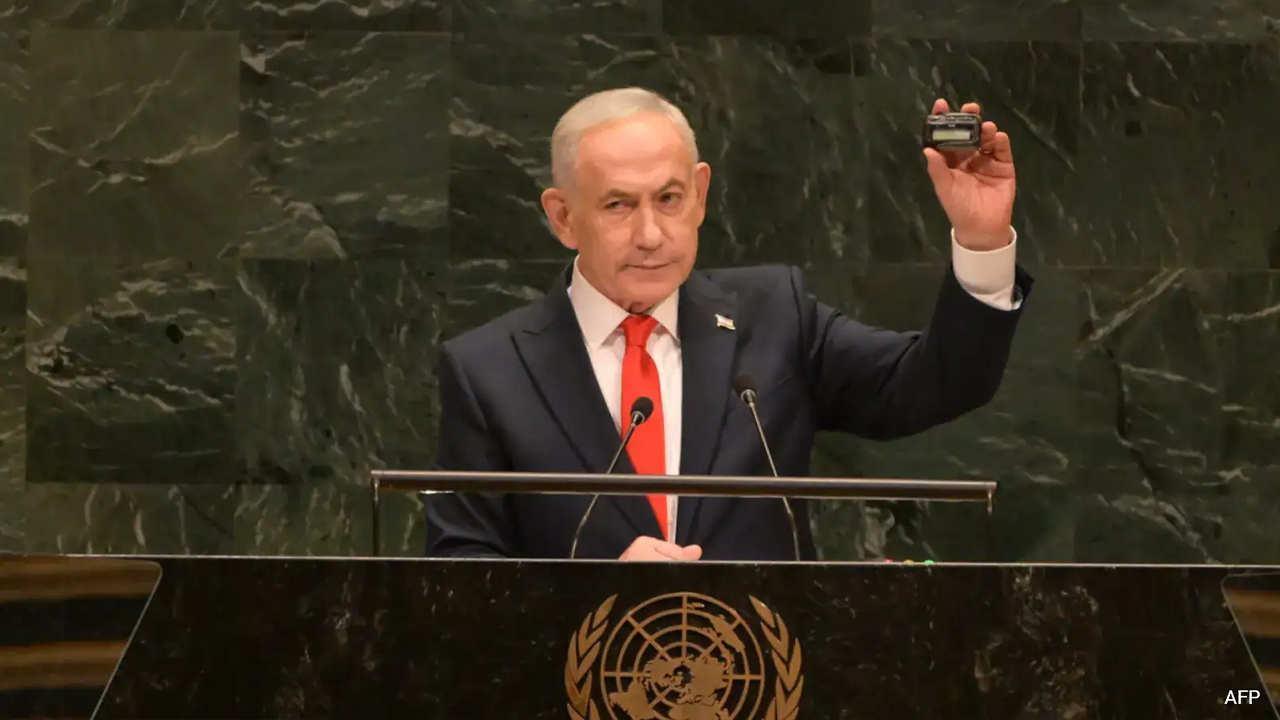
Darwin, September 25 : Israeli Prime Minister Benjamin Netanyahu brought a pager to the United Nations General Assembly while delivering a speech, using it to highlight…