US Forces to Leave Iraq After Two Decades and 4,500 Military Deaths
Darwin, September 30 : The United States is preparing to withdraw its military forces from Iraq after more than two decades of war and the…



Darwin, 30 October-
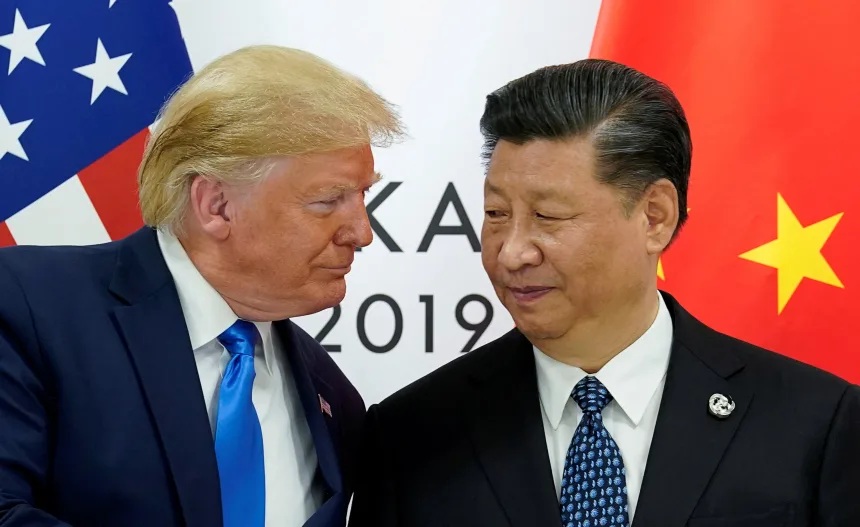
The United States has reduced tariffs on Chinese goods. President Donald Trump announced that the tariff rate on Chinese products has been lowered from 57 percent to 47 percent, effective immediately.
According to Reuters, Trump made the announcement on Thursday following a meeting with Chinese President Xi Jinping in South Korea. The meeting was reportedly held at the initiative of the United States.
Following the talks, Reuters quoted Trump as saying that the U.S. and China had reached a one-year trade agreement, which will be renewed periodically.
“We have a deal,” Trump said, though he attached several conditions to the agreement. Among them, China must resume purchasing American soybeans, continue exporting rare earth minerals, and strictly regulate the illegal trade of fentanyl.
Trump added that the tariff on Chinese fentanyl-related products has been reduced from 20 percent to 10 percent, saying, “This new rate will take effect immediately.”
During the meeting, Trump also announced that he would visit China in April, followed by a return visit by Xi Jinping to the United States.
“The rare earth issue has been resolved, and we are entering a new phase of mutual cooperation,” Trump said.
According to The Economic Times, the South Korea meeting was primarily arranged by the U.S. Earlier, Reuters reported that officials from both countries had reached a preliminary consensus on the framework of a trade agreement, which Trump’s remarks appeared to confirm.
Once the framework is finalized, the U.S. will temporarily halt additional tariffs on Chinese goods, while China will suspend export restrictions on rare earth minerals.
Previously, U.S. Treasury Secretary Scott Bessent stated that, following discussions at the ASEAN Summit, the U.S. had postponed its plan to impose a 100 percent tariff on Chinese goods starting November 1. He also expressed hope that China would delay the implementation of its licensing system for rare earth and magnetic material exports by at least a year.
Earlier this year, on April 2, Trump had issued an executive order imposing additional tariffs on imports from 57 countries. The decision was later suspended for three months to allow for bilateral negotiations. While agreements were reached with many nations, no deal had yet been finalized with China or India.
At present, Trump is pursuing a policy of “tariff truce diplomacy” with China, while simultaneously imposing up to 50 percent tariffs on Indian goods, accusing New Delhi of supporting the Ukraine war by buying Russian oil.

Darwin, September 30 : The United States is preparing to withdraw its military forces from Iraq after more than two decades of war and the…
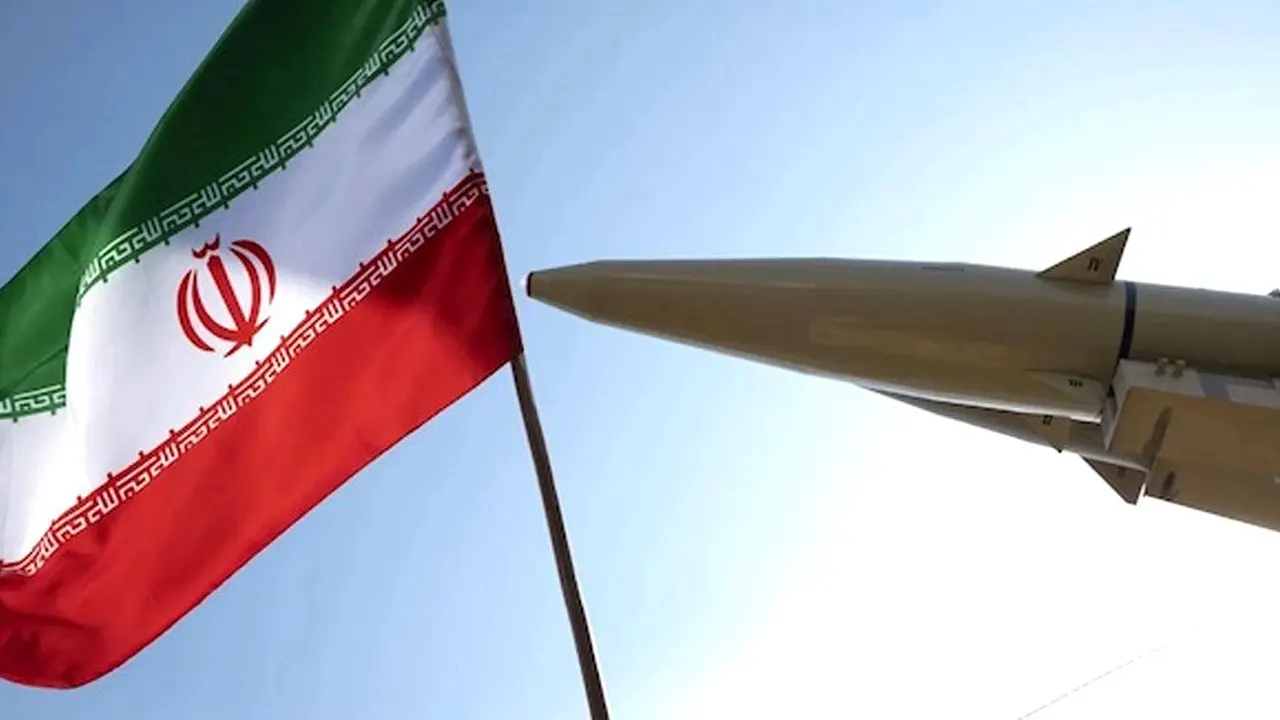
Darwin, September 30: Russia has urged Iran not to withdraw from the Treaty on the Non-Proliferation of Nuclear Weapons (NPT), calling on Tehran to remain…
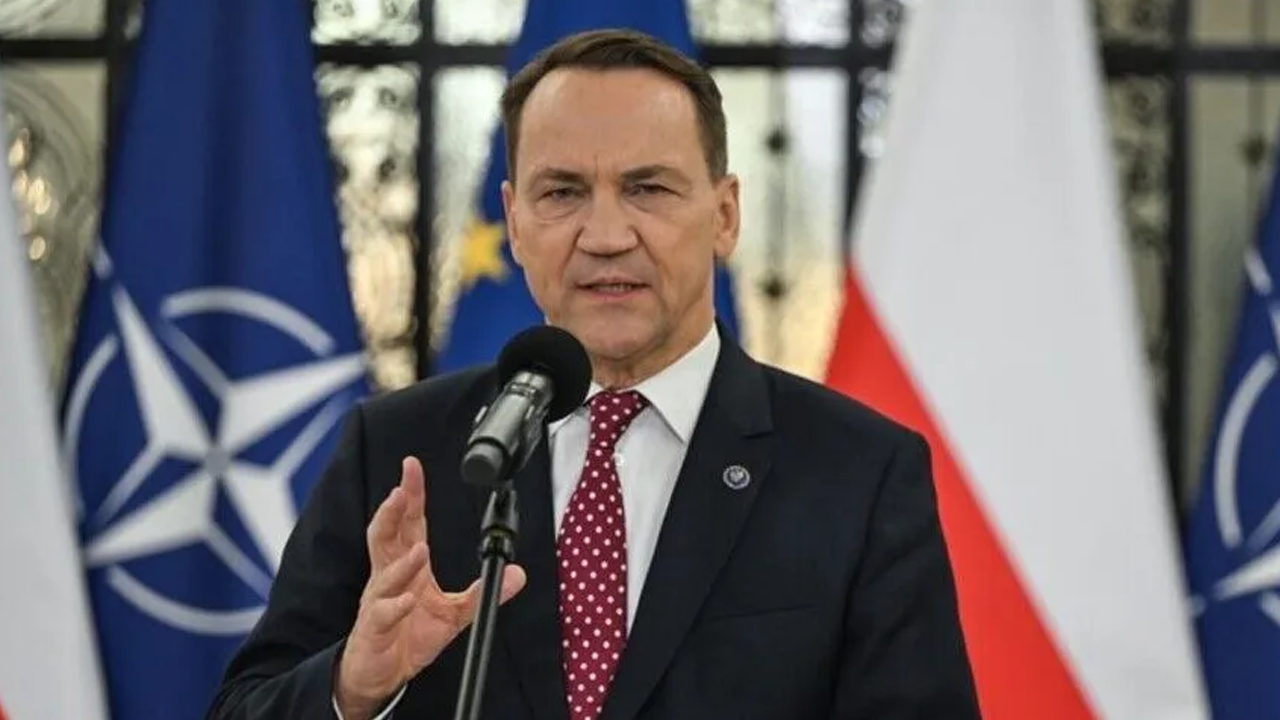
Darwin, September 30: Russia currently lacks sufficient military capability to launch a major attack against NATO because its forces are engaged in the war in…

Four personnel of India’s Central Industrial Security Force (CISF), including an officer, were killed after a colleague allegedly opened fire on them at a hydropower…

Darwin, September 25: The Netherlands is seeking to build an international coalition to evacuate at least 1,000 sick and injured children from Gaza for medical treatment,…

Darwin, September 25: Police arrested at least 100 people, including Oscar-winning actress Susan Sarandon, during a protest against Israeli Prime Minister Benjamin Netanyahu outside the…
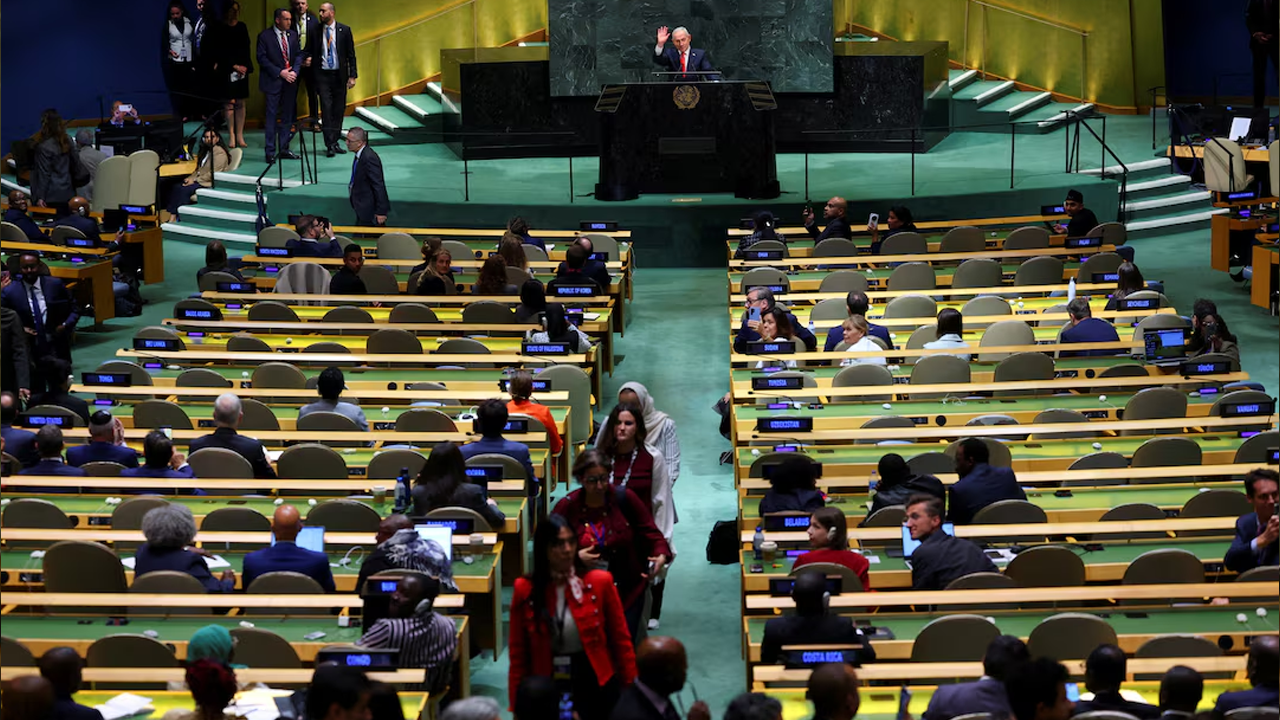
Darwin, September 25: Representatives from Bangladesh and 76 other countries walked out of the United Nations General Assembly hall as Israeli Prime Minister Benjamin Netanyahu…
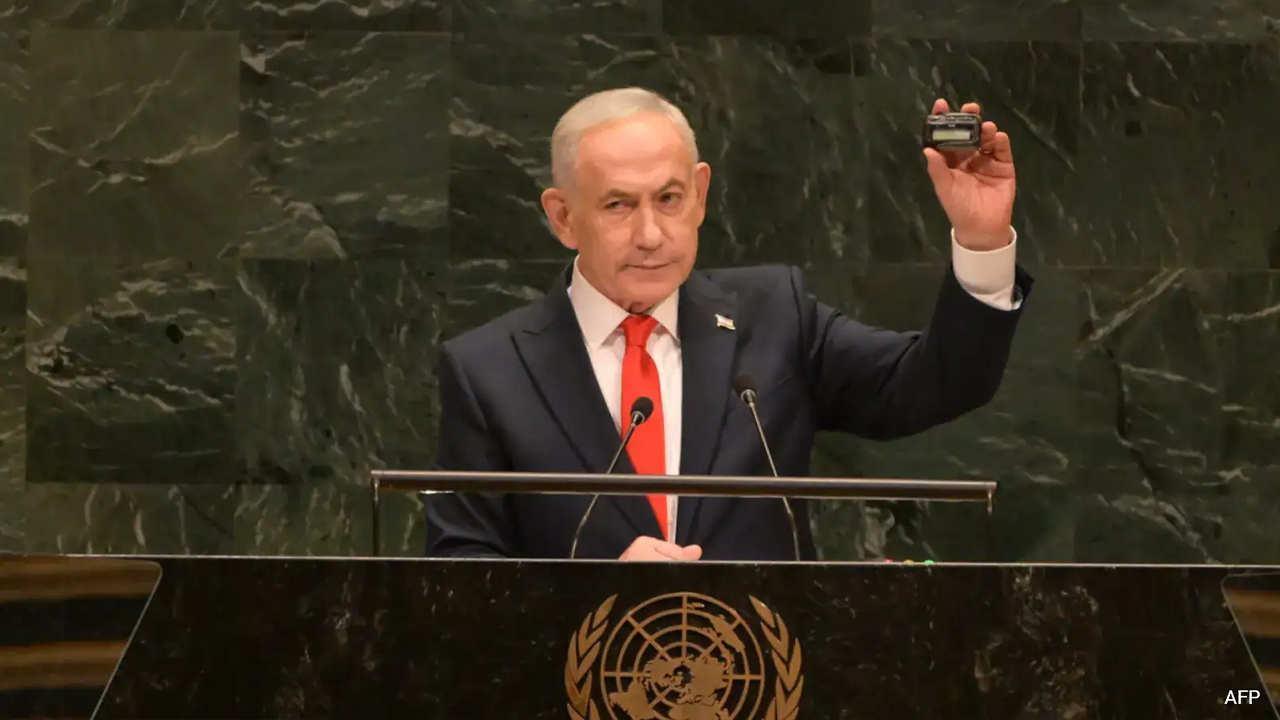
Darwin, September 25 : Israeli Prime Minister Benjamin Netanyahu brought a pager to the United Nations General Assembly while delivering a speech, using it to highlight…