Ten Injured After Car Ploughs Into Rugby League Fans in Australia
Darwin, October 04: Ten people, including three children, have been injured after a car crashed into a crowd of rugby league fans in Newcastle, eastern…



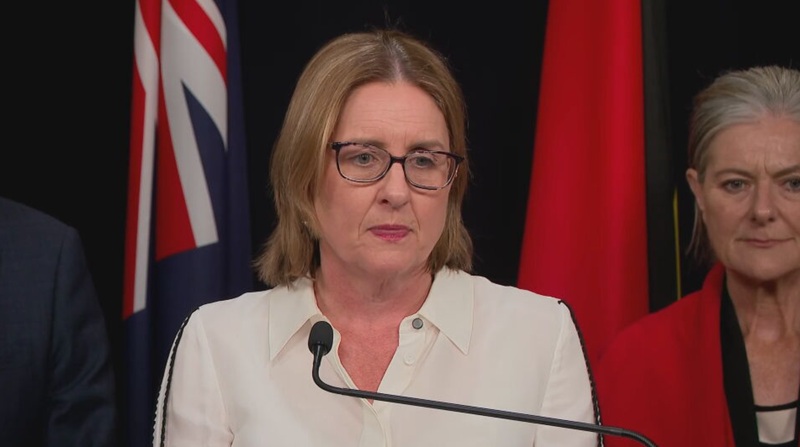
Victoria’s new legislation aimed at cracking down on violent protesters has immediately drawn fire from the state’s police union, which dismisses the compromise law as unworkable bureaucratic red tape.
The Allan government is set to introduce the Justice Legislation Amendment (Police and Other Matters) Bill 2025 to Parliament, giving police the power to demand that dangerous protesters remove face masks. However, this power can only be exercised if the officer reasonably believes the individual has committed or intends to commit an offence.
The narrow scope of the power was immediately criticised by Police Association Victoria secretary Wayne Gatt, who used biting language to express his skepticism.
“If it amounts to our members having to ask protesters nicely whether they have a lawful reason for wearing a face covering, it should be renamed ‘the pretty please’ bill,” Gatt stated.
Gatt argued the law fails to address the reality of policing chaotic rallies: “Imagine going up to 100 people wearing black balaclavas and asking them one by one whether they have a lawful excuse for wearing them.”
Premier Jacinta Allan initially promised a full ban on face coverings but admitted she had to settle for a bill that was “workable” and could pass Parliament quickly.
“What I’m focused on is the outcome, and the outcome here is legislation that can be enacted, legislation that can be enforced,” Allan said, stressing the law targets a “small number of people using the cloak of those protests to bring violence and hateful behaviour.”
Protesters who refuse a police direction to remove their mask could face penalties exceeding $1000. The legislation also introduces bans on the public display of symbols used by federal-listed terrorist organisations and adds protections for religious worshippers. The government hopes to enact the laws by March next year.
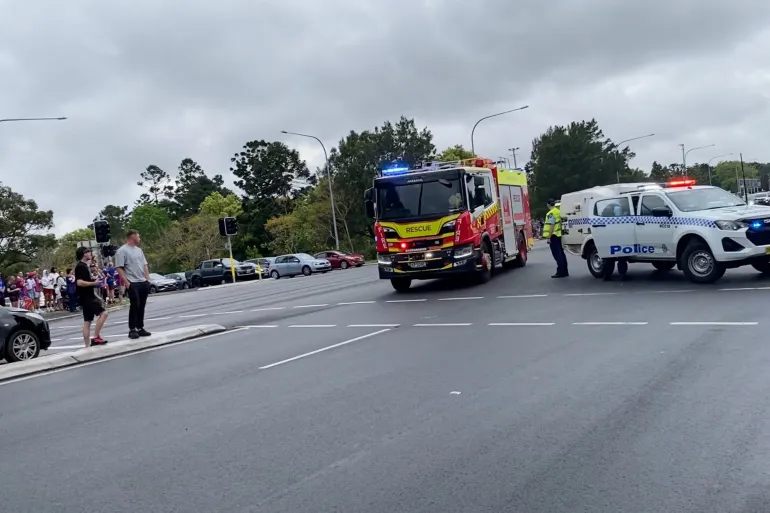
Darwin, October 04: Ten people, including three children, have been injured after a car crashed into a crowd of rugby league fans in Newcastle, eastern…
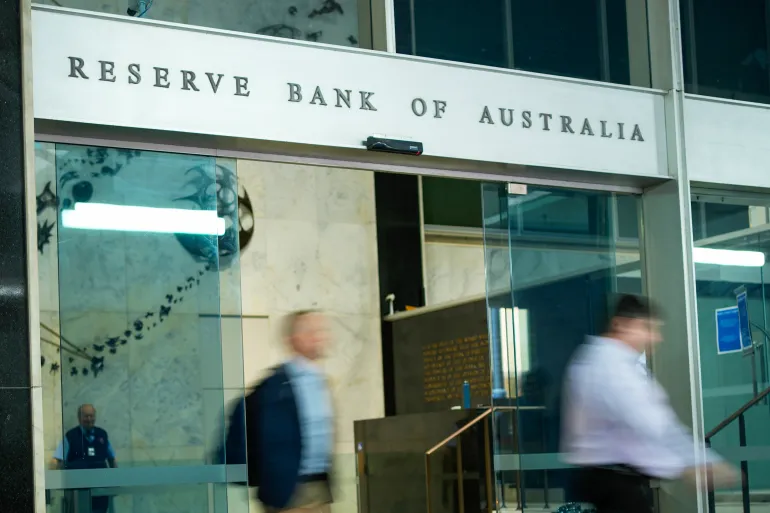
Darwin, October 4: Australia’s central bank has raised interest rates to their highest level in 15 years, increasing mortgage repayments for millions of Australian households….
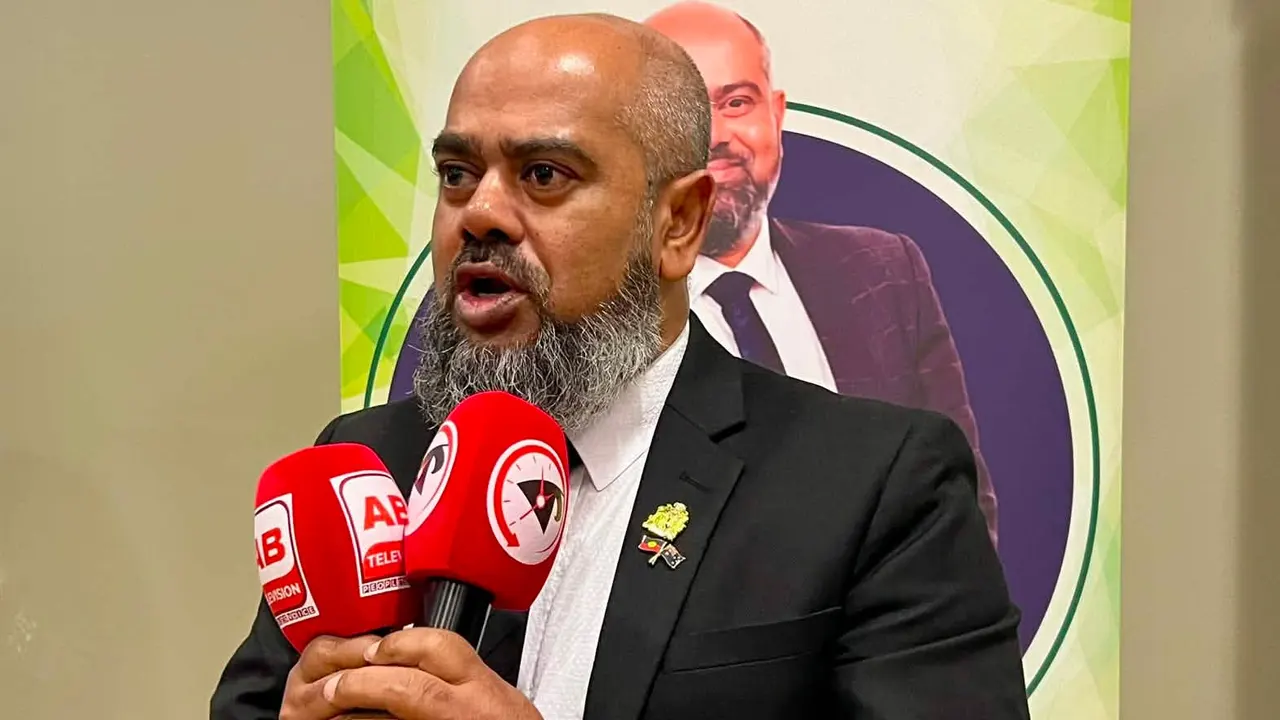
Darwin, September 06: Bangladeshi-Australian community leader and Campbelltown City Councillor and former Deputy Mayor Mohammad Ibrahim Khalil Masud has formally announced his candidacy for the…

Darwin, September 02: Queensland has introduced strict new rules governing the use of e-bikes and e-scooters. From now on, people using these electric vehicles in…
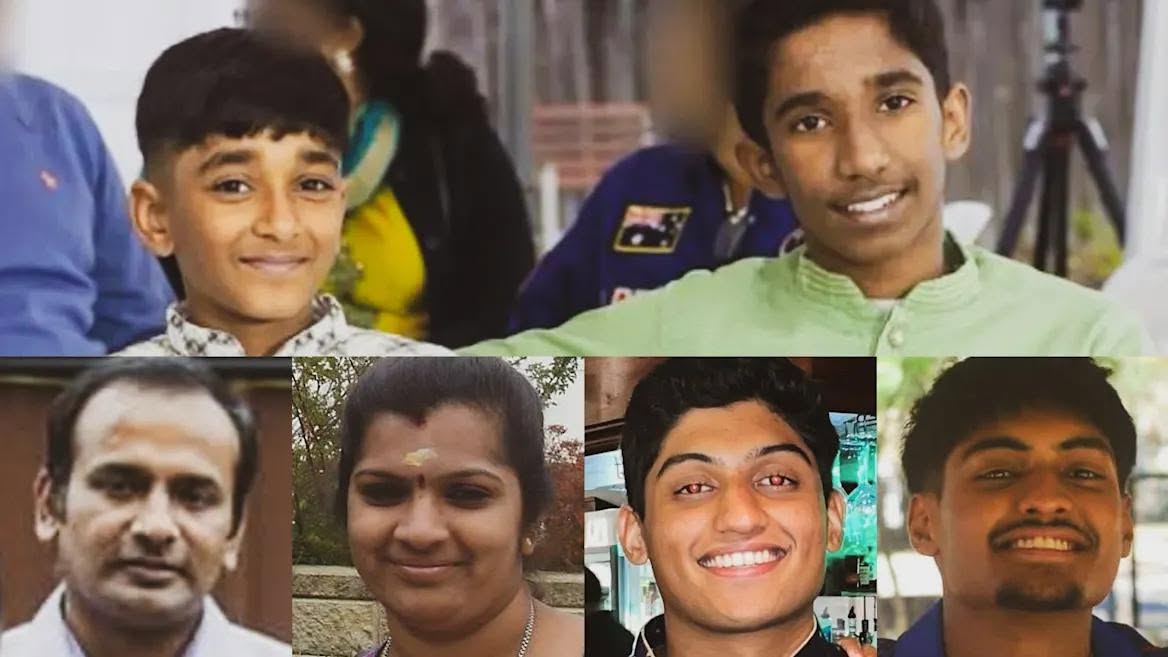
Darwin, August 28: At least 39 Australian citizens are among nearly 1,500 people still missing following devastating flash floods and landslides in areas along the…

Darwin, 28 July : Australia’s new national emergency alert system, AusAlert, successfully completed its first nationwide trial on Monday. At 2:00 pm local time (AEST)…
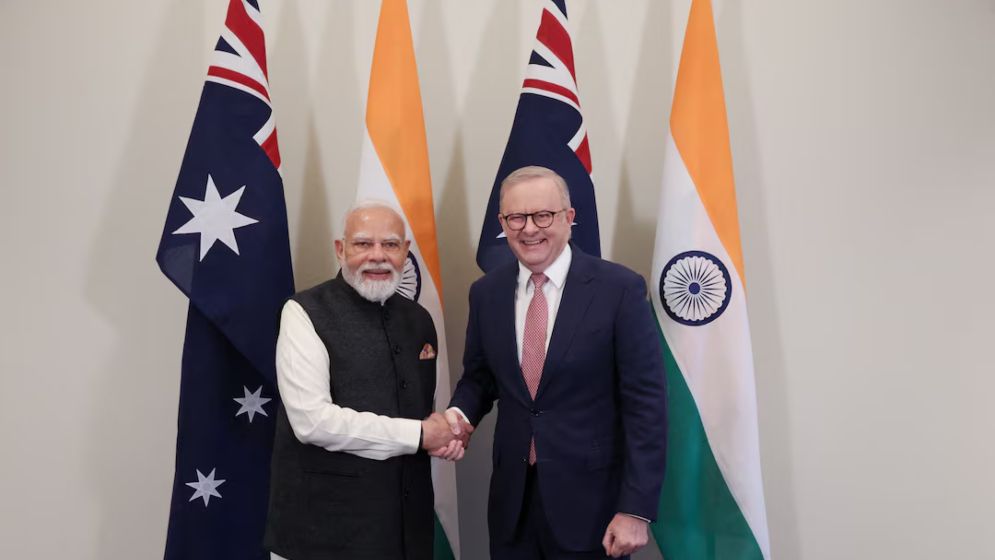
Darwin, 10 July : India and Australia have signed a significant energy cooperation agreement, including uranium exports, during Indian Prime Minister Narendra Modi’s visit to…
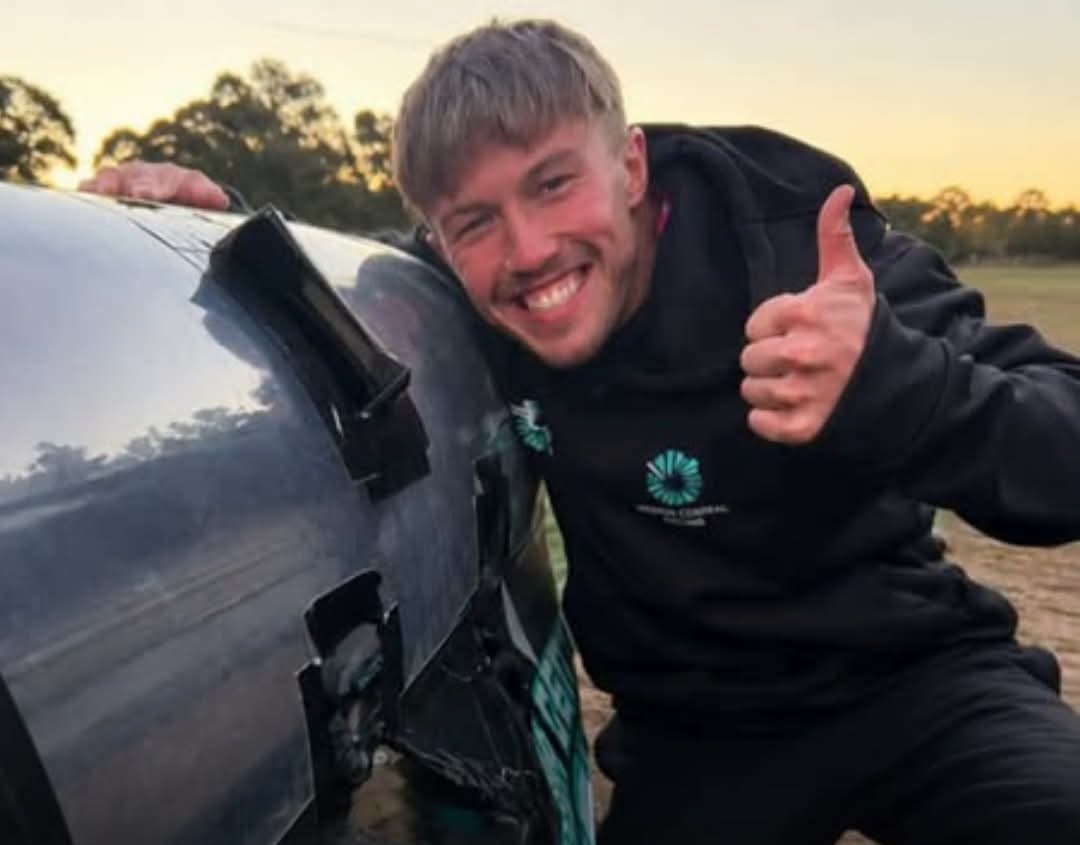
Darwin, 07 July : Local Australian rules footballer and school teacher Nathan Fitzgerald has died after suffering a catastrophic head injury during a match in…