Pakistan Says ‘Final and Consensus’ U.S.-Iran Ceasefire Draft Near Completion
Darwin, 13 June : Pakistani Prime Minister has announced that a “final and consensus-based” ceasefire draft agreement has been prepared to ease ongoing tensions between…



Darwin, 16 November-
Mexico has been rocked by widespread anger over violence, corruption, and impunity, as thousands of people take to the streets. The demonstrations — initiated by members of Generation Z (Gen-Z) — drew participation from citizens of all ages, opposition political activists, and supporters of Carlos Manzo, the recently assassinated mayor of Michoacán.
According to a report by Al Jazeera, after weeks of rising tension, large-scale protests were held across the country on Saturday.
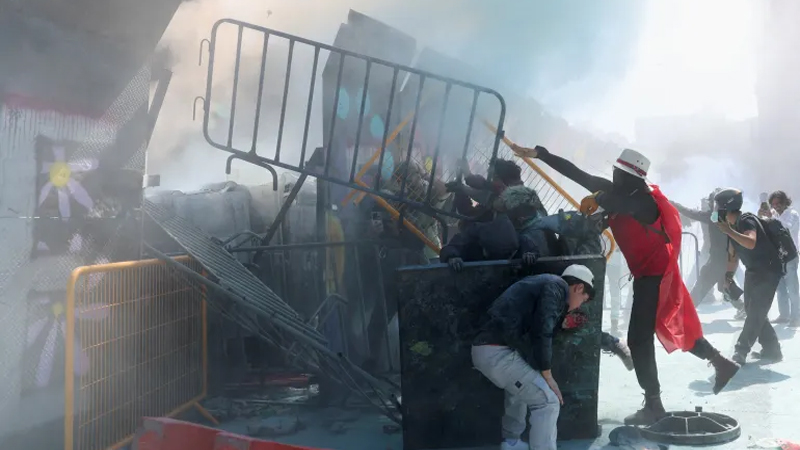
In Mexico City, the situation suddenly escalated when a group of protesters broke through barricades placed in front of the National Palace.
Because President Claudia Sheinbaum’s official residence is located within the same compound, heavy security had been deployed. Masked protesters clashed with police, and tear gas was fired.
Pablo Vázquez, the city’s public security secretary, said at least 100 police officers were injured, 40 of whom had to be hospitalized. Twenty civilians were also injured.
Twenty people were arrested, and another twenty were summoned for administrative offenses.
According to Mexican newspaper El Universal, security forces attempted to push back protesters using both tear gas and stones after the crowds breached the security perimeter around the palace.
After several minutes of chasing and counter-chasing, police forced the demonstrators to disperse from Zócalo Square.
Some Gen-Z social media influencers announced prior to the demonstrations that they were distancing themselves from the movement. In contrast, former president Vicente Fox and billionaire Ricardo Salinas Pliego publicly expressed support for the protests.
President Sheinbaum accused right-wing groups of using social media bots to influence the movement, claiming the protests bore signs of “external interference.”
This year, Gen-Z-led movements have emerged across Asia and Africa against inequality, corruption, and democratic backsliding. In Nepal, protests in September against a social-media ban became so powerful that Prime Minister KP Sharma Oli ultimately resigned.
In the same month, Gen-Z-led protests in Madagascar over water and electricity shortages brought down the government, forcing President Andry Rajoelina to flee the country.
Young people in Mexico say their anger stems mainly from corruption, insecurity, and the unchecked freedom with which criminals roam.
Andrés Masa, a 29-year-old business consultant, said, “We want more security. People live in fear every day.”
He carried a “pirate skull” flag, which has become a symbol of the Gen-Z movement. Claudia Cruz, a 43-year-old doctor, said her demands include an increased public health budget and safety for medical workers.
“This country has reached a point where even a doctor can be killed — and nothing happens,” she said.
The Sheinbaum administration had already faced criticism over its security policies, largely due to the November 1 assassination of Carlos Manzo, mayor of Uruapan in Michoacán, who was shot dead in broad daylight during a public festival.
He had been leading anti-cartel operations in the city. Manzo’s supporters joined protests not only in various cities across Michoacán but also in Mexico City.
Rosa María Ávila, a 65-year-old participant, said, “It feels like the state is slowly dying. Manzo was killed because he sent police to fight gangs in the mountains. He had courage.”
The Gen-Z movement has become the focal point of Mexican politics and public frustration, bringing renewed attention to youth disillusionment, the country’s security crisis, and deepening political divisions.
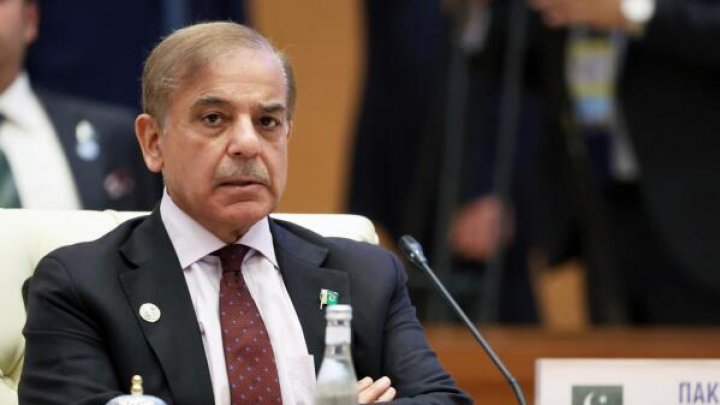
Darwin, 13 June : Pakistani Prime Minister has announced that a “final and consensus-based” ceasefire draft agreement has been prepared to ease ongoing tensions between…
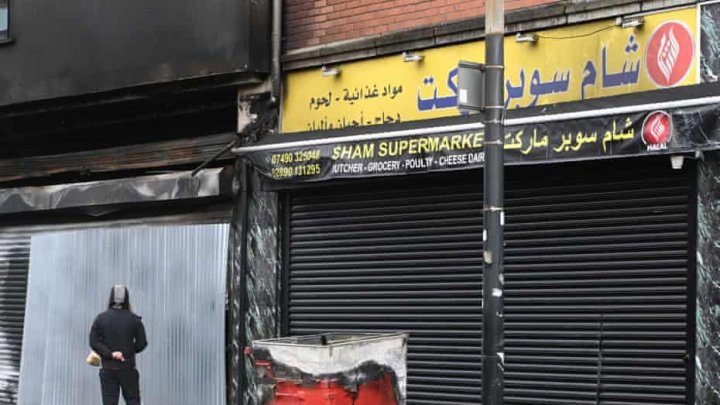
Belfast, Northern Ireland — Civil unrest in Belfast has taken a more organized and alarming turn as coordinated digital tracking tactics have reportedly been used…

Darwin, 12 June : The United Kingdom, Australia, and Canada on Thursday announced an “International Fund for Peace” for Israelis and Palestinians, aimed at supporting…
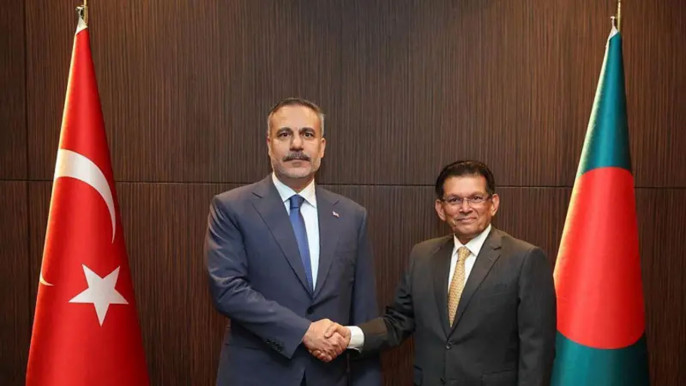
Darwin, 12 June : Turkey’s proposal to strengthen cooperation with Bangladesh in the defense industry, raised during Turkish Foreign Minister Hakan Fidan’s visit to Dhaka,…
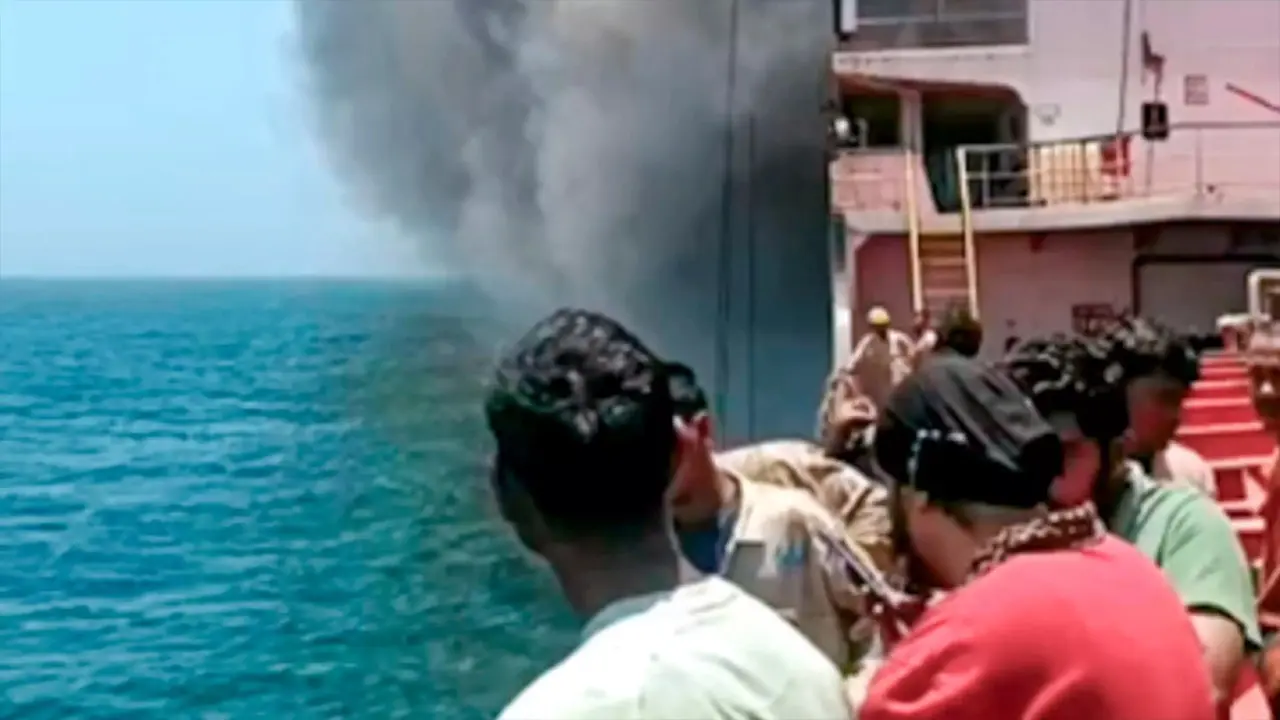
Darwin, 11 June : Three Indian sailors have been confirmed dead after a U.S. missile strike hit an oil tanker near Oman’s coast in the…
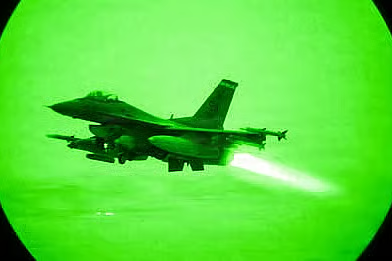
Darwin, 11 June : The United States has launched a new wave of military strikes against Iran, escalating tensions in an already volatile regional conflict….
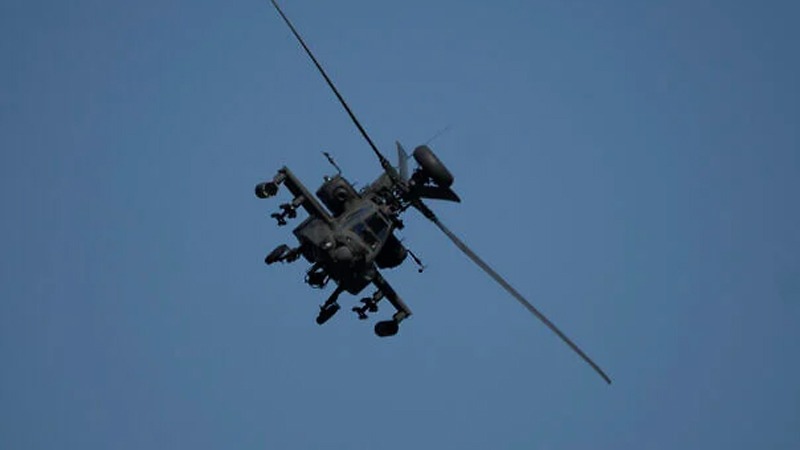
Darwin, 10 June : In the early hours of Wednesday, the U.S. military carried out strikes in Iran following the downing of a U.S. Apache…

Darwin, 10 june: Washington has rejected Israel’s claim that the United States took part in intercepting ballistic missiles launched from Iran toward Israel. A U.S….