Pakistan Says ‘Final and Consensus’ U.S.-Iran Ceasefire Draft Near Completion
Darwin, 13 June : Pakistani Prime Minister has announced that a “final and consensus-based” ceasefire draft agreement has been prepared to ease ongoing tensions between…



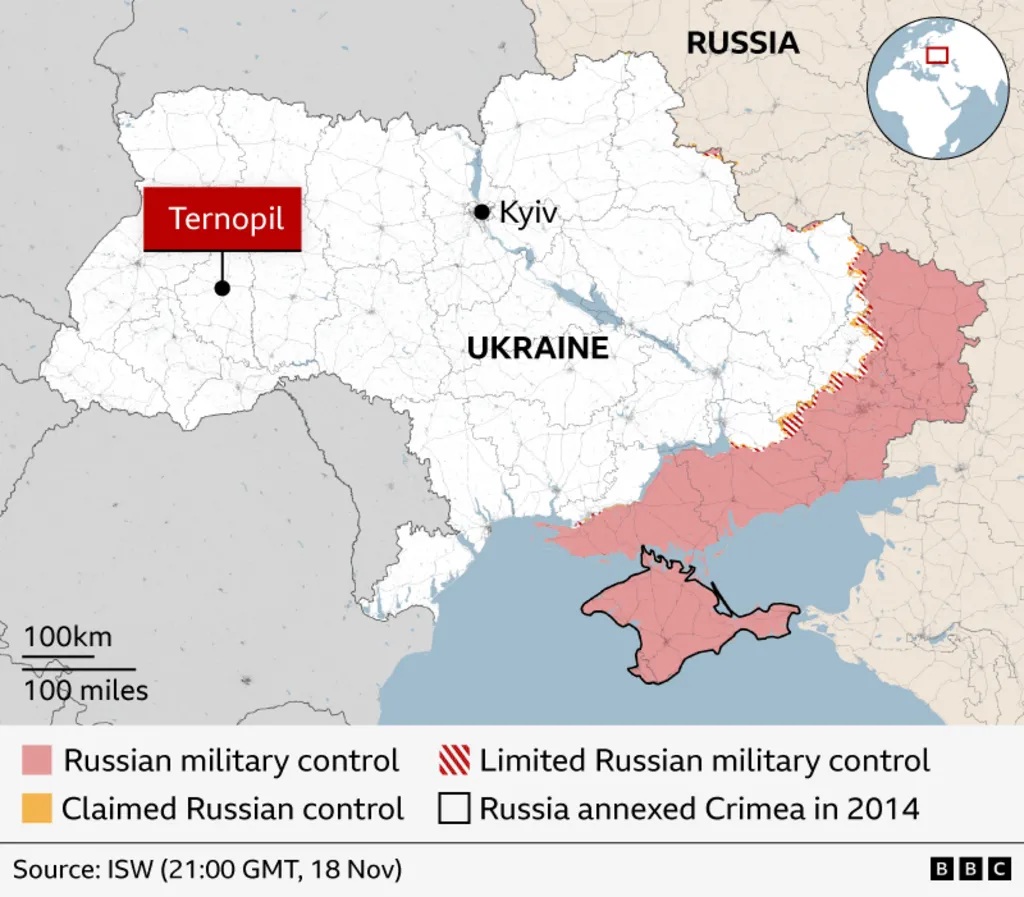
The diplomatic push to end the war in Ukraine is accelerating against a backdrop of deadly military escalation, highlighted by a Russian missile and drone attack that killed at least 25 people in the western city of Ternopil on Wednesday, November 19.
As rescue crews searched the rubble of the destroyed apartment blocks in Ternopil, President Volodymyr Zelenskyy traveled to Ankara to hold talks with Turkish President Recep Tayyip Erdogan in an attempt to revive a U.S.-backed bid to end the war. The diplomatic maneuvering comes amid reports that U.S. President Donald Trump’s special envoy, Steve Witkoff, has been quietly working on a peace plan with Russian counterpart Kirill Dmitriev.
Adding gravity to the diplomatic efforts, two top U.S. Army officials—Secretary Dan Driscoll and Chief of Staff General Randy George—are making an unannounced visit to Kyiv this week. They are the most senior U.S. military figures to visit the capital since President Trump took office, reportedly to meet with Zelenskyy and discuss stalled peace efforts, signaling a dual-track strategy by the Trump administration.
Meanwhile, the Kremlin has downplayed the diplomatic track, with spokesman Dmitry Peskov refusing to comment on the peace plan reports and confirming no Russian representative would join the Ankara talks.
The fighting is intensifying on both sides. The Ternopil civilian attack was part of a massive Russian barrage that also hit energy facilities in the Lviv and Ivano-Frankivsk regions, prompting Poland and Romania to scramble jets and temporarily close airports due to border airspace concerns.
The Russian strikes were claimed as retaliation after Ukraine’s military admitted using U.S.-supplied longer-range Atacms missiles at military targets inside Russia—the first time Kyiv has officially acknowledged using the American-made weapons on Russian soil. Russia, which insists its own strikes target only military and energy infrastructure, claimed it shot down four of the missiles aimed at the southern city of Voronezh.
The latest developments underscore the fundamental opposition between Moscow and Kyiv on ending the war, as the fourth anniversary of the full-scale invasion approaches next February.

Darwin, 13 June : Pakistani Prime Minister has announced that a “final and consensus-based” ceasefire draft agreement has been prepared to ease ongoing tensions between…

Belfast, Northern Ireland — Civil unrest in Belfast has taken a more organized and alarming turn as coordinated digital tracking tactics have reportedly been used…

Darwin, 12 June : The United Kingdom, Australia, and Canada on Thursday announced an “International Fund for Peace” for Israelis and Palestinians, aimed at supporting…
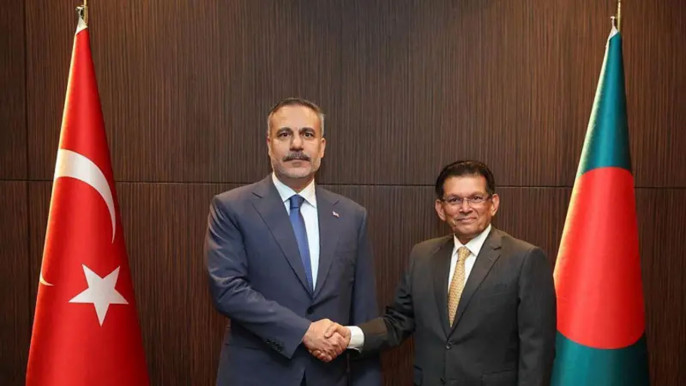
Darwin, 12 June : Turkey’s proposal to strengthen cooperation with Bangladesh in the defense industry, raised during Turkish Foreign Minister Hakan Fidan’s visit to Dhaka,…

Darwin, 11 June : Three Indian sailors have been confirmed dead after a U.S. missile strike hit an oil tanker near Oman’s coast in the…
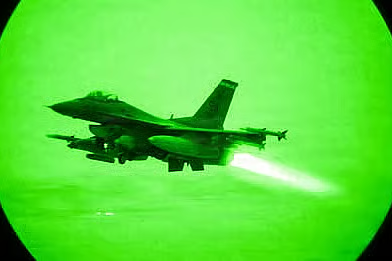
Darwin, 11 June : The United States has launched a new wave of military strikes against Iran, escalating tensions in an already volatile regional conflict….
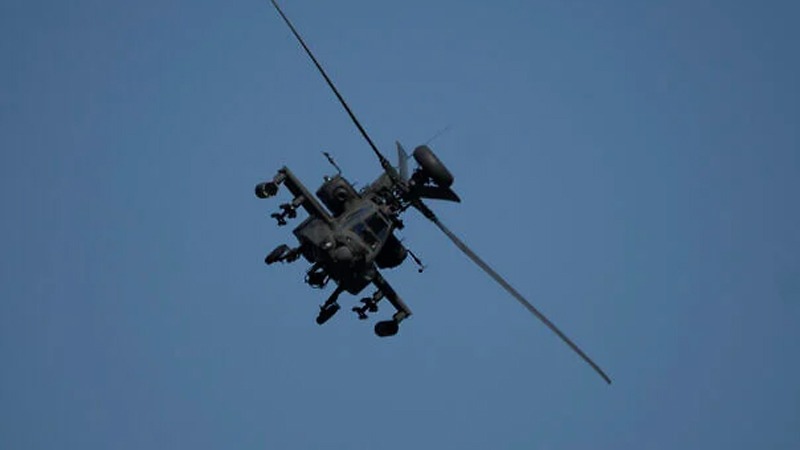
Darwin, 10 June : In the early hours of Wednesday, the U.S. military carried out strikes in Iran following the downing of a U.S. Apache…

Darwin, 10 june: Washington has rejected Israel’s claim that the United States took part in intercepting ballistic missiles launched from Iran toward Israel. A U.S….