Ten Injured After Car Ploughs Into Rugby League Fans in Australia
Darwin, October 04: Ten people, including three children, have been injured after a car crashed into a crowd of rugby league fans in Newcastle, eastern…



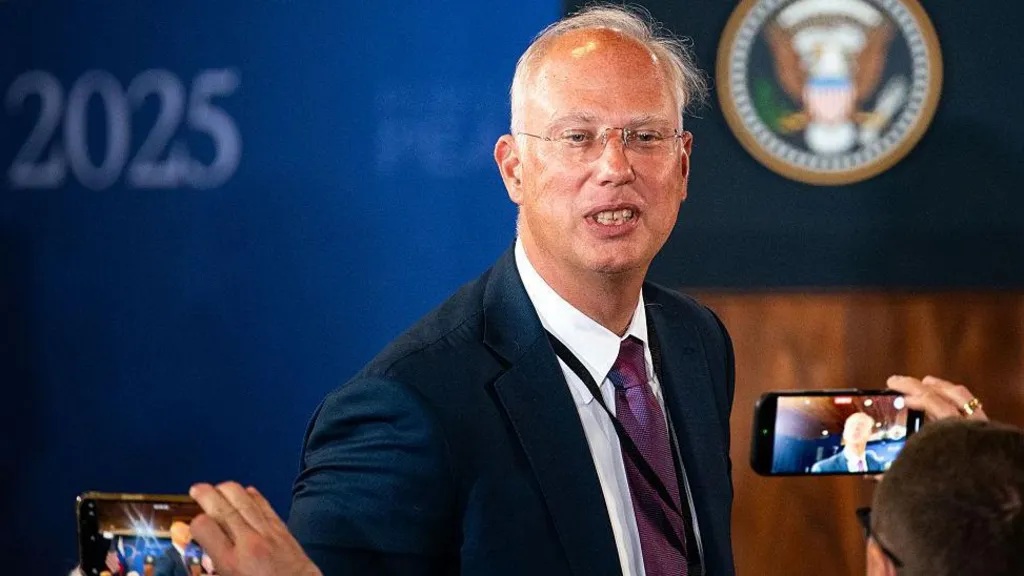
MOSCOW, RUSSIA — The draft peace plan for Ukraine—a document widely described as a “Putin wishlist” for its demands that Kyiv cede territory and slash its military size—has put the spotlight squarely on its lead Russian architect, Kirill Dmitriev. At 50, Dmitriev is a unique figure in the Kremlin’s diplomatic corps: a private equity specialist with deep Western ties and the financial muscle of the Russian Direct Investment Fund (RDIF) at his back.
Dmitriev, who led three days of talks with US special envoy Steve Witkoff in Miami, embodies the blend of commerce and statecraft favored by Moscow.
While Dmitriev is officially the CEO of RDIF—a sovereign wealth fund sanctioned by the US Treasury in 2022 as a “known Putin ally” and alleged “slush fund”—his influence stems from deeper personal connections.
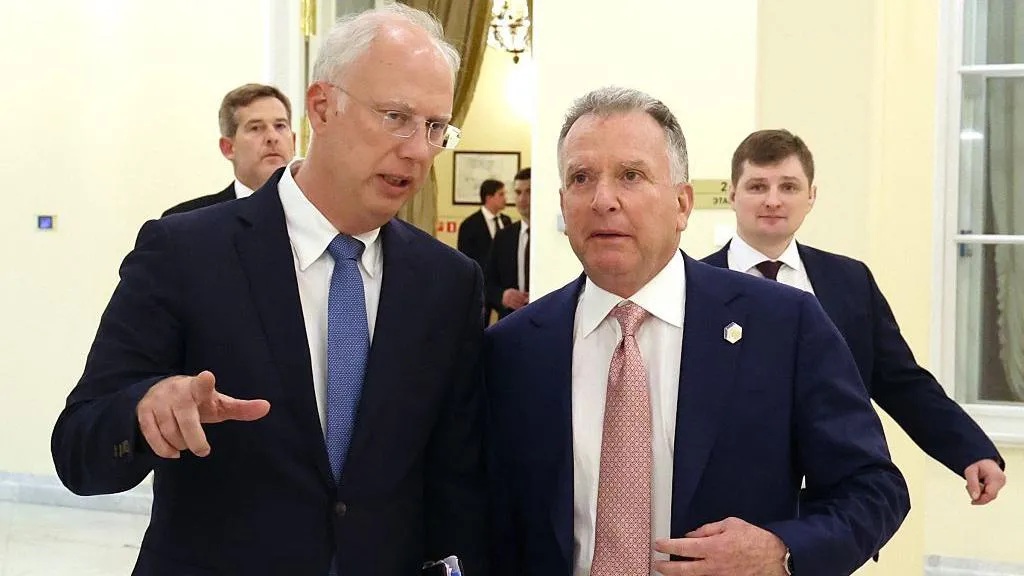
Witkoff (R) and Dmitriev have struck up a close diplomatic rapport
He is widely seen as part of the inner circle surrounding Katerina Tikhonova, one of Vladimir Putin’s daughters. Dmitriev’s wife, TV presenter Natalia Popova, is a close friend and colleague of Tikhonova, serving as the deputy head of her tech firm, Innopraktika. This positioning has helped Dmitriev leverage his influence for state-backed projects, including financing Russia’s Sputnik V Covid vaccine.
Dmitriev’s life is marked by contradictions. Born in Kyiv to Ukrainian scientist parents, a friend claims that at age 15, he participated in pro-democracy protests in the city before the Soviet collapse.
His strong connection to the US began in 1990 via a student exchange, leading to a degree from Stanford and an MBA from Harvard. His academic work, including a thesis on privatization in Ukraine, showed an early desire to contribute to reform. This Western background makes his current role—delivering terms viewed as “draconian” by Kyiv—all the more notable.
Dmitriev’s partnership with US envoy Steve Witkoff has been central to US-Russia engagement since the start of the current US administration. Witkoff has publicly praised Dmitriev as an “important interlocutor” after the Russian envoy helped secure the release of an American teacher from a Russian jail earlier this year.
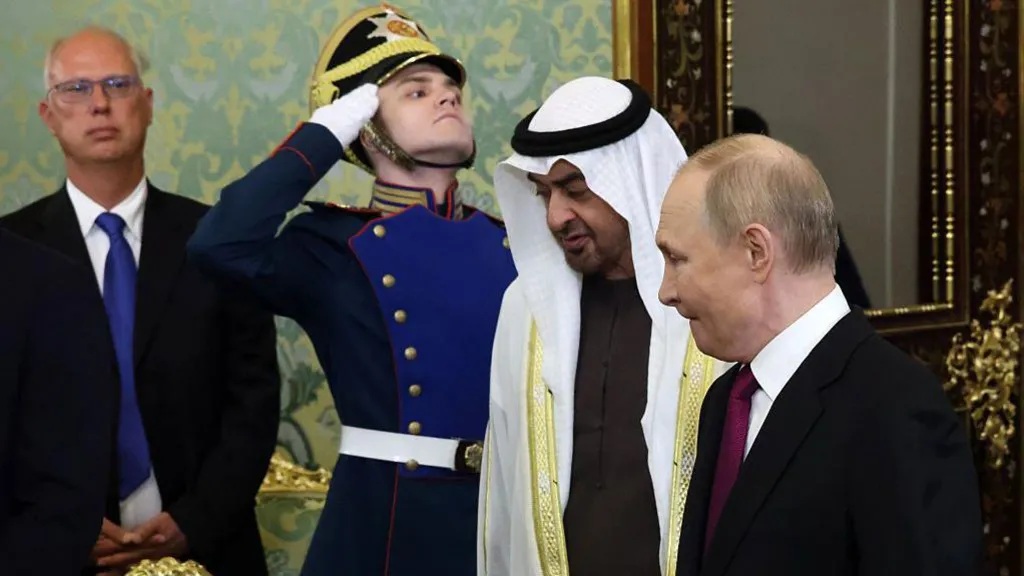
When Putin travelled to the UAE in August, Dmitriev was there in the background
“We are sure we are on the road to peace, and as peacemakers we need to make it happen,” Dmitriev said at a conference in Saudi Arabia in late October, weeks before the peace plan was leaked.
While he is adept at presenting the Russian government narrative in Western media, his commercial ambition remains evident. His past proposals have included joint Arctic energy projects and even a fantastical “$8 billion Putin-Trump rail tunnel” beneath the Bering Strait, showcasing his belief that the two nations can be bridged through megadeals.
Despite his deep history with Ukraine and his stated focus on dialogue, Dmitriev’s reputation has taken a massive dive in Kyiv, where he has been formally sanctioned for alleged crimes against the country and spreading propaganda.
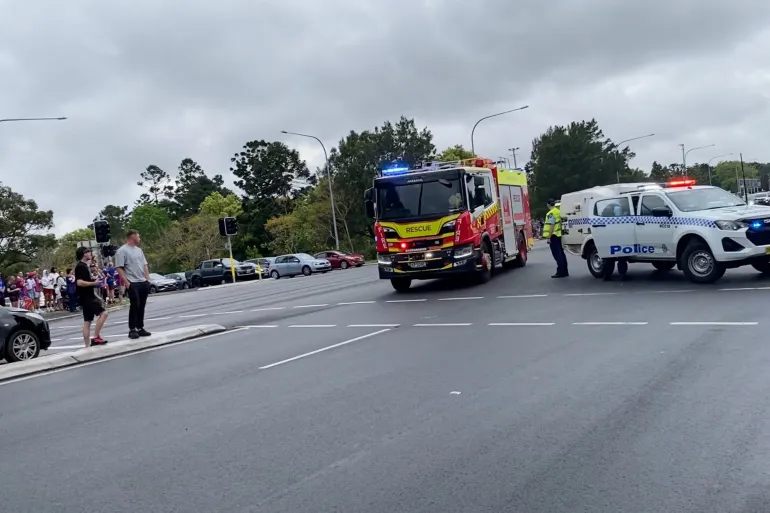
Darwin, October 04: Ten people, including three children, have been injured after a car crashed into a crowd of rugby league fans in Newcastle, eastern…
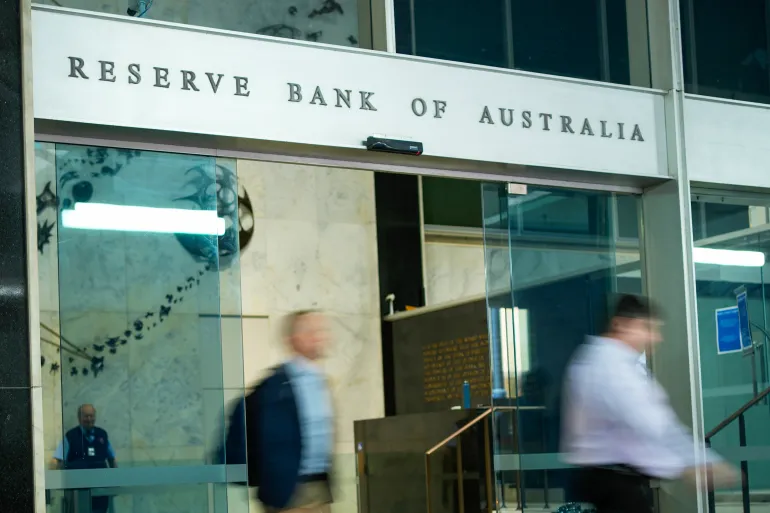
Darwin, October 4: Australia’s central bank has raised interest rates to their highest level in 15 years, increasing mortgage repayments for millions of Australian households….
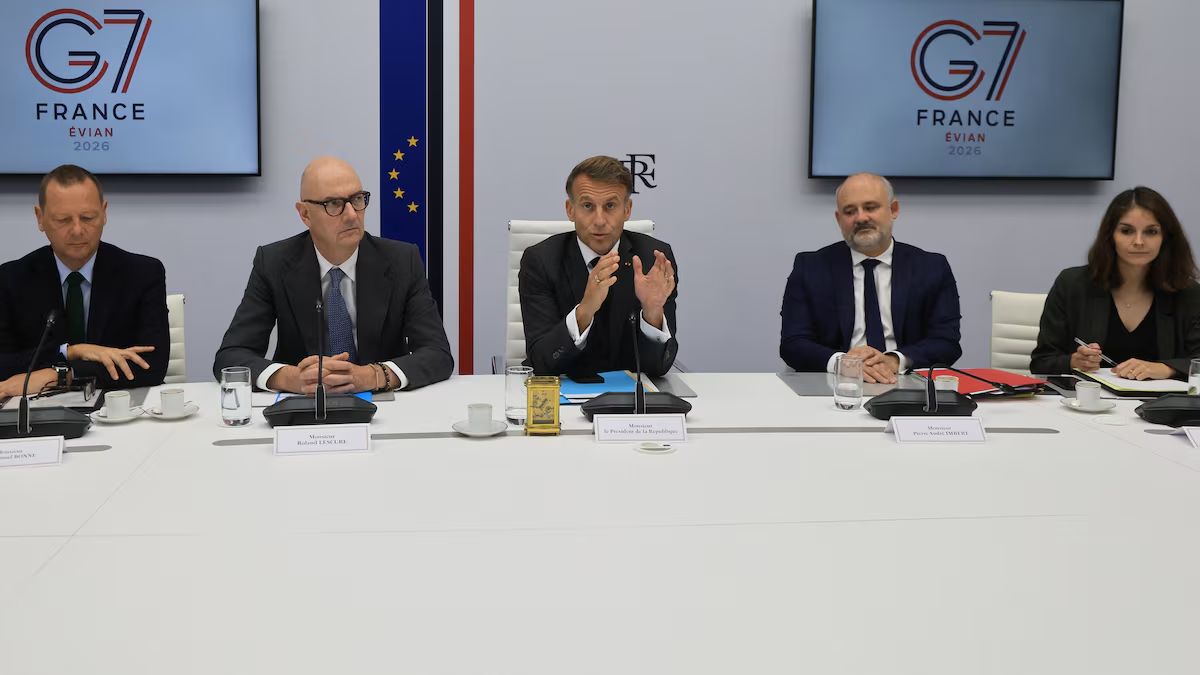
Darwin, October 3: Under pressure from US President Donald Trump to bring down rising fuel prices, G7 leaders are set to release up to 100…
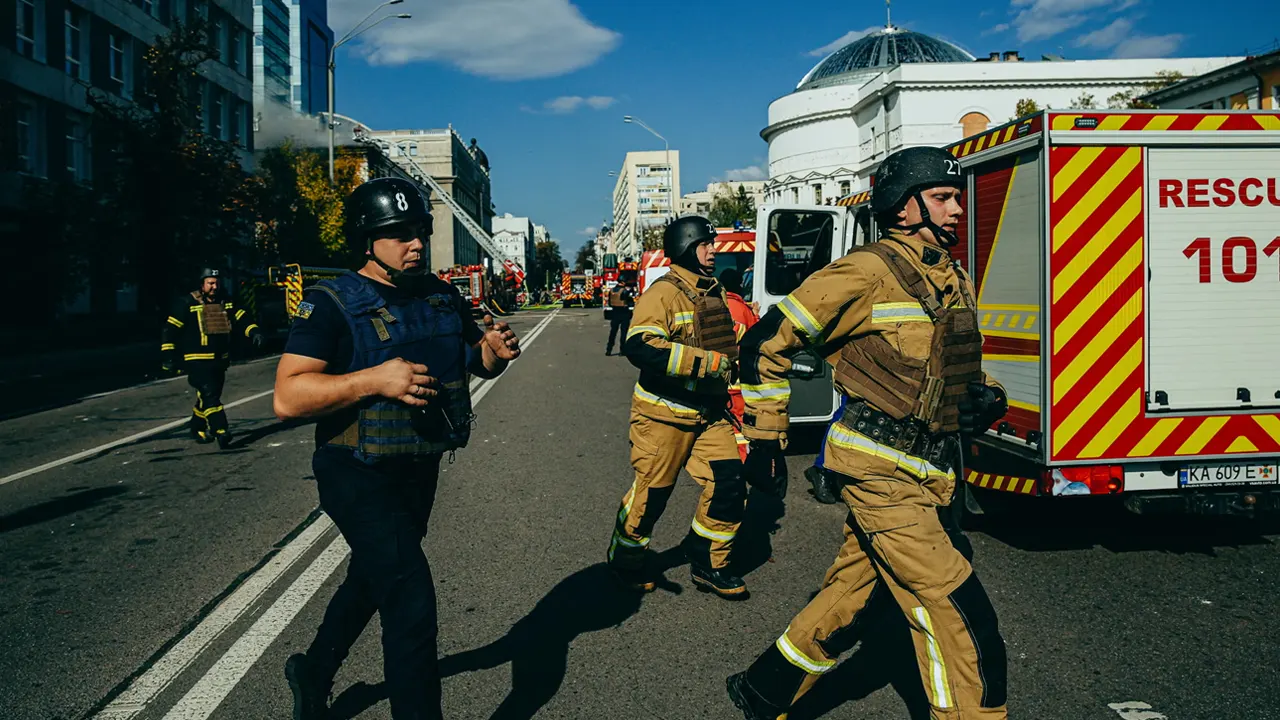
Darwin, October 3: Russia’s daily attacks are filling the lives of Kyiv residents with fear and uncertainty. From schools and hospitals to bridges, power plants…
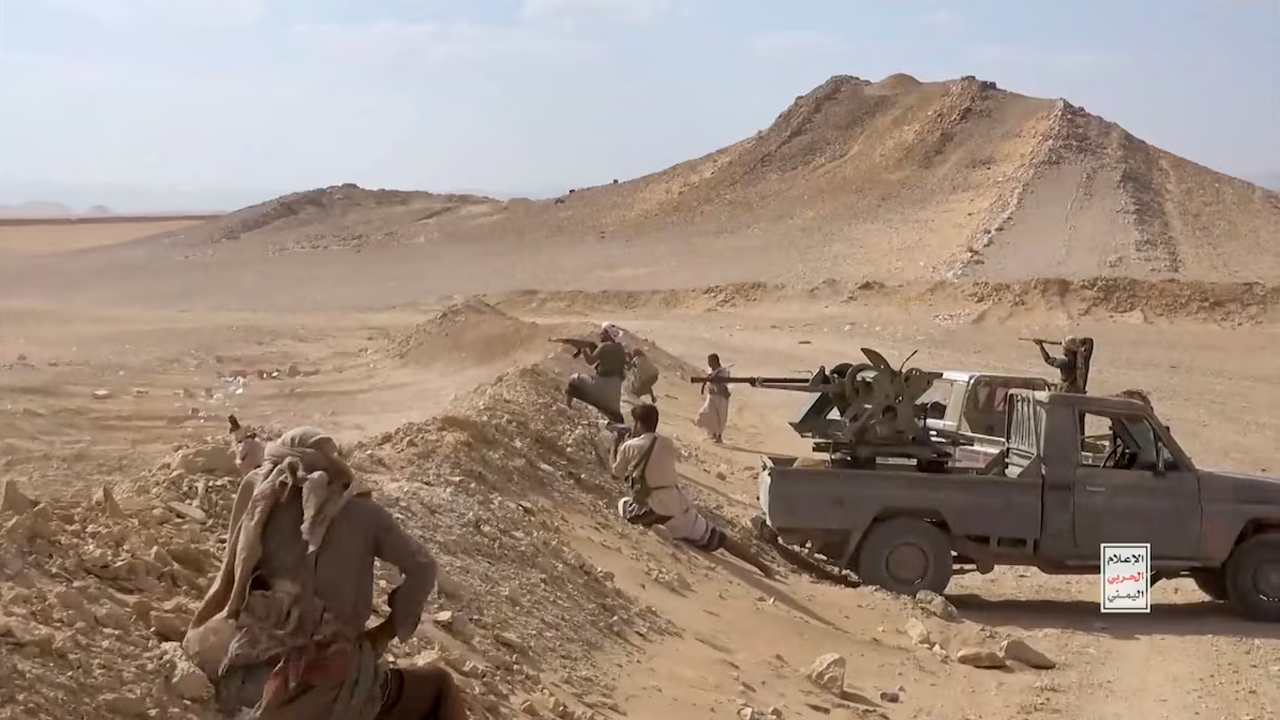
Darwin, October 3: At least 80 fighters have been killed over the past 24 hours in fierce fighting between Iran-backed Houthi rebels and Saudi-backed government…
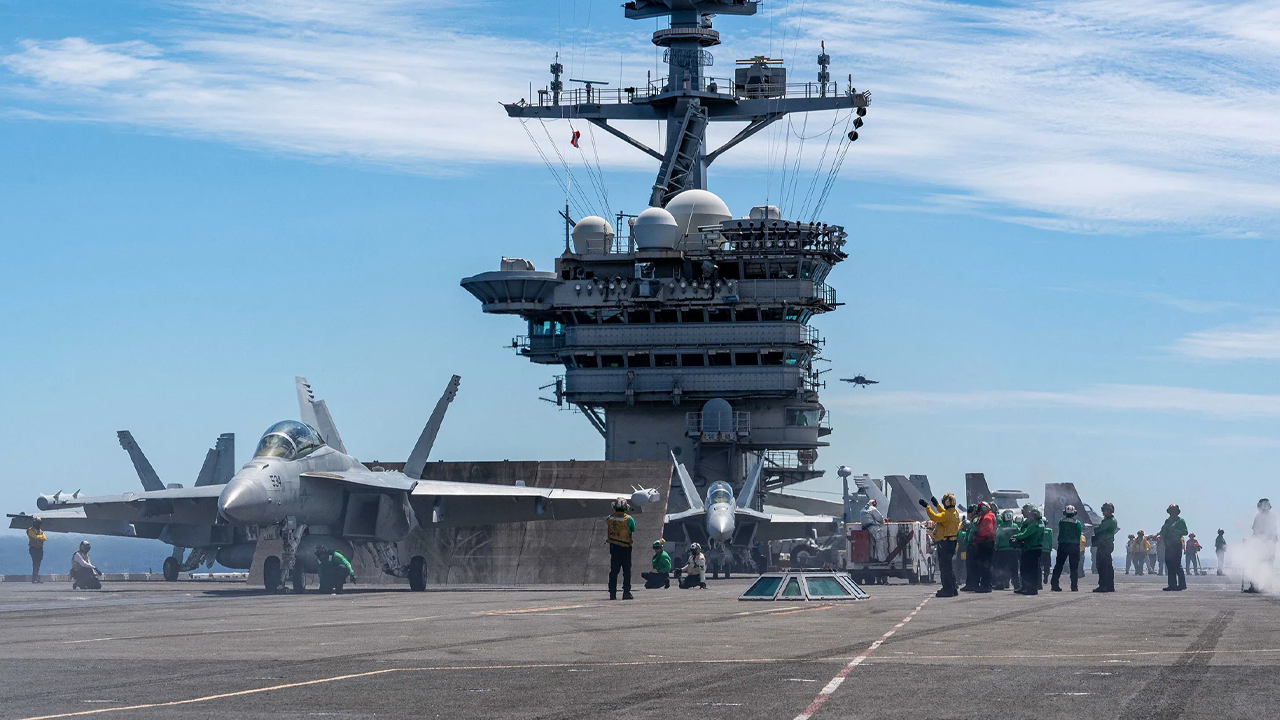
Darwin, October 3: As the Iran war enters its eighth month, the United States is sending a third aircraft carrier strike group to waters near…
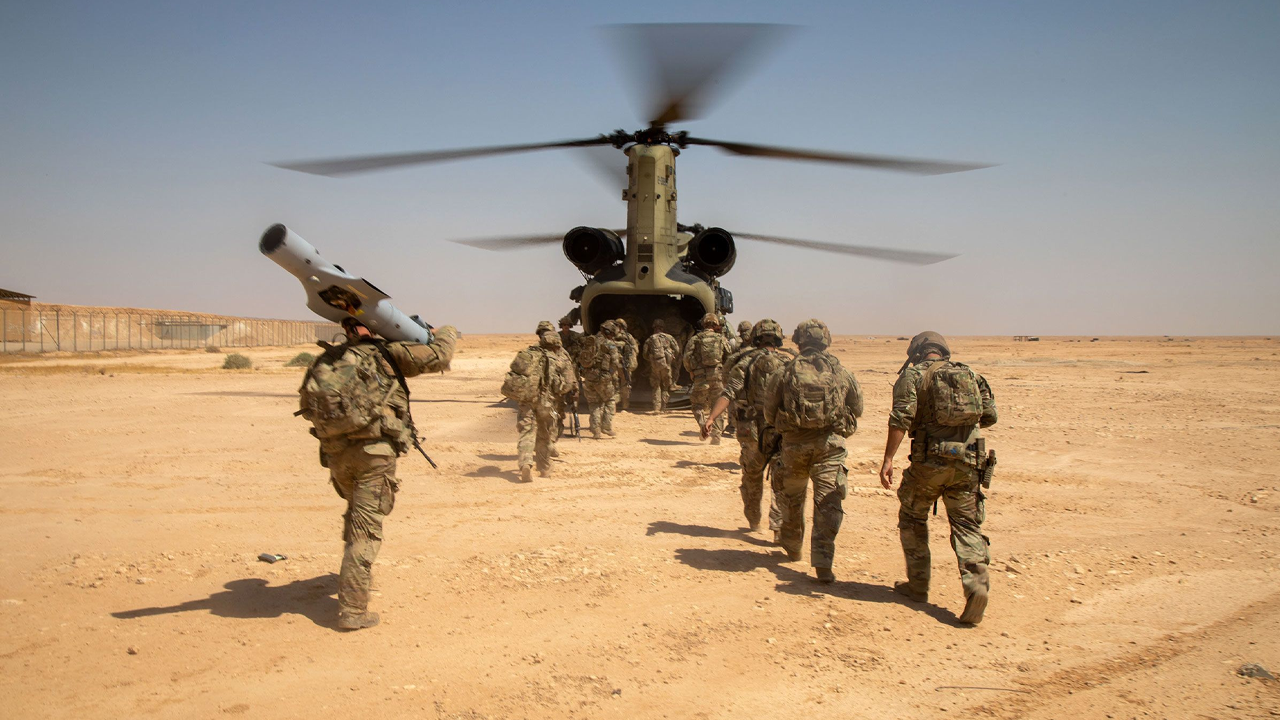
Darwin, September 30 : The United States is preparing to withdraw its military forces from Iraq after more than two decades of war and the…
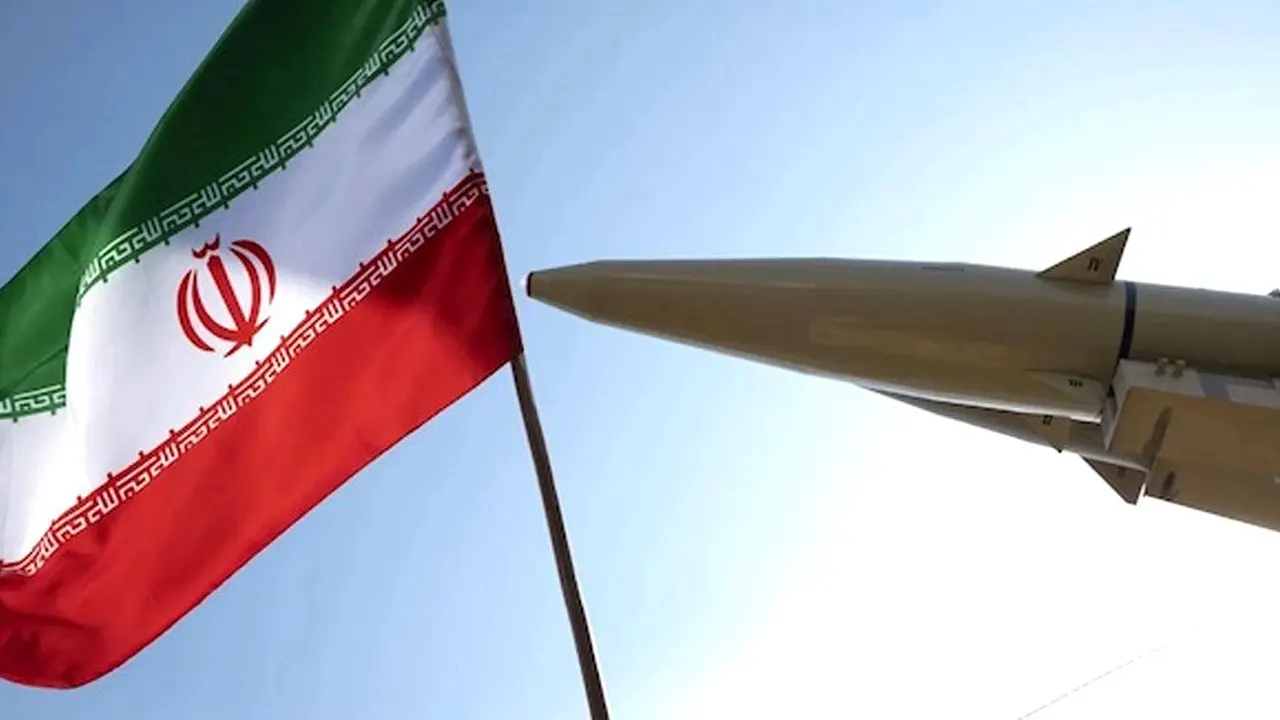
Darwin, September 30: Russia has urged Iran not to withdraw from the Treaty on the Non-Proliferation of Nuclear Weapons (NPT), calling on Tehran to remain…