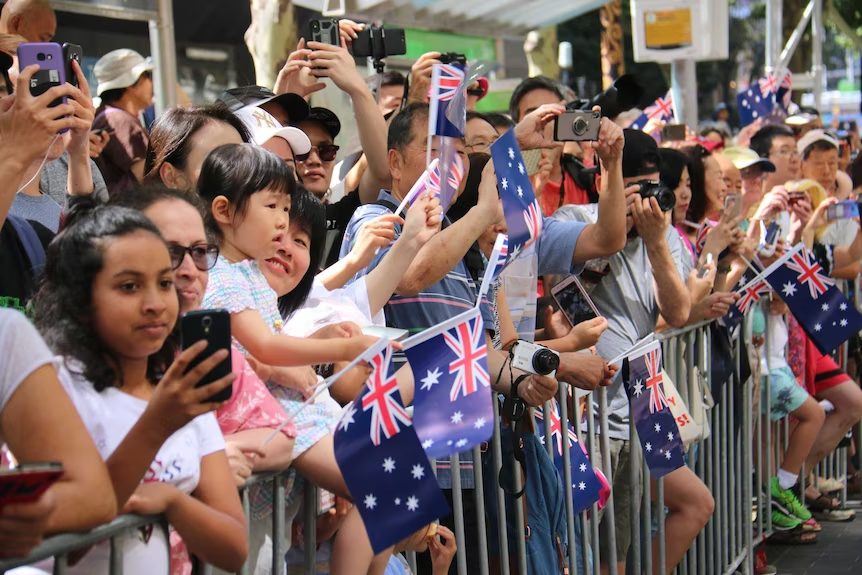
Ten Injured After Car Ploughs Into Rugby League Fans in Australia
Darwin, October 04: Ten people, including three children, have been injured after a car crashed into a crowd of rugby league fans in Newcastle, eastern…



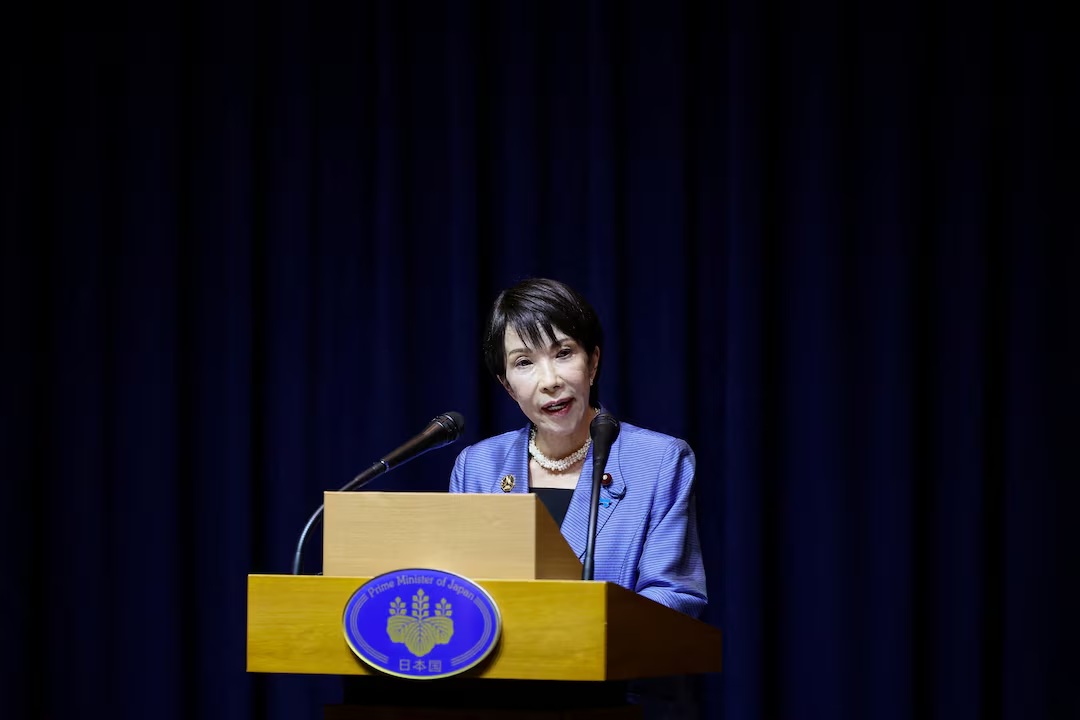
BEIJING — China has dramatically escalated its widening spat with Japan over Taiwan, taking the dispute to the United Nations with a stark warning that it would invoke the right of self-defense if Tokyo dared to intervene militarily.
In a letter sent on Friday to UN Secretary-General Antonio Guterres, China’s UN Ambassador Fu Cong accused Japanese Prime Minister Sanae Takaichi of committing “a grave violation of international law” and diplomatic norms.
The core of the dispute stems from Takaichi’s remarks on November 7, where she stated in parliament that a hypothetical Chinese attack on Taiwan—which sits just over 100 km (60 miles) from Japanese territory—could be classified as a “situation threatening Japan’s survival.” This legal designation would permit the deployment of Japan’s military.
“If Japan dares to attempt an armed intervention in the cross-Strait situation, it would be an act of aggression,” Fu wrote, according to a statement from China’s UN mission. “China will resolutely exercise its right of self-defence under the U.N. Charter and international law and firmly defend its sovereignty and territorial integrity.”
China, which views democratically governed Taiwan as its own territory, demanded that Japan “stop making provocations and crossing the line, and retract its erroneous remarks.”
China, a permanent member of the UN Security Council, is increasingly grounding its criticism of Japan in historical and postwar legal declarations. Beijing repeatedly emphasizes the Potsdam and Cairo declarations, which envisioned that territories occupied by Japan, including Taiwan, would be “restored” to Chinese rule.
While many governments view these declarations as statements of intent, China uses them as the basis for its legal claims of sovereignty over Taiwan. Beijing also highlights its postwar role in setting up the UN and the transfer of Taiwan’s UN seat to the People’s Republic of China in 1971.
The biggest bilateral crisis in years has already spilled into non-diplomatic areas, with China reportedly cutting trade cooperation and abruptly canceling concerts by Japanese musicians.

Darwin, October 04: Ten people, including three children, have been injured after a car crashed into a crowd of rugby league fans in Newcastle, eastern…
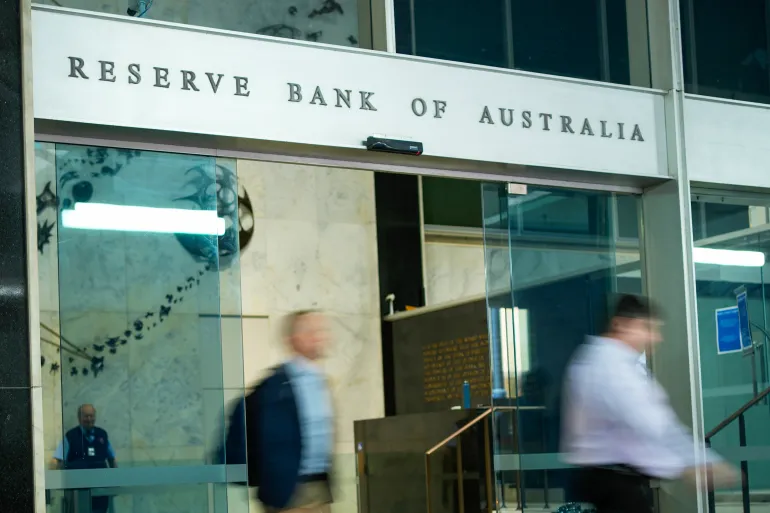
Darwin, October 4: Australia’s central bank has raised interest rates to their highest level in 15 years, increasing mortgage repayments for millions of Australian households….

Darwin, October 3: Under pressure from US President Donald Trump to bring down rising fuel prices, G7 leaders are set to release up to 100…
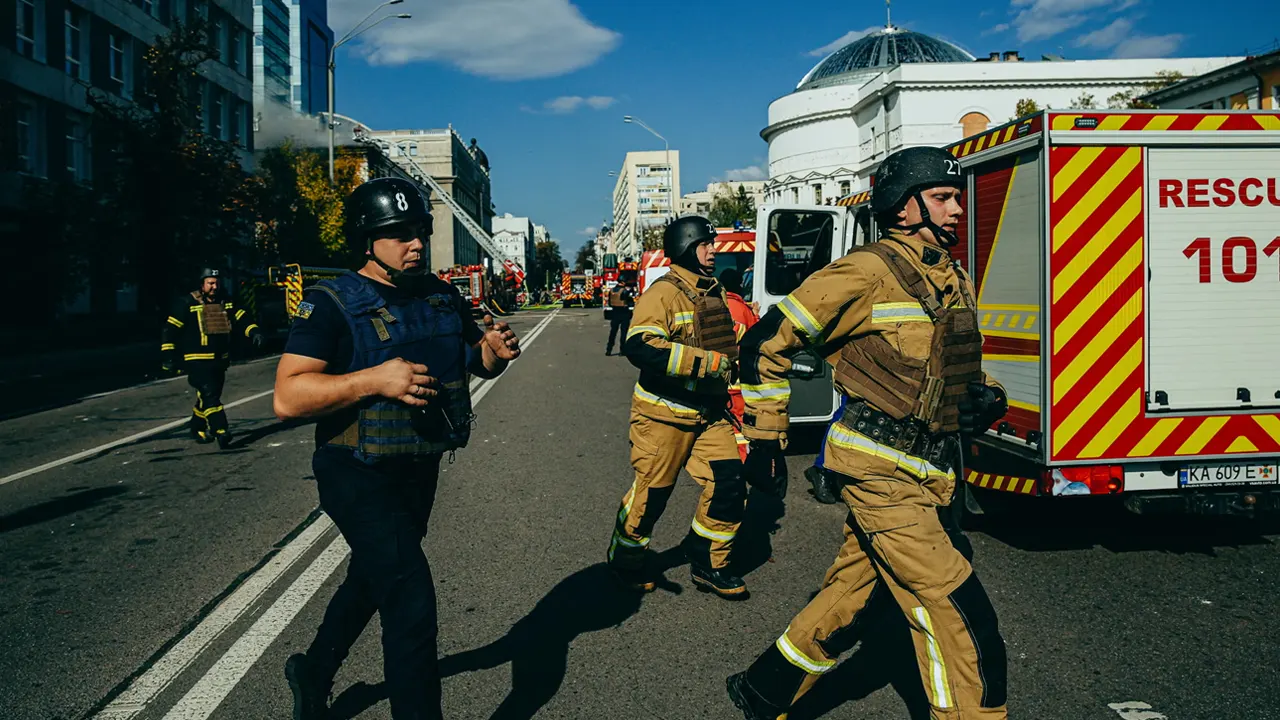
Darwin, October 3: Russia’s daily attacks are filling the lives of Kyiv residents with fear and uncertainty. From schools and hospitals to bridges, power plants…
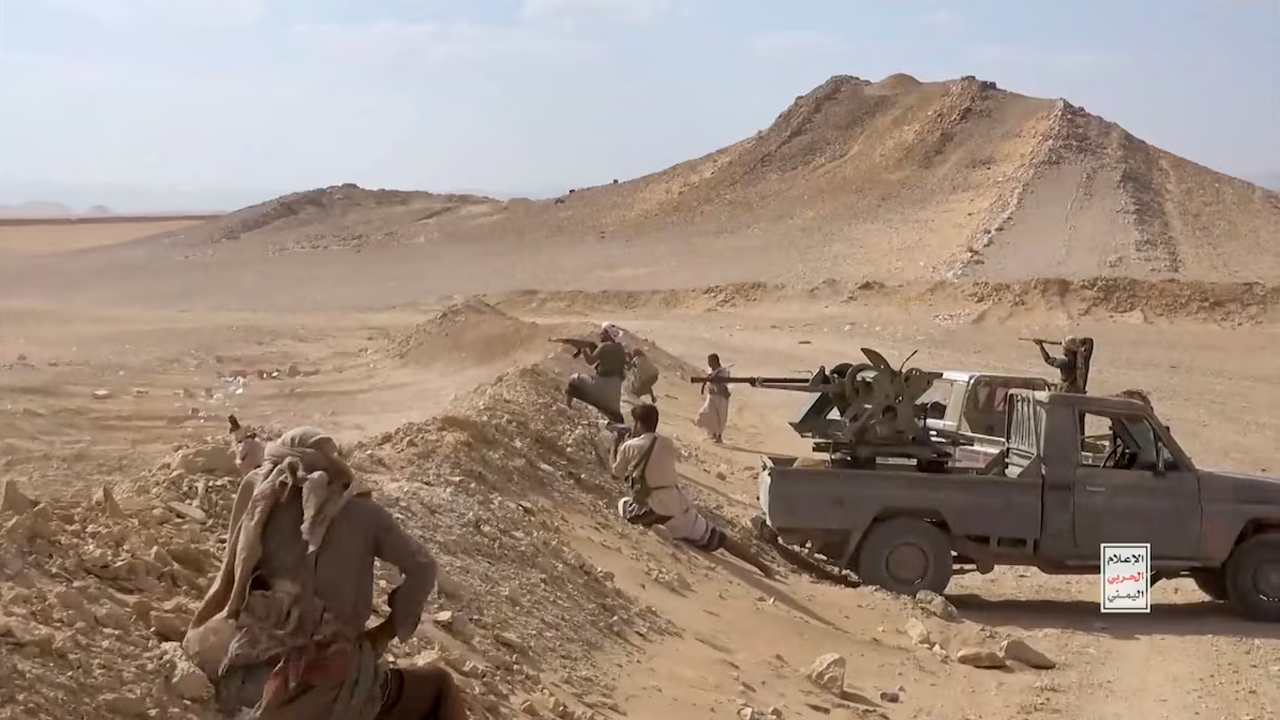
Darwin, October 3: At least 80 fighters have been killed over the past 24 hours in fierce fighting between Iran-backed Houthi rebels and Saudi-backed government…
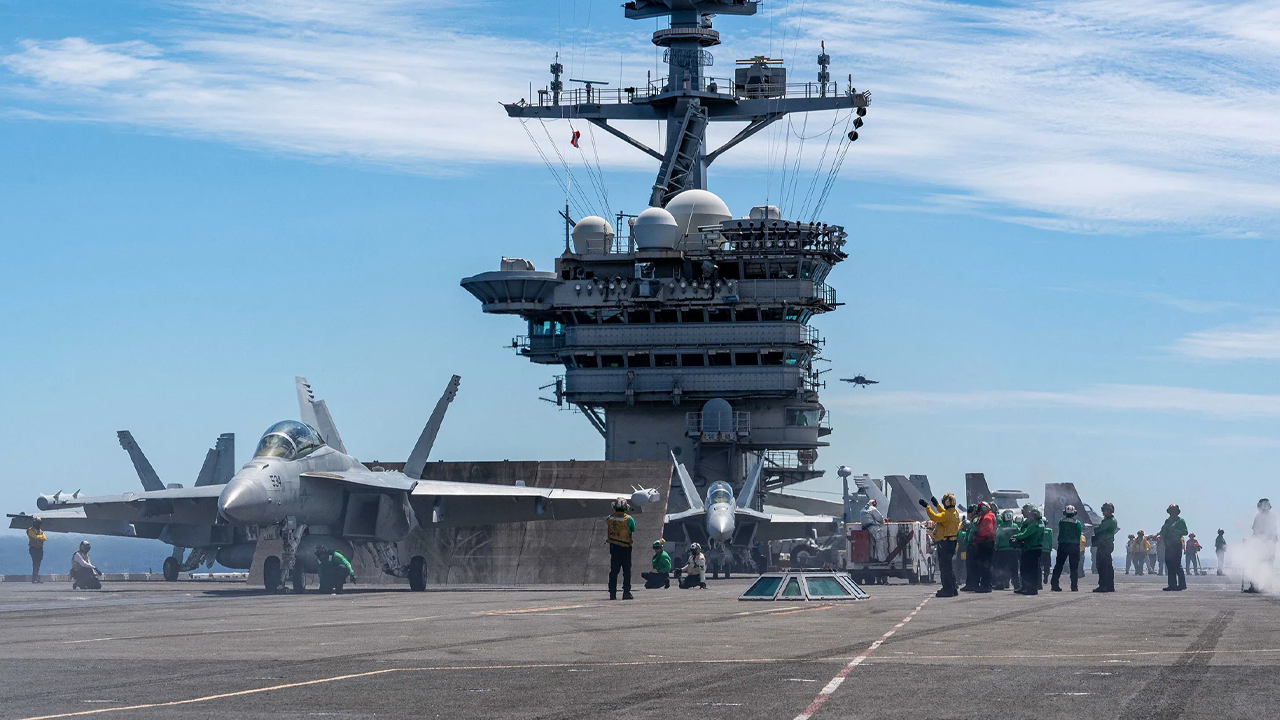
Darwin, October 3: As the Iran war enters its eighth month, the United States is sending a third aircraft carrier strike group to waters near…
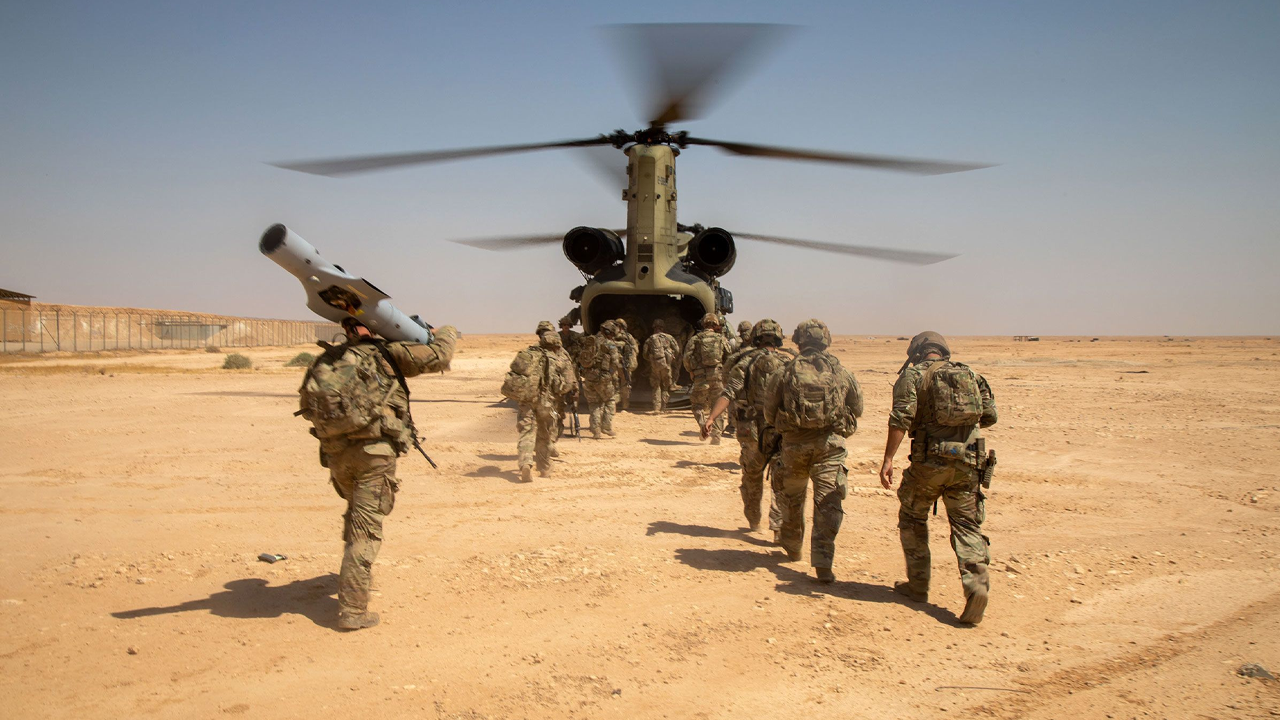
Darwin, September 30 : The United States is preparing to withdraw its military forces from Iraq after more than two decades of war and the…
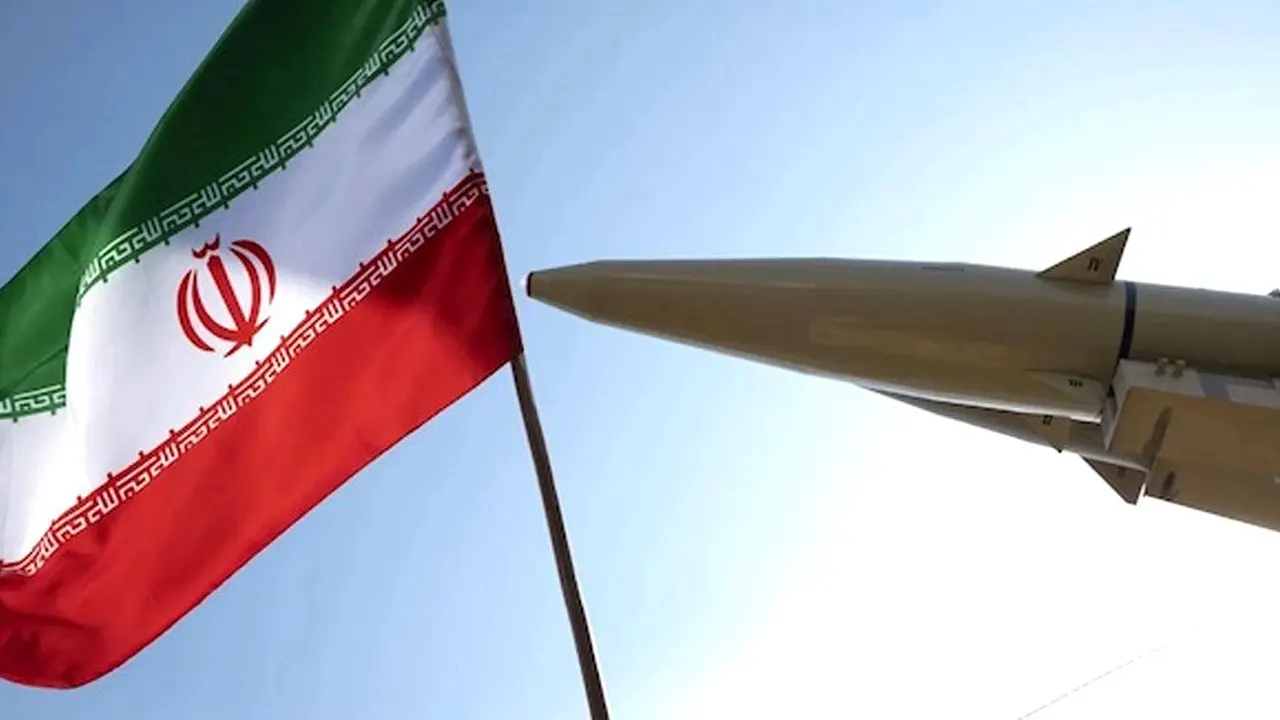
Darwin, September 30: Russia has urged Iran not to withdraw from the Treaty on the Non-Proliferation of Nuclear Weapons (NPT), calling on Tehran to remain…